Why Oolambeyan National Park stands out
Oolambeyan National Park is known for its protection of semi-arid woodland ecosystems in the Riverina region and its role in preserving biodiversity on Australia's inland plains. The park conserves representative examples of the Riverina's woodland communities, providing habitat for native species including gray and red kangaroos, carpet snakes, shingle-backed lizards, and lace monitors. The transition from a productive merino grazing property to a protected conservation area demonstrates the broader pattern of land reservation in New South Wales's semi-arid rangelands. The park also serves as a destination for bird watching, with the woodland and grassland habitats supporting diverse avian communities.
Oolambeyan National Park history and protected-area timeline
Oolambeyan National Park was established in November 2001 when the Government of New South Wales acquired the Oolambeyan Station property and dedicated it as a national park under the National Parks and Wildife Act. The property had previously operated as a grazing enterprise, specifically as a merino stud, which involved the breeding of Merino sheep for wool production. The transition from private pastoral holding to public protected area represents a common pathway for the creation of national parks across New South Wales, particularly in the semi-arid rangeland regions where large properties have been acquired for conservation purposes.
The decision to purchase Oolambeyan Station and create a national park reflected growing recognition of the conservation values present in the Riverina's woodland landscapes. While not as dramatically scenic as some protected areas, these inland woodland ecosystems support significant biodiversity and represent important connectivity corridors across the agricultural landscape of south-western New South Wales. The park's establishment contributed to the state's system of protected areas, adding to the conservation estate in a region where large-scale protected areas were previously limited.
Oolambeyan National Park landscape and geographic character
The landscape of Oolambeyan National Park exemplifies the semi-arid plains and woodland environments that dominate the Riverina region of inland New South Wales. The terrain consists largely of flat to gently undulating country characterised by red earth soils typical of the region's interior. Open plains support native grassland and shrubland communities, while scattered eucalypts form a woodland canopy across much of the park. The vegetation pattern reflects the relatively low rainfall and the seasonal variability that shapes life in this part of Australia.
The woodland communities within the park feature species adapted to the challenges of semi-arid conditions, with trees providing important habitat structure for birds, mammals, and reptiles. The contrast between the open grassy spaces beneath the trees and the more dense woodland patches creates a varied landscape that supports different ecological communities. This mosaic of woodland and open ground is characteristic of the Riverina's natural character and differs markedly from the wetter forests found in the eastern highlands of New South Wales.
Oolambeyan National Park ecosystems, habitats, and plant life
The natural values of Oolambeyan National Park centre on its semi-arid woodland and grassland ecosystems, which represent a significant but often underappreciated component of Australia's biodiversity. The park protects vegetation communities that have been extensively cleared or modified across much of the Riverina region for agricultural purposes. The remnant woodland within the park therefore provides important reference examples of the original vegetation that covered this part of inland New South Wales.
The combination of native grasses, shrubland, and eucalypt woodland creates diverse microhabitats that support a range of native species. The ecological character of the park reflects the adaptive strategies of plants and animals to survive in an environment with limited and variable rainfall. These semi-arid systems are resilient but face ongoing pressures from climate variability, and protected areas like Oolambeyan play a role in maintaining the ecological processes that sustain them.
Oolambeyan National Park wildlife and species highlights
Oolambeyan National Park supports populations of native wildlife adapted to semi-arid woodland environments. Both gray kangaroos and red kangaroos occur within the park, representing the large marsupial megafauna that remain characteristic of Australia's inland landscapes. These kangaroo species utilise the woodland and open grassland areas for foraging and shelter, moving through the landscape in patterns influenced by vegetation structure and the availability of feed.
The reptile fauna includes carpet snakes (Morelia spilota), a large non-venomous python species that inhabits woodland areas and preys on small mammals and birds. Shingle-backed lizards (Tiliqua rugosa), also known as bobtail lizards, are common in the semi-arid woodlands and are frequently observed basking in open areas. Lace monitors, a species of goanna, are also present and may be found foraging in trees and on the ground. Bird watching is a popular activity at the park, with the woodland and grassland habitats supporting various bird species suited to these environments.
Oolambeyan National Park conservation status and protection priorities
Oolambeyan National Park contributes to the conservation of semi-arid woodland ecosystems in the Riverina region of New South Wales. The protected area preserves representative examples of vegetation communities that have been significantly modified across much of the surrounding agricultural landscape. By protecting these woodland remnants, the park maintains habitat for native species and contributes to biodiversity conservation in a region where large areas of native vegetation have been cleared for farming and grazing.
The establishment of the park also reflects broader conservation objectives for New South Wales's inland regions, where the creation of protected areas helps to maintain ecological connectivity and preserve natural processes. While the park may not contain species of critical conservation concern at the national level, it plays a role in the overall system of protected areas that collectively maintain biodiversity across Australia's varied environments. The transition from a productive grazing property to a national park demonstrates how land acquisition programs can expand the conservation estate in regions where protected area coverage has historically been limited.
Oolambeyan National Park cultural meaning and human context
The land comprising Oolambeyan National Park has a history of European pastoral use, with the property functioning as a merino stud before its acquisition by the New South Wales government in 2001. The Riverina region has been a significant agricultural area since European settlement, with sheep and cattle grazing shaping both the landscape and the economy of the region. The creation of the national park represents a more recent phase in the land's history, transitioning from productive pastoral use to conservation management.
The pre-European cultural context of the area would have involved Aboriginal peoples associated with the Riverina region, though the source material does not provide specific information about Indigenous heritage or traditional use of the Oolambeyan area. The broader Riverina region contains cultural sites of significance to local Aboriginal communities, and it is likely that the lands now within the park were part of traditional Country for these peoples.
Top sights and standout views in Oolambeyan National Park
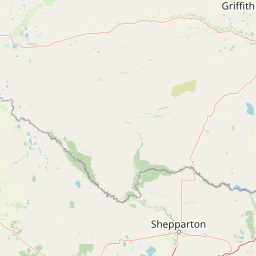
Oolambeyan National Park provides a distinctive semi-arid woodland experience in the heart of Australia's Riverina region. The park protects representative examples of inland woodland ecosystems, offering visitors the opportunity to observe native wildlife including kangaroos, reptiles, and diverse birdlife in their natural habitat. The contrast between the open plains and scattered woodland creates a landscape that is characteristically Australian and different from the wetter forests found in other parts of New South Wales. The park serves as an accessible nature destination for visitors travelling between or near the towns of Hay and Griffith, providing opportunities for bushwalking, picnicking, and bird watching in a protected natural environment.
Best time to visit Oolambeyan National Park
Oolambeyan National Park can be visited throughout the year, though the cooler months from autumn through to spring typically offer more comfortable conditions for outdoor activities. Summer in the Riverina region can bring high temperatures, making midday activities less pleasant and increasing the importance of sun protection and adequate hydration. Winter nights can be cold, but daytime temperatures are generally mild and pleasant for bushwalking. The spring season often brings wildflower displays in the woodland and grassland areas, while autumn offers comfortable temperatures and the opportunity to observe wildlife active in the cooler weather.