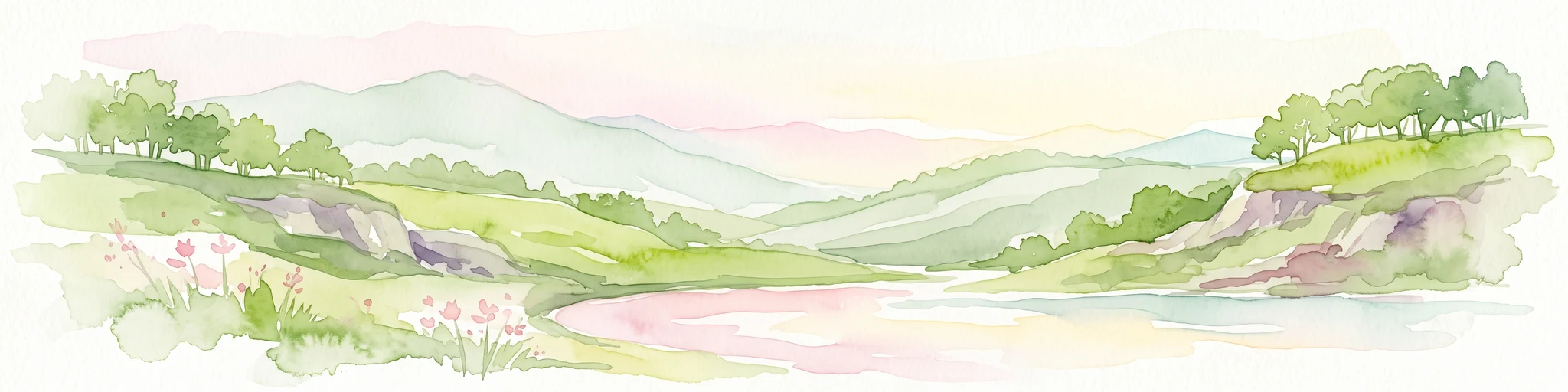
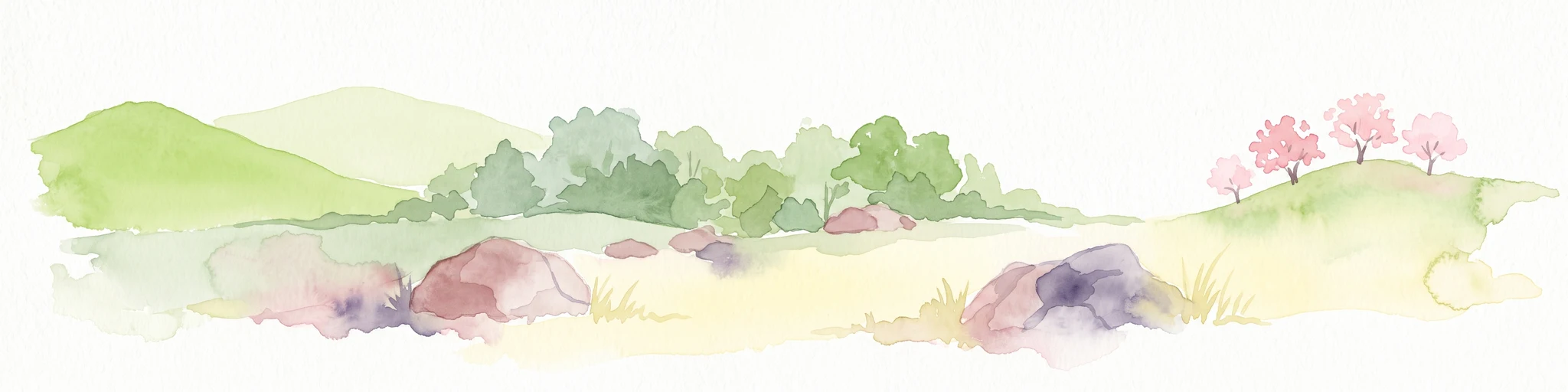
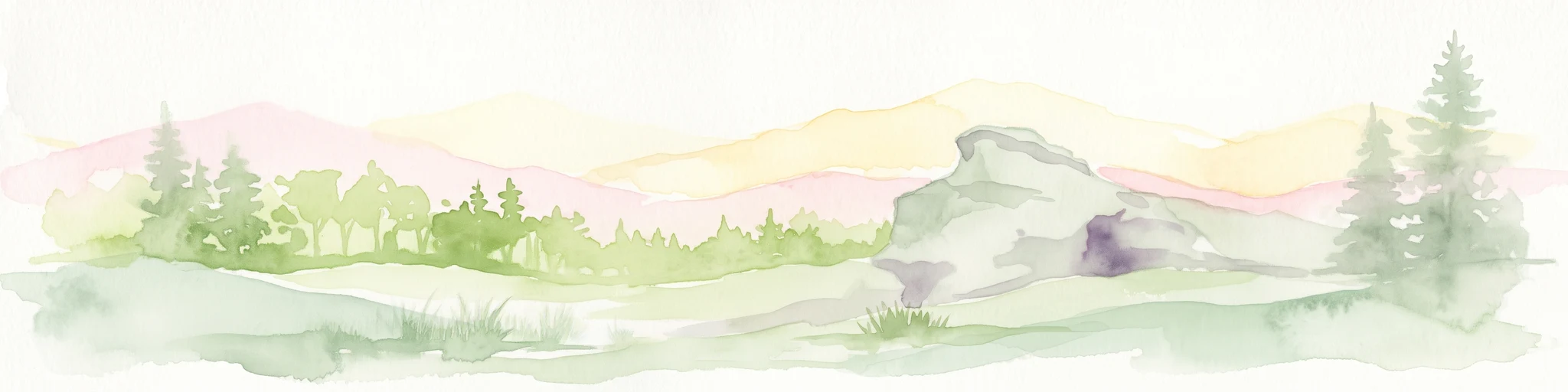
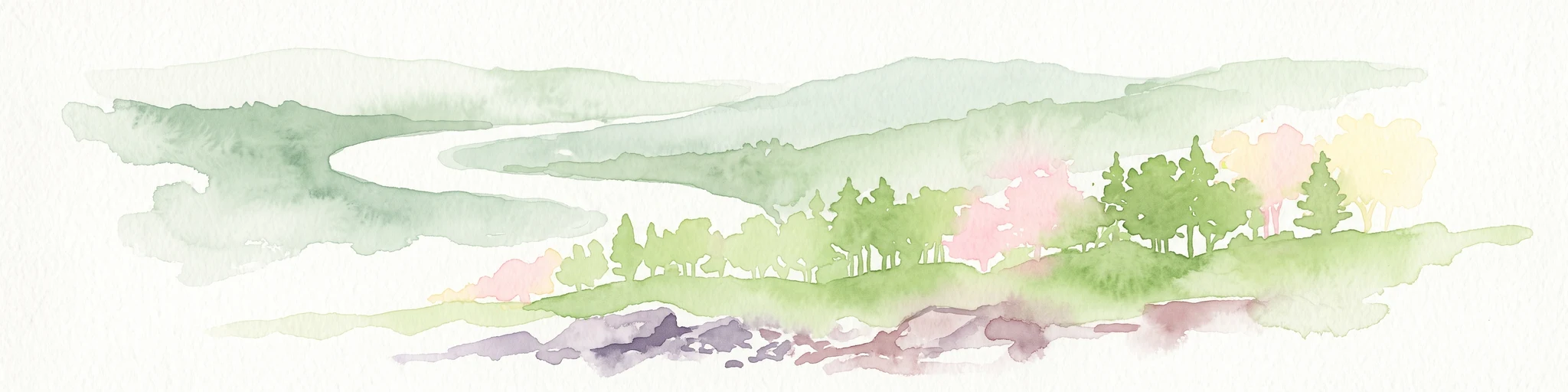
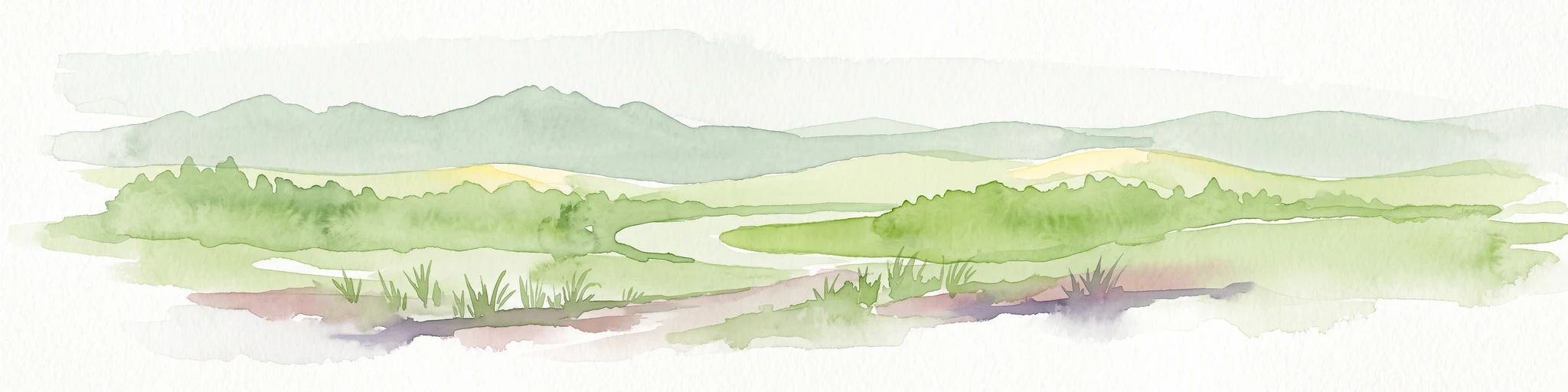
A river-carved canyon landscape in the western Czech countryside, blending rocky slopes, dry-loving flora, and historic quarrying heritage.
Horní Střela Nature Park
Horní Střela is a protected nature park in western Bohemia, in the Czech Republic, centered on the deep, meandering valley of the Střela River. It lies mainly in the Plzeň-sever district, with a southeastern extension into the Karlovy Vary district, and encompasses nearly ten thousand hectares of forested hills, rocky slopes, and small rural settlements. The park is best understood through its geological backbone of ancient slates and basalts, its river-cut canyon near Rabštejn nad Střelou, and a distinctive mix of thermophilous rock vegetation alongside more typical submontane forest communities.
Beyond its ecological character, the park also preserves significant cultural and industrial heritage. The same fine-grained slates that shape the hills were once quarried as roofing material and used on landmarks such as St. Vitus Cathedral in Prague and Karlštejn Castle. Today the area combines scenic hiking through one of Bohemia's quieter, less-developed river valleys with traces of historical quarrying, small-forest communities, and notable cultural monuments at its center.
Although it is not a high-profile national park in the wilderness sense, Horní Střela is a meaningful regional protected landscape. It brings together geology, river dynamics, dry grassland flora, and forest ecosystems in a compact, easily accessible setting, making it an interesting subject for nature-focused exploration in the Plzeň region.