
Why Reserva de Biosfera Estación Biológica del Beni stands out
The Estación Biológica del Beni is best known for its archipelago-like landscape, where islands and corridors of tropical forest survive within a wide matrix of seasonally flooded savannas and palm llanos of the Llanos de Moxos. This striking ecological mosaic has made the reserve one of the most important and best-studied sites in the Amazon basin for understanding the interplay between forests, grasslands, and wetlands in Neotropical lowlands. It is also valued as a refuge for emblematic Neotropical wildlife, including jaguar, harpy eagle, black caiman, and giant otter, while supporting some of Bolivia's richest bat and fish diversity. The reserve's long-running role as a biological station, combined with its indigenous Tsimane territory and UNESCO biosphere designation, gives it a distinctive identity as a place where conservation science, biodiversity, and traditional land use converge.
Reserva de Biosfera Estación Biológica del Beni history and protected-area timeline
The Estación Biológica del Beni was formally created on October 5, 1982, under Supreme Decree 19191, as part of Bolivia's growing system of national protected areas aimed at safeguarding the country's biodiversity, waters, and natural resources. From the start, its purpose combined the protection of flora, fauna, and the region's distinctive forest-savanna mosaic.
In 1987, the reserve gained international recognition when UNESCO's Man and the Biosphere Programme incorporated it into the World Network of Biosphere Reserves, opening the door to broader research partnerships, baseline inventories, and international scientific collaboration.
A major turning point came in the 1990s, when approximately 30% of the reserve's area was formally recognized as Tsimane indigenous territory. This recognition reshaped the reserve's management approach, raising the need for policies that respect indigenous livelihoods and integrate local communities into conservation and administration. In more recent years, the reserve has also achieved an Area of Importance for the Conservation of Bats (AICOM) certification, joining a select group of Bolivian protected areas recognized for their significance for bat conservation.
Reserva de Biosfera Estación Biológica del Beni landscape and geographic character
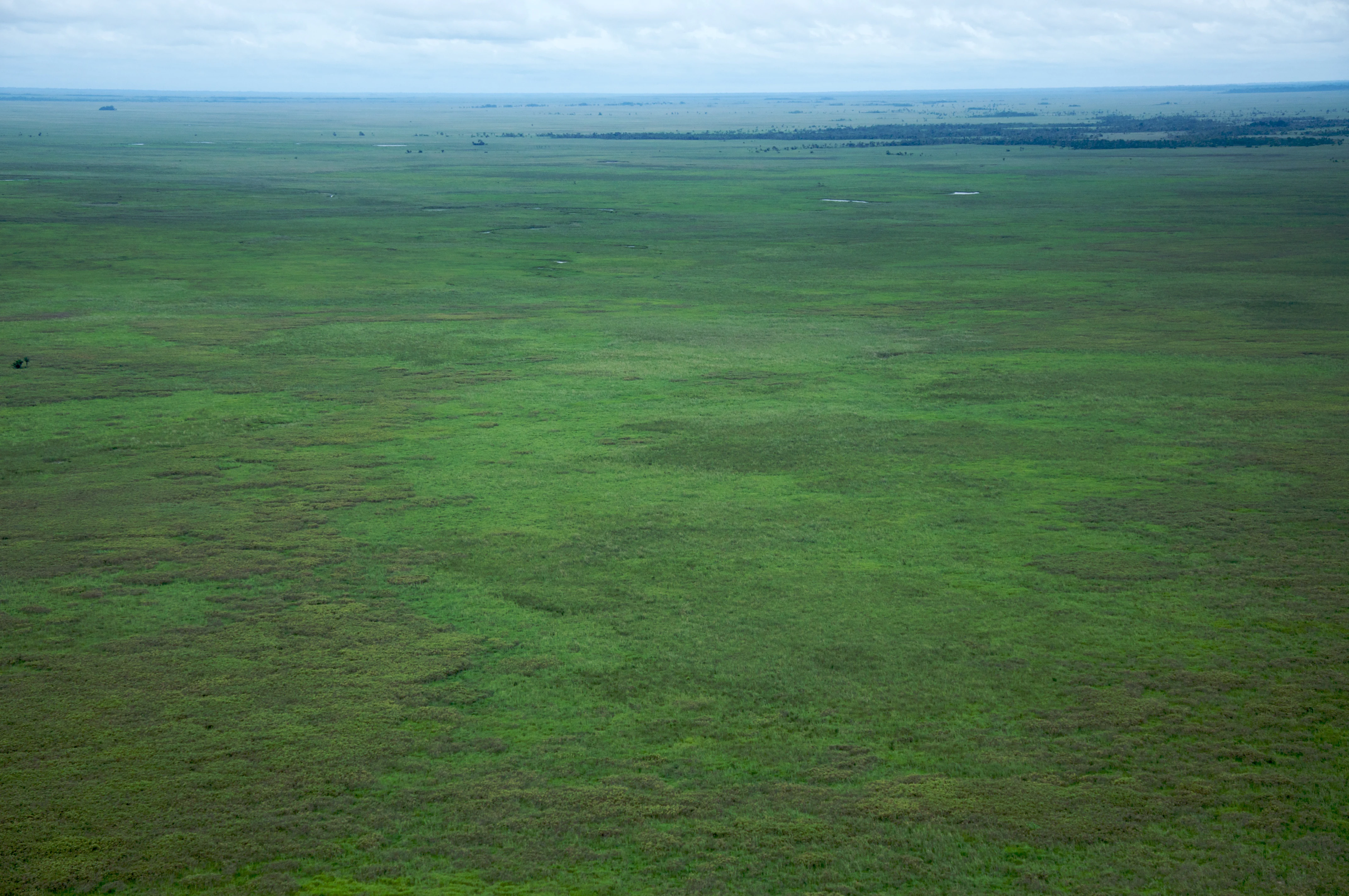
The landscape of the Estación Biológica del Beni is overwhelmingly flat and low-lying, part of the wide alluvial plains that define the Llanos de Moxos. Topographic relief is minimal, and elevations across the reserve typically sit around 220 meters above sea level. This subtle topography, combined with strong seasonal flooding, has produced a highly varied landscape mosaic rather than a uniform plain.
The most distinctive visual impression comes from the contrast between forest and savanna. Woodlands appear as islands, strips, and corridors of tall tropical forest embedded in an open matrix of seasonally flooded grasslands, palm-dominated llanos, and palustrine wetlands. Where flooding is permanent or prolonged, swamps of Cyperaceae and other aquatic vegetation dominate, and shallow lagoons dot the terrain.
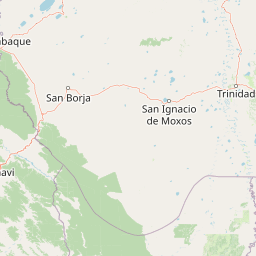
Hydrology is a defining element of this landscape. The Maniquí River traces part of the reserve's northwestern edge and links the local system to the broader Mamoré basin. Its flood pulses, together with seasonal rainfall, sculpt the wetlands, maintain connectivity between forest patches and savannas, and shape the cycles of water that drive the entire ecosystem.
Reserva de Biosfera Estación Biológica del Beni ecosystems, habitats, and plant life
Ecologically, the reserve is defined by a deeply interwoven mosaic of tropical forest, savanna, and wetland. The forests include both basal seasonally humid tierra firme forest and several types of flooded and swamp forests, each with distinct species compositions and structural characteristics. These woodlands form a network of patches and corridors rather than a continuous canopy, a pattern that strongly influences how species move, disperse, and interact across the landscape.
Surrounding and interspersed with the forests are seasonally flooded savannas, permanent marshes dominated by sedges of the family Cyperaceae, and shallow lagoons of variable size. Some of the lagoons have been shrinking in recent years, an ecological development that has raised concerns about hydrological change in the reserve. Palm communities, especially those dominated by species such as the pachiuva (Socratea exorrhiza), contribute to the structural diversity of both wet and transitional habitats.
Together, these habitats support a very high overall species richness. More than 800 higher plant species have been recorded, and estimates suggest that the flora may ultimately exceed 1,500 species, capturing the multiple biogeographic influences from the Amazon, the Chiquitania, and the savannas of the Beni Department.
Reserva de Biosfera Estación Biológica del Beni wildlife and species highlights
The Estación Biológica del Beni harbors one of the richest wildlife assemblages in Bolivia, reflecting the convergence of Amazonian forest species with open-country and wetland species typical of the Llanos de Moxos. Nearly 500 bird species have been identified, making the reserve one of the most important bird areas in the country.
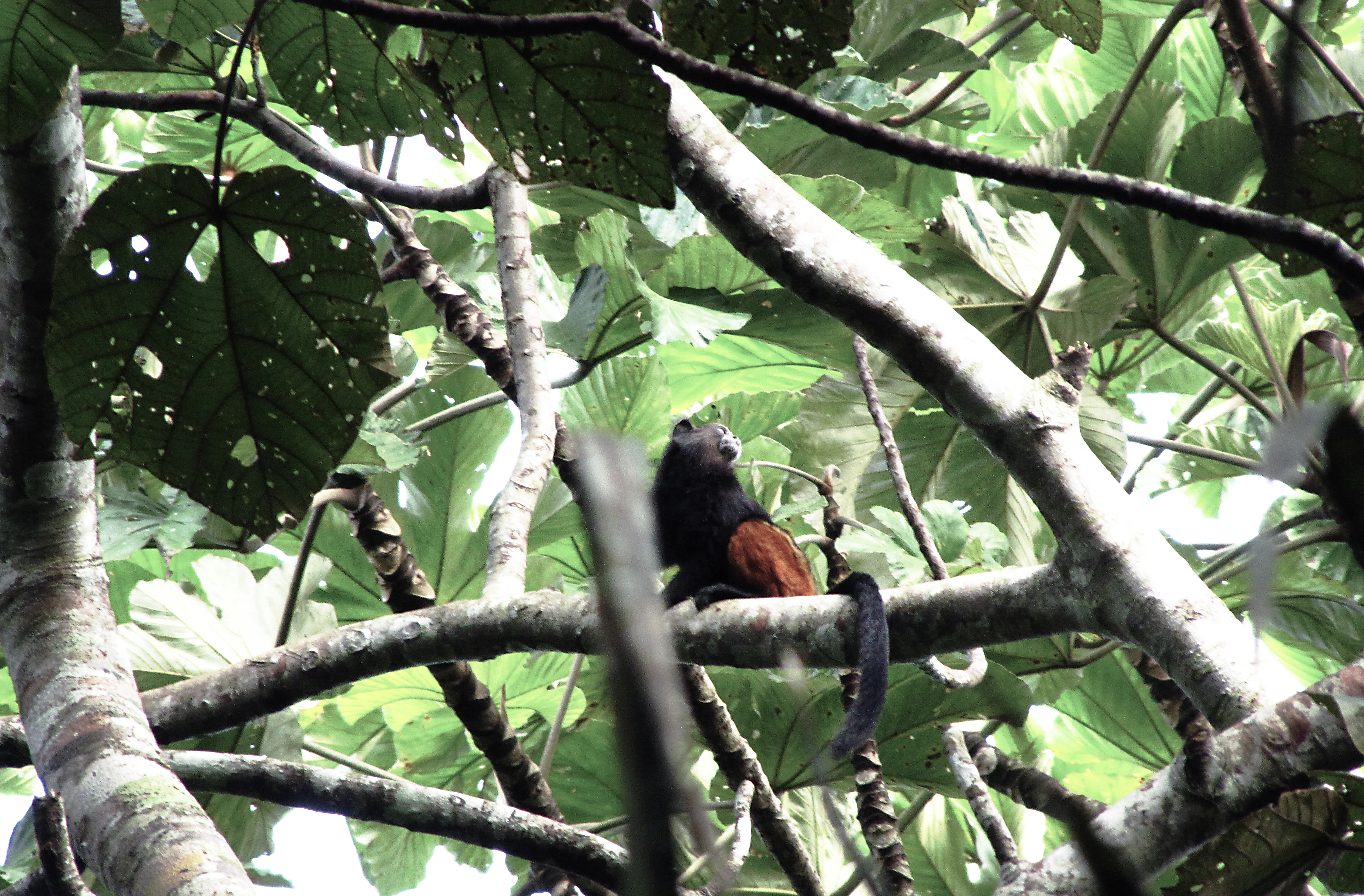
Mammals include jaguar, puma, ocelot, margay, jaguarundi, giant otter, giant anteater, tamandua, black howler monkey, spider monkey, capuchin monkeys, marsh deer, lowland tapir, white-lipped peccary, collared peccary, capybara, and the giant armadillo. Arboreal species dominate within the forest patches, while herbivores such as marsh deer, capybara, and maned wolf-like canids range widely across the savannas.
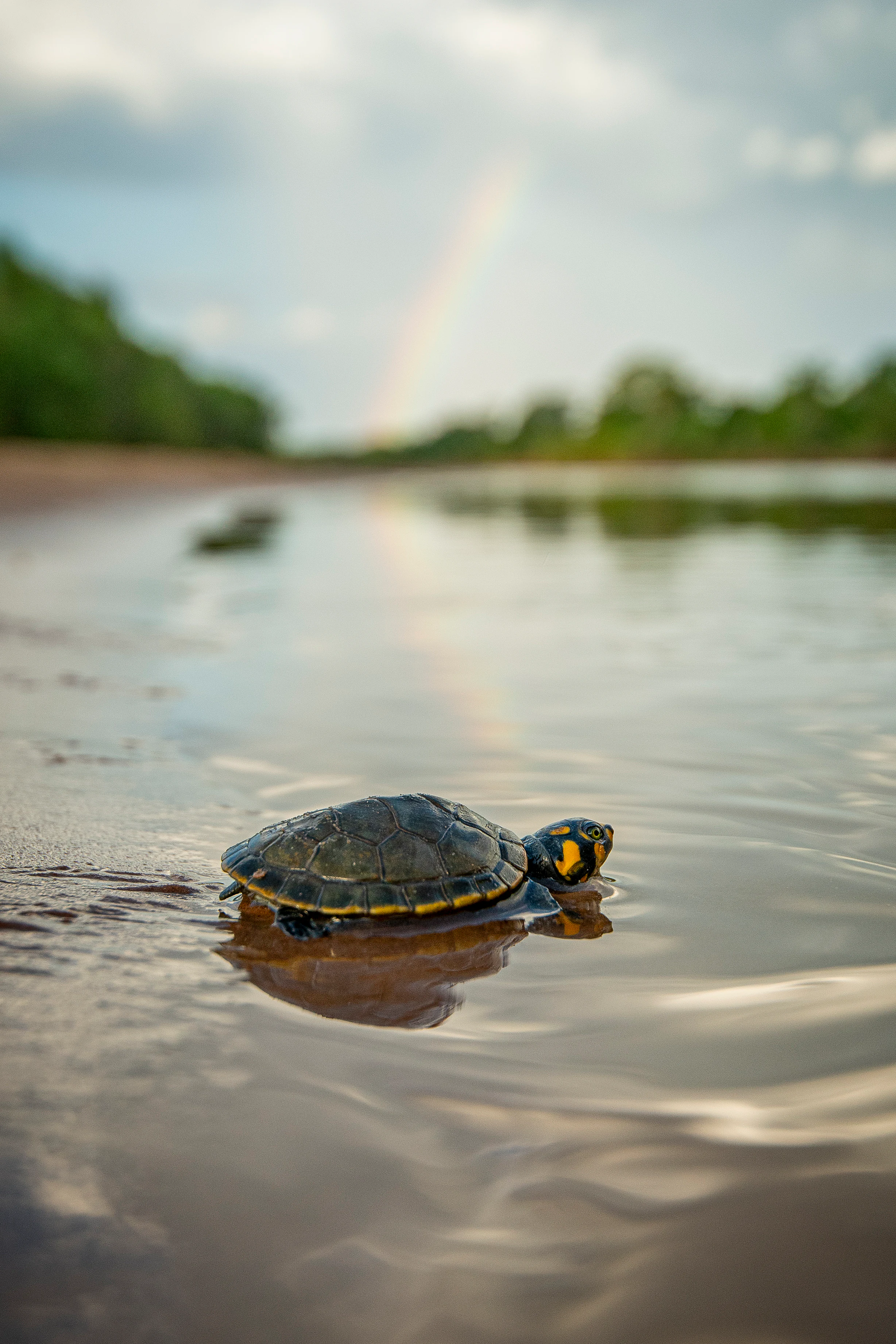
The reserve is also exceptionally valuable for bats, hosting roughly 43 of the 138 bat species known from Bolivia, a richness that earned the area an AICOM (Area of Importance for the Conservation of Bats) certification. Reptiles include the black caiman, the yacare caiman, two dwarf caimans of the genus Paleosuchus, turtles of the genera Podocnemis, Phrynops, and Geochelone, and various snakes. Aquatic biodiversity is equally impressive, with about 248 fish species documented, including endemic Rivulidae such as species of Pterolebias and Simpsonichthys.
Reserva de Biosfera Estación Biológica del Beni conservation status and protection priorities
The Estación Biológica del Beni holds a central place in Bolivia's conservation system, both as an IUCN Category IV habitat and species management area and as a long-standing UNESCO biosphere reserve. Its ecological value lies in the protection of a rare and ecologically meaningful mosaic where forest patches, savannas, and wetlands coexist and support exceptional biodiversity, including high concentrations of endemic and threatened species.
Conservation relevance in the reserve extends beyond species protection to the preservation of ecological processes. Seasonal flooding patterns, forest-savanna connectivity, bat populations, reptile nesting habitat, and fish migration in the Maniquí and Mamoré corridors all depend on the integrity of the overall landscape. The AICOM certification underscores the reserve's growing importance for bat conservation across Latin America.
At the same time, the area faces significant pressures. Subsistence hunting threatens vulnerable species, seasonal burning of savannas alters vegetation dynamics, illegal logging removes mature trees from forest islands, and poaching continues to affect turtles, caimans, and snakes. Road expansion and the construction of a bridge over the Maniquí River have accelerated agricultural frontier expansion in the southern part of the reserve, making long-term management planning and governance critical to its future.
Reserva de Biosfera Estación Biológica del Beni cultural meaning and human context
The cultural landscape of the Estación Biológica del Beni is closely shaped by the Tsimane (also called Chimane) people, who have inhabited the region's forests and rivers for centuries. Historically, Tsimane and Movima communities practiced agriculture, hunting, fishing, and gathering in the area that is now the reserve. Today, around 200 Tsimane families still live within the reserve, distributed along the Maniquí, Rapulo, Maniquí Viejo, Maniquicito, and Curiraba rivers, while small ranching estancias occupy other parts of the area.
Since the 1990s, recognition of Tsimane territory within the reserve has reframed conservation policy around the dual goals of biodiversity protection and indigenous cultural survival. A Management Committee established in 1999 brings together national and departmental government bodies, municipal governments, Tsimane organizations, ranchers, farmer communities, and academic institutions such as the Academia Nacional de Ciencias de Bolivia and the Universidad Técnica del Beni. Mestizo-campesino and indigenous communities around the reserve, including those displaced by land reform to localities such as Puerto Méndez, Galilea, Santa Elena, and San Antonio, are also integral to the surrounding socioeconomic landscape.
Top sights and standout views in Reserva de Biosfera Estación Biológica del Beni
The Estación Biológica del Beni stands out for its exceptional ecological mosaic, where forest islands and corridors exist within a wider matrix of seasonally flooded savannas and wetlands, creating one of the most distinctive landscapes of the Bolivian lowlands. The reserve hosts a remarkable concentration of Neotropical wildlife, including jaguar, harpy eagle, giant otter, black caiman, marsh deer, and one of Bolivia's most important bat populations.
It is also distinguished by its combination of long-term scientific study, UNESCO biosphere status, indigenous Tsimane territory, and integrated co-management through a multi-stakeholder committee. These layers of recognition and management have made the reserve both a globally significant conservation area and a key reference site for understanding the dynamics of forest-savanna landscapes in the Amazon basin.
Best time to visit Reserva de Biosfera Estación Biológica del Beni
The reserve lies in a tropical climate where temperatures remain warm year-round, and the visit experience is shaped primarily by the alternation between wet and dry seasons. Wet-season months bring heavy rains that flood savannas and forests, expand wetlands and lagoons, and concentrate wildlife along river corridors and remaining dry ground, offering dramatic landscapes and rich aquatic bird observation.
Dry-season months bring lower water levels, more open savannas, and easier access by road and along lagoon edges, making wildlife easier to observe across the open llanos. Visitors generally favor the dry season for broader terrestrial mammal and bird viewing, while those interested in flooded landscapes and aquatic species often find the wet season more rewarding.