Why Réserve naturelle régionale des Partias stands out
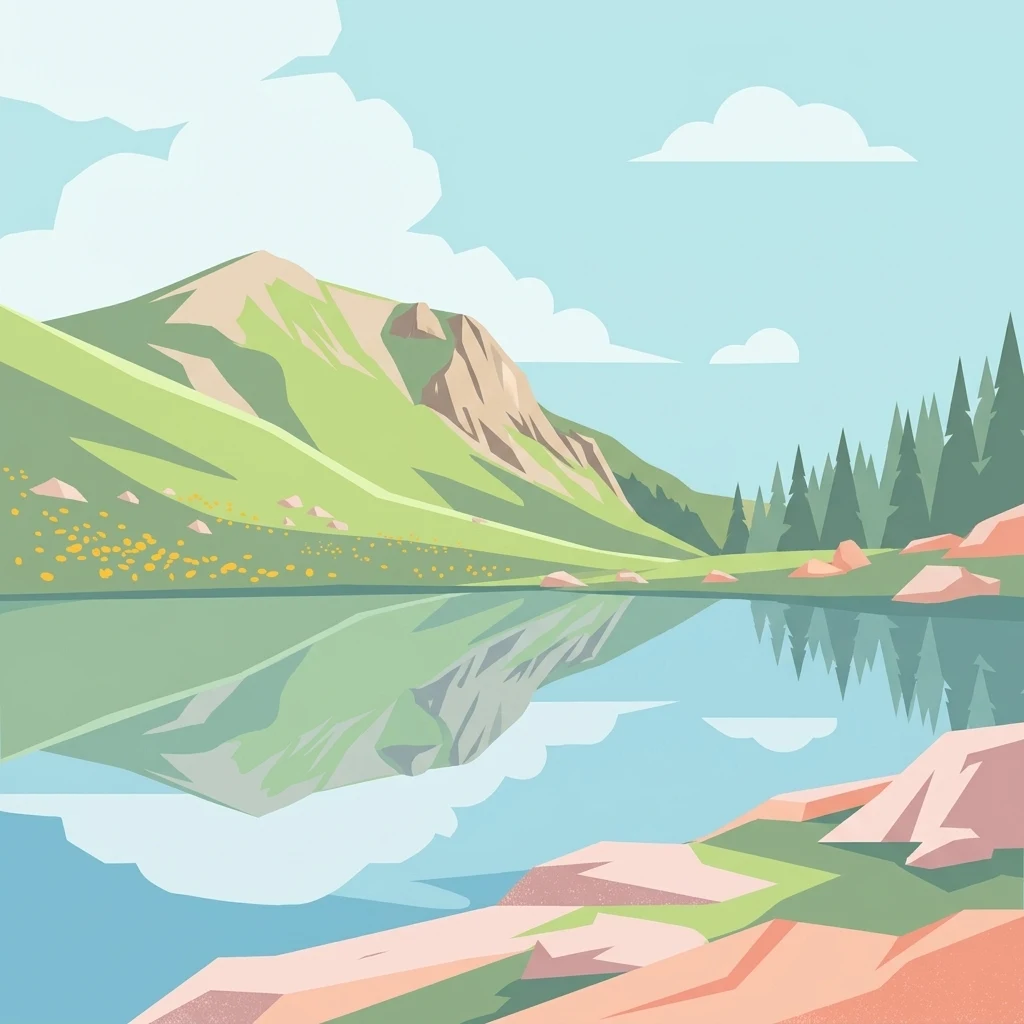
The reserve is best known for its high-altitude mosaic ecosystems, where alpine lakes, moist meadows, rocky outcrops and steep scree slopes combine to support a remarkable diversity of mountain plants and animals. It is especially recognized for its rich avifauna, including black grouse, ptarmigan and rock partridge, and for the traditional mountain fauna of chamois, marmots and stoats. The Lac des Partias, sitting in a protected basin, is a defining visual and ecological feature of the site.
Réserve naturelle régionale des Partias history and protected-area timeline
The natural value of the Vallon des Partias was first identified scientifically by the Institut national de la recherche agronomique in 1965. In 1974, local residents formed the Association des Amis des Combes to defend the area, marking the beginning of sustained civic action for its preservation.
The commune of Puy-Saint-André joined the effort in 1990, helping the site achieve classification as a voluntary nature reserve (réserve naturelle volontaire). This earlier status provided the foundation for a stronger formal protection when, on 30 October 2009, the territory was classified as a Réserve naturelle régionale. A new deliberation on 13 December 2019 expanded the reserve to its present area of 801.78 hectares. The first management plan for the reserve covered the period from 2011 to 2016, setting the framework for ongoing conservation work by the commune and the LPO PACA.
Réserve naturelle régionale des Partias landscape and geographic character
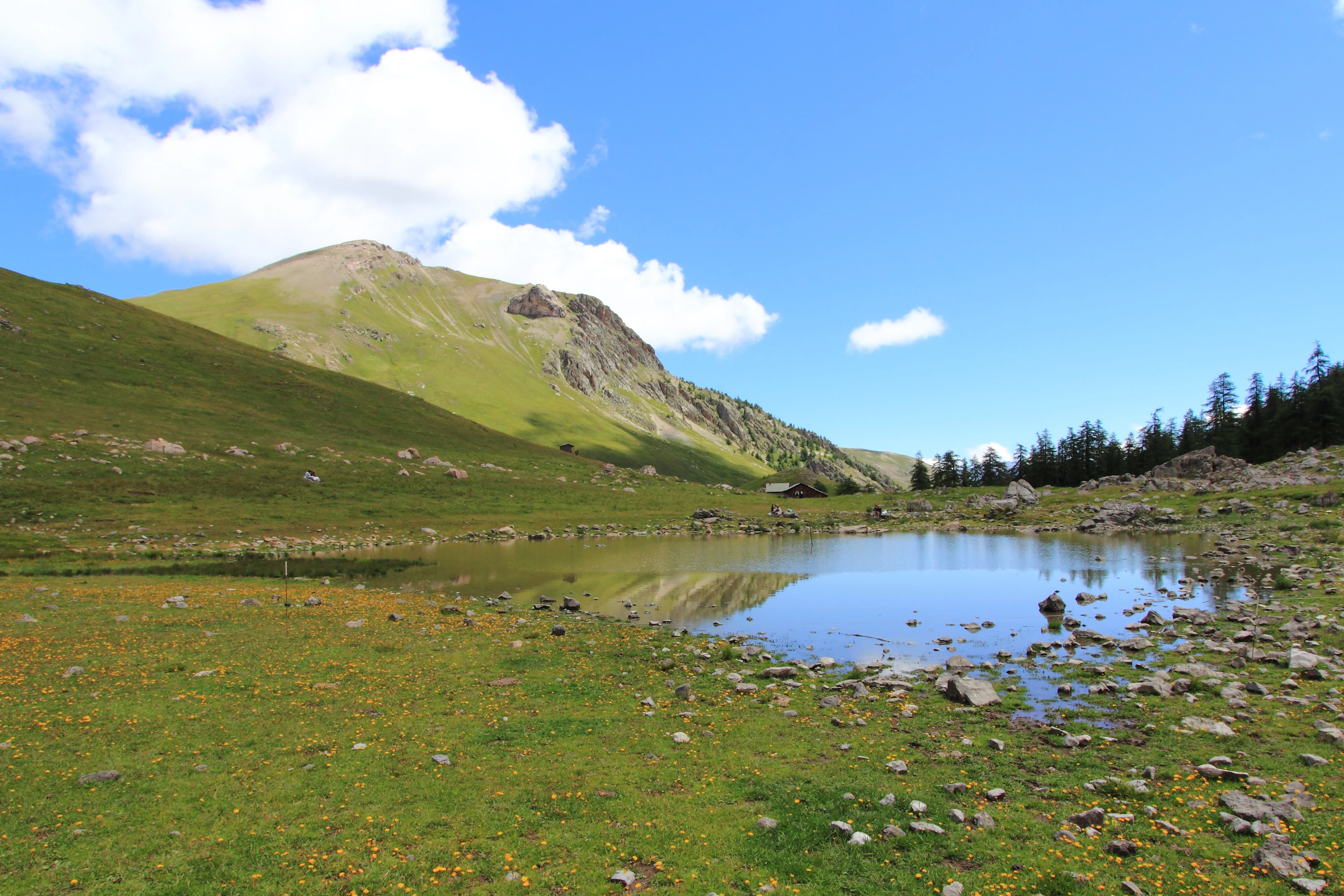
The reserve unfolds across a steep, sun-exposed alpine basin typical of the southern Alps. Elevations climb from around 1,600 meters in the lower basins to the rocky crest of the Cime de la Condamine at roughly 2,940 meters, producing a layered scenery of forested slopes, open meadows, and high bare rocky terrain. Glacial and post-glacial processes have left a varied surface of polished rock, loose scree, and damp depressions, while small streams feed the modest Lac des Partias, a small mountain lake set in a quiet cirque.
Above the lake, the terrain opens into wide alpine pastures and rocky plateaus, dissected by gullies and boulder fields. The geology of the site is unusually diverse for its size, contributing to sharp local contrasts between acidic and basic substrates and, with them, a patchwork of soil types and plant communities. Throughout the reserve, the dominant feel is one of high open space: long sightlines over bare ridges, quiet cirque lakes, and the sense of elevation typical of the Briançonnais.
Réserve naturelle régionale des Partias ecosystems, habitats, and plant life
The Partias reserve encompasses the full range of habitats associated with high-altitude southern Alps. Rocky outcrops, mobile scree slopes, wet meadows, small lake and stream margins, and dry alpine grasslands all occur within the perimeter. This habitat mosaic, combined with varied geology, creates the conditions for unusually rich plant communities in a relatively restricted area.
Wetland fragments, including the margins of the Lac des Partias and associated peat-influenced soils, support moisture-loving species such as the Arctic rush (Juncus arcticus) and dwarf club-rush (Scirpus nanus). Drier slopes and rocky areas carry classic high-alpine species including columbine, martagon lily, and edelweiss, while lower zones blend into subalpine meadows typical of the Briançonnais. Overall, the ecological character of the reserve is defined by the interplay between dry alpine substrates, moist basins, and the strong seasonality of a high-mountain climate.
Réserve naturelle régionale des Partias wildlife and species highlights
The reserve's birdlife is one of its principal conservation assets. More than 100 bird species have been recorded, mixing resident high-altitude specialists such as black grouse, rock ptarmigan, alpine rock partridge, and snowfinch with summer visitors like common house martins and the striking rock thrush. The combination of cliffs, meadows, and wet margins gives rise to a layered bird community in which specialists of open rock, alpine lawns, and aquatic edges all share the same airspace.
Among mammals, around 25 species have been documented. The reserve is home to classic alpine mammals such as chamois on the rocky slopes, alpine marmots in the meadows, and stoats hunting among the rocks and scree. Mountain hares (Lepus timidus) also find suitable habitat here, while two bat species, the western barbastelle and Savi's pipistrelle, have been recorded in the area.
Reptile presence is documented by populations of European green lizards taking advantage of sunny rocky exposures. Amphibians, though less emphasized in the source material, are likely associated with the wet margins of the lake and stream systems, complementing the broader picture of a reserve with a broad, balanced high-altitude fauna.
Réserve naturelle régionale des Partias conservation status and protection priorities
The Réserve naturelle régionale des Partias plays an important conservation role in a heavily visited alpine region. By protecting an altitudinal gradient from subalpine meadows up to almost 3,000 meters, the reserve preserves a continuum of habitats that would otherwise be vulnerable to ski-area expansion, grazing pressure, tourism development, and climate-driven change. Its formal IUCN Category IV status reflects its focus on the conservation of particular species or habitats through active management.
The involvement of the LPO PACA, a leading regional bird protection organization, underlines the ornithological priority of the site, particularly the safeguarding of grouse, ptarmigan, and rock partridge habitat. Joint management by the commune of Puy-Saint-André ensures that conservation actions are embedded in local land use, while the initial management plan (2011-2016) and the 2019 extension illustrate an active, evolving protection strategy for the area.
Réserve naturelle régionale des Partias cultural meaning and human context
The reserve lies in a territory with a long tradition of mountain pastoralism and tight-knit Alpine communities. Puy-Saint-André, the commune that administers the reserve together with the LPO, has historically shaped the landscape through traditional seasonal grazing, haymaking, and the maintenance of the trails that still link the valley to the high pastures. Local civic engagement has been central to the reserve's existence: the Association des Amis des Combes, founded in 1974 by local residents, played a foundational role in the long path from scientific recognition to formal protection.
Top sights and standout views in Réserve naturelle régionale des Partias
Crossing the reserve, visitors encounter a layered alpine landscape anchored by the Lac des Partias and crowned by the Cime de la Condamine. Trails from Serre Chevalier and Puy-Saint-André open access to a varied terrain where alpine lakes, wet meadows, scree slopes and rocky ridges converge within a single protected area. The reserve stands out for the richness of its birdlife and the presence of emblematic mountain mammals, managed jointly by a committed local commune and a regional bird protection organization.
Best time to visit Réserve naturelle régionale des Partias
The reserve is at its most accessible and biologically active during the snow-free alpine summer, when meadows are in flower and high-altitude bird species, including grouse and rock thrush, are actively breeding. Late spring and early summer favour blossoming alpine flora, with edelweiss, martagon lily and columbine in evidence; high summer offers the best conditions for reaching the higher ridges and the lake. Outside this window, deep snow, frozen ground, and elevated avalanche risk limit safe access, and the high-altitude fauna largely leaves or descends to lower ground.