Mori Atlas logo
National parkVanoise National Park

Explore mapped boundaries, glacial terrain, and iconic wildlife within this pioneering national park.

Vanoise National Park: France's Original Alpine Protected Landscape in Savoie

(Parc national de la Vanoise)

Vanoise National Park, established in 1963, represents France's inaugural national park, situated in the majestic Savoie region of the French Alps. This protected landscape encompasses a vast area of dramatic alpine terrain, characterized by over 100 peaks above 3,000 meters, glacial valleys, and significant Alpine ibex populations. As a foundational element of European mountain wilderness, Vanoise National Park offers a unique lens through which to study protected area geography, mapped natural features, and the conservation of iconic Alpine wildlife.

National ParkAlpsMountain WildernessAlpine IbexProtected AreaGlacial Landscape

Vanoise National Park

National park

Park overview

Structured park overview, official facts, and landscape profile for Vanoise National Park

Vanoise National Park park facts, protected area profile, and essential visitor context
Review the core facts for Vanoise National Park, including designation, size, terrain, visitor scale, habitats, and operating context in one park-focused overview.

About Vanoise National Park

Vanoise National Park stands as the benchmark of French environmental protection, established in 1963 to preserve what was then a critically endangered Alpine ecosystem. Located in the Savoie department of the French Alps, the park occupies a spectacular mountain environment between the Tarentaise and Maurienne valleys, centered on the Vanoise massif. The landscape is defined by towering granite peaks, extensive glaciers, U-shaped glacial valleys, and alpine meadows that support remarkable biodiversity. The park's creation was driven by the urgent need to protect the last remaining Alpine ibex in France, which had been nearly wiped out by hunting. The species found refuge in the remote southern slopes of the Vanoise massif in the Maurienne valley, where the rugged terrain provided protection. Following the successful model of Italy's Gran Paradiso, where ibex had been protected since 1823, France established its first national park to ensure the species' survival. Today, the park manages a core protected zone of 535 km² where hunting is prohibited, with an adhesion area for surrounding communities. The park's proximity to major ski resorts including Val-d'Isère, Tignes, and Courchevel presents ongoing challenges in balancing conservation with tourism development, a tension that has shaped the park's history and management.

Quick facts and research context for Vanoise National Park

Vanoise National Park lies in the Savoie department of the Auvergne-Rhône-Alpes region in southeastern France. Created on July 6, 1963, it was the first of France's national parks. The park features over 100 summits exceeding 3,000 meters in altitude and is centered on the Vanoise massif. It is bordered by major ski resorts including Val-d'Isère, Tignes, Les Arcs, and Courchevel. The park's core protected zone covers 535 km², with an adherence area comprising portions of two municipalities. The administrative center is managed by Parcs nationaux de France.

Park context

Deeper park guide and search-rich context for Vanoise National Park

Vanoise National Park history, landscape, wildlife, and travel context
Explore Vanoise National Park through its history, landscape character, ecosystems, wildlife, conservation priorities, cultural context, and seasonal travel timing in a structured park guide built for atlas discovery and search intent.

Why Vanoise National Park stands out

Vanoise is best known for its thriving population of Alpine ibex, the iconic mountain goat species whose dramatic recovery from near extinction in the Vanoise massif led directly to the park's creation. The bouquetin has become the park's unmistakable symbol and remains its most celebrated wildlife feature. Beyond the ibex, the park is distinguished by its extensive glacial landscapes, high-altitude biodiversity, and its role as France's pioneering national park. The dramatic terrain of over 100 peaks above 3,000 meters, combined with the park's ecological significance as a bridge to Italy's Gran Paradiso National Park, makes it a cornerstone of Alpine conservation.
Vanoise National Park history and protected-area timeline

Vanoise National Park emerged from decades of advocacy and ecological crisis in the mid-twentieth century. The Alpine ibex had been driven to the brink of extinction across the French Alps by the widespread adoption of firearms, surviving only in the most inaccessible portions of the Vanoise massif. In 1943, a natural reserve was created in Vanoise under the impetus of the French Alpine Club, the Touring Club de France, and local hunters, particularly physician and mountaineer Marcel Couturier, who advocated for protecting the remaining ibex so they could repopulate the French side from the Italian Gran Paradiso population. Meanwhile, Gilbert André, mayor of Bonneval-sur-Arc from 1956, championed the creation of a cultural park that would protect both wildlife and local traditions. These overlapping visions converged, and after years of deliberation regarding the park's boundaries and priorities, Vanoise became France's first national park on July 6, 1963, created by decree. A major controversy arose in 1968-1970 when the Super-Tignes development project proposed expanding ski infrastructure into the heart of the park, threatening the principle of inviolability of the core zone. After political mobilization and an ecological protest that reached the Council of State, the project was modified and the core zone protected. In 2013, most municipalities rejected a new charter, and only two of twenty-nine voted to adhere to the 2015 revised charter, reflecting ongoing tensions between conservation and local development interests.

Vanoise National Park landscape and geographic character

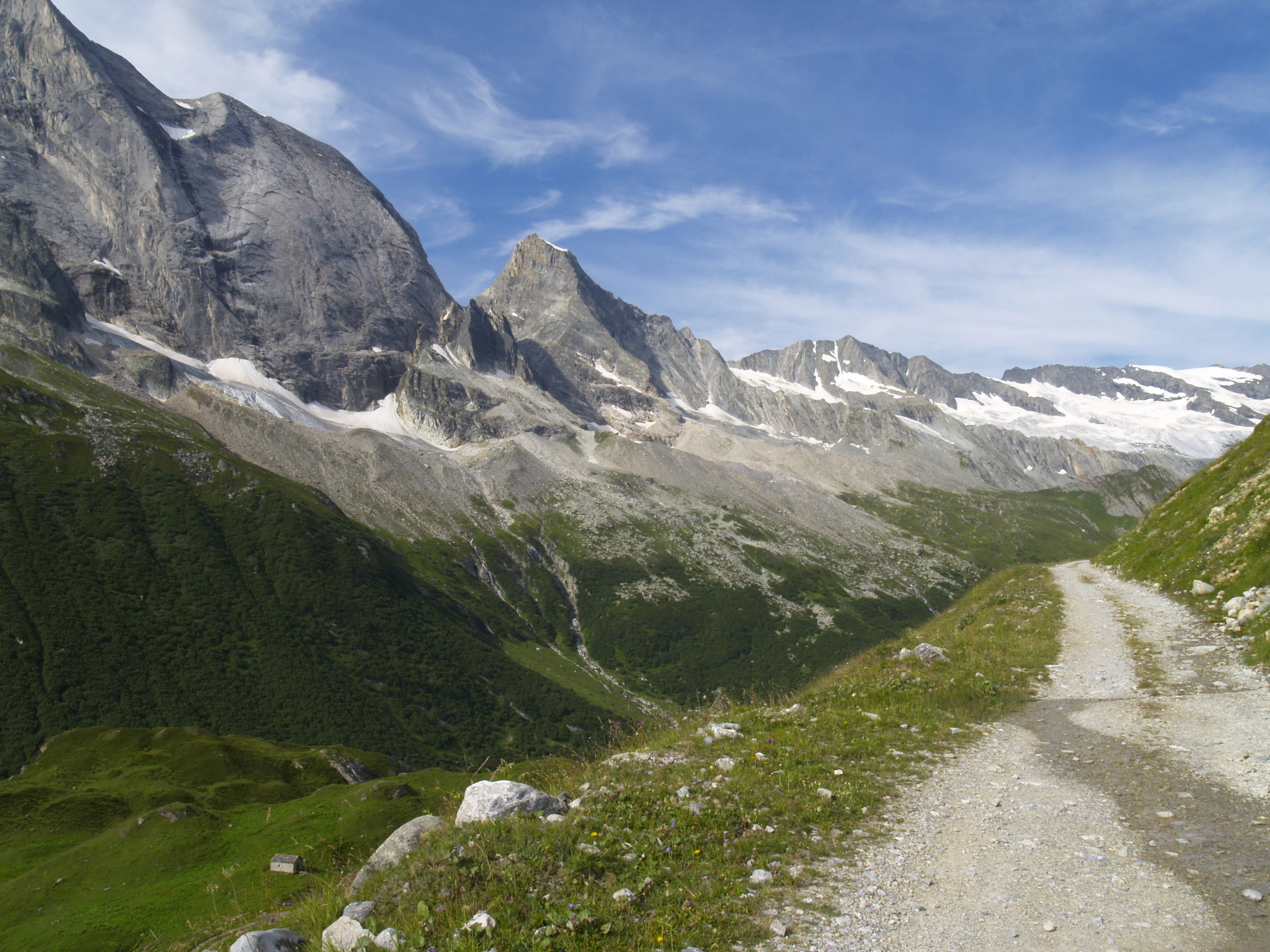
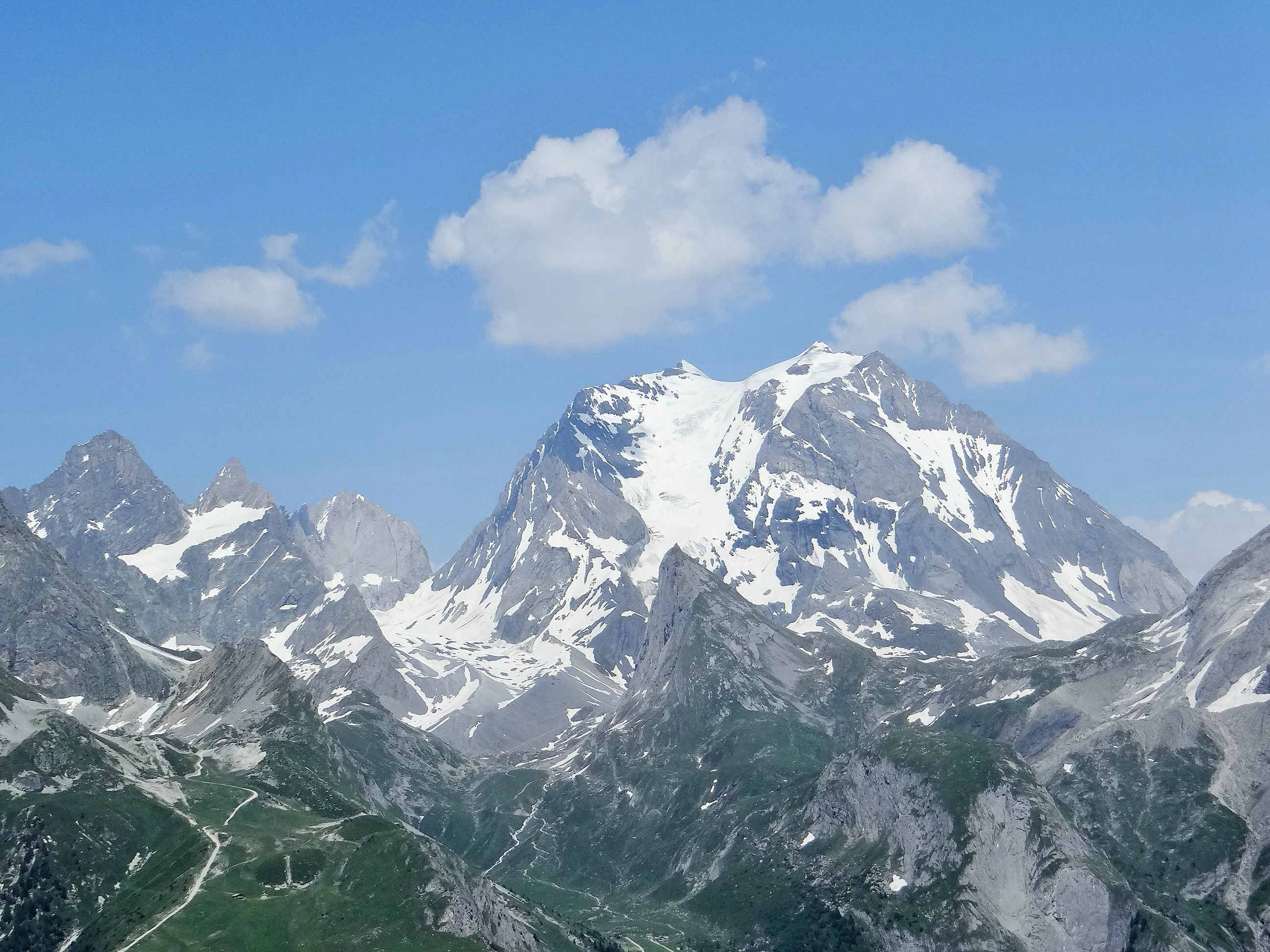
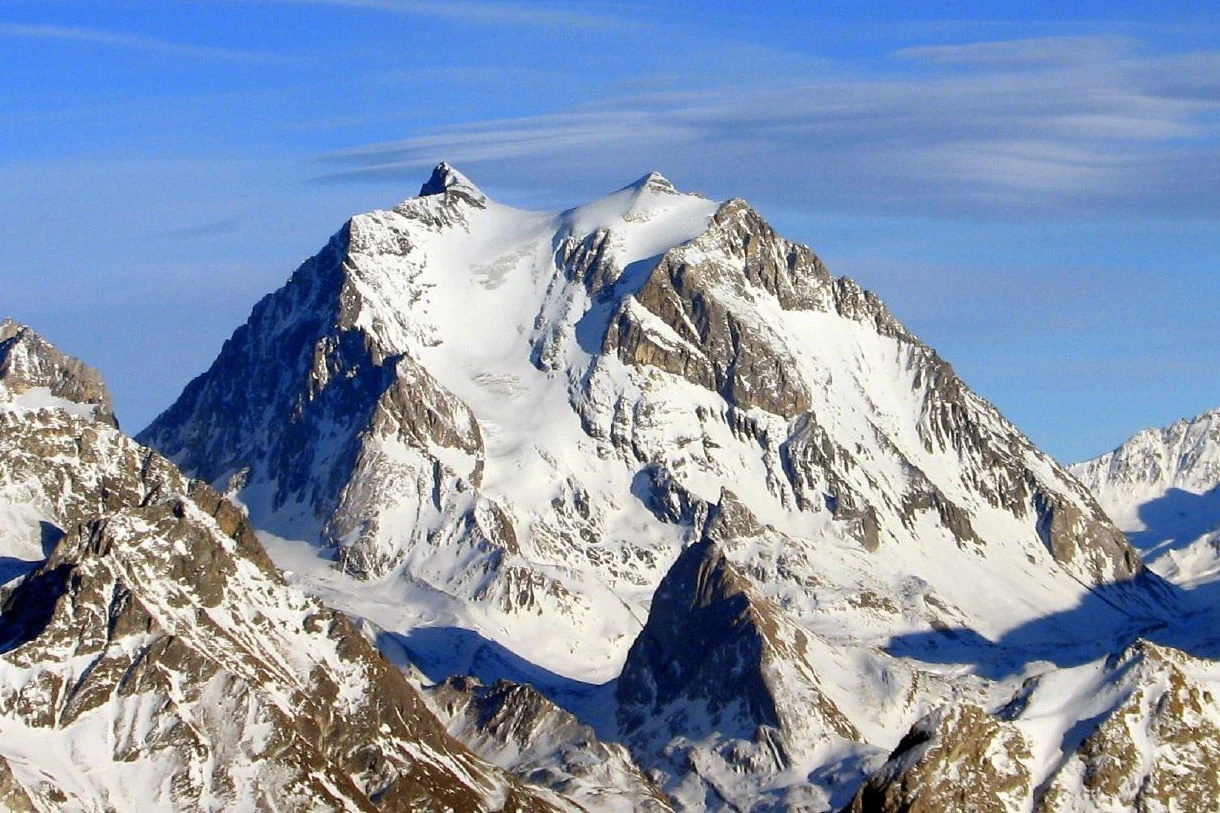
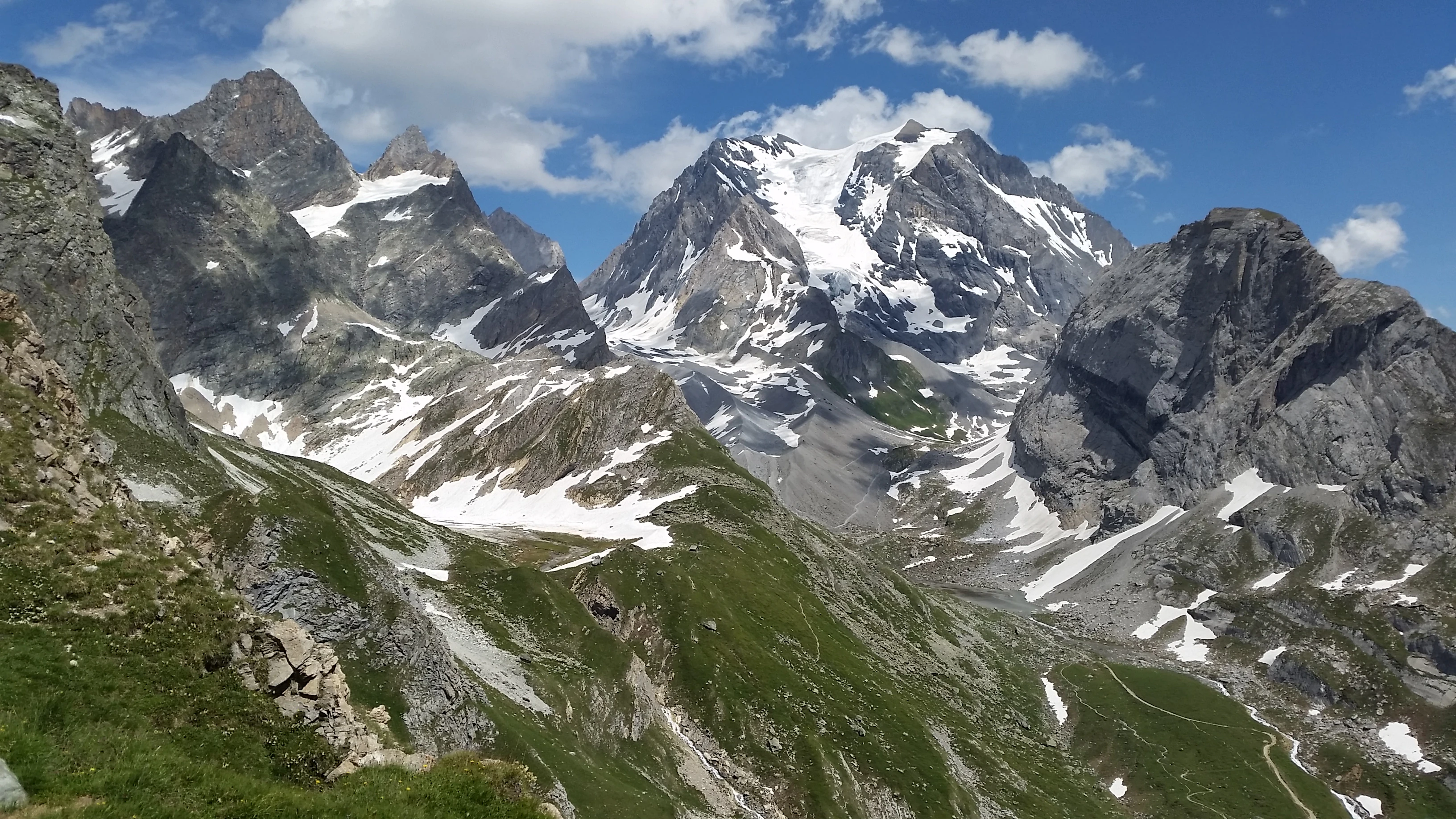
The Vanoise landscape is a dramatic showcase of Alpine geology and glacial morphology. The park encompasses over 100 peaks rising above 3,000 meters, with Grande Casse standing as the highest summit at 3,855 meters. Other notable summits include Mont Pourri (3,779 m), Dent Parrachée (3,695 m), and the Levanna Central (3,619 m). The terrain displays classic U-shaped glacial valleys carved by ancient ice sheets, today often filled with turquoise glacial lakes. The landscape is punctuated by extensive glaciers descending from the high peaks, including the Glacier de Chavière. Wide pastoral valleys offer relatively accessible routes to mountain passes, making the area popular for hikers. Rock formations are prominent throughout, with the Grand roc Noir area containing significant Bronze Age petroglyphs. The park straddles the boundary between the Vanoise massif to the west and the Graian Alps (Alpes grées) to the east, creating a diverse topographic character. L'Ecot, a traditional hamlet of Bonneval-sur-Arc located entirely within the protected core zone, exemplifies the human presence within this dramatic mountain environment.
Vanoise National Park ecosystems, habitats, and plant life

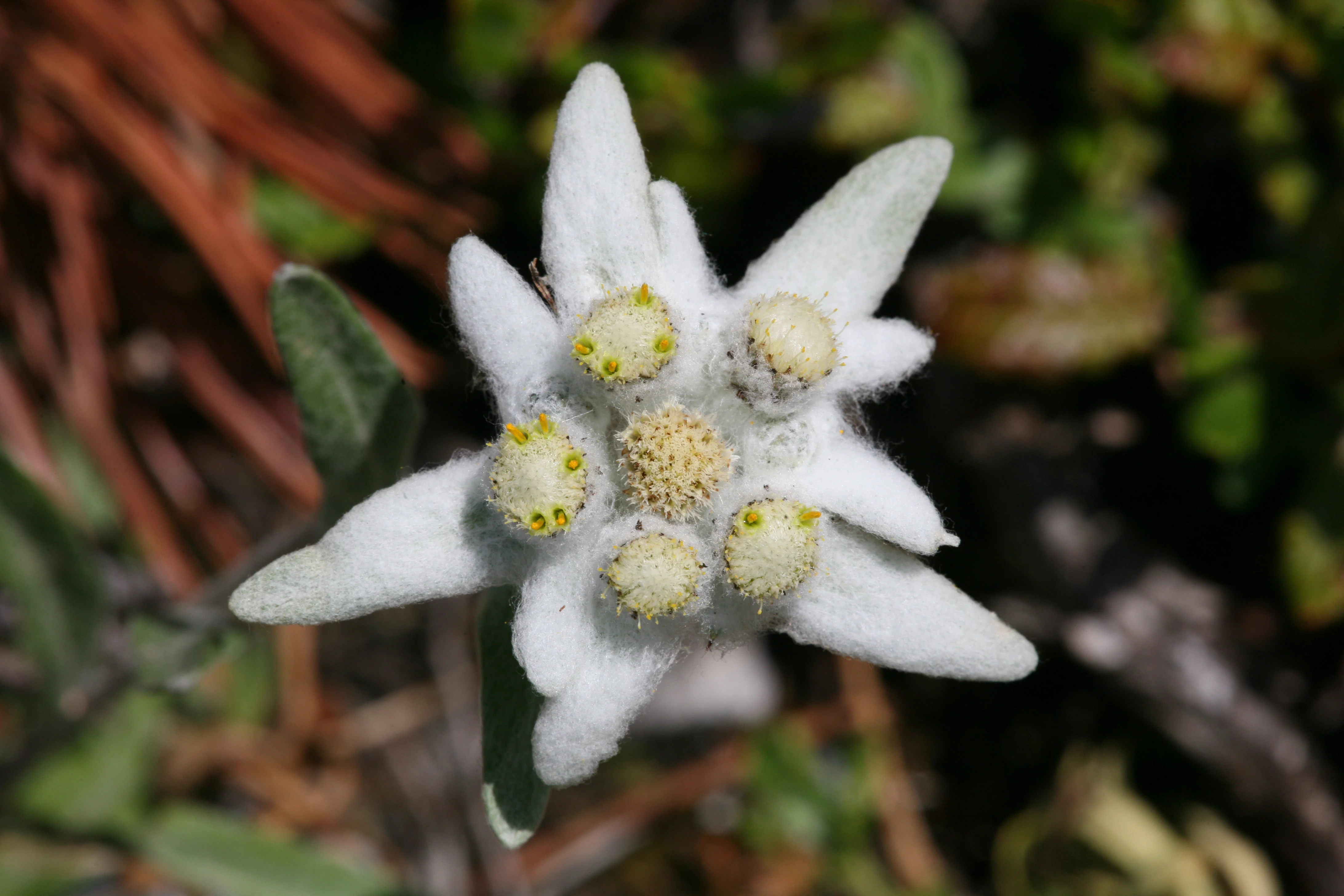
The Vanoise ecosystem represents a complete Alpine altitude sequence, from subalpine forests through alpine meadows to permanent snow and rock. The park's elevations support distinct vegetation zones: subalpine coniferous forests of Norway spruce, European larch, and Swiss pine give way to alpine meadows characterized by grasses and showy wildflowers at lower elevations, transitioning to sparse vegetation and rock as elevation increases. The park's flora includes numerous protected species such as edelweiss, various gentians, Alpine aster, and the distinctiveGénépi. The diversity of habitats—from cliff faces and rockfall areas to wetlands, meadows, and forest corridors—supports the park's ecological richness. The close connection with Italy's Gran Paradiso National Park creates a transboundary ecosystem of over 1,250 km², the largest protected Alpine area in Western Europe, allowing for wildlife movement and genetic exchange that strengthens conservation outcomes.
Vanoise National Park wildlife and species highlights

Vanoise National Park supports one of the most significant Alpine wildlife populations in Europe, headlined by its successful ibex conservation story. Thepark's emblem, the Alpine ibex, now numbers approximately 2,100 individuals after being rescued from near extinction. The alpine chamois, with a population around 6,000, is similarly well-established and commonly observed in the park, spending summers above the tree line and descending in winter to graze below the snow line. Alpine marmots are ubiquitous throughout the park, their distinctive calls echoing across meadows. The park also supports predators including wolf and Eurasian lynx, though these species are more elusive. Over 100 bird species have been recorded, with birds of prey particularly prominent: the bearded vulture, golden eagle, and Eurasian eagle-owl nest in the park's cliffs. Other characteristic birds include black woodpeckers, rock ptarmigans, Alpine accentors, nutcrackers, choughs, black grouse, and the striking wallcreeper that inhabits steep rock faces. Reptiles and amphibians include the Aesculapian snake, smooth snake, common frog, viviparous lizard, and Alpine newt. Brown bear, once present, disappeared from the French Alps in the 1930s.
Vanoise National Park conservation status and protection priorities

Vanoise National Park represents both the achievements and ongoing challenges of Alpine conservation. Its creation in 1963 established the model for French national parks, demonstrating that rigorous protection of core zones could enable species recovery. The successful restoration of the Alpine ibex population stands as a landmark conservation achievement, proving that targeted protection can reverse decline even for species nearly driven to local extinction. The park's transboundary connection with Italy's Gran Paradiso creates a coherent Alpine conservation landscape that facilitates wildlife movement and genetic exchange. The park was placed on France's tentative list for World Heritage status in 2000, recognizing its outstanding universal value. However, the park faces ongoing pressures from surrounding ski resort development, and the 2013-2015 charter controversy revealed significant tensions between conservation priorities and local economic interests, with most surrounding municipalities choosing not to adhere to the park's charter. The management must balance the inviolability of the core zone with the needs of communities in the surrounding area.

Vanoise National Park cultural meaning and human context

The Vanoise region has been inhabited for millennia, with evidence of human presence dating to the Bronze Age through the extensive rock art found at sites like Grand roc Noir near Termignon. These petroglyphs depicting狩猎 scenes and animal figures represent important archaeological heritage within the park. Traditional alpine villages such as Bonneval-sur-Arc, with its hamlet of L'Ecot entirely within the park, reflect centuries of pastoral activity and mountain living. The local economy has historically centered on agriculture, particularly dairy farming that produces renowned cheeses like Beaufort. The creation of the park involved complex negotiations about the relationship between protection and human communities, with figures like Gilbert André advocating for a model that would respect local traditions and populations rather than simply excluding them. The park's governance includes representation from local municipalities, though tensions over conservation versus development priorities have shaped its recent history.
Top sights and standout views in Vanoise National Park

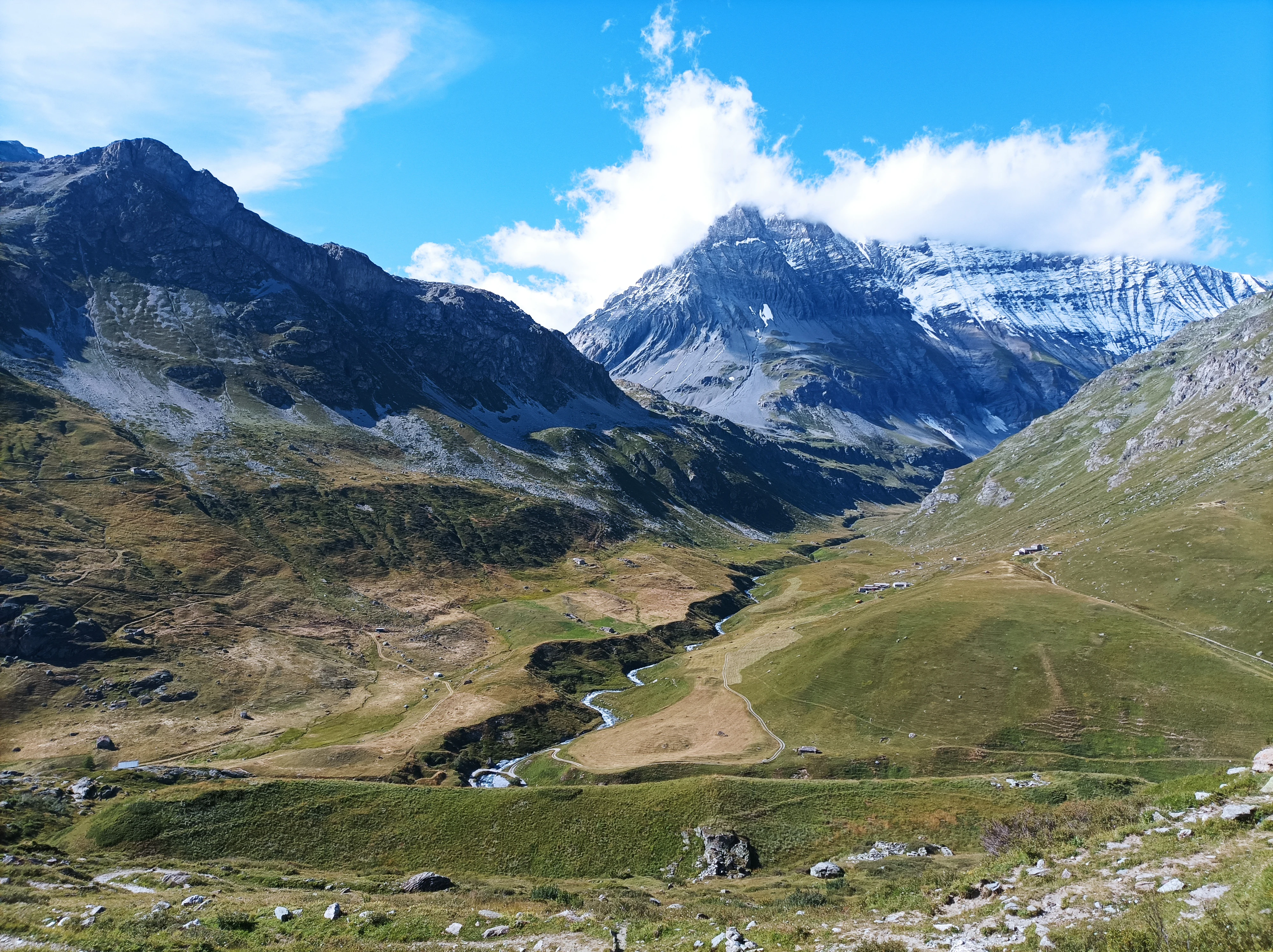
Vanoise offers exceptional Alpine wilderness with over 500 km² of protected terrain and more than 100 peaks exceeding 3,000 meters. The park is home to approximately 2,100 Alpine ibex, the emblematic species that drove the park's creation and remains its signature wildlife attraction. Over 6,000 chamois inhabit the area alongside wolves, lynx, and more than 100 bird species including golden eagles and bearded vultures. The transboundary connection with Italy's Gran Paradiso creates a 1,250 km² conservation area, the largest in Western Europe. Extensive hiking opportunities including the GR5, GR55, and Tour des Glaciers de la Vanoise traverse the park, with mountain refuges enabling multi-day treks. The park contains significant Bronze Age rock art at the Grand roc Noir site. The landscape features dramatic peaks like Grande Casse, glacial valleys, and numerous high-altitude lakes.
Best time to visit Vanoise National Park

The summer months from June through September offer the most comprehensive access to Vanoise National Park, with warm temperatures in the valleys and conditions suitable for high-altitude hiking. July and August provide the best weather for experiencing the full diversity of the park's landscapes, from alpine meadows in full flower to glacial viewpoints. Autumn brings fewer crowds and exceptional autumn color in the subalpine forests, though weather becomes less predictable. Winter access is limited, and the park's core zone is managed to protect wildlife such as black grouse during the sensitive winter period. Spring conditions can be changeable as snow melts and the high country opens. The best time for wildlife viewing coincides with summer, when ibex and chamois graze in the high meadows above the tree line and are most readily observable against the backdrop of snow-free terrain.
Park location guide

Geography guide, regional context, and park location map for Vanoise National Park

Vanoise National Park park geography, regions, and map view in France
Understand where Vanoise National Park sits in France through a broader geographic reading of the surrounding landscape, nearby location context, and its mapped position within the national park landscape.

How Vanoise National Park fits into France

France is a unitary semi-presidential republic and one of the world's largest economies. It borders Belgium, Luxembourg, Germany, Switzerland, Italy, Monaco, Andorra, and Spain, with a maritime border to the United Kingdom. The country is known for its cultural influence, art, cuisine, and political history spanning centuries.

Wider geography shaping Vanoise National Park in France

France is located in Western Europe. Metropolitan France extends from the Rhine to the Atlantic Ocean and from the Mediterranean Sea to the English Channel and North Sea. The country borders Belgium, Luxembourg, Germany, Switzerland, Italy, Monaco, Andorra, Spain, and has a maritime border with the United Kingdom.

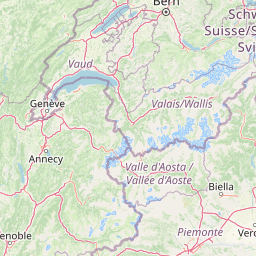
Map view of Vanoise National Park

Use this park location map to pinpoint Vanoise National Park in France, understand its exact geographic position, and read its mapped placement within the surrounding landscape more clearly.

Pigeon | © OpenStreetMap contributors

Location context for Vanoise National Park

Savoie
Park atlas

Browse surrounding Alpine protected landscapes, comparing adjacent mountain wilderness areas in France and Italy.

Explore Other National Parks and Protected Areas Near Vanoise National Park
Continue your exploration from Vanoise National Park by discovering other protected areas and national parks across the French Alps and neighboring regions. Compare diverse mountain terrains, glacial landscapes, and high-altitude wildlife conservation efforts to understand broader Alpine geography.
Watercolor illustration depicting green valleys, forests, and distant mountain peaks
National park

Gran Paradiso National Park: Italy's National Park Protected Landscape Atlas

Mapped boundaries and regional geography for a key Italian protected area.

Gran Paradiso National Park is a distinct national park entity within Italy, offering rich potential for atlas-driven geographic discovery. This MoriAtlas profile focuses on its protected landscape identity, providing essential context for understanding its mapped boundaries and its role within the regional geography of Italy. Explore the structured geographic details that make Gran Paradiso National Park a valuable component of any mapped landscape analysis.

Area
703 km²
Established
1922
IUCN
II
Relief
Mountain
National park

Écrins National Park: Alpine Glaciated Terrain and Protected Landscape Details

Mapped boundaries and regional geography of a major French National Park.

Delve into Écrins National Park, a defining national park within the French Alps. This page provides a comprehensive overview of its protected landscape, focusing on its dramatic glaciated terrain, significant peaks such as the Barre des Écrins, and its position within the regional geographic context. Explore the mapped extent and understand the unique alpine environment of this protected area.

Area
925 km²
Established
1973
IUCN
II
Watercolor illustration of a mountainous landscape featuring a river, rolling hills, and green vegetation
National park

Mercantour National Park: Mapped Alpine Protected Landscape and Regional Geography

Explore France's dramatic Alps, park boundaries, and unique ecotones.

Mercantour National Park stands as a premier protected area within the French Alps, distinguished by its remarkable geographic diversity and ecological significance. This national park encompasses mountainous terrain featuring dramatic peaks, deep glacial valleys, and a unique ecotone where Mediterranean and Alpine ecosystems converge. MoriAtlas facilitates a detailed atlas-style exploration of Mercantour National Park, highlighting its mapped protected boundaries, varied natural landscapes, and its pivotal role in regional geography and conservation efforts.

Area
679 km²
Established
1979
IUCN
II
Visitors
800K annual
Watercolor illustration showing green mountains, forests, a river, and snow-capped peaks in the distance
National parkPiedmont

Val Grande National Park: National Park Protected Landscape in Piedmont

Explore its mapped boundaries and regional geographic context.

Val Grande National Park represents a key protected landscape within the Piedmont region of northwest Italy. This canonical page offers detailed insights into the park's designated status as a national park, its specific geographic placement, and its mapped protected boundaries. Users can navigate its atlas-level details to understand its role in the regional geography and conservation landscape, providing a structured foundation for further discovery of Italy's natural protected areas.

Area
170.21 km²
Established
1992
IUCN
II
Relief
Mountain
National parkLiguria

Cinque Terre National Park: Protected Area Geography and Mapped Landscape

Explore its regional context in Liguria, Italy.

Examine Cinque Terre National Park as a key protected area within the rugged geography of Italy's Liguria region. This dedicated atlas entry provides essential geographic context, detailing the park's mapped boundaries and its significance as a national park. Understand how this protected landscape fits within the broader regional terrain, offering a structured view for geographic discovery and map-based exploration of Italy's protected areas.

Area
22 km²
Established
1999
IUCN
V
Relief
Mountain
National parkBouches-du-Rhône

Calanques National Park: Mediterranean Limestone Cliffs and Marine Protected Area

France's First Peri-Urban National Park

Calanques National Park, situated in the Bouches-du-Rhône department, represents a significant protected landscape where dramatic limestone geology meets the Mediterranean Sea. This atlas-focused entry details the park's iconic calanques, its combined terrestrial and marine protected zones, and its rich prehistoric cultural significance. Understand its unique geographic setting and its importance as a conservation area accessible for map-based discovery and regional landscape context.

Area
520 km²
Established
2012
IUCN
II
Relief
Mountain
Watercolor painting of a landscape with trees, hills, and a body of water
National park

Port-Cros National Park: French Mediterranean Island National Park & Marine Sanctuary

Discover mapped protected land and unique Mediterranean ecosystems.

Port-Cros National Park offers a glimpse into a pioneering model of integrated terrestrial and marine conservation within the Mediterranean. This park protects a distinctive island geography marked by rugged terrain, endemic species, and vital underwater habitats, including crucial posidonia meadows and rich marine life. Through MoriAtlas, explore the mapped boundaries and ecological significance of Port-Cros, understanding its role as a vital protected landscape in the European atlas.

Area
46 km²
Established
1963
IUCN
II
Visitors
1M annual
Watercolor illustration of green fields, a river, and mountains under a soft pink and yellow sky
National parkOccitanie

Cévennes National Park: Explore its Mapped Terrain and Protected Landscape in Occitanie

Discover the unique geographic context and park boundaries.

Cévennes National Park, situated in Occitanie, France, offers a rich exploration of mid-mountain Mediterranean geography. As a protected landscape, its mapped terrain features dramatic limestone plateaus, deep river gorges, and distinct granite massifs. This entry provides essential geographic context for Cévennes National Park, highlighting its unique natural features and its significance as a protected area within the broader regional atlas.

Area
937 km²
Established
1970
IUCN
V
Visitors
800K annual

Common questions about visiting, size, designation, and location context for Vanoise National Park

Vanoise National Park FAQs for park facts, access, geography, and protected area context
Find quick answers about Vanoise National Park, including protected-area facts, park geography, trail and visitor context, and how the park fits into its surrounding country and regional landscape.
MoriAtlas Explorer

Continue Your Protected Areas Search Across the Global Atlas

Deepen your exploration by continuing the structured search for national parks and protected areas worldwide. Utilize the comprehensive filtering capabilities to compare different conservation landscapes and refine your understanding of global park geography. Discover more about the distribution and characteristics of protected natural areas.

Global natural geography