Why Vanoise National Park stands out
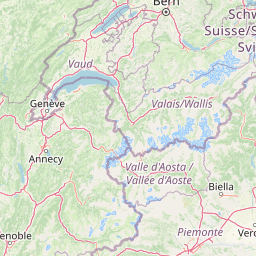
Vanoise is best known for its thriving population of Alpine ibex, the iconic mountain goat species whose dramatic recovery from near extinction in the Vanoise massif led directly to the park's creation. The bouquetin has become the park's unmistakable symbol and remains its most celebrated wildlife feature. Beyond the ibex, the park is distinguished by its extensive glacial landscapes, high-altitude biodiversity, and its role as France's pioneering national park. The dramatic terrain of over 100 peaks above 3,000 meters, combined with the park's ecological significance as a bridge to Italy's Gran Paradiso National Park, makes it a cornerstone of Alpine conservation.
Vanoise National Park history and protected-area timeline
Vanoise National Park emerged from decades of advocacy and ecological crisis in the mid-twentieth century. The Alpine ibex had been driven to the brink of extinction across the French Alps by the widespread adoption of firearms, surviving only in the most inaccessible portions of the Vanoise massif. In 1943, a natural reserve was created in Vanoise under the impetus of the French Alpine Club, the Touring Club de France, and local hunters, particularly physician and mountaineer Marcel Couturier, who advocated for protecting the remaining ibex so they could repopulate the French side from the Italian Gran Paradiso population. Meanwhile, Gilbert André, mayor of Bonneval-sur-Arc from 1956, championed the creation of a cultural park that would protect both wildlife and local traditions. These overlapping visions converged, and after years of deliberation regarding the park's boundaries and priorities, Vanoise became France's first national park on July 6, 1963, created by decree. A major controversy arose in 1968-1970 when the Super-Tignes development project proposed expanding ski infrastructure into the heart of the park, threatening the principle of inviolability of the core zone. After political mobilization and an ecological protest that reached the Council of State, the project was modified and the core zone protected. In 2013, most municipalities rejected a new charter, and only two of twenty-nine voted to adhere to the 2015 revised charter, reflecting ongoing tensions between conservation and local development interests.
Vanoise National Park landscape and geographic character
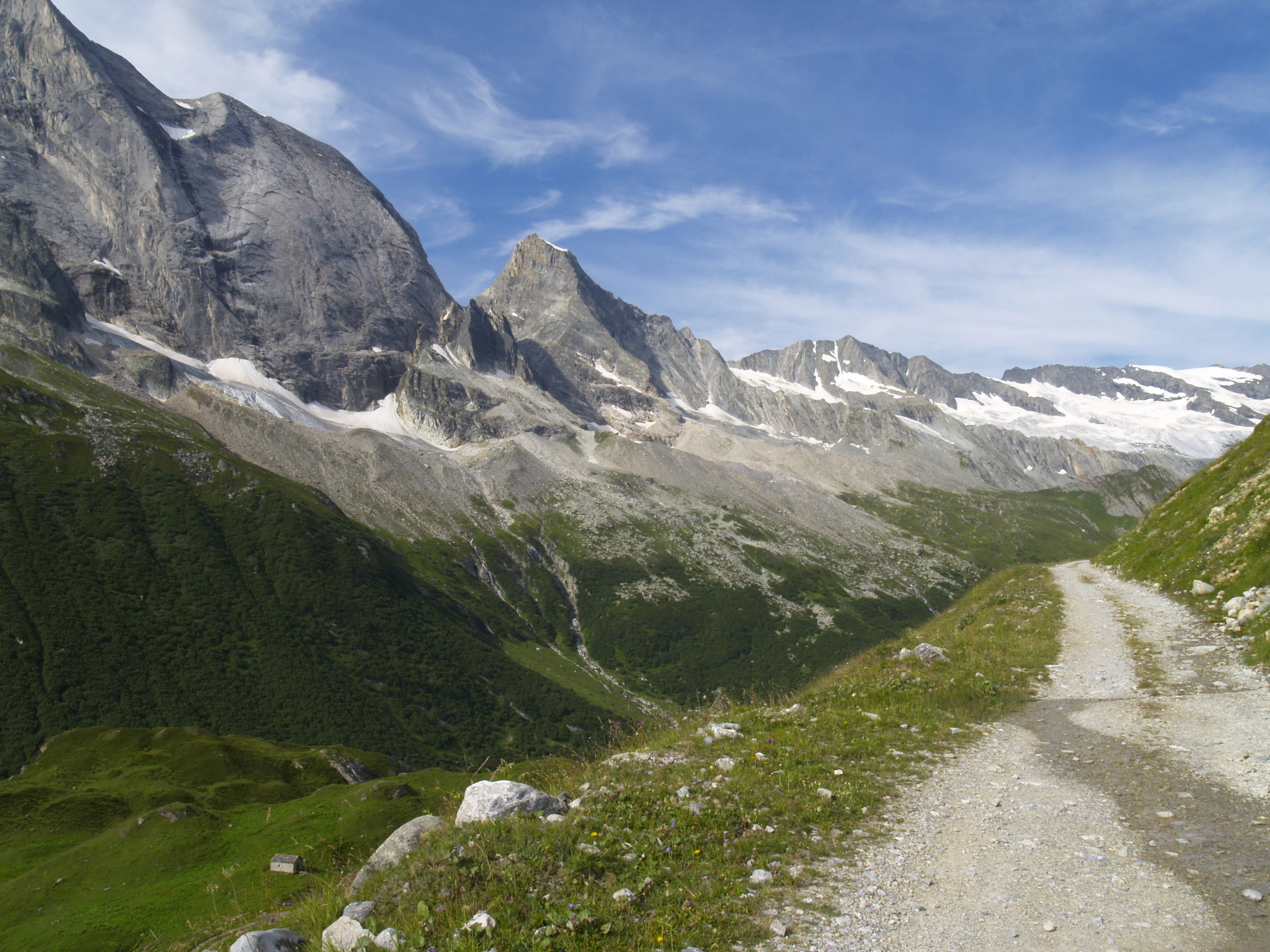
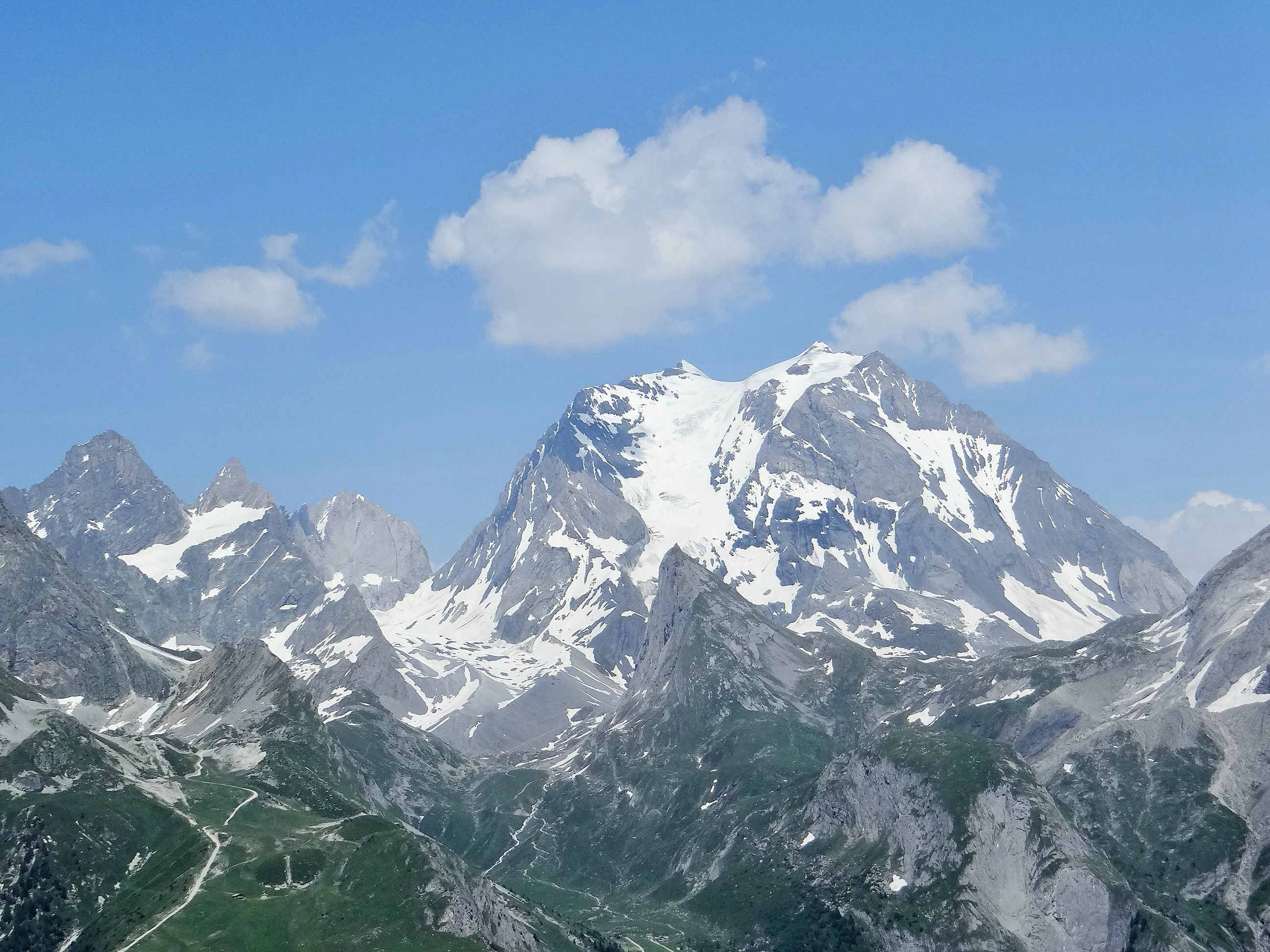
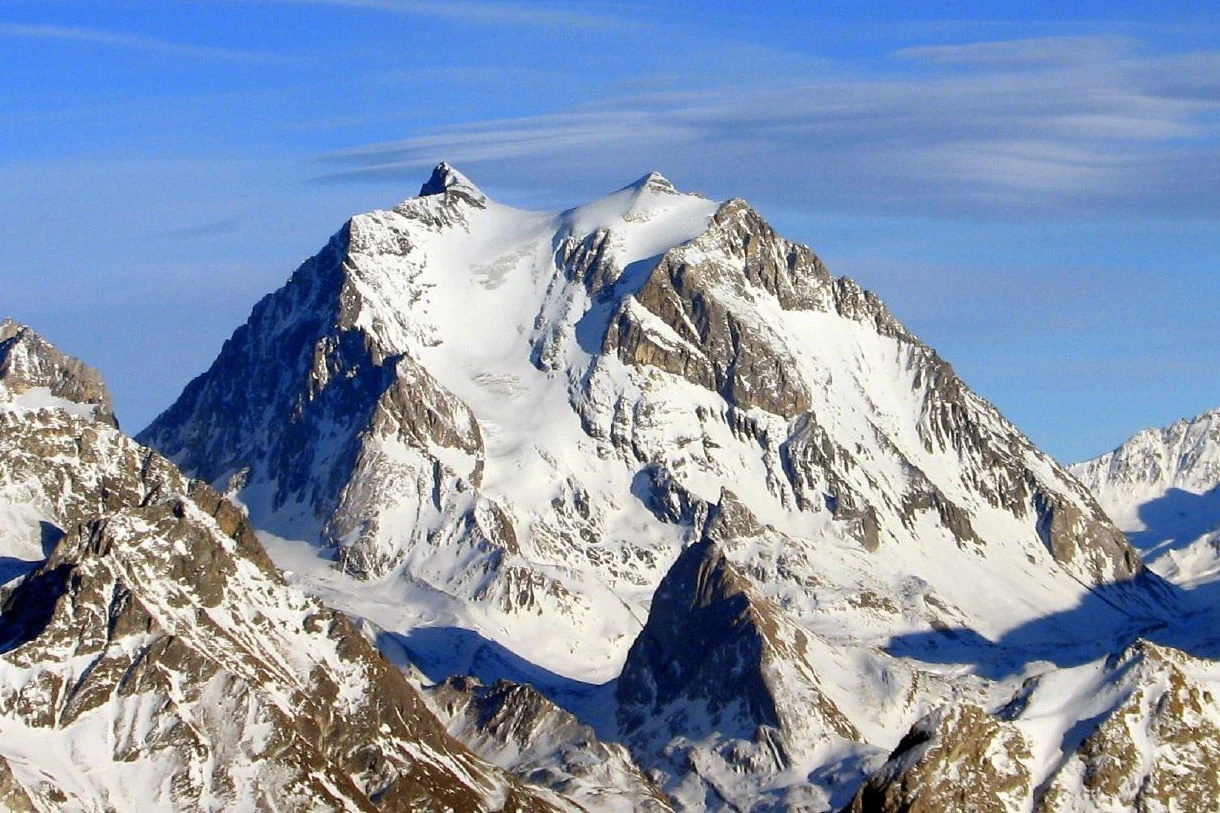
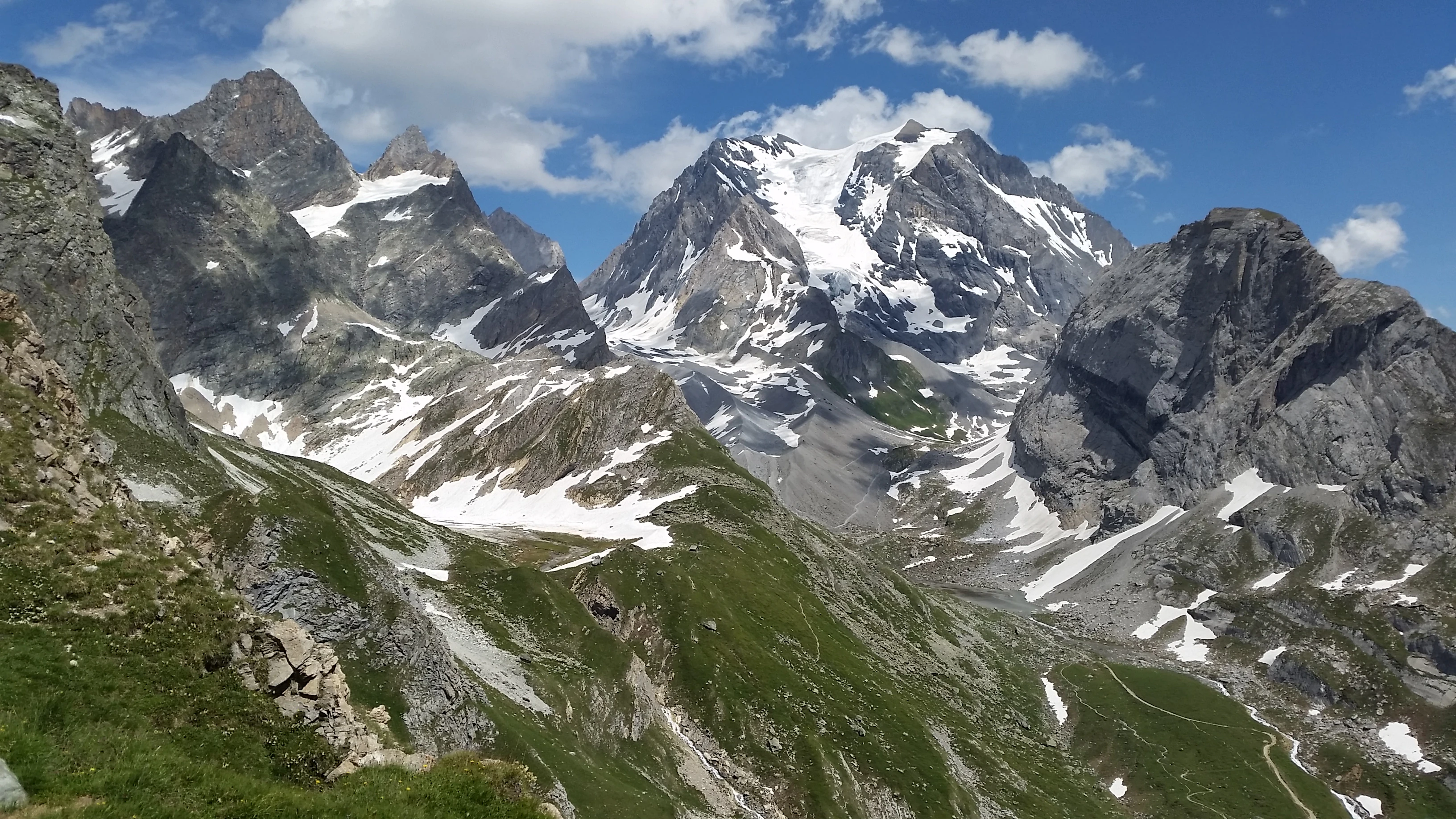
The Vanoise landscape is a dramatic showcase of Alpine geology and glacial morphology. The park encompasses over 100 peaks rising above 3,000 meters, with Grande Casse standing as the highest summit at 3,855 meters. Other notable summits include Mont Pourri (3,779 m), Dent Parrachée (3,695 m), and the Levanna Central (3,619 m). The terrain displays classic U-shaped glacial valleys carved by ancient ice sheets, today often filled with turquoise glacial lakes. The landscape is punctuated by extensive glaciers descending from the high peaks, including the Glacier de Chavière. Wide pastoral valleys offer relatively accessible routes to mountain passes, making the area popular for hikers. Rock formations are prominent throughout, with the Grand roc Noir area containing significant Bronze Age petroglyphs. The park straddles the boundary between the Vanoise massif to the west and the Graian Alps (Alpes grées) to the east, creating a diverse topographic character. L'Ecot, a traditional hamlet of Bonneval-sur-Arc located entirely within the protected core zone, exemplifies the human presence within this dramatic mountain environment.
Vanoise National Park ecosystems, habitats, and plant life
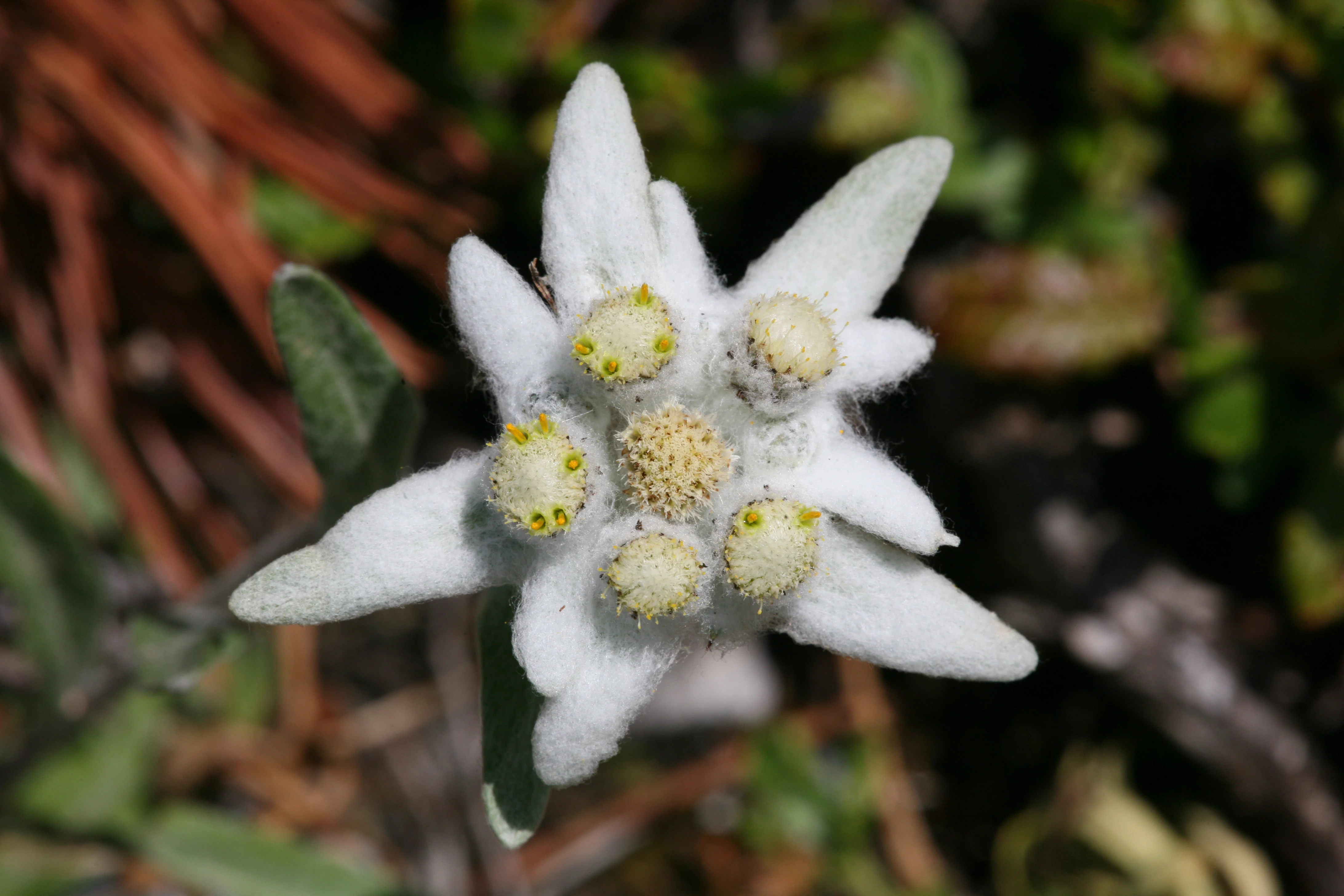
The Vanoise ecosystem represents a complete Alpine altitude sequence, from subalpine forests through alpine meadows to permanent snow and rock. The park's elevations support distinct vegetation zones: subalpine coniferous forests of Norway spruce, European larch, and Swiss pine give way to alpine meadows characterized by grasses and showy wildflowers at lower elevations, transitioning to sparse vegetation and rock as elevation increases. The park's flora includes numerous protected species such as edelweiss, various gentians, Alpine aster, and the distinctiveGénépi. The diversity of habitats—from cliff faces and rockfall areas to wetlands, meadows, and forest corridors—supports the park's ecological richness. The close connection with Italy's Gran Paradiso National Park creates a transboundary ecosystem of over 1,250 km², the largest protected Alpine area in Western Europe, allowing for wildlife movement and genetic exchange that strengthens conservation outcomes.
Vanoise National Park wildlife and species highlights
Vanoise National Park supports one of the most significant Alpine wildlife populations in Europe, headlined by its successful ibex conservation story. Thepark's emblem, the Alpine ibex, now numbers approximately 2,100 individuals after being rescued from near extinction. The alpine chamois, with a population around 6,000, is similarly well-established and commonly observed in the park, spending summers above the tree line and descending in winter to graze below the snow line. Alpine marmots are ubiquitous throughout the park, their distinctive calls echoing across meadows. The park also supports predators including wolf and Eurasian lynx, though these species are more elusive. Over 100 bird species have been recorded, with birds of prey particularly prominent: the bearded vulture, golden eagle, and Eurasian eagle-owl nest in the park's cliffs. Other characteristic birds include black woodpeckers, rock ptarmigans, Alpine accentors, nutcrackers, choughs, black grouse, and the striking wallcreeper that inhabits steep rock faces. Reptiles and amphibians include the Aesculapian snake, smooth snake, common frog, viviparous lizard, and Alpine newt. Brown bear, once present, disappeared from the French Alps in the 1930s.
Vanoise National Park conservation status and protection priorities
Vanoise National Park represents both the achievements and ongoing challenges of Alpine conservation. Its creation in 1963 established the model for French national parks, demonstrating that rigorous protection of core zones could enable species recovery. The successful restoration of the Alpine ibex population stands as a landmark conservation achievement, proving that targeted protection can reverse decline even for species nearly driven to local extinction. The park's transboundary connection with Italy's Gran Paradiso creates a coherent Alpine conservation landscape that facilitates wildlife movement and genetic exchange. The park was placed on France's tentative list for World Heritage status in 2000, recognizing its outstanding universal value. However, the park faces ongoing pressures from surrounding ski resort development, and the 2013-2015 charter controversy revealed significant tensions between conservation priorities and local economic interests, with most surrounding municipalities choosing not to adhere to the park's charter. The management must balance the inviolability of the core zone with the needs of communities in the surrounding area.
Vanoise National Park cultural meaning and human context
The Vanoise region has been inhabited for millennia, with evidence of human presence dating to the Bronze Age through the extensive rock art found at sites like Grand roc Noir near Termignon. These petroglyphs depicting狩猎 scenes and animal figures represent important archaeological heritage within the park. Traditional alpine villages such as Bonneval-sur-Arc, with its hamlet of L'Ecot entirely within the park, reflect centuries of pastoral activity and mountain living. The local economy has historically centered on agriculture, particularly dairy farming that produces renowned cheeses like Beaufort. The creation of the park involved complex negotiations about the relationship between protection and human communities, with figures like Gilbert André advocating for a model that would respect local traditions and populations rather than simply excluding them. The park's governance includes representation from local municipalities, though tensions over conservation versus development priorities have shaped its recent history.
Top sights and standout views in Vanoise National Park
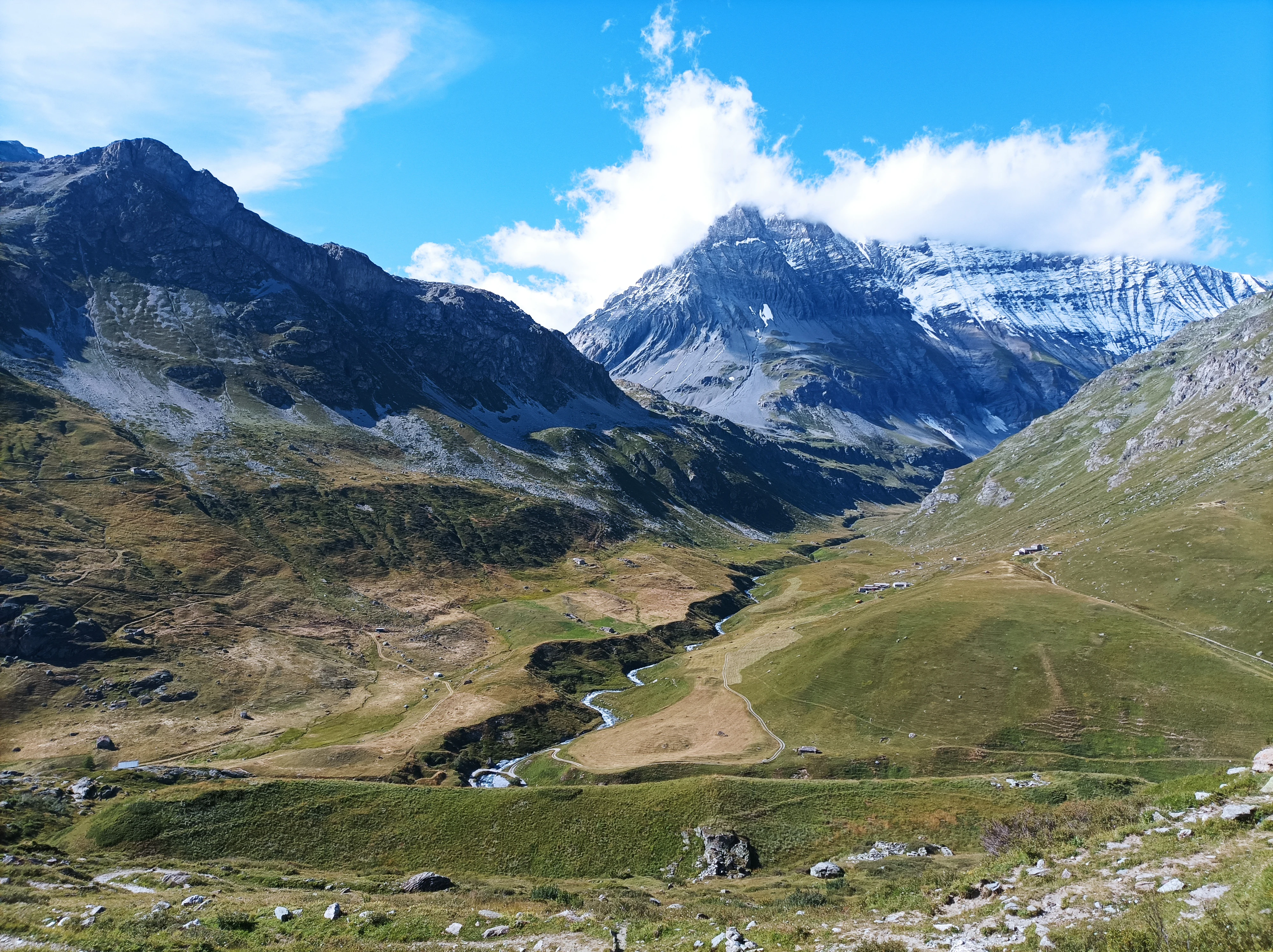
Vanoise offers exceptional Alpine wilderness with over 500 km² of protected terrain and more than 100 peaks exceeding 3,000 meters. The park is home to approximately 2,100 Alpine ibex, the emblematic species that drove the park's creation and remains its signature wildlife attraction. Over 6,000 chamois inhabit the area alongside wolves, lynx, and more than 100 bird species including golden eagles and bearded vultures. The transboundary connection with Italy's Gran Paradiso creates a 1,250 km² conservation area, the largest in Western Europe. Extensive hiking opportunities including the GR5, GR55, and Tour des Glaciers de la Vanoise traverse the park, with mountain refuges enabling multi-day treks. The park contains significant Bronze Age rock art at the Grand roc Noir site. The landscape features dramatic peaks like Grande Casse, glacial valleys, and numerous high-altitude lakes.
Best time to visit Vanoise National Park
The summer months from June through September offer the most comprehensive access to Vanoise National Park, with warm temperatures in the valleys and conditions suitable for high-altitude hiking. July and August provide the best weather for experiencing the full diversity of the park's landscapes, from alpine meadows in full flower to glacial viewpoints. Autumn brings fewer crowds and exceptional autumn color in the subalpine forests, though weather becomes less predictable. Winter access is limited, and the park's core zone is managed to protect wildlife such as black grouse during the sensitive winter period. Spring conditions can be changeable as snow melts and the high country opens. The best time for wildlife viewing coincides with summer, when ibex and chamois graze in the high meadows above the tree line and are most readily observable against the backdrop of snow-free terrain.