
Why Bois des Agneux Regional Nature Reserve stands out
The reserve is best known for its acidiphile oak woodland combined with a network of small acidic pools and sandy rises, a habitat mosaic that is unusual in the immediate coastal zone of the Somme. This combination produces concentrated biodiversity on a small footprint and is the basis for much of the site's protected status.
Bois des Agneux Regional Nature Reserve history and protected-area timeline
The reserve was created by a deliberation of the Regional Council on 25 September 2015. It operates under the regional nature reserve framework of France, an institutional category that allows regions to designate protected areas of regional ecological interest.
The site is managed by the Syndicat mixte Baie de Somme - Grand Littoral Picard, which acts as the principal administrative body for the reserve. While details of any earlier conservation actions on the site are not well documented in available sources, the 2015 classification marks the formal point at which the woodland and its associated pools were placed under sustained regional protection.
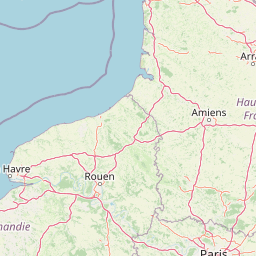
Bois des Agneux Regional Nature Reserve landscape and geographic character
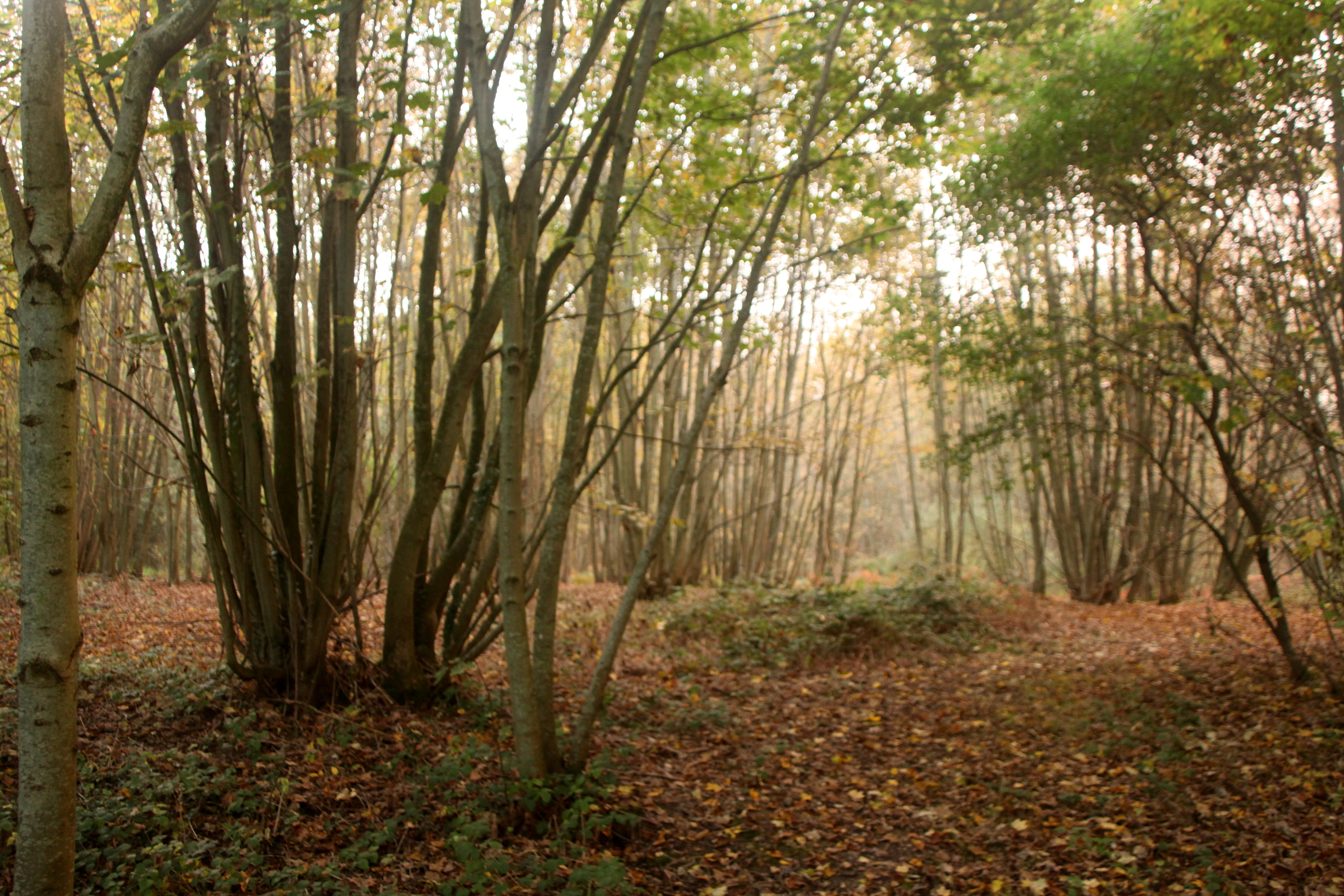
The physical landscape of the Bois des Agneux reserve is shaped by a subtle but ecologically important mix of small-scale features. The dominant element is a stand of oak woodland, with a tendency toward acidiphile species adapted to slightly acidic soils. Within this wooded matrix, the terrain is broken by small pools, especially toward the northern part of the reserve, and by sandy rises that rise gently above the surrounding ground.
The acidic character of both the soils and the pools is a defining feature. Acidiphile oaks, acidic standing water, and sandy micro-relief together create conditions that are uncommon along the northern French coast, where calcareous dunes, salt marshes, and estuarine flats are more typical. The result is a sheltered inland woodland setting that contrasts visually and ecologically with the open coastal landscapes of the nearby Baie de Somme.
These small-scale landforms, woodland cover, and clustering of pools give the reserve a quiet, enclosed character. The terrain is generally flat to gently undulating, with land use framed around the protection of the existing mosaic rather than any dramatic topographic features.
Bois des Agneux Regional Nature Reserve ecosystems, habitats, and plant life
The reserve's ecological identity rests on the interaction between acidic oak woodland, seasonal pools, and sandy rises. The woodland provides a stable, shaded matrix, while the open pools and gaps let in light and support aquatic and amphibious vegetation. Together these elements form a habitat mosaic that supports both woodland species and wetland species within a small area.
The acidic character of the soils and water is central to the site's ecological character. Acidiphile oak woodland and acidiphile pools are uncommon in the immediate Picardy coastal environment, where neutral or calcareous conditions tend to prevail. This unusual combination is a key reason the area was placed under protection.
Bois des Agneux Regional Nature Reserve wildlife and species highlights
The reserve supports a notably rich wildlife community given its compact size. The breeding bird community includes roughly fifty-five nesting species, among them the grasshopper warbler and the little owl, two species that highlight the mixture of marshy edges and old woodland that the reserve provides.
Amphibian diversity is also significant, with seven species recorded. The presence of the natterjack toad and the great crested newt, both species of conservation interest, indicates that the network of small acidic pools offers suitable breeding conditions for demanding amphibian species that are uncommon elsewhere along this stretch of coast.
Insect life is represented by thirteen recorded species of odonates, including species such as the hairy dragonfly and the scarce and small damselflies, all dependent on the standing water and the surrounding vegetation structure. The combination of woodland, pools, and open sandy areas supports a mix of forest, wetland, and edge-habitat fauna typical of lowland northern France.
Bois des Agneux Regional Nature Reserve conservation status and protection priorities
The reserve's principal conservation value lies in the protection of an acidiphile woodland and pool mosaic within a coastal region where such habitats are scarce. By protecting small acidic pools, sandy rises, and oak woodland together, the reserve maintains ecological conditions that are difficult to replicate or restore once lost.
Its classification as a regional nature reserve gives it legal protection under the French regional nature reserve framework, and its assignment to IUCN Category IV identifies it as a habitat and species management area. The administrative link with the Syndicat mixte Baie de Somme - Grand Littoral Picard places the site within a coordinated regional approach to managing coastal and inland biodiversity along the Baie de Somme.
The site also contributes to broader conservation goals for species of regional and national importance, including regionally protected plants, breeding birds of conservation concern, amphibians such as the great crested newt, and a diverse odonate assemblage. Even at only around 25 hectares, the reserve functions as an important node in the ecological network of the Picardy coast.
Top sights and standout views in Bois des Agneux Regional Nature Reserve
The Bois des Agneux reserve is a textbook example of how a very small protected site can deliver outsized biodiversity value when its habitat mosaic is intact. The combination of acidiphile oak woodland, acidic pools, and sandy rises creates conditions that are not typical of the surrounding coastal lowlands. Its protected plant list, large breeding bird community for its size, and the presence of amphibians and odonates with specific habitat requirements make it stand out within the regional nature reserve network of Hauts-de-France.
Best time to visit Bois des Agneux Regional Nature Reserve
The reserve is sheltered woodland and pool habitat, so its character changes relatively gently across the year. Spring is the most rewarding season for visitors interested in birdlife and amphibians, when breeding activity in and around the pools is at its height and woodland bird song is prominent. Late spring and early summer are also favorable for observing dragonflies and damselflies around the open water. Autumn brings quieter conditions and a different atmosphere under the oak canopy. Because the site is small, gently undulating woodland accessible on foot, visits are possible across much of the year, though wet winter conditions can make paths and pool margins more difficult to traverse.