
Why Réserve naturelle régionale de la Pâture Mille Trous stands out
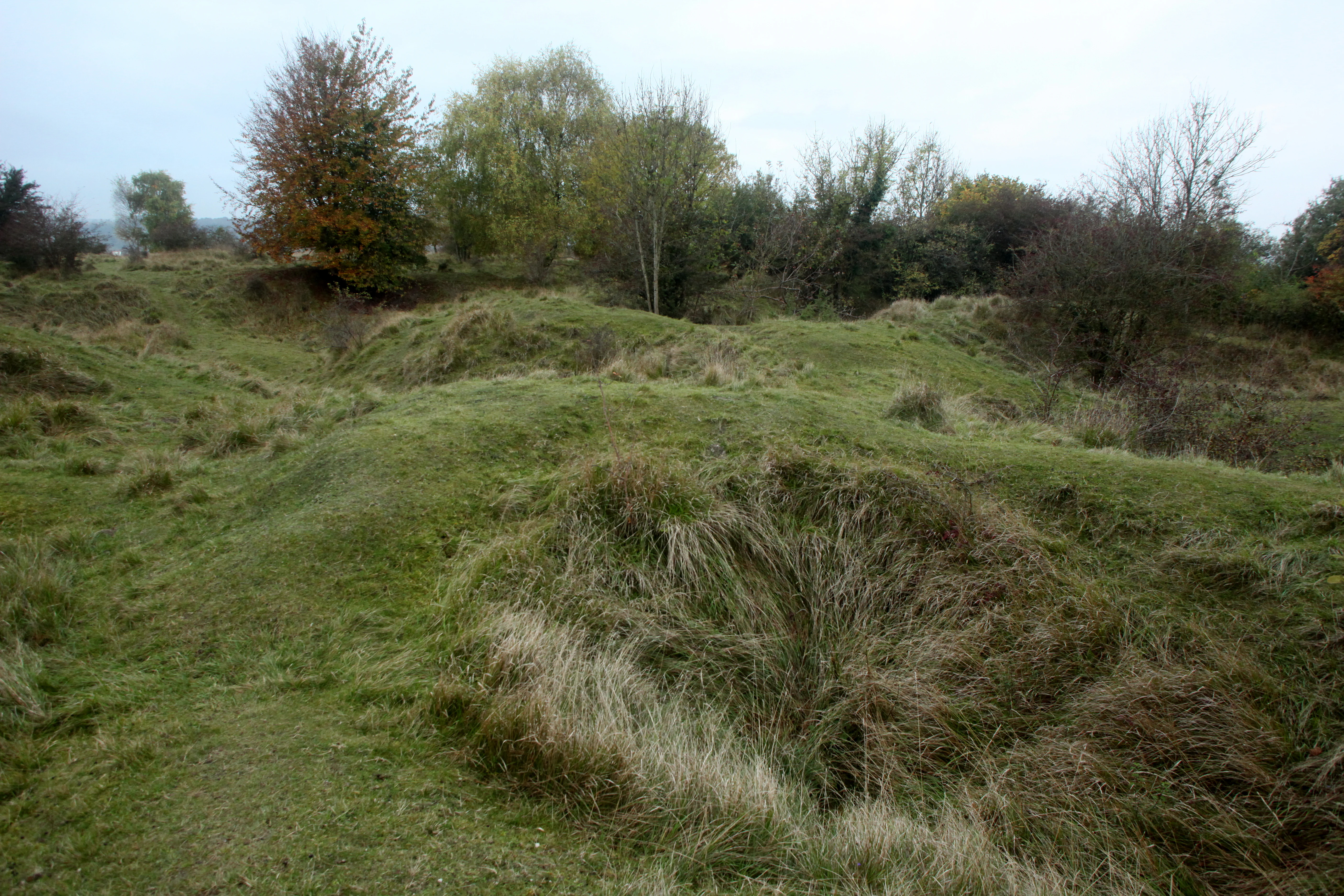
Pâture Mille Trous is known above all for its calcareous grassland (pelouse calcicole) set within a chalk landscape scarred by old lime-kiln quarry pits, which appear today as dozens of shallow depressions across the plateau. The small site concentrates a remarkable diversity of habitats in a single location, with short grassland, taller grassland-with-herbs border communities, scrub thickets, and calcareous woodland edge coexisting side by side. It also stands out for its plant richness: more than 220 wildflower species have been recorded, including protected orchids such as the military orchid (Orchis militaris) and the bee orchid (Ophrys apifera), as well as characteristic species of northern French chalk grasslands like the German gentian (Gentianella germanica) and the rough rose (Rosa rubiginosa). This botanical density, combined with its geological character, makes the reserve a textbook example of post-extraction calcareous grassland in the middle Authie valley.
Réserve naturelle régionale de la Pâture Mille Trous history and protected-area timeline
The Pâture Mille Trous landscape carries a long human history. The numerous pits and hollows that give the site its name are remnants of old chalk-quarrying works; the extracted chalk was burned in nearby lime kilns, an industry that shaped the physical surface of the plateau for generations before the reserve existed.
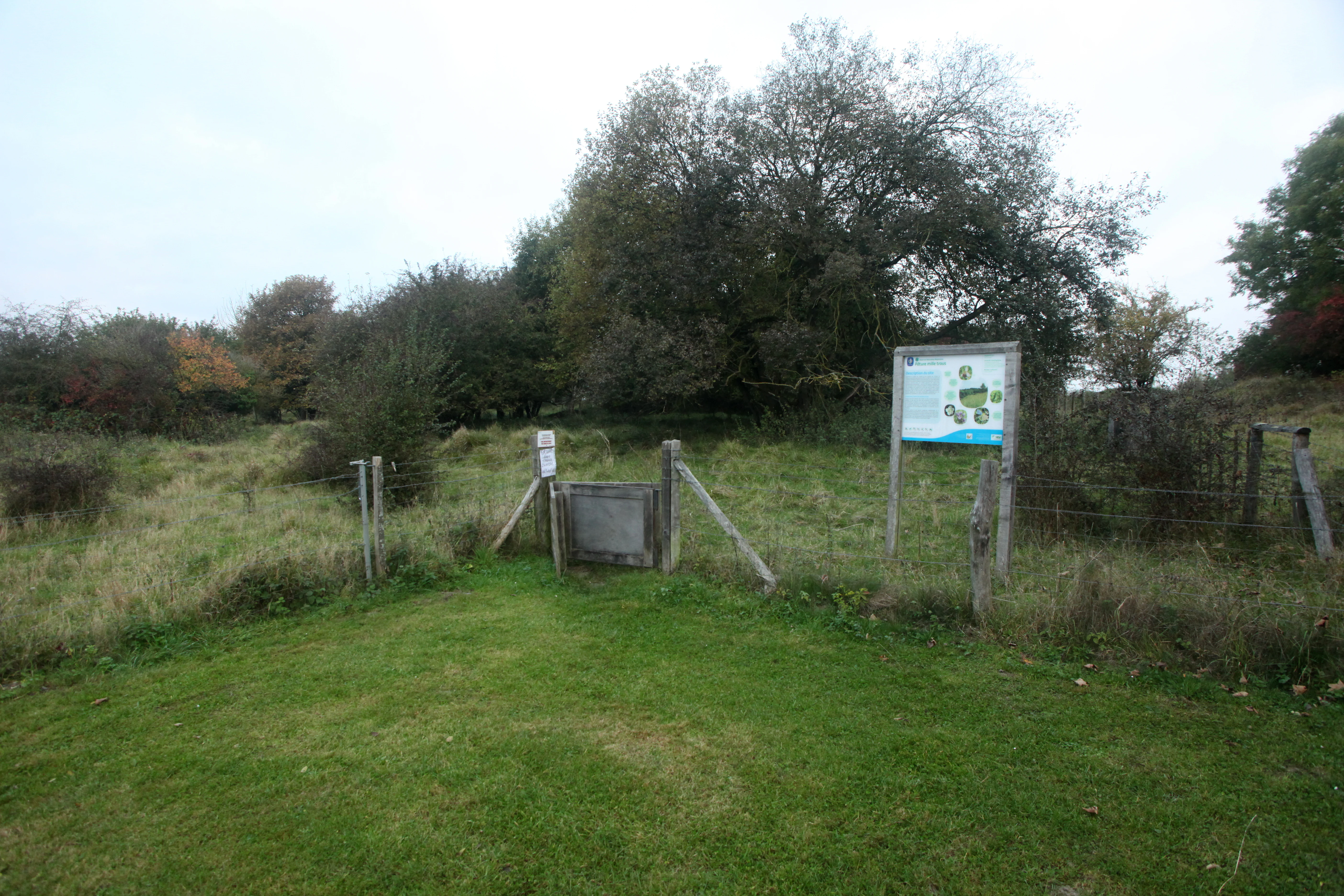
Its modern conservation history began in the early 1990s, when grazing was reintroduced in 1992 and 1993 to counter the encroachment of scrub. In 1994 the site was first recognized as a voluntary nature reserve (réserve naturelle volontaire), placing it under a basic framework of protection and management. This status was elevated in 2007, when, by deliberation of the Regional Council on 12 November 2007, the area was reclassified as a regional nature reserve (réserve naturelle régionale), giving it a stronger and more durable legal footing. Since then it has been managed under a multi-year plan by the Conservatoire d'espaces naturels du Nord et du Pas-de-Calais, with the local commune applying differentiated and restorative management to the parcel.
Réserve naturelle régionale de la Pâture Mille Trous landscape and geographic character
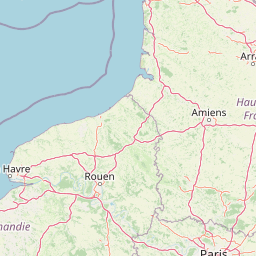
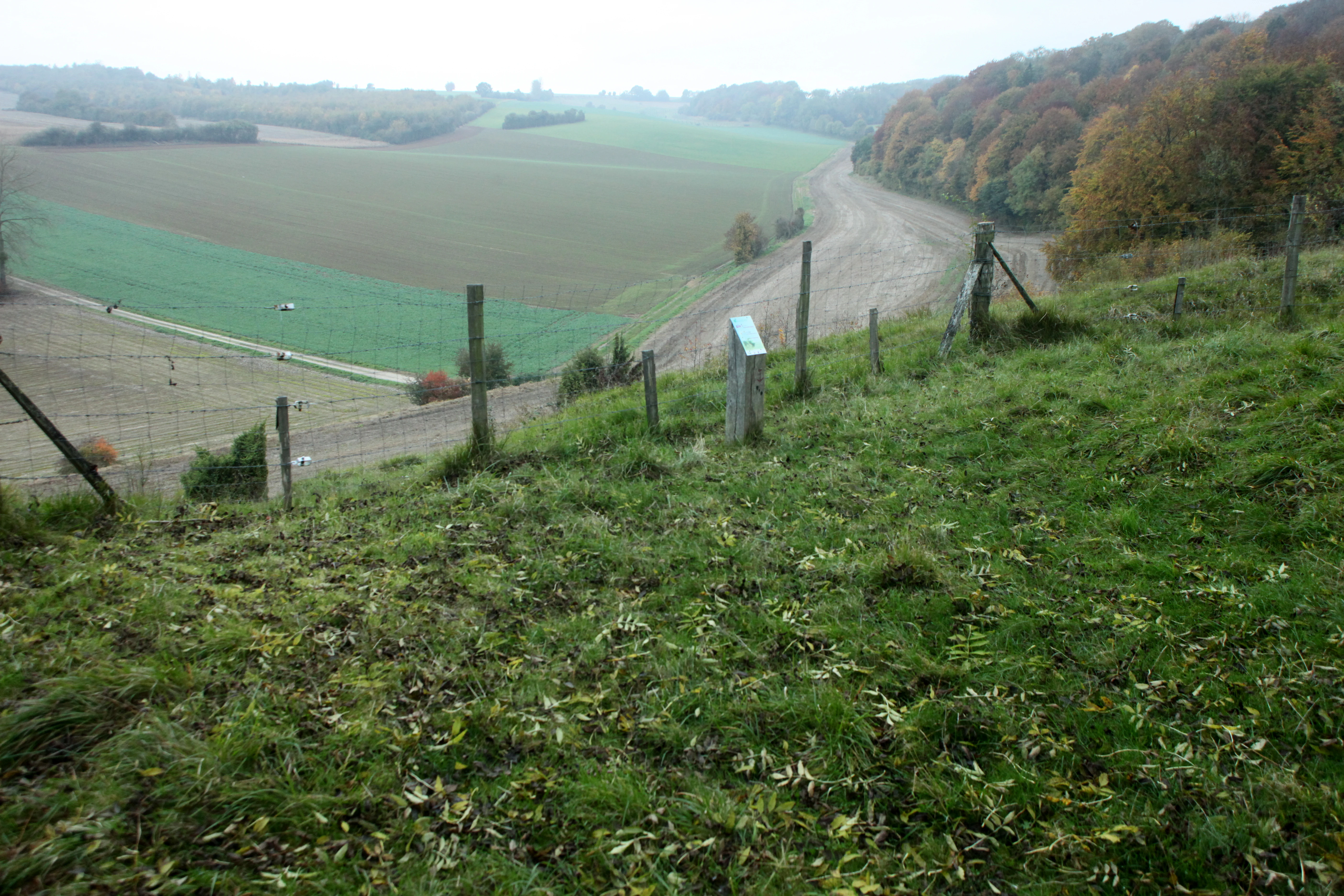
The reserve's landscape is shaped by its position on the edge of the Authie valley. Two main landforms define the site: a gently sloping chalk plateau, tilted toward the south and southeast and pockmarked by numerous anthropogenic depressions, and a northwest-facing slope that makes up about a tenth of the total area and falls at gradients of roughly 10 to 30 percent. Altitudes are modest, with most of the reserve sitting around 80 meters above sea level.
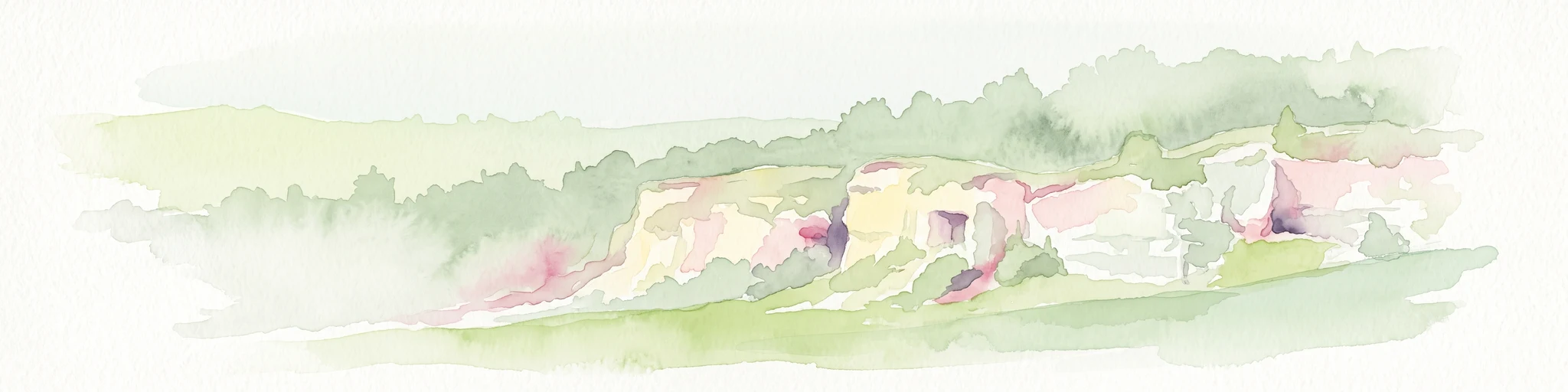
The plateau's defining visual feature is the field of pits, the legacy of historical chalk extraction for lime production. Today they read as a regular pattern of depressions in the turf and contribute strongly to the site's distinctive character. The slope provides a quieter counterpart of smoother, often steeper ground, opening toward views over the Authie valley and surrounding agricultural countryside. Surrounding land use is predominantly arable, broken only on the northeastern edge by the wooded Bois du Violon, which frames the reserve along one boundary.
Réserve naturelle régionale de la Pâture Mille Trous ecosystems, habitats, and plant life
Ecologically, the reserve is a textbook example of a northern French calcareous grassland system supporting multiple stages of vegetation succession on a single site. The dominant community is a taller, herb-rich calcareous grassland edge, while open, short chalk turf (pelouse rase) persists only in residual patches, often where trampling paths concentrate disturbance. From these open habitats, vegetation grades through tall-herb fringes and scrub into calcareous woodland, creating a complete successional gradient within a very small area.
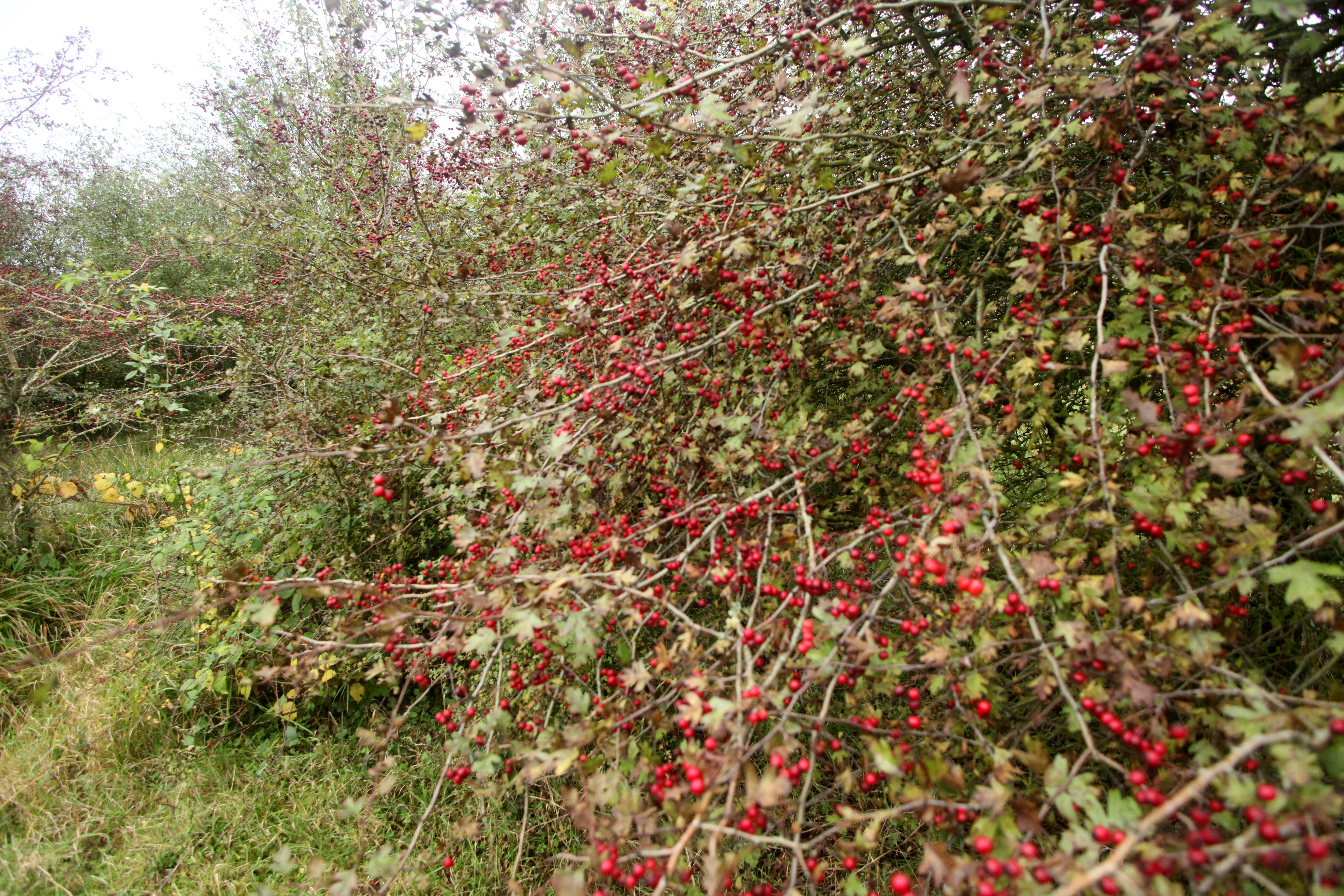
Two Corine habitats of particular note have been identified on the site: semi-dry middle-European Bromus erectus grasslands, covering only a small share of the surface, and semi-arid middle-European Brachypodium-dominated grasslands, which extend across roughly three-quarters of the reserve. Beyond these categories, the site also supports juniper stands, scattered fruit trees, hawthorn, and patches of woodland margin along the Bois du Violon contact. The combination of thin calcareous soils, slope exposure, historical disturbance, and traditional grazing maintains a habitat mosaic that is otherwise rare and highly threatened in the Hauts-de-France lowlands.
Réserve naturelle régionale de la Pâture Mille Trous wildlife and species highlights
Wildlife interest at Pâture Mille Trous is shaped by its small size and habitat diversity rather than by large mammal populations. The site supports more than two dozen notable animal species across several groups. Birdlife is particularly significant for such a compact area: around 28 bird species have been recorded, of which the majority breed on or near the reserve, including characteristic farmland-edge and grassland species such as the whinchat and the yellowhammer.
The reserve also harbors small but valuable populations of European badger, a species that has become rare or has disappeared from much of northern France. Reptiles are represented by surviving populations of viviparous lizard and slow worm in the warmer calcareous habitats. Invertebrate diversity is high, with at least six species of grasshoppers and bush-crickets documented, including the melodious grasshopper and the great green bush-cricket, and a notable butterfly fauna that includes day-flying species such as the common blue, the swallowtail, the Osiris blue, and the false argus. Moths are also well represented, contributing to the reserve's overall biodiversity value.
Réserve naturelle régionale de la Pâture Mille Trous conservation status and protection priorities
Conservation significance at Pâture Mille Trous lies in the preservation of a small but high-quality example of dry calcareous grassland, one of the most threatened habitat types in northwestern Europe. The site is part of the broader complex of calcareous slopes along the middle Authie valley, contributing to ecological connectivity in the area and functioning as both a habitat patch and a corridor for species movement.
The reserve is classified under IUCN Category IV (habitat/species management area) and is part of the national inventory of protected natural areas for the Moyen Authie calcareous grasslands, woodlands and alluvial system. Active management addresses the principal pressures on dry grassland habitats: abandonment and scrub encroachment, illegal dumping, nutrient enrichment from organic inputs, and disturbance from off-road vehicles and motocross. Grazing, restored from 1992 onwards, is used as the main tool to maintain and expand short chalk turf, and the management plan integrates the site with surrounding natural areas to reinforce its long-term conservation value.
Réserve naturelle régionale de la Pâture Mille Trous cultural meaning and human context
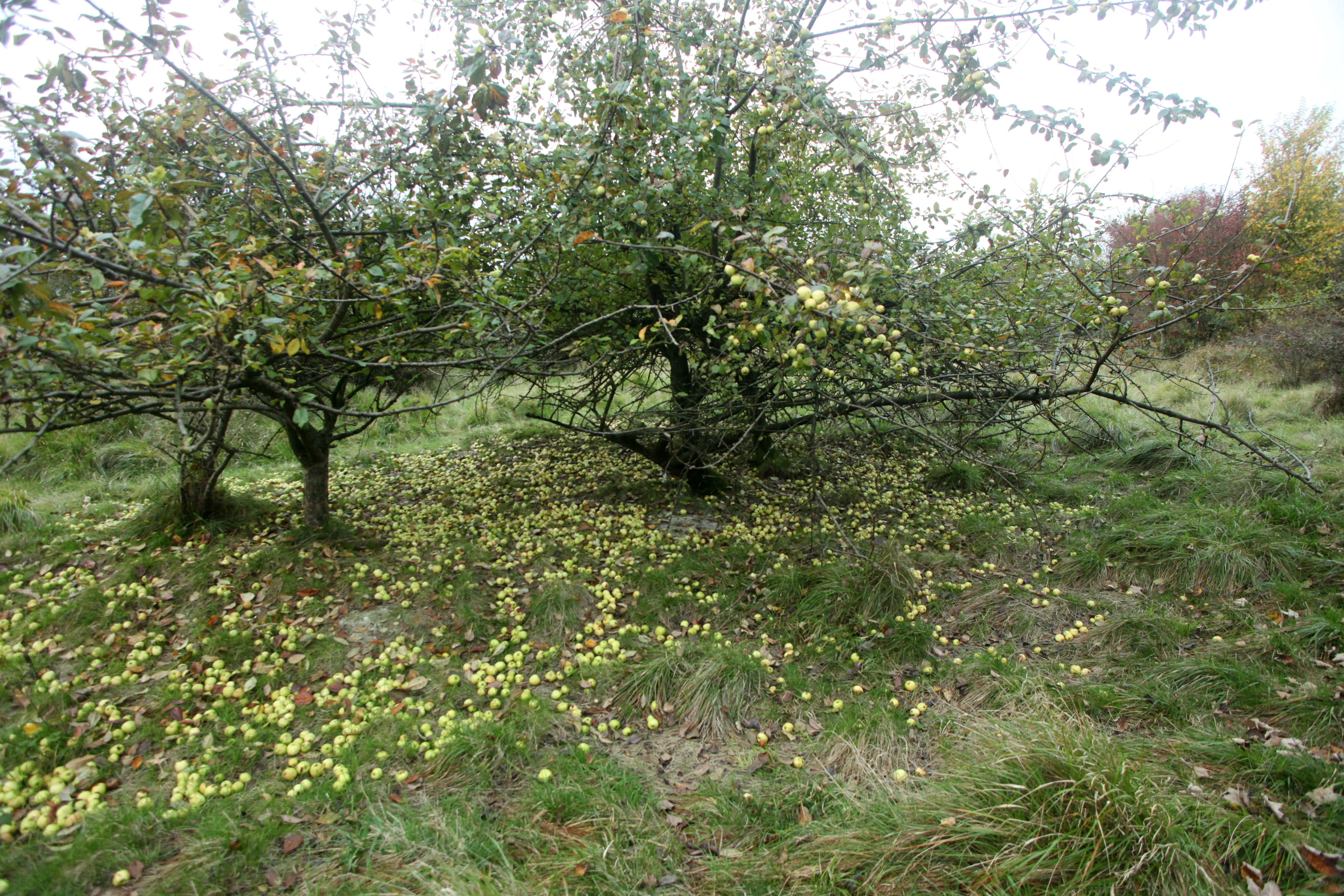
The reserve carries a strong, if understated, cultural dimension rooted in rural land use. The very pattern of pits that defines the landscape is the product of centuries of small-scale chalk quarrying to feed lime kilns, an activity tied to traditional building and agricultural practice in the Authie valley. Apple trees still present on the site hint at older orchard traditions, while the current grazing regime reconnects the landscape with its pastoral past.
Beyond its physical heritage, Pâture Mille Trous is also a local reference point for environmental education in the Hauts-de-France region, offering a compact, accessible site where visitors can encounter chalk grassland habitats, orchids, and the broader valley landscape in a single visit.
Top sights and standout views in Réserve naturelle régionale de la Pâture Mille Trous
The reserve's standout qualities concentrate in a few closely linked features: a dramatically pockmarked chalk plateau whose pits are a visible record of historical lime-burning industry; a habitat mosaic that fits short turf, tall herb fringe, scrub and woodland edge into a few hectares; a botanical richness disproportionate to its size, with more than 220 wildflower species and populations of protected orchids and other calcareous specialists; and an active conservation management combining grazing with restoration of open grassland.
Equally notable is the reserve's setting on the edge of the Authie valley, which gives it both ecological connectivity to a wider calcareous slope network and a striking vantage point over the surrounding agricultural landscape.
Best time to visit Réserve naturelle régionale de la Pâture Mille Trous
The reserve's character shifts with the seasons in ways that reflect the typical rhythm of a northern French calcareous grassland. Late spring and early summer bring the densest displays of chalk grassland wildflowers, including orchids such as the military orchid and the bee orchid, and the most active period for butterflies, grasshoppers and bush-crickets. This window tends to offer the richest combination of flowering diversity and insect activity.
In summer, the plateau's warm, dry, open turf is well established and the contrast between the pitted surface, juniper stands and the surrounding farmed plain is most visible, while the view over the Authie valley is at its clearest. Autumn brings softer light and color on the fruit trees and shrubs on site, and winter offers the most open views of the underlying topography, including the old quarry depressions that define the site's name.