Mori Atlas logo
Nature reserveRiserva naturale speciale dell'Isolone di Oldenico

A vital riverine conservation site in the Piedmont region of Northern Italy

Riserva naturale speciale dell'Isolone di Oldenico: Mapping Protected Riverine Habitats in the Po Plain

The Riserva naturale speciale dell'Isolone di Oldenico represents a critical protected riparian corridor within the lower Sesia valley of the Po Plain. This nature reserve serves as an essential, compact sanctuary for river-based ecology in a landscape largely defined by intensive rice cultivation and historic fluvial sediment patterns. By preserving remnants of natural island features and marshy levees, the protected area maintains habitat continuity alongside a broader network of managed wetlands in the Province of Vercelli.

wetland reservePo Plainriverine habitatPiedmont protected arearegional nature reserveProvince of Vercelli

Riserva naturale speciale dell'Isolone di Oldenico

Nature reserve

Park overview

Structured park overview, official facts, and landscape profile for Isolone di Oldenico Special Nature Reserve

Isolone di Oldenico Special Nature Reserve park facts, protected area profile, and essential visitor context

Review the core facts for Isolone di Oldenico Special Nature Reserve, including designation, size, terrain, visitor scale, habitats, and operating context in one park-focused overview.

About Isolone di Oldenico Special Nature Reserve

The Isolone di Oldenico Special Nature Reserve is a compact regional protected area in the Piedmont region of northwestern Italy. It sits within the Province of Vercelli, in the heart of the Po Plain, an area historically defined by its rivers, wetlands, and centuries of rice cultivation. Despite its small size, occupying roughly 52 hectares, the reserve plays a meaningful role in conserving a surviving piece of the natural character of the lower Sesia valley.

The protected area was established in 1978 through Regional Law 55 of 23 August of that year, reflecting the regional administration's recognition of the ecological value of isolated fragments of natural habitat in an otherwise heavily modified agricultural landscape. The reserve's name refers to an 'isolone,' or larger island-like feature, embedded in the river-influenced terrain near the town of Oldenico, where shifting river dynamics and traditional land use have shaped distinctive habitat patches.

The reserve is not a remote wilderness but rather a protected enclave within an intensively used plain, where rice paddies and cultivated fields are the dominant land cover. In this context, the reserve helps maintain continuity for riverine and wetland-associated habitats that would otherwise be reduced to narrow strips or lost entirely. It is administratively managed by the Ente di gestione del Parco naturale delle Lame del Sesia, an authority that simultaneously oversees a natural park and several related special nature reserves, including the Villarboit heronry, the Casalbeltrame marsh, and the Carisio heronry. This shared management framework ties the Isolone di Oldenico to a larger conservation strategy for the lower Sesia basin.

At the international level, the reserve is classified as an IUCN Category IV area, a designation used for protected areas whose primary purpose is the conservation of particular habitats or species. The reserve also carries an official Italian EUAP code and is recorded in the World Database on Protected Areas.

Quick facts and research context for Isolone di Oldenico Special Nature Reserve

The Isolone di Oldenico Special Nature Reserve is a regional nature reserve in Piedmont, northern Italy, situated in the Province of Vercelli. It was formally established in 1978 under Regional Law 55 and is classified at the international level as an IUCN Category IV protected area, meaning its primary aim is the conservation of specific habitats and species.

With a surface area of about 52 hectares, it is a small reserve focused on a localized patch of riverine habitat embedded in the wider Po Plain agricultural matrix. The reserve shares its managing body with the neighboring Lame del Sesia Natural Park and other related reserves, including the Villarboit heronry, the Casalbeltrame marsh, and the Carisio heronry.

Protection and recognition

Explore documented protected area records and official registry designations.

Riserva naturale speciale dell'Isolone di Oldenico Protection Status

Riserva naturale speciale dell'Isolone di Oldenico maintains structured protection tracking through verifiable global database identifiers. Documented conservation records provide transparent access to official protected area parameters.

Protection details

WDPA ID
64447
Park context

Deeper park guide and search-rich context for Isolone di Oldenico Special Nature Reserve

Isolone di Oldenico Special Nature Reserve history, landscape, wildlife, and travel context

Explore Isolone di Oldenico Special Nature Reserve through its history, landscape character, ecosystems, wildlife, conservation priorities, cultural context, and seasonal travel timing in a structured park guide built for atlas discovery and search intent.

Why Isolone di Oldenico Special Nature Reserve stands out

The reserve is best known for protecting a remnant island feature, the Isolone, within the lower Sesia river system in Piedmont. Its identity is closely tied to the dynamics of riverine habitat in a heavily cultivated plain, where most natural or semi-natural vegetation has otherwise been replaced by rice paddies and farmland. Its significance is amplified by its integration into the broader protected-area network of the lower Sesia valley, which combines marshland, heronries, and river corridors under a single management authority.

Isolone di Oldenico Special Nature Reserve history and protected-area timeline

The Isolone di Oldenico Special Nature Reserve has its formal origins in the late 1970s, when the Piedmont region moved to identify and protect small but ecologically significant fragments of natural habitat within its heavily cultivated lowlands. The reserve was legally established in 1978 under Regional Law 55 of 23 August 1978, placing it among the early wave of regional nature reserves created in Piedmont to safeguard riverine and wetland environments.

The reserve's later administrative history is closely linked to the broader organization of protected areas in the lower Sesia valley. Its current management is entrusted to a single regional authority that simultaneously oversees the Lame del Sesia Natural Park and the related special nature reserves of Villarboit, Casalbeltrame, and Carisio. This integrated management structure reflects an effort to coordinate conservation across a set of small but ecologically complementary reserves rather than treating each as a stand-alone site.

Within the Italian protected-area framework, the reserve has been registered in the official EUAP list and in the international World Database on Protected Areas, giving it both national recognition and a place in global protected-area reporting.

Isolone di Oldenico Special Nature Reserve landscape and geographic character

The landscape of the Isolone di Oldenico reserve reflects the character of the Po Plain in the Province of Vercelli: a broad, flat terrain shaped over centuries by the action of rivers, seasonal flooding, and human activity. The reserve's 'isolone' refers to an island-like landform within this otherwise uniform lowland setting, where the Sesia and related waterways have historically left elevated remnants, embankments, and natural levees amid the surrounding plain.

The wider landscape is strongly agricultural, dominated by rice paddies and other cultivated fields. Against this backdrop, the reserve stands out as a small, greener pocket in which natural or semi-natural vegetation can persist. The terrain is gently undulating at most, with any variation tied to the historic patterns of river flow and sediment deposition rather than to true topographic relief.

Within the reserve itself, the visual experience is one of dense riparian vegetation, water features, and quiet habitat edges, contrasting with the open geometric fields that surround it. This small-scale contrast between protected natural habitat and working farmland is a key element of the reserve's identity in the landscape.

Isolone di Oldenico Special Nature Reserve ecosystems, habitats, and plant life

The ecological value of the Isolone di Oldenico reserve lies in its role as a protected fragment of riverine and wetland habitat within a heavily transformed agricultural plain. The Sesia valley in this part of Piedmont has been intensively modified for rice cultivation, making any surviving area of natural vegetation, marsh, or riparian woodland ecologically significant.

The reserve falls within the broader ecological network of the lower Sesia, where marshes, heronries, and river corridors form complementary habitats for wetland-associated species. Its protected status is intended to ensure that the habitat structure typical of the historic floodplain, including aquatic margins, reedbeds, and wooded edges, can be maintained even where surrounding land use is dominated by paddy fields.

The integration of the reserve with neighboring protected sites, particularly the marsh of Casalbeltrame and the heronries at Villarboit and Carisio, supports a more continuous ecological gradient across the plain than any one reserve could provide alone.

Isolone di Oldenico Special Nature Reserve wildlife and species highlights

The wildlife significance of the Isolone di Oldenico reserve is closely tied to its wetland and riverine character. Reserves of this kind in the lower Sesia valley are particularly associated with birdlife, especially waterbirds and heronry-forming species that depend on quiet marsh margins and undisturbed reedbeds for nesting and feeding.

The reserve's connection with the nearby Villarboit and Carisio heronry reserves suggests a regional importance for colonial nesting birds, while its integration with the Casalbeltrame marsh reinforces its value for wetland fauna more broadly. Although the available documentation for this particular site is limited, its placement within this network means that it contributes to habitat conditions favorable to amphibians, aquatic invertebrates, and other wetland-dependent wildlife typical of the Po Plain.

The reserve's small size is offset by its location in a landscape where such undisturbed habitat patches are rare, making even a compact site potentially meaningful for species continuity in the area.

Isolone di Oldenico Special Nature Reserve conservation status and protection priorities

From a conservation standpoint, the Isolone di Oldenico reserve represents a strategic effort to preserve a small but representative fragment of natural riverine habitat within one of Italy's most heavily cultivated lowland regions. Its IUCN Category IV classification underlines that its primary objective is the conservation of specific habitats and species rather than the protection of a large landscape.

The reserve's administration by the same body that manages the Lame del Sesia Natural Park and several sister reserves demonstrates an integrated approach to conservation in the lower Sesia basin. Rather than functioning as an isolated site, it is part of a coordinated network that includes marshland, heronries, and river corridors, increasing the overall ecological resilience of the protected system.

Its inclusion in the Italian EUAP register and in the international World Database on Protected Areas confirms its standing within both national and global frameworks for protected-area recognition and reporting.

Isolone di Oldenico Special Nature Reserve cultural meaning and human context

The reserve is located in an area of Piedmont with a long agricultural tradition, particularly tied to rice cultivation, which has shaped both the local landscape and the rural identity of the Vercelli plain for centuries. The presence of a protected natural area within this intensively cultivated setting reflects a regional acknowledgment that historically productive farmland and natural riverine habitat can coexist and both deserve recognition.

The reserve's name itself, derived from the term 'isolone,' connects it to the hydrological and cultural memory of the Sesia river system, where flood events, sediment dynamics, and human water management have long defined local relations with the land. While the reserve is primarily an ecological site rather than a cultural heritage site, its existence within this working agricultural landscape gives it a meaningful place in the broader identity of the lower Sesia valley.

Top sights and standout views in Isolone di Oldenico Special Nature Reserve

The Isolone di Oldenico Special Nature Reserve stands out for its compact yet strategic role in conserving riverine habitat within the Po Plain. Its strength lies not in size but in its integration into a wider protected-area network that includes the Lame del Sesia Natural Park and other special reserves in the lower Sesia valley.

Within this network, the reserve contributes to maintaining habitat continuity for waterbirds, wetland flora, and other species associated with the historic floodplain. Its legal recognition at regional, national, and international levels underscores its official standing as a meaningful, if small, component of Italy's protected natural heritage.

Best time to visit Isolone di Oldenico Special Nature Reserve

As a small lowland reserve in the Po Plain, the Isolone di Oldenico is shaped by the seasonal rhythm of the Vercelli rice country. Spring and early summer tend to bring the most active water levels and lush growth in the surrounding paddy fields, which can enhance the visibility of wetland-associated birdlife and the general vitality of the habitat.

Late spring through summer is typically the most rewarding period for observing wetland bird activity and the contrast between cultivated fields and the reserve's greener vegetation. Autumn can offer quieter conditions and rich color in the riparian vegetation, while winter, with its reduced agricultural activity and cooler conditions, may also provide opportunities for observing overwintering waterbirds in the broader river-valley landscape, depending on conditions.

Monthly climate preview

Long-term representative temperature ranges and monthly precipitation patterns for Piemonte protected geography

Riserva naturale speciale dell'Isolone di Oldenico Climate and Weather by Month Normals

Representative coordinates record measured monthly temperature swings from sub-zero winter minimums to warm summer maximums alongside varying daily precipitation rates. Examining the full twelve-month profile provides complete historical averages for this protected natural area.
Annual mean11 °C
1 °C21 °C
Jan
Feb
Mar
Apr10°
May15°
Jun19°
Jul21°
Aug21°
Sep16°
Oct11°
Nov
Dec
Warmest month
July

21.4 °C

Coolest month
January

1 °C

Wettest month
November

3.7 mm/day

Driest month
January

1.3 mm/day

Park location guide

Geography guide, regional context, and park location map for Isolone di Oldenico Special Nature Reserve

Isolone di Oldenico Special Nature Reserve park geography, regions, and map view in Italy

Understand where Isolone di Oldenico Special Nature Reserve sits in Italy through a broader geographic reading of the surrounding landscape, nearby location context, and its mapped position within the national park landscape.

How Isolone di Oldenico Special Nature Reserve fits into Italy

Italy is a unitary parliamentary republic in Southern and Western Europe, located on the Italian Peninsula with the Alps to the north. It borders France, Switzerland, Austria, Slovenia, Vatican City, and San Marino, and shares maritime boundaries with several Mediterranean countries. The country has approximately 59 million residents and uses the Euro as its currency.

Wider geography shaping Isolone di Oldenico Special Nature Reserve in Italy

Italy occupies a boot-shaped peninsula in southern Europe, bordered by the Alps to the north. It shares land borders with France, Switzerland, Austria, Slovenia, Vatican City, and San Marino. The country includes the Mediterranean islands of Sicily and Sardinia, along with approximately 800 smaller islands.

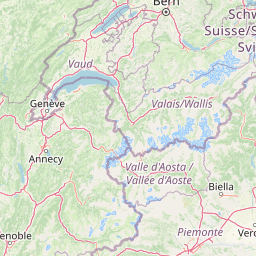
Map view of Isolone di Oldenico Special Nature Reserve

Use this park location map to pinpoint Isolone di Oldenico Special Nature Reserve in Italy, understand its exact geographic position, and read its mapped placement within the surrounding landscape more clearly.

Pigeon | © OpenStreetMap contributors

Location context for Isolone di Oldenico Special Nature Reserve

Piemonte
Park atlas

Discover related wetland reserves and riverine habitats across the surrounding Po Plain geography.

Explore Parks Near Riserva naturale speciale dell'Isolone di Oldenico and Regional Protected Landscapes

Compare Riserva naturale speciale dell'Isolone di Oldenico with nearby protected areas in the lower Sesia valley and surrounding Piedmont landscapes. Broader regional park exploration reveals connected wetland corridors and river environments across the agricultural plain.
A watercolor painting showing a soft-focus, panoramic landscape with green trees, gentle hills, a central body of water, and pale mountains in the background against a white backdrop.
Nature reserveBiella
About 28 km away#1 closest

West

Riserva naturale speciale della Bessa: Protected Nature Reserve in Northern Piedmont

Glacial moraines and archaeological mining landscapes near Biella

Located in the foothills of the Alps, the Riserva naturale speciale della Bessa is defined by its austere, stone-filled plateau. This nature reserve offers a unique look at Pleistocene glacial deposits and the extensive traces of Roman placer gold extraction. The geography includes erratic boulders, deep erosional channels, and historic terrace systems that reveal a deep connection between ancient labor and natural geological forces.

Area
7.5 km²
Established
2009
IUCN
IV
A soft watercolor illustration depicting rolling green hills, a small winding river, and a light-filled sky, set against a white background.
Nature reservePiemonte
About 49 km away#2 closest

North

Riserva speciale del Sacro Monte di Varallo: Nature Reserve and Woodland Geography

Exploring the protected boundaries and forest terrain in Piemonte

Riserva speciale del Sacro Monte di Varallo is a compact nature reserve in the Piedmont region, distinguished by its Renaissance-inspired woodland and elevation above the Valsesia valley. This protected landscape combines ecological richness with historic chapel architecture, offering a study in the intersection of natural terrain, cultural heritage, and Alpine foothill geography.

Area
0.217 km²
Established
1990
IUCN
V
Relief
Upland
Watercolor painting of a soft, green landscape with hills, a meandering river, and trees against a pale background.
Nature reservePiemonte
About 52 km away#3 closest

West

Riserva naturale dei Monti Pelati: A Protected Nature Reserve in Northern Italy

Geological landscape context and peridotite terrain in Piemonte.

Riserva naturale dei Monti Pelati is a vital protected area in Italy known for its unusual peridotite bedrock. This ridge provides a stark contrast to the nearby Ivrea Morainic Amphitheater, serving as an essential site for studying specialized flora and the geological history of the Western Alps in the Piedmont region.

Area
1.46 km²
Established
1993
Relief
Upland
Climate
Temperate
Watercolor illustration showing green mountains, forests, a river, and snow-capped peaks in the distance
National parkPiedmont
About 62 km away#4 closest

North

Val Grande National Park: National Park Protected Landscape in Piedmont

Explore its mapped boundaries and regional geographic context.

Val Grande National Park represents a key protected landscape within the Piedmont region of northwest Italy. This canonical page offers detailed insights into the park's designated status as a national park, its specific geographic placement, and its mapped protected boundaries. Users can navigate its atlas-level details to understand its role in the regional geography and conservation landscape, providing a structured foundation for further discovery of Italy's natural protected areas.

Area
170.21 km²
Established
1992
IUCN
II
Relief
Mountain
Nature reserveLombardia
About 66 km away#5 closest

East

Riserva naturale garzaia di Porta Chiossa: Protected Woodland and Heronry in Lombardia

Historic lowland forest and bird sanctuary geography

Located in the heart of the Po Plain, this nature reserve maintains an essential mosaic of wet woodland and riverine trees. Explore the boundaries of this ecological sanctuary, which remains one of the few surviving sections of the ancient Visconti hunting grounds, offering a unique window into the natural history of the Lombardy region.

Area
0.8 km²
Established
1984
IUCN
IV
Watercolor illustration depicting green valleys, forests, and distant mountain peaks
National parkItaly
About 67 km away#6 closest

West

Gran Paradiso National Park: Italy's National Park Protected Landscape Atlas

Mapped boundaries and regional geography for a key Italian protected area.

Gran Paradiso National Park is a distinct national park entity within Italy, offering rich potential for atlas-driven geographic discovery. This MoriAtlas profile focuses on its protected landscape identity, providing essential context for understanding its mapped boundaries and its role within the regional geography of Italy. Explore the structured geographic details that make Gran Paradiso National Park a valuable component of any mapped landscape analysis.

Area
703 km²
Established
1922
IUCN
II
Relief
Mountain
A horizontal watercolor painting showing rolling green hills, a forest line, and faint pinkish mountains in the distance against a white background.
Nature reserveLombardia
About 79 km away#7 closest

Northeast

Riserva naturale Valle Bova: An Atlas Guide to Lombardia's Protected River Valley

Karst geology, gorge terrain, and pre-Alpine forest ecosystems

This protected area centers on the Bova stream valley, a significant geological enclave featuring the Buco del Piombo cave and the Orrido di Caino fissure. The reserve terrain demonstrates the complex relationship between northern Italian river systems and pre-Alpine mountain slopes, providing a distinct geographic profile for hikers and regional researchers alike.

Area
3.91 km²
Established
2007
IUCN
IV
Relief
Upland
Watercolor painting of a calm lake surrounded by rolling hills and soft greenery.
Nature reserveLombardia
About 92 km away#8 closest

Northeast

Lago di Piano Nature Reserve: Glacial Geography and Protected Wetland Landscapes

Protected marshland basin in the Lombardy pre-Alps

Lago di Piano sits as a rare lowland wetland oasis carved by ancient glacial activity in the Lombardy foothills. This reserve preserves a complex network of floating vegetation, reed beds, and drumlin-framed valleys, providing a vital study of pre-Alpine geography and protected-area conservation within northern Italy.

Area
0.72 km²
Relief
Lowland
Climate
Temperate
Access
Easy access

Common questions about visiting, size, designation, and location context for Isolone di Oldenico Special Nature Reserve

Isolone di Oldenico Special Nature Reserve FAQs for park facts, access, geography, and protected area context

Find quick answers about Isolone di Oldenico Special Nature Reserve, including protected-area facts, park geography, trail and visitor context, and how the park fits into its surrounding country and regional landscape.
MoriAtlas Explorer

Continue Your Protected Areas Search Across the Global Atlas

Deepen your exploration by continuing the structured search for national parks and protected areas worldwide. Utilize the comprehensive filtering capabilities to compare different conservation landscapes and refine your understanding of global park geography. Discover more about the distribution and characteristics of protected natural areas.

Global natural geography