Why Russky Sever National Park stands out
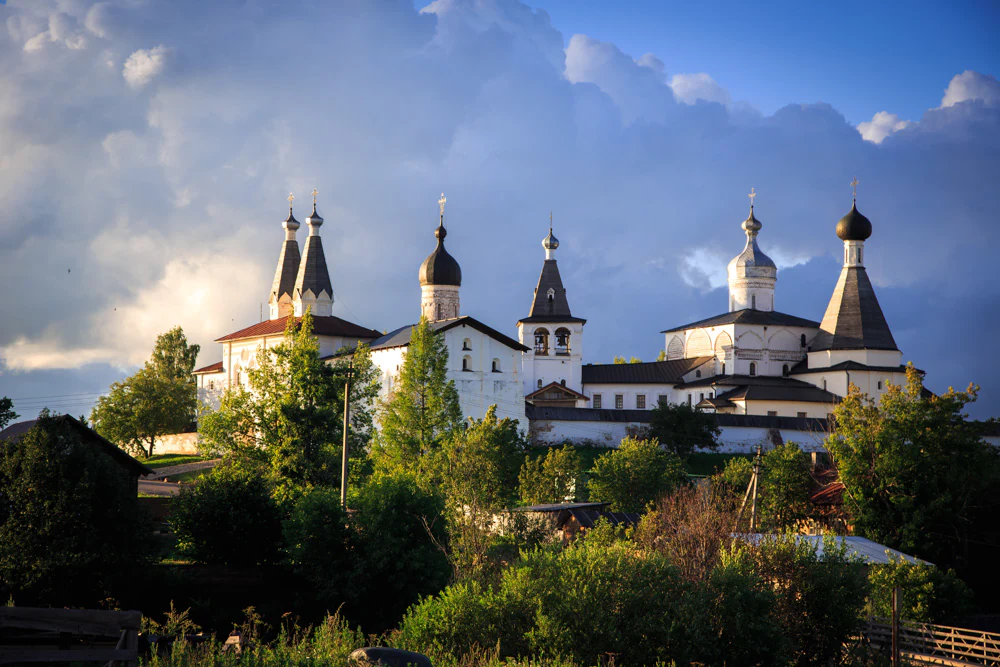
Russky Sever is best known as the protected heart of the historic Russian North, a landscape where taiga forests, glacial lakes, and centuries-old monastery ensembles are preserved together within a single national park. The Ferapontov Monastery, a UNESCO World Heritage Site located inside the park, is one of the most celebrated medieval artistic complexes in Russia and draws visitors alongside the much larger Kirillo-Belozersky Monastery. The park is also distinguished by its pure northern forest ecosystems, which include old-growth pine massifs such as the Shalgo-Bodunovsky and Sokolsky bors. These forests mark the northern limit of several broadleaf tree species, including maple, linden, and elm, and host populations of rare raptors such as white-tailed eagle and osprey that have established themselves in recent decades.
Russky Sever National Park history and protected-area timeline
Russky Sever National Park was formally created on 20 March 1992 by Resolution No. 182 of the Government of the Russian Federation, with the explicit purpose of preserving the natural complexes of the Vologda lake region together with the area's rich historical and cultural heritage. At the time of establishment, the territory already contained a dense fabric of historic villages, monastery lands, and waterways that had shaped Russian northern identity for centuries.
The wider human history of the territory, however, is far older than the park itself. Archaeological traces along the Modlona and Porozovitsa rivers reflect nearly every cultural epoch of northern European Russia except the Paleolithic, including the notable Modlonskoye pile-built settlement to the north of the park. The great monastic foundations of the region, which today form the cultural core of the protected area, were largely established and expanded between the 14th and 17th centuries, turning the surrounding forests and lake shores into important spiritual and administrative centers of the medieval Russian North.
In the 19th and 20th centuries, much of the territory was reshaped by the construction of major waterway infrastructure. The Sev-Dvinskaya water system, built between 1825 and 1828 and crossing the park's territory with five artificial canals and seven locks, is itself now considered a monument of engineering. In 2004 the opening of a bridge across the Volga-Baltic waterway near the village of Ivanov Bor ended the longstanding ferry service on part of the park's road network, marking a modern chapter in the long transformation of this landscape.
Russky Sever National Park landscape and geographic character
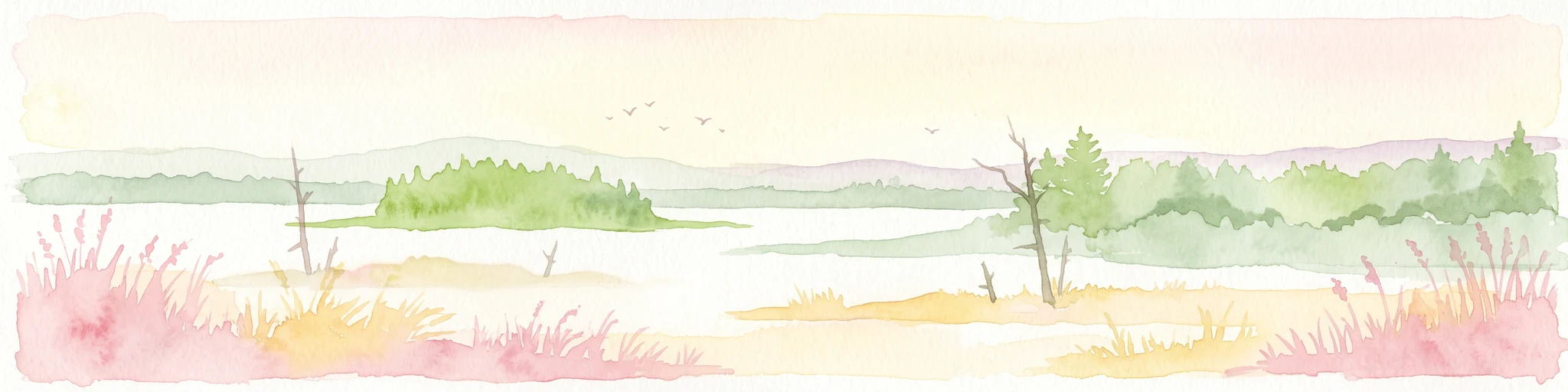
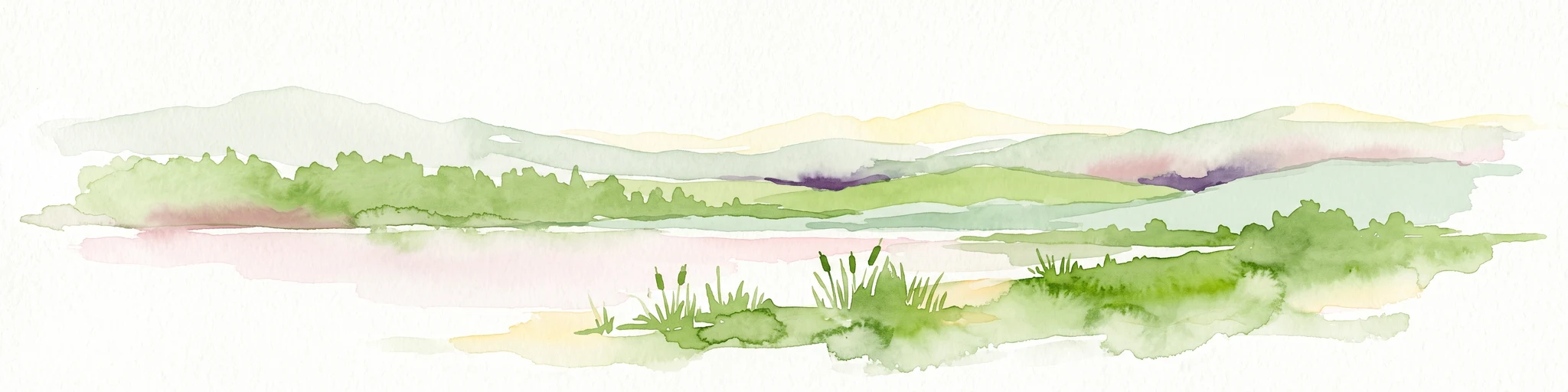
The physical landscape of Russky Sever is shaped by ancient glacial activity that left behind the Belozersko-Kirillovskaya ridge, a system of low hills and moraines that runs between several large lakes. These landforms moderate the flow of water across the territory, creating a distinctive pattern of ridges, basins, and lake-fed lowlands rather than dramatic peaks or coastal cliffs.
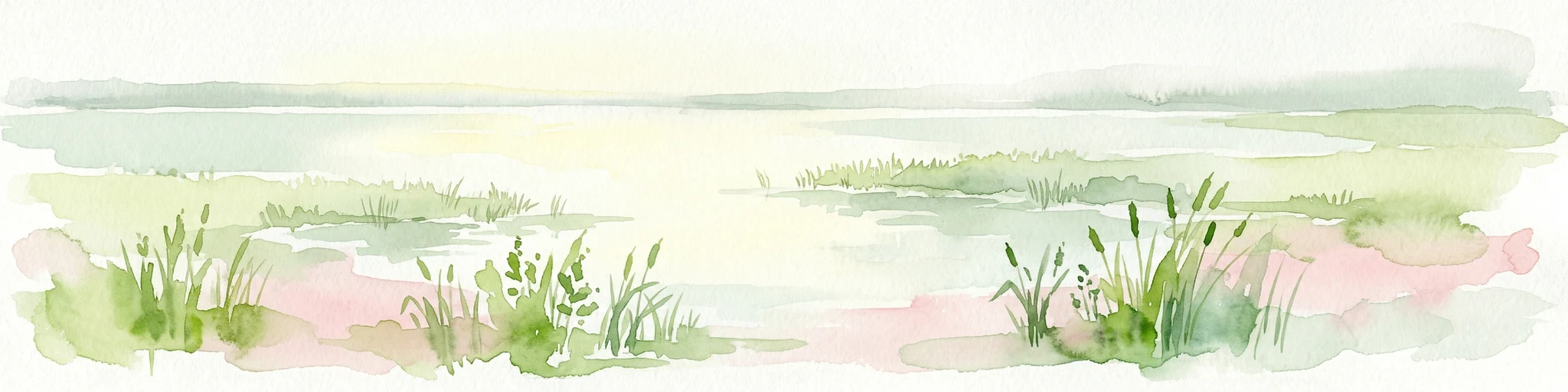
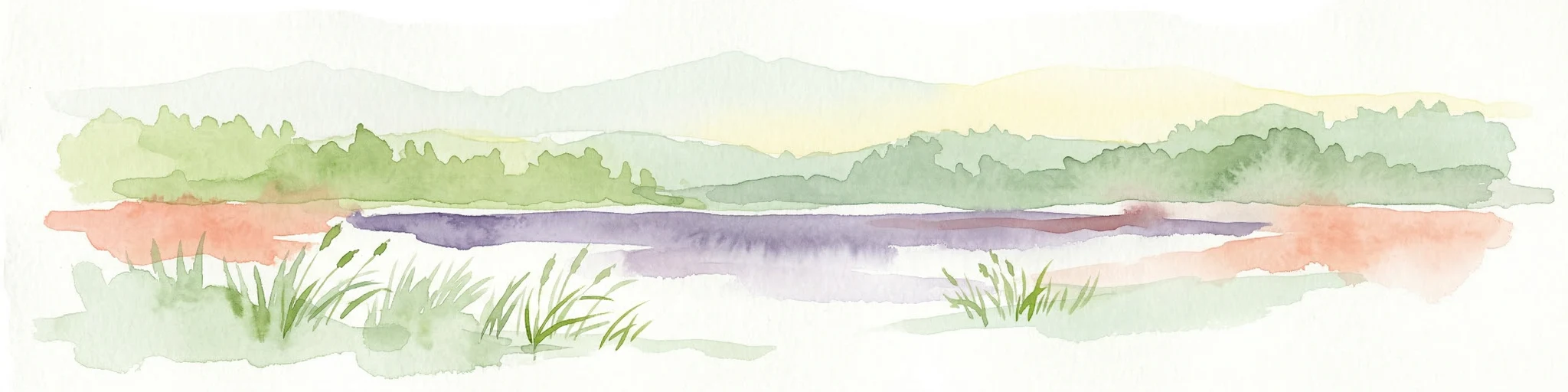
Water dominates the terrain visually and ecologically. The park sits between the great lakes of Beloye, Vozhe, and Kubenskoye, each of which influences local hydrology and climate. Inside the park boundary, hundreds of smaller rivers, streams, channels, and ponds give the land an intensively dissected water system, with switches of slow meanders, marshy floodplains, and narrow forested valleys. Two major historic waterways, the Volga-Baltic water route and the Sev-Dvinskaya canal system, also cross the territory and have become landscape features in their own right.
Forests wrap almost every element of this landscape. Roughly two-thirds of the park's area is wooded, and large old-growth pine massifs such as the Shalgo-Bodunovsky Bor and Sokolsky Bor serve as the most intact expressions of the natural landscape. These forest blocks contrast with meadow clearings, peatland patches, and the scattered agricultural land that still occupies roughly half of the park, included without full removal from хозяйственное use. The result is a mosaic where forest cover, open water, wetland, and historically cleared land remain interwoven.
Russky Sever National Park ecosystems, habitats, and plant life
The natural identity of Russky Sever rests on its position at an important biogeographical boundary. The park marks the northern distribution limit of several broadleaf tree species, including maple, linden, and elm, and also hosts hazel and wild apple, giving the vegetation a transitional feel between true southern broadleaf forest and northern taiga.
The flora is unusually diverse for such a northern latitude. The park lists 734 species of vascular plants, 174 species of leafy mosses plus subspecies and varieties of liverworts, about 130 lichen species, and over 400 documented fungi. Several species are considered rare or endangered at the regional or federal level, including 10 species listed in the Red Data Book of the Russian Federation and 88 species in the regional Red Data Book of Vologda Oblast. The presence of the rare Calypso bulbosa orchid has been used as a symbolic image of the park's botanical interest.
Two forest massifs anchor the park's ecological character. The Shalgo-Bodunovsky Bor is a remote pine forest of high conservation value, while the Sokolsky Bor is a more accessible pine forest widely used for recreation. Together they represent some of the better-preserved pine-dominated ecosystems in the Russian North, providing habitat continuity, structural complexity, and a backdrop to the broader taiga mosaic that covers most of the park. The abundance of surface water and the park's location near the southern boreal zone contribute to a wide range of forest types across a compact area.
Russky Sever National Park wildlife and species highlights
Wildlife in Russky Sever reflects the park's transitional biogeography. Its recorded fauna includes 31 fish species in local waters, 7 amphibian species, 6 reptile species, 214 bird species, and 50 mammal species, for a total of 305 vertebrate species documented in or near the park. Special protection is needed for roughly 86 of these species, indicating a relatively high share of rare or sensitive taxa.
The park has become increasingly important for large raptors. In recent years the white-tailed eagle (орлан-белохвост) and the osprey (скопа), both listed in the Red Data Book of the Russian Federation, have established local breeding populations, supported by the combination of mature forest cover, numerous lakes and rivers, and reduced disturbance on protected land. This raptor presence is one of the clearest conservation outcomes of the park's protected status.
Other characteristic species follow the broader taiga-and-mire template of the region, with patterned use of lake shorelines, river valleys, mature pine forest, and wetland patches. The mix of forest and water provides nesting habitat for waterfowl and shorebirds, hunting and denning habitat for mammals, and seasonal resources for migratory species. The dense river network also supports productive fish populations, which in turn influence the food web for birds and larger mammals.
Russky Sever National Park conservation status and protection priorities
The conservation role of Russky Sever is twofold: it safeguards a transitional forest-lake ecosystem at the northern edge of several broadleaf ranges, and it preserves the landscape setting in which the natural and cultural values of the Russian North remain connected rather than fragmented.
By IUCN Category II designation and federal protected-area status, the park combines strict conservation with regulated traditional use, and roughly half of its territory is included without expropriation from ongoing хозяйственное activity. This allows preservation of the forest cover and hydrology while maintaining ecological continuity with neighboring landscapes, which is considered important for species such as large raptors that require extensive home ranges.
The presence of 10 plant species and dozens of animal species listed in federal and regional Red Data Books gives the park particular conservation weight. The successful breeding establishment of the white-tailed eagle and osprey within the park demonstrates how its combination of mature forest, lake systems, and protected status can support the recovery of species that are rare elsewhere in European Russia.
Russky Sever National Park cultural meaning and human context
The cultural identity of Russky Sever National Park is inseparable from the broader concept of the Russian North (Русский Север), a region historically understood as a heartland of traditional Slavic-Russian spirituality, wooden architecture, folk craft, and monastery culture. The park's name itself reflects this regional identity, framing it as a guardian of the natural environment in which Russian northern culture developed.
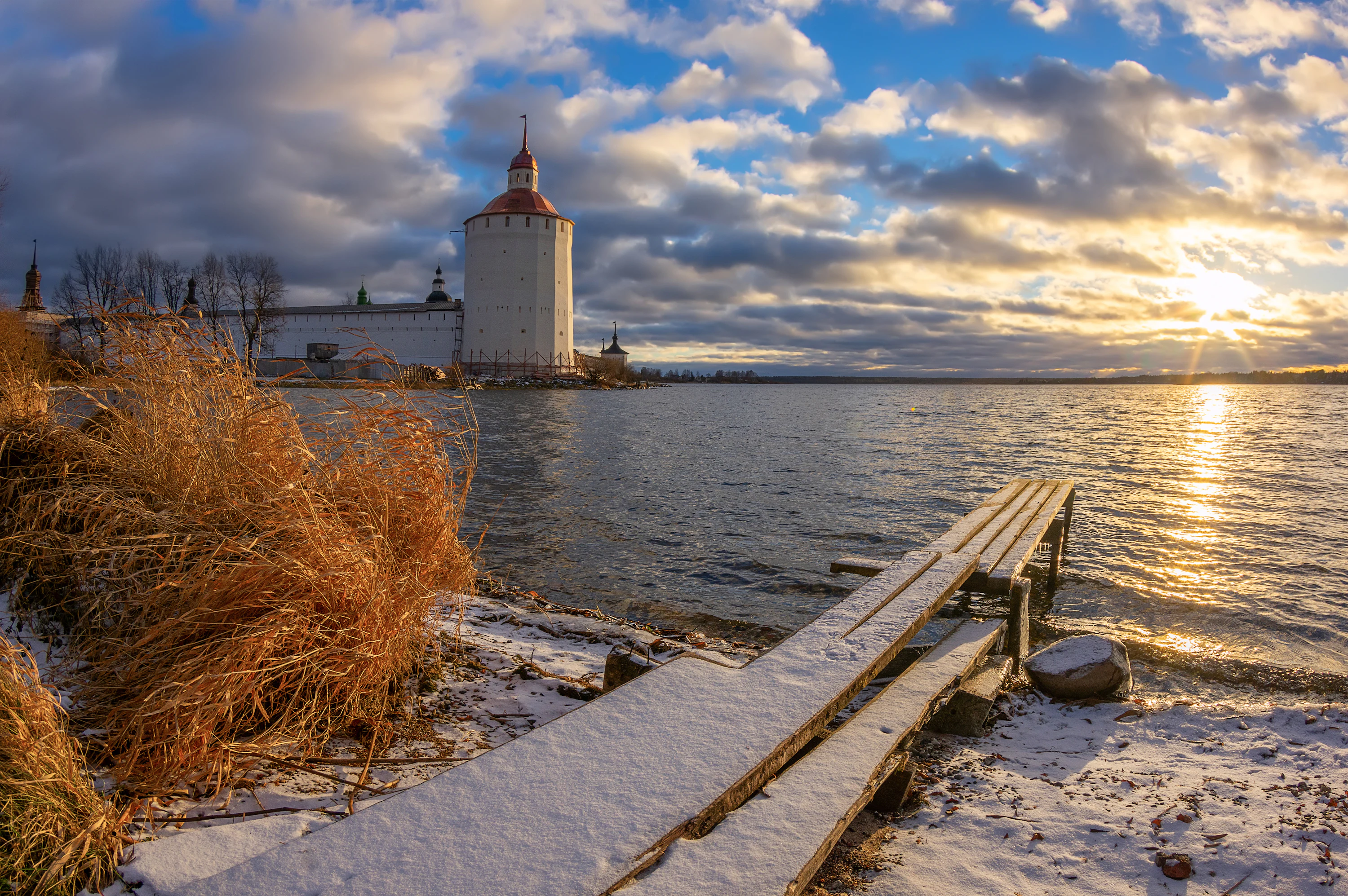
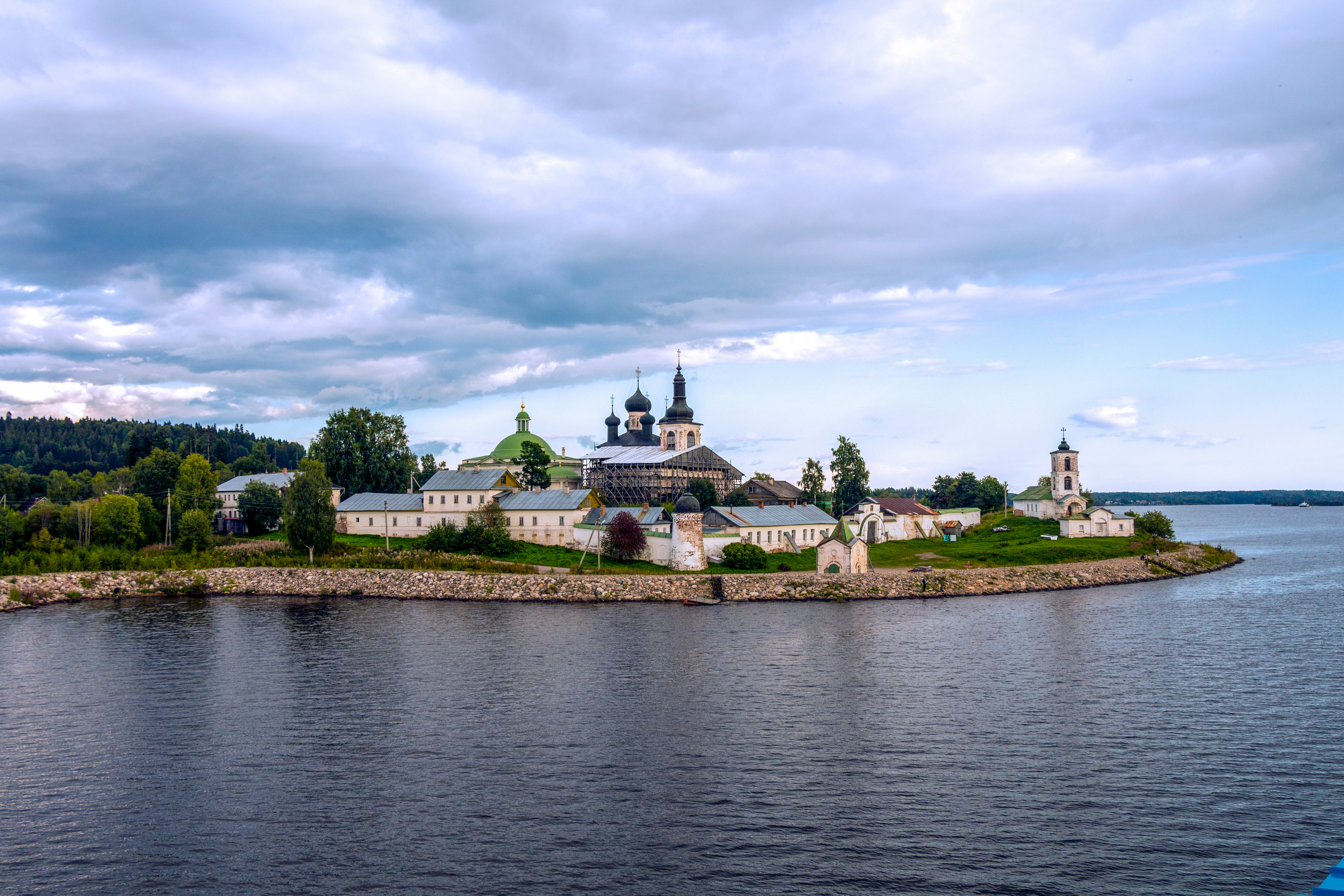
Monasteries are the most visible cultural layer. The Kirillo-Belozersky Monastery, once among the largest and most powerful in Russia, anchors the park's religious and architectural identity, while the Goritsky Monastery represents a smaller but historically significant women's religious community. The Ferapontov Monastery, a UNESCO World Heritage Site, is celebrated for its 15th- to 16th-century frescoes by the painter Dionisius and is one of the most important monuments of medieval Russian art. The Nilo-Sorskaya Hermitage adds a more remote and ascetic element to this monastic ensemble.
Beyond the monasteries, the park preserves the layered human history of the Russian North through archaeological sites along the Modlona and Porozovitsa rivers, which contain traces from multiple cultural periods of the region. Historic waterway engineering, including the early-19th-century Sev-Dvinskaya canal-locks system with its five canals and seven locks, is also recognized as an element of cultural and technical heritage within the protected landscape.
Top sights and standout views in Russky Sever National Park
Russky Sever National Park stands out for combining a major ecclesiastical and cultural heritage with a substantial protected natural territory. The presence of the Ferapontov UNESCO site within a functioning national park ecosystem, alongside the Kirillo-Belozersky and Goritsky monasteries and the Nilo-Sorskaya Hermitage, creates a rare convergence of spiritual, artistic, and ecological significance.
Ecologically, the park is defined by the Belozersko-Kirillovskaya ridge and its surrounding lakes, by large old-growth pine massifs such as the Shalgo-Bodunovsky and Sokolsky bors, and by the hydrological divide between the Caspian and White Sea basins. Ecotone species like maple, linden, and elm reaching their northern limit, along with established breeding populations of white-tailed eagle and osprey, give the park a distinctive profile in both flora and fauna.
Best time to visit Russky Sever National Park
The climate of the Vologda lake region offers a strongly seasonal experience. Late spring and early summer bring thawing lakes, lush green forest understory, and active birdlife, making the park feel alive and accessible on its network of small rivers and lake shores. Many visitors come during this season to combine nature exploration with monastery visits.
Summer is also when the park's recreational infrastructure is most fully available and when ferries and waterway crossings operate, supporting boat, hiking, and cultural-tourism itineraries that combine forested landscape with historic monastic sites. Autumn transforms the surrounding forests into a vivid taiga coloration, while the long, snowy winters of the Russian North give the park a quieter, more austere character, with frozen lakes and snow-covered monastery walls as the dominant visual theme. Visitors aiming for cultural tourism often prefer the warmer months, while those seeking quiet natural landscapes may find shoulder seasons rewarding.