Why Valdaysky National Park stands out
Valdaysky National Park is best known for its exceptional glacial lake district, featuring dozens of lakes embedded within the moraine landscape of the Valdai Hills. The park contains the historic town of Valday and the Valday Iversky Monastery, founded in 1653 and serving as a major cultural center for centuries. The combination of natural glacial landscapes, extensive forests, and deep historical significance distinguishes this park from other protected areas in central Russia. Its UNESCO Biosphere Reserve status reflects the ecological importance of its mixed forest ecosystems and the successful integration of conservation with sustainable recreation in a densely populated region of Russia.
Valdaysky National Park history and protected-area timeline
The human history of Valdaysky National Park extends back to the medieval period when the area belonged to the Novgorod Republic. Chronicles mention the Ignach Cross as a significant site within what is now the park boundaries, a location associated with the Mongol advance on Novgorod in 1238, where invaders reportedly turned back rather than proceeding to the city. The exact location of this site remains unknown, but its mention in historical records establishes the areas importance in regional history. Valday itself was first mentioned in chronicles in 1495, following the construction of a road connecting Novgorod to central Russia that facilitated population growth and economic development. The foundation of the Valday Iversky Monastery in 1653 marked a turning point in the regions cultural development, establishing an institution that would become a major center of religious and intellectual life in the area. By the beginning of the 20th century, all agricultural lands in the region were under cultivation, and the area began to develop as a recreational destination, a role that expanded significantly in the Soviet and post-Soviet periods. The national park was officially established on May 17, 1990, formalizing protections for the landscape while enabling sustainable tourism development. In 2004, the park achieved international recognition through its designation as a UNESCO Biosphere Reserve, acknowledging its successful integration of conservation, research, and sustainable use.
Valdaysky National Park landscape and geographic character
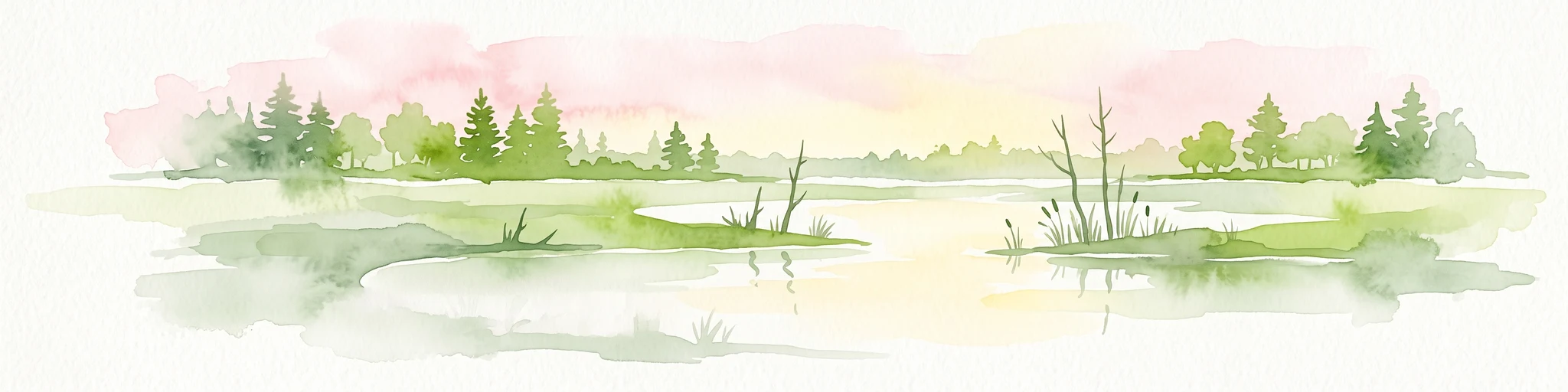
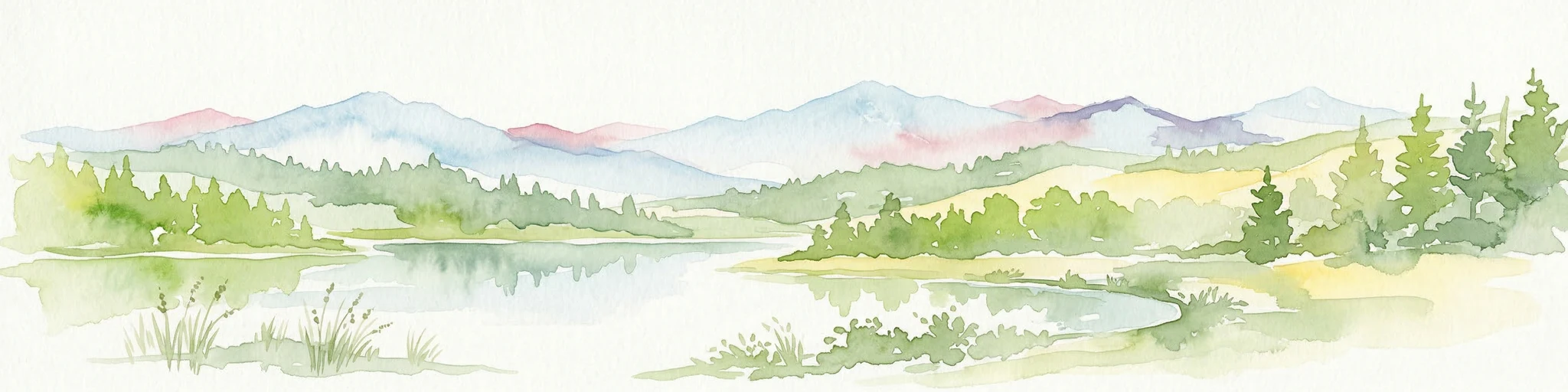
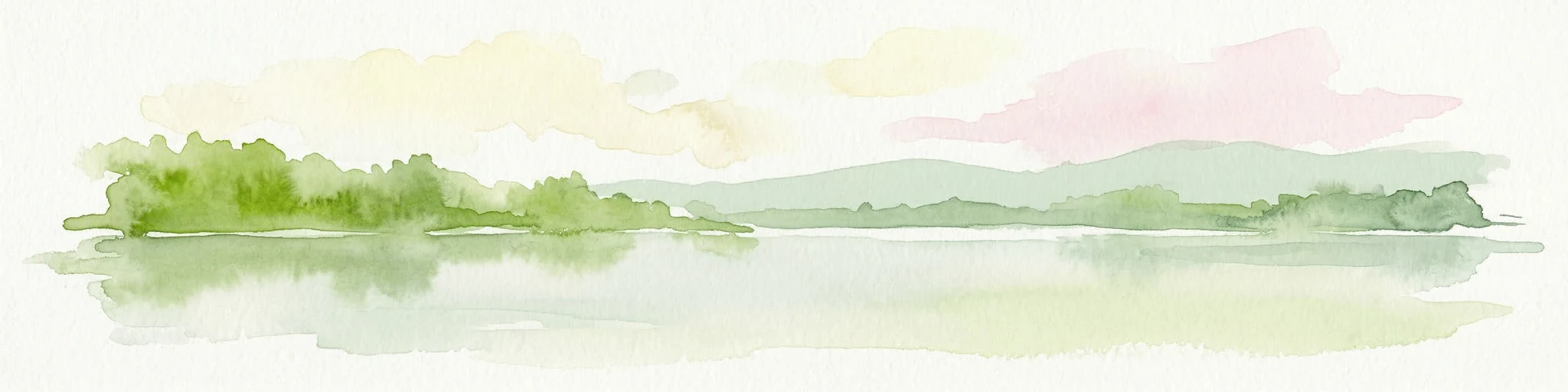
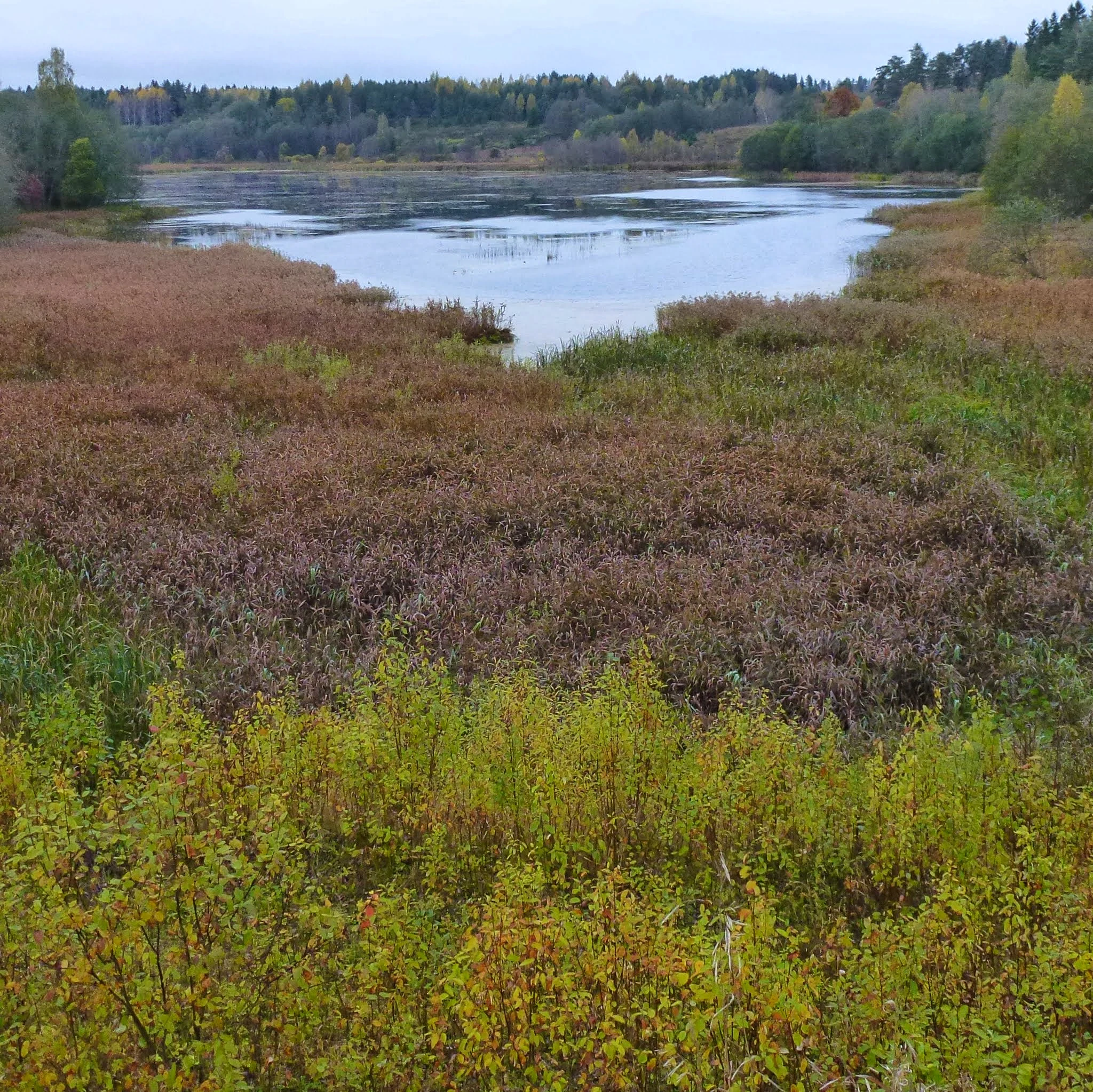
The landscape of Valdaysky National Park represents a classic example of glacial terrain formed during the Quaternary ice age. The parks location in the northern and highest part of the Valdai Hills means that its terrain features the characteristic hummocky topography left by retreating glaciers, with hills, kettle holes, and outwash plains creating a varied terrain across its 1,585 square kilometers. The glacial legacy is most prominently expressed in the parks numerous lakes, 76 in total, which occupy kettle depressions and glacial channels left by the retreating ice. The largest of these, Lake Valdayskoye, occupies a significant portion of the parks eastern section, while Lake Seliger extends into the park from the north. Smaller lakes including Lake Velyo, Lake Uzhin, and Lake Borovno add to the mosaic of aquatic habitats. The park belongs to multiple river basins, with the Pola, Msta, and Volga all having tributaries that originate within the park boundaries. The Valdayka River, flowing from Lake Uzhin, and the Polomet River exemplify the hydrological complexity of this glacial landscape.
Valdaysky National Park ecosystems, habitats, and plant life
The ecological character of Valdaysky National Park is defined by its extensive forest cover, which occupies approximately 86% of the parks total area across 1,362 square kilometers. The forest composition reflects the transitional position of the Valdai Hills between boreal and temperate zones, with birch forest as the dominant type, followed by alder, spruce, and pine. A particularly notable feature is the presence of oak forest, representing approximately 0.1% of the forested area and occurring at the northern limit of oaks natural range in Russia. This southernmost occurrence of oak in the region makes the park botanically significant, as these isolated oak stands represent relict populations from warmer climatic periods. Water bodies, primarily lakes, cover about 9% of the area, while swamps and wetlands account for nearly 3%, creating a heterogeneous landscape that supports diverse habitats from open water to forested wetlands. The park lies at the ecological crossroads of northern and central Russia, allowing species from both biogeographic regions to coexist within its boundaries.
Valdaysky National Park wildlife and species highlights
Valdaysky National Park supports a diverse fauna that reflects the parks position in the transitional zone between boreal and temperate Europe. The park records indicate fifty species of mammals, 180 species of birds, and approximately forty species of fish within its boundaries. The larger mammalian predators include brown bear, lynx, and grey wolf, representing the apex predators typical of extensive forest ecosystems. Common species throughout the park include red fox, mink, marten, moose, and wild boar, the latter two being particularly associated with the forest clearings and wetland edges that punctuate the heavily forested landscape. The numerous lakes and wetlands provide critical habitat for waterfowl and birds associated with aquatic environments, while the diverse forest structure supports both cavity-nesting species and species requiring mature forest for breeding. The fish community of the glacial lakes includes species adapted to the relatively cold, clear waters characteristic of the regions lakes.
Valdaysky National Park conservation status and protection priorities
The conservation significance of Valdaysky National Park is recognized at both national and international levels, most notably through its UNESCO Biosphere Reserve designation since 2004. This status reflects the parks successful demonstration of how protected area management can balance ecological preservation with sustainable human use in a region of long-standing agricultural and recreational activity. The parks forest ecosystems represent a conservation priority as they contain some of the last extensive tracts of semi-natural forest in central Russias populated zone. The oak forest remnants at their northern range limit are of particular botanical conservation importance, representing genotypes adapted to conditions more severe than typical oak habitat. The network of lakes and wetlands provides important habitat for migratory birds along the East Atlantic Flyway, while the presence of apex predators indicates a relatively intact food web. The integration of the town of Valday and surrounding communities within the park boundary presents both challenges and opportunities for conservation, requiring management approaches that accommodate human settlement while maintaining ecological integrity.
Valdaysky National Park cultural meaning and human context
The cultural heritage of Valdaysky National Park extends beyond the natural landscape to encompass centuries of human presence and settlement in the Valdai region. The medieval period saw the area incorporated into the Novgorod Republic, with the regions lakes and forests providing resources and routes for trade and communication. The Valday Iversky Monastery, founded in 1653, became a defining cultural institution for the region, attracting pilgrims and serving as a center of learning and artistic patronage. The monasteries architecture and its setting on the shores of Lake Valdayskoye created a visual landscape that inspired Russian artists and writers from the 19th century onward, establishing the region as a subject of national artistic importance. The historic estates scattered throughout the park area represent the cultural landscape of the Russian gentry, with 19th-century country houses and their associated parks and gardens contributing to the regions character. This cultural layer, integrated with the natural landscape, has shaped visitor expectations and experiences in the region for generations.
Top sights and standout views in Valdaysky National Park
The glacial lake district of Valdaysky, with its 76 lakes including the prominent Lake Valdayskoye and Lake Seliger, represents the parks most distinctive natural feature and primary visual identity. The historic Valday Iversky Monastery provides a cultural anchor for visitors, its 17th-century architecture set against the backdrop of forested lake shores. The oak forest remnants at the northern edge of the oaks range offer a botanically significant habitat type not found elsewhere in the region at this latitude. The presence of brown bear, lynx, and grey wolf within the parks boundaries represents ecological integrity rare in European Russias populated landscapes. The UNESCO Biosphere Reserve status acknowledges the parks successful model of integrating conservation with sustainable tourism development.
Best time to visit Valdaysky National Park
The best time to visit Valdaysky National Park spans the warmer months from late spring through early autumn, when the parks natural features are most accessible and the seasonal transformations of the landscape offer varied experiences. May and June bring the spring green-up of deciduous forests and the breeding season for many bird species, while July and August offer the warmest conditions for lake-based activities and hiking. Autumn in September and October brings color to the birch and aspen groves, creating a distinctive visual character to the forests. Winter visits are possible but require preparation for cold conditions and reduced services, though the snow-covered landscape offers a different perspective on the glacial terrain. The parks popularity as a tourist destination means that summer weekends can be busy, particularly around Lake Valdayskoye, while shoulder seasons may offer quieter experiences.