Mori Atlas logo
National parkRāzna National Park

Discover the mapped boundaries and glacial terrain of Latvia's youngest national park.

Rāzna National Park: Protected Landscape Atlas & Geographic Context in Latgale

(Rāznas Nacionālais Parks)

Rāzna National Park represents a significant protected landscape within the Latgale region of eastern Latvia. This national park, established to preserve its unique glacial terrain and diverse ecosystems centered around Lake Rāzna, offers a rich subject for geographic and atlas-based exploration. Users can discover the park's mapped boundaries, its prominent lake-dotted topography, and its importance as a protected area within the broader Latvian geography.

National ParkLakeWetlandsGlacial LandscapeBirdwatchingForests
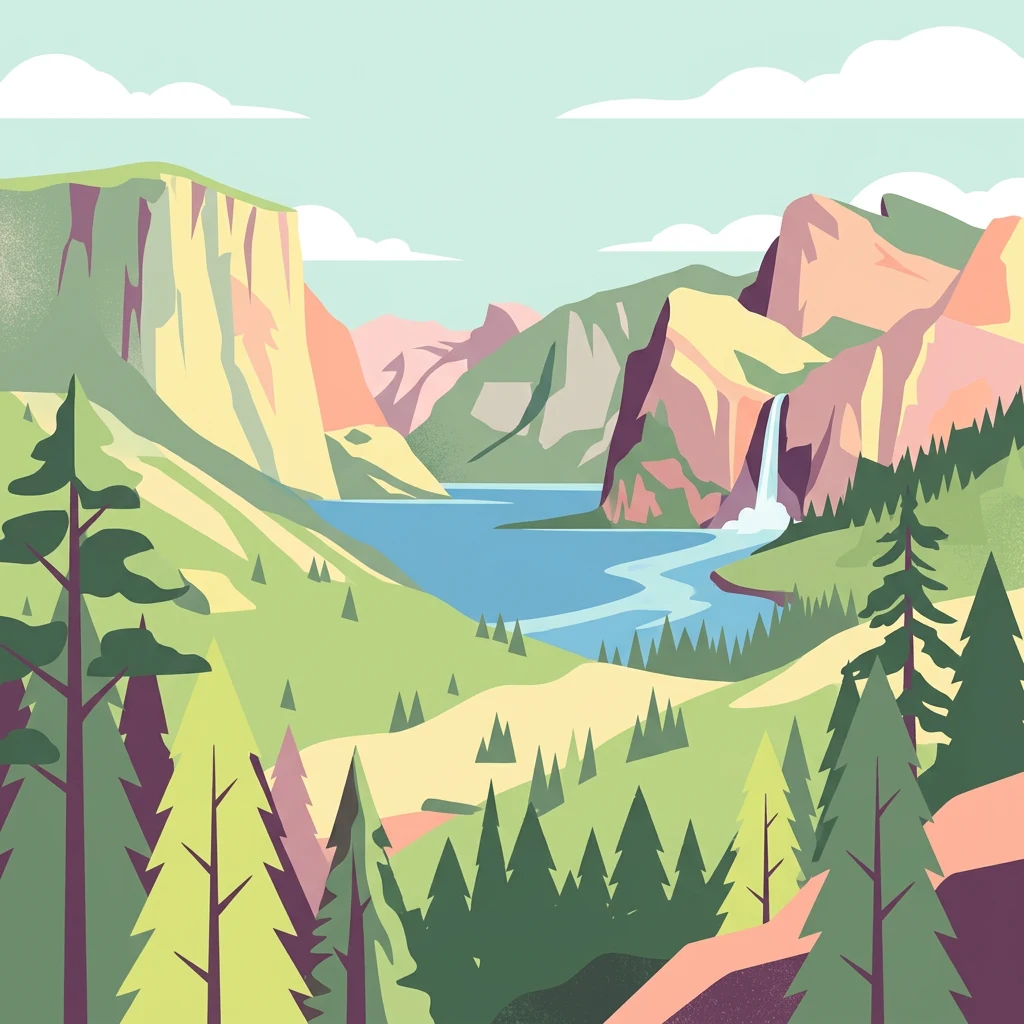
Stylized illustration of a mountainous landscape with a lake, waterfall, and coniferous forest under a partly cloudy sky

Rāzna National Park

National park

Park overview

Structured park overview, official facts, and landscape profile for Rāzna National Park

Rāzna National Park park facts, protected area profile, and essential visitor context
Review the core facts for Rāzna National Park, including designation, size, terrain, visitor scale, habitats, and operating context in one park-focused overview.

About Rāzna National Park

Rāzna National Park occupies a distinctive position in Latvia's protected area network as the youngest national park, established in 2007 to provide formal protection to the Latgale Highlands' most significant lake and its surrounding landscapes. The park's creation marked the culmination of decades of conservation efforts in the region, which began with early protection of Ežezera islands in 1928 and evolved through various designations including nature reserve status for multiple sites in 1977 and the eventual establishment of Rāzna Nature Park in 2003.

The park's defining feature is Lake Rāzna, a large and ecologically significant body of water covering 57.6 square kilometers with an average depth of 7 meters and a maximum depth of 17 meters. The lake contains ten islands totaling 24.6 hectares and serves as the headwaters for the Rēzekne River, connecting the park to broader hydrological systems. The surrounding terrain creates a varied landscape of rolling hills, forested slopes, wetland basins, and open agricultural areas that together form one of Latvia's most ecologically diverse protected areas.

Beyond its natural values, the park encompasses substantial cultural heritage with 72 state-protected cultural monuments within its boundaries, including hillforts, archaeological sites, manor buildings, and traditional farmsteads. The Andrupenes lauku sēta (Andrupene farmstead) represents a particularly well-preserved example of traditional Latgale rural architecture and serves as both a museum and a center for preserving regional culinary traditions. This cultural dimension adds depth to the park's identity, connecting contemporary conservation efforts to the long human history of the Latgale region.

Quick facts and research context for Rāzna National Park

Rāzna National Park covers 596.14 km² in eastern Latvia's Latgale region, making it the second-largest and youngest of Latvia's four national parks. The park centers on Lake Rāzna (57.6 km²), the country's second-largest lake by surface area and largest by volume, which feeds the headwaters of the Rēzekne River. The terrain features rolling hills and moraine ridges shaped by glacial processes approximately 16,000 years ago. Management is organized across four zones: a core nature reserve comprising roughly 6% of the area, a national park zone permitting low-intensity forestry and farming, a landscape protection zone preserving traditional land-use patterns, and a minimal-regulation zone allowing natural evolution of human-influenced areas.

Park context

Deeper park guide and search-rich context for Rāzna National Park

Rāzna National Park history, landscape, wildlife, and travel context
Explore Rāzna National Park through its history, landscape character, ecosystems, wildlife, conservation priorities, cultural context, and seasonal travel timing in a structured park guide built for atlas discovery and search intent.

Why Rāzna National Park stands out

Rāzna National Park is best known for Lake Rāzna, the second-largest lake in Latvia, which dominates the protected area and serves as a critical ecological and hydrological feature. The park is distinguished by its exceptional bird biodiversity, hosting more than 340 species within an EU-designated Important Bird Area, including notable species such as the great bittern and several grebe species. The area is also recognized for its rich mosaic of wetlands, including the lake-rich Ežezers (Ešezers), which holds the highest concentration of islands in the Baltic region with 36 true islands spanning 78 hectares. The park's cultural heritage is evident in its 72 protected monuments, including hillforts, manor complexes, and traditional farmsteads that reflect Latvia's eastern regional identity.
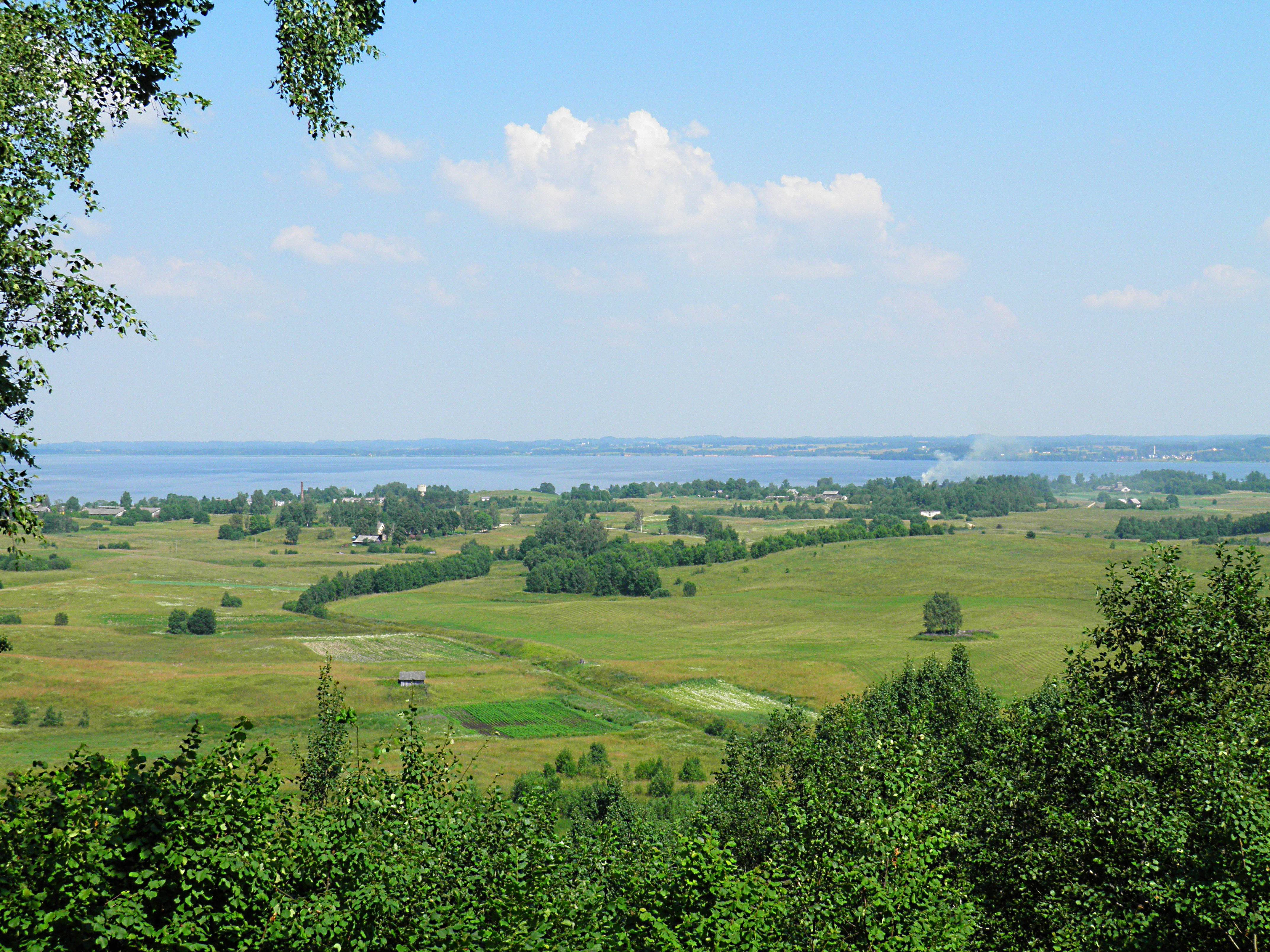
Wide landscape view of Lake Rāzna with green fields, trees, and distant horizon under a partly cloudy sky
Panoramic view of Lake Rāzna from Mākoņkalns in Rāzna National Park

Rāzna National Park history and protected-area timeline

The protection of Rāzna National Park's natural values has a long history extending back to the early twentieth century. The first formal protection in the area came in 1928 when the islands of Ežezera (Ešezers) received state-level protection to preserve their botanical values, marking one of Latvia's earliest conservation actions for island ecosystems. This initial designation established a precedent for the region's ecological recognition that would eventually expand into comprehensive national park status.

The modern conservation framework for the area began taking shape in 1977 when six specially protected natural territories were established within what would later become the national park, including both botanical and complex nature reserves as well as landscape protection areas. The proposal to create a larger protected area encompassing Lake Rāzna and its surroundings was first advanced in 1991, reflecting growing recognition of the region's ecological significance.

Rāzna received formal nature park status in 2003 when the Cabinet of Ministers adopted specific protection and use regulations for the territory. In 2005, the nature park was included in the list of European-importance protected territories under the Natura 2000 network, establishing its status within the broader European conservation framework. The transition to national park status came at the end of 2006 with legislative changes that took effect on January 1, 2007, creating Rāzna National Park as the youngest of Latvia's four national parks and the second largest in terms of area.

Rāzna National Park landscape and geographic character

The landscape of Rāzna National Park reflects its glacial origins, characterized by rolling hills, moraine ridges, and the abundant lakes left behind by ice-age processes approximately 16,000 years ago. The Latgale Highlands provide a varied terrain that contrasts with the flatter landscapes found in other parts of Latvia, creating scenic diversity within a relatively compact protected area. The park contains more than twenty lakes of varying sizes, with Lake Rāzna serving as the dominant hydrological feature.

Lake Rāzna stands as the park's centerpiece, covering 57.6 square kilometers and representing the second-largest lake in Latvia by surface area and the largest by volume at 0.405 cubic kilometers. The lake reaches a maximum depth of 17 meters and contains ten islands with a combined area of 24.6 hectares. The lake's shores vary from pebbly beaches to marshy wetlands, with the eastern portions featuring notably sandy substrates that support specialized plant communities.

Ežezera (Ešezers), located within the park, holds special distinction as the most island-rich lake not only in Latvia but in the entire Baltic region, with 36 true islands covering 78 hectares alongside numerous additional islets and wetlands. The park's elevated terrain includes several prominent viewpoints such as Lielais Liepukalns, Mākoņkalns, and Dzerkaļu kalns, which provide panoramic vistas over the lake-dotted landscape. Forests cover approximately half of the park's territory, with the most biologically valuable stands preserved on steep slopes, river valleys, and lake islands.

Rāzna National Park ecosystems, habitats, and plant life

Rāzna National Park supports a remarkable diversity of habitats that together form one of Latvia's most ecologically significant protected areas. The park's mosaic of forests, wetlands, grasslands, and aquatic environments creates conditions for exceptional biodiversity, with approximately 125 specially protected species recorded within its boundaries. This ecological richness reflects both the variety of habitats present and the relatively limited extent of large-scale drainage or agricultural intensification that has affected other parts of Latvia.

Forests dominate roughly half of the park's area, with deciduous species predominating and conifers comprising approximately one-third of forest cover. The most valuable forest communities have persisted on steep hillsides, river valleys, and lake islands where logging has been limited. Broadleaf species including oak, ash, maple, and lime create structurally diverse canopies, while birch, alder, and aspen form extensive successional stands. The park's forests support important populations of cavity-nesting birds and contain numerous old-growth trees that provide habitat for lichens, bryophytes, and invertebrates.

Wetland ecosystems throughout the park include fens, marshes, and lake margins that provide critical habitat for waterbirds, amphibians, and specialist plant species. The shallow, vegetated margins of lakes like Kaunatas ezers support colonial waterbird nesting colonies, while the interconnected wetland complexes serve as important migratory pathways and foraging areas. Grassland habitats, though dependent on ongoing management through mowing or grazing, support diverse plant communities including numerous protected orchid species and other specialist meadow species.

Rāzna National Park wildlife and species highlights

The wildlife of Rāzna National Park reflects the park's diverse habitats and its status as an Important Bird Area of European significance. More than 340 bird species have been recorded within the park, making it one of Latvia's most bird-rich protected areas. The wetland and lake environments provide critical nesting and foraging habitat for waterbirds, with the great bittern (Botaurus stellaris) and several grebe species among the notable residents. The park's grasslands support breeding populations of the corncrake (Crex crex) and the red-backed shrike (Lanius collurio), while the lesser spotted eagle (Aquila pomarina) hunts over open areas.

Mammal populations within the park include species typical of Latvia's eastern forests, with the Eurasian beaver (Castor fiber), Eurasian otter (Lutra lutra), and grey wolf (Canis lupus) representing the larger mammals present. The park's forests provide habitat for lynx (Lynx lynx), which along with wolves represents Latvia's predator community. At least 44 mammal species have been recorded in the park, representing approximately 72% of Latvia's total mammal fauna, including nine bat species that utilize the lake ecosystems for foraging.

The aquatic environments support diverse fish communities, with 24 species recorded through monitoring in the park's lakes since 1989. Lake Rāzna holds 19 fish species, while Ežezera supports 14 species. Notable fish species include the wels catfish (Silurus glanis), pike (Esox lucius), and the artificially established population of Coregonus lavaretus. The park's amphibians include six species, with the fire-bellied toad (Bombina bombina) representing a particularly notable species that was introduced to the park through conservation translocation efforts between 2006 and 2008.

Rāzna National Park conservation status and protection priorities

Rāzna National Park serves as a cornerstone of Latvia's conservation network, protecting habitats and species of European importance within the Natura 2000 framework. The park's designation as an Important Bird Area reflects its significance for waterbirds, migratory species, and grassland birds whose populations have declined across much of Europe. The multiple management zones within the park attempt to balance strict nature protection with sustainable use, allowing low-intensity forestry and traditional farming in certain areas while maintaining core reserves where natural processes can proceed with minimal intervention.

The park faces ongoing challenges related to balancing conservation objectives with the needs of approximately 5,000 residents who live within its boundaries on privately owned land. Research has documented tensions between formal conservation regulations and traditional land management practices, with misunderstandings about permitted activities sometimes creating conflict. The Nature Protection Agency has initiated programs including volunteer ranger training and community outreach to improve dialogue and build local support for conservation goals.

Protection of specific biodiversity elements includes the creation of micro-reserves for specially protected habitats and species, such as the oak forest biotope in the Rāzna lake inlet (Bulāni) established in 2008 and protections for Šultesa madara (Galium schultessii) at Lake Ismeru. Eight nature reserve zones totaling 907.4 hectares protect the most sensitive ecosystems, while seventeen neutral zones covering 3,706.4 hectares accommodate existing settlements and their traditional land-use patterns.

Rāzna National Park cultural meaning and human context

The cultural landscape of Rāzna National Park reflects the long human history of Latvia's Latgale region, with the park boundaries encompassing 72 state-protected cultural monuments representing various periods and types of heritage. The region has historically been influenced by multiple cultural traditions, and this easternmost region of Latvia maintains distinct cultural characteristics that differentiate it from the rest of the country.

Traditional farmsteads and manors scattered throughout the park provide tangible connections to rural life in Latgale. The Andrupenes lauku sēta represents a particularly significant complex, preserved as a museum while also functioning as a center for Latgale culinary heritage through its participation in regional food networks. The Lūznavas muiža (Lūznava manor) and other estate complexes reflect the architectural heritage of the estate period, while numerous hillforts throughout the park area speak to earlier settlement patterns.

The park's population of approximately 5,000 residents maintains active agricultural use of the landscape, with farming and forestry continuing as important land uses within the protected area framework. This living cultural landscape represents both a challenge and an opportunity for conservation, requiring ongoing dialogue between protection objectives and community needs. The Dabas izglītības centrs

Top sights and standout views in Rāzna National Park

Rāzna National Park offers visitors a distinctive combination of natural and cultural experiences shaped by Latvia's eastern landscape. Lake Rāzna provides the park's primary attraction, with its extensive open waters, islands, and scenic shorelines supporting boating, fishing, and birdwatching opportunities. The observation tower on Lielais Liepukalns offers panoramic views across the lake-dotted landscape, while numerous hiking trails allow exploration of the park's forests, wetlands, and cultural sites.

The park's exceptional birdlife makes it a destination for ornithologists and nature enthusiasts, with the diversity of waterbird habitats supporting both breeding populations and migratory gatherings. The island-rich Ežezera provides a particularly unique landscape within the Baltic region. Cultural heritage sites including traditional farmsteads, manors, and hillforts add historical depth to visitor experiences, while the Dabas izglītības centrs

Best time to visit Rāzna National Park

The optimal time to visit Rāzna National Park depends on the nature of the experience sought. Summer months (June through August) offer the warmest conditions for outdoor activities, with long daylight hours providing extended opportunities for hiking, boating, and wildlife observation. The lake waters become suitable for swimming during this period, and the grassland wildflower displays peak in mid-summer.

Spring and autumn present excellent conditions for birdwatching, as migratory species pass through the park during these seasons. The wetland areas and lake margins attract large numbers of waterfowl during spring migration, while autumn brings additional species moving south. These shoulder seasons also offer fewer visitors and often atmospheric conditions with dramatic skies over the lake landscapes. Winter transforms the park into a quieter environment, with frozen lakes and snow-covered forests offering opportunities for winter walking, though some facilities may have reduced services. The park's year-round appeal reflects its varied ecosystems, each season bringing different aspects of the landscape into prominence.
Park location guide

Geography guide, regional context, and park location map for Rāzna National Park

Rāzna National Park park geography, regions, and map view in Latvia
Understand where Rāzna National Park sits in Latvia through a broader geographic reading of the surrounding landscape, nearby location context, and its mapped position within the national park landscape.

How Rāzna National Park fits into Latvia

Latvia is a unitary parliamentary republic and one of the three Baltic states in northern Europe. It declared independence from Russia on 18 November 1918, experienced Soviet occupation from 1940 to 1991, and restored full independence in 1991. The country joined the European Union in 2004. Latvians, who comprise 65.5% of the population, are the titular ethnic group and speak the Latvian language.

Wider geography shaping Rāzna National Park in Latvia

Latvia is located in the Baltic region of northern Europe along the eastern shore of the Baltic Sea. It borders Estonia to the north, Lithuania to the south, Russia to the east, and Belarus to the southeast. The country shares a maritime border with Sweden to the west. The terrain is largely flat with lowland plains and hills, characterized by extensive forests, lakes, and rivers.

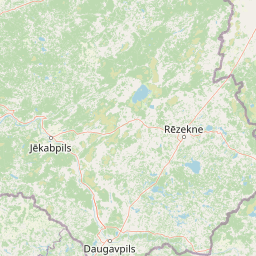
Map view of Rāzna National Park

Use this park location map to pinpoint Rāzna National Park in Latvia, understand its exact geographic position, and read its mapped placement within the surrounding landscape more clearly.

Pigeon | © OpenStreetMap contributors

Location context for Rāzna National Park

Latgale

Visually Understand Rāzna National Park's Lake-Dominated Terrain, Extensive Wetlands, and Forested Protected Area Character

Rāzna National Park Photos: Visual Exploration of Latvia's Glacial Lakes and Diverse Protected Landscapes
Browse a visual atlas of Rāzna National Park through photography, showcasing its expansive Lake Rāzna, island-rich Ežezers, and diverse glacial landscapes. These images provide essential visual context, revealing the park's specific habitats, terrain features, and overall protected area environment for deeper geographic understanding.

Wide landscape view of Lake Rāzna with green fields, trees, and distant horizon under a partly cloudy sky

Calm lake with wooden dock extending into water, tall reeds in foreground, cloudy sky

Park atlas

Map the diverse protected landscapes of Eastern Latvia, exploring regional park geography and ecological connections

Discover Related National Parks and Protected Areas Near Rāzna National Park
After exploring Rāzna National Park, browse other national parks and protected areas across Latvia's eastern glacial landscape, identifying diverse wetlands, forests, and cultural sites. MoriAtlas helps users trace the regional spread of protected areas, offering structured insights into similar lake-rich or bird habitat conservation zones for further exploration.
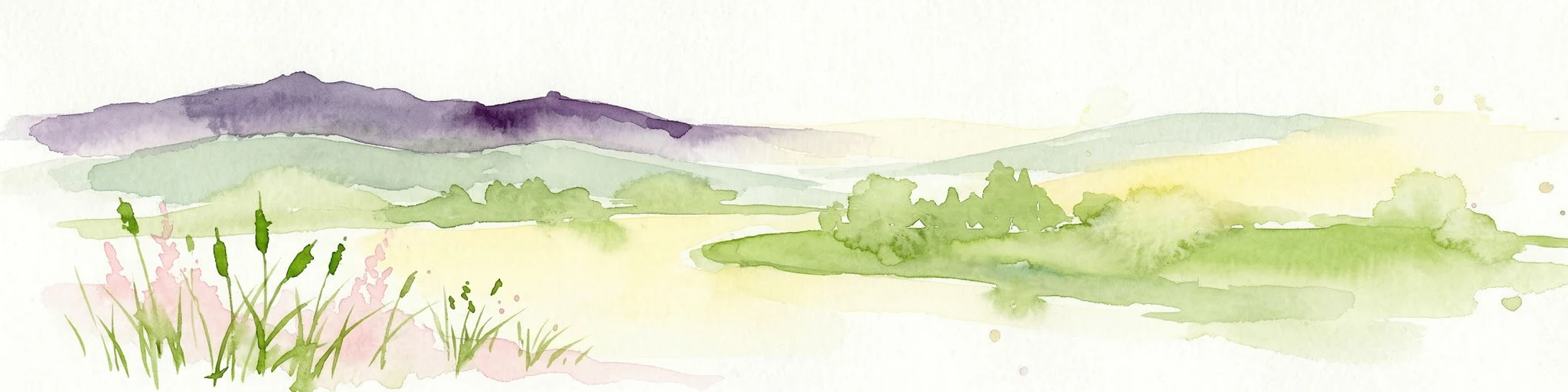
Watercolor painting of a lake with green forested islands and distant mountains under a pastel sky
National parkPskov Oblast

Sebezhsky National Park: National Park within Pskov Oblast's Regional Geography

Mapped protected landscape and regional context

Sebezhsky National Park is a designated national park offering a distinct protected landscape within the Pskov Oblast of northwestern Russia. This page provides essential details for atlas exploration, focusing on the park's mapped boundaries, its role as a protected area, and its contribution to the regional geography of the Pskov Oblast. Users can understand its place within a broader mapping of Russia's natural territories and protected lands.

Area
500.21 km²
Established
1996
IUCN
II
Relief
Highland
National park

Braslaw Lakes National Park: Protected Glacial Lake Landscape Atlas

Mapped boundaries and terrain of a key Belarusian protected area.

Braslaw Lakes National Park presents a fascinating protected landscape defined by its extensive glacial lake chain, lush forests, and vital wetland ecosystems. As a significant natural region in northern Belarus, it offers valuable insights into lacustrine environments and glacially formed terrain. This park serves as a prime example of protected land within the Vitebsk Region, ideal for exploring its mapped geography, understanding its ecological importance, and appreciating the unique character of Eastern Europe's lake districts through a structured atlas lens.

National park

Aukštaitija National Park: Lithuania's Oldest National Park and Protected Landscape Exploration

Mapped geography and lake district atlas for this Baltic region park.

Delve into Aukštaitija National Park, Lithuania's pioneering national park and a key protected area in the Baltic region. This detailed atlas entry highlights its defining geography: an extensive mosaic of over 120 lakes interwoven with ancient pine forests across undulating highlands. Understand the park's protected landscape, its mapped boundaries, and its ecological significance within Eastern Europe's natural terrain.

Area
410.56 km²
Established
1974
IUCN
II
Relief
Upland
National parkMinsk Region

Narachanski National Park: Belarus's Premier National Park and Lake District Atlas

Explore protected glacial terrain and diverse lake systems.

Narachanski National Park is the crown jewel of Belarus's lake district, a protected national park safeguarding a landscape defined by glacial origins and extensive freshwater systems. Centered around Lake Narach, the park's territory within Minsk Region showcases a varied terrain of moraine hills, depressions, and over 30 lakes. This atlas perspective highlights the park's unique geological features, extensive forests, and its role as a vital protected area for understanding regional geography.

Area
933 km²
Established
1999
IUCN
II
Relief
Lowland
Watercolor illustration showing rolling hills, meadows, wildflowers, and distant mountains
National park

Karula National Park: Detailed Map and Protected Landscape Context in Southern Estonia

Explore Karula Uplands' rolling terrain, lakes, and forests.

Karula National Park, Estonia's smallest national park, presents a densely clustered landscape of rolling hills, over 40 lakes, and extensive forest cover across the Karula Uplands. This protected area is a vital component of southern Estonia's natural geography, offering a rich mosaic of habitats. MoriAtlas facilitates a structured exploration of its mapped boundaries and the diverse ecosystems that define this distinctive natural landscape.

Area
123.64 km²
Established
1979
Relief
Upland
Climate
Temperate
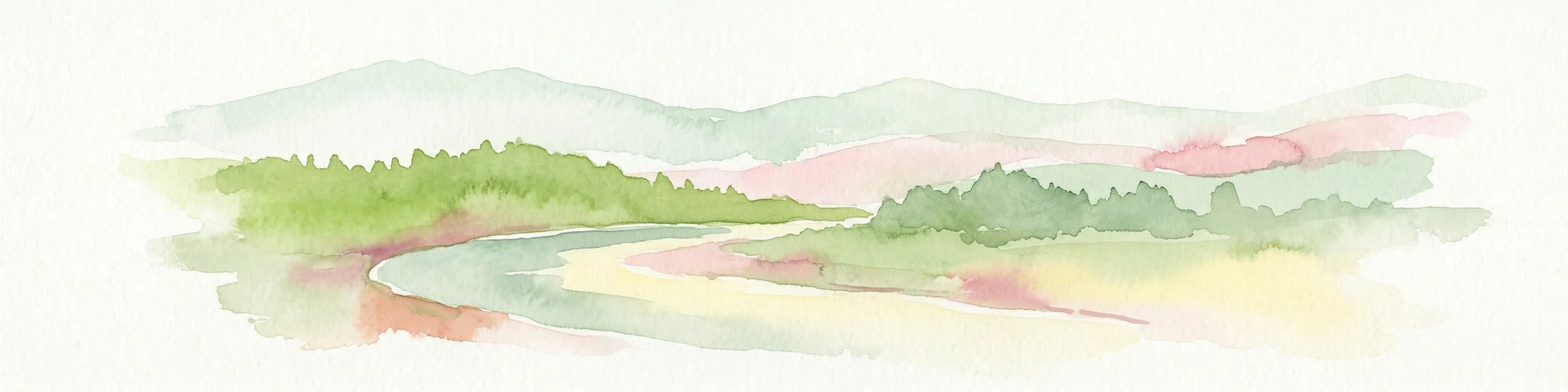
Watercolor illustration of a river flowing through a valley with hills and greenery
National park

Gauja National Park: Latvia's Largest National Park Atlas and Protected Landscape

Mapped terrain and diverse natural heritage in Vidzeme.

As Latvia's largest national park, Gauja offers a deep dive into a protected landscape defined by the ancient Gauja River valley and its spectacular Devonian sandstone cliffs. This page provides essential geographic context and atlas-style information, detailing the park's mapped boundaries, unique geological formations, and the rich tapestry of natural and cultural heritage that makes it a cornerstone of the region's protected lands. Explore the varied terrain, from river valleys to rolling uplands, all within a meticulously mapped conservation area.

Area
917.87 km²
Established
1973
IUCN
II
Relief
Mixed relief
National park

Ķemeri National Park: Discover Latvia's Iconic Protected Bog and Wetland Geography

Explore a unique protected landscape with mapped bog ecosystems and regional natural terrain.

Ķemeri National Park in Latvia is a remarkable protected area, celebrated for its expansive and ecologically significant raised bog systems, particularly the Great Ķemeri Bog. This national park showcases a unique geographical character, featuring natural sulfur springs, therapeutic muds, and a series of ancient lagoon lakes that support rich birdlife. Its diverse wetland habitats and distinct peatland landscapes offer a compelling focus for atlas-based discovery and understanding the regional geography of the Latvian coast.

Area
381.65 km²
Established
1997
IUCN
II
Relief
Lowland
National parkSmolensk Oblast

Smolenskoye Poozerye National Park: Protected Landscape and Regional Geography

Explore mapped boundaries and geographic context within Smolensk Oblast.

Smolenskoye Poozerye National Park is a protected natural area offering valuable insights into the geography of Smolensk Oblast. As a national park, its mapped boundaries define a significant landscape within Central Russia. This resource provides detailed information for atlas-based exploration, allowing users to understand the park's protected status and its place within the regional natural terrain.

Area
1,462 km²
Established
1992
IUCN
II
Visitors
250K annual

Common questions about visiting, size, designation, and location context for Rāzna National Park

Rāzna National Park FAQs for park facts, access, geography, and protected area context
Find quick answers about Rāzna National Park, including protected-area facts, park geography, trail and visitor context, and how the park fits into its surrounding country and regional landscape.
MoriAtlas Explorer

Continue Your Protected Areas Search Across the Global Atlas

Deepen your exploration by continuing the structured search for national parks and protected areas worldwide. Utilize the comprehensive filtering capabilities to compare different conservation landscapes and refine your understanding of global park geography. Discover more about the distribution and characteristics of protected natural areas.

Global natural geography