
Why Aukštaitija National Park stands out
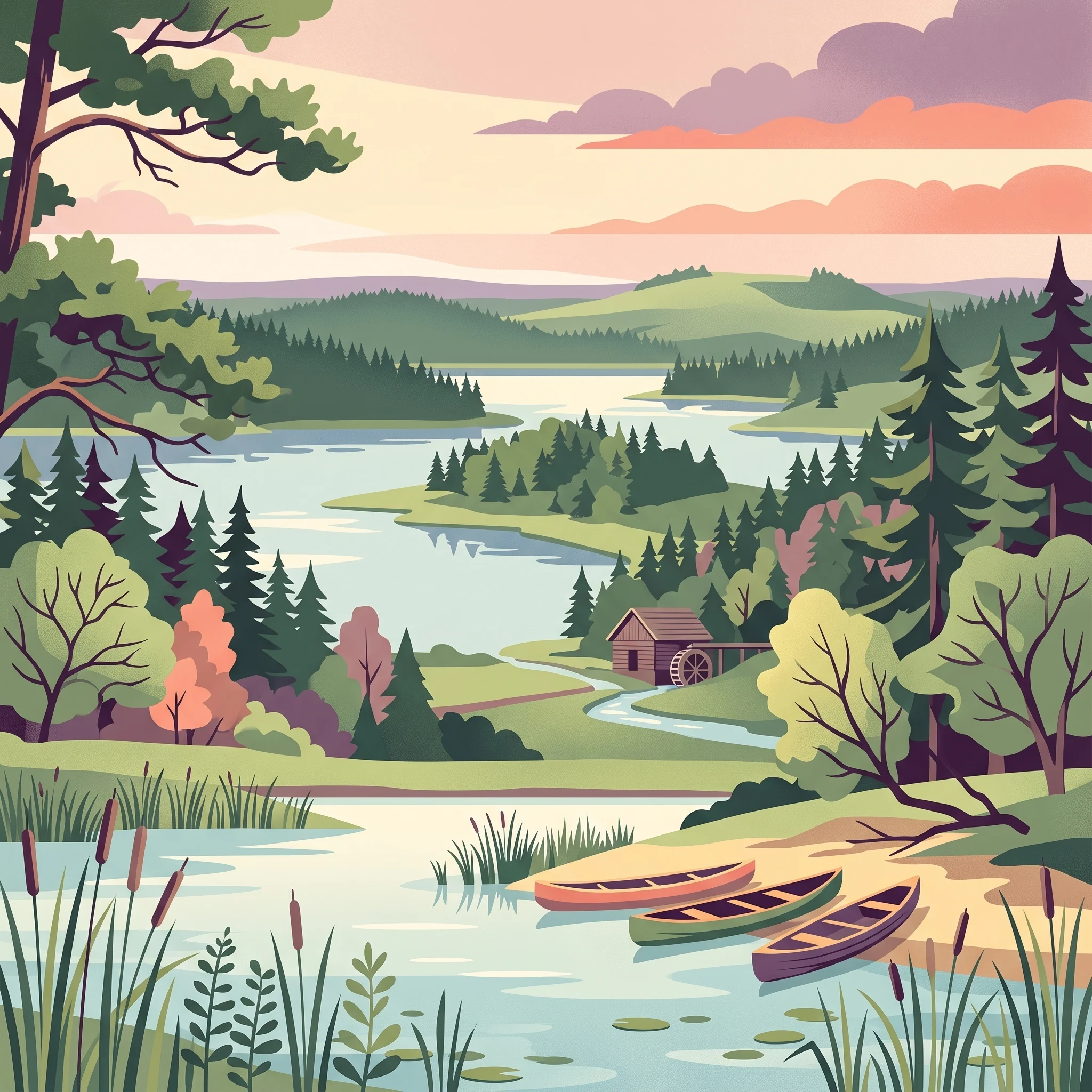
Aukštaitija National Park is best known for its exceptional density of lakes and its status as Lithuania's oldest national park. The park protects one of the country's most significant old-growth forest complexes within the Ažvinčių-Minčios giria, a vast forest area that harbors rare species and ancient ecological communities. The interconnected lake system, centered on Lake Žeimenys and connected through the Žeimena River, offers one of Lithuania's most developed water tourism infrastructures with over 70 kilometers of paddling routes. The park also contains Lithuania's deepest lake, Lake Tauragnas, and safeguards significant populations of large mammals including wolves, lynx, elk, and occasional brown bears. The cultural landscape preserves traditional villages with ethnographic architecture, historic watermills, and archaeological sites including hillforts and burial mound complexes.
Aukštaitija National Park history and protected-area timeline
The protection of Aukštaitija's natural landscape began in 1960 when Professor Česlovas Kudaba, a pioneering Lithuanian geographer and conservationist, established the 9,030-hectare Ignalina Landscape Reserve. Simultaneously, the 4,200-hectare Ažvinčių Botanical-Zoological Reserve was created within the Ažvinčių giria forest. These early protected areas recognized the exceptional ecological and landscape value of the region, which combines extensive forests, numerous lakes, and traditional rural settlements. On March 29, 1974, the Lithuanian SSR National Park was officially established, incorporating the Ignalina and Ažvinčių reserves along with adjacent territories and ethnographic villages. The park was the third national park established in the Soviet Union, following parks in Estonia and Latvia. The park's scheme was developed by a team from the Institute of Construction and Architecture led by architect V. Stauskas. In 1989, following Lithuania's restoration of independence and the creation of additional national parks named after the country's ethnographic regions, the park was renamed Aukštaitija National Park to reflect its location in the Aukštaitija highlands region.
Aukštaitija National Park landscape and geographic character
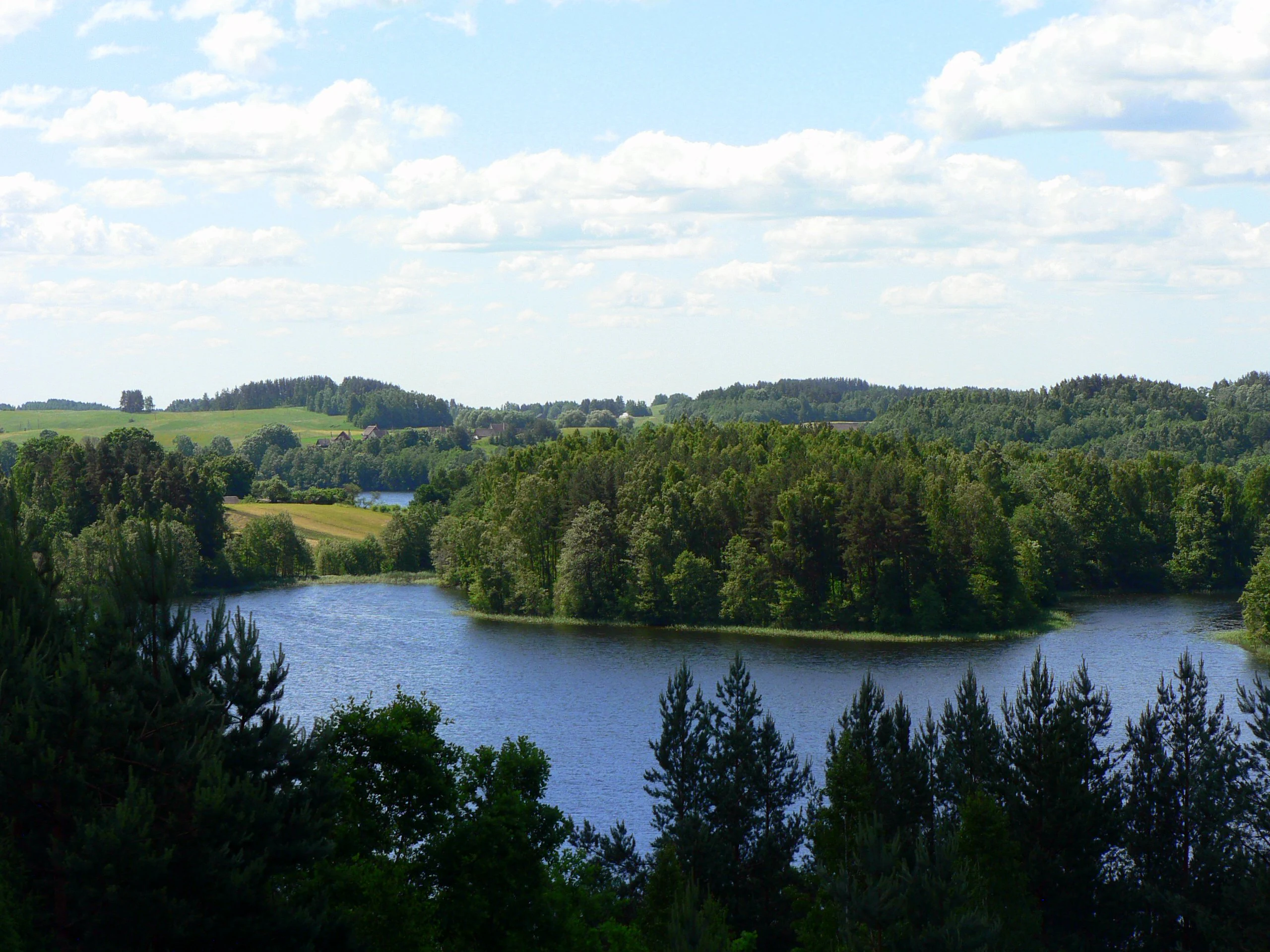
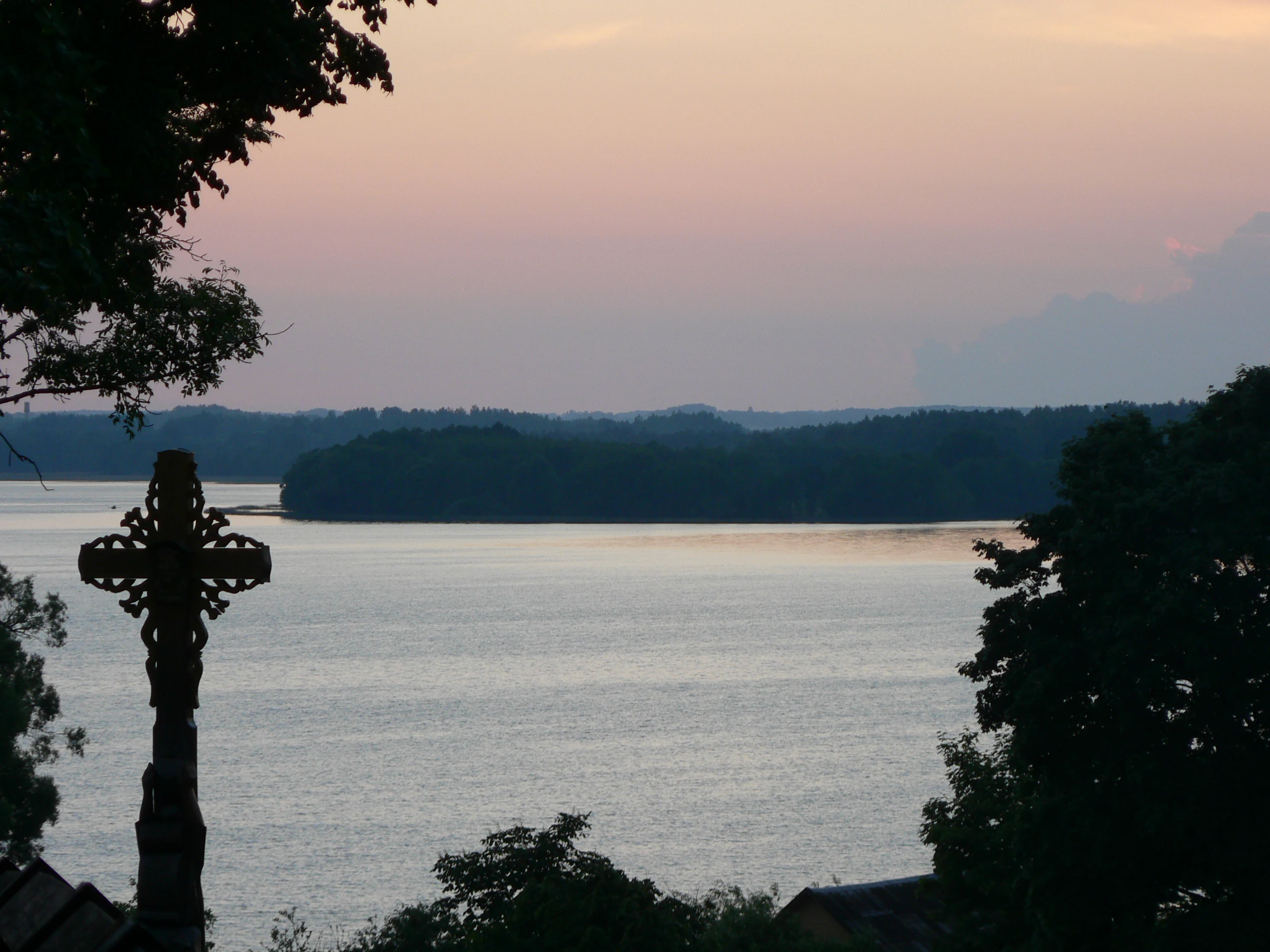
The physical landscape of Aukštaitija National Park is defined by its location at the intersection of two distinct geological formations—the Švenčionių-Naručio morainic highlands and the Aukštaičių highlands—separated by the sandy Žeimena plain. The terrain is characterized by very wavy, undulating topography with typical elevations around 155 meters above sea level. The park's most distinctive feature is its extraordinary concentration of lakes, with over 120 lakes exceeding 0.5 hectares in area, concentrated primarily in the central part of the park. Fourteen lakes exceed one square kilometer in surface area, while another six range between 0.5 and 1 square kilometers. The lakes are interconnected by channels and rivulets, with the Žeimena River serving as the primary watercourse, flowing from Lake Žeimenys and traversing 22 kilometers through the park. The largest lake is Kretuonas at 829 hectares, while Lake Tauragnas reaches 60.5 meters in depth—Lithuania's deepest lake. The park's soils reflect this geomorphic diversity, including gleyic soils, cambic soils, planosols, and alluvial deposits. Wetlands occupy approximately 2,000 hectares, including the Pliaušė and Minčia marsh complexes. The dominant landscape feature is the extensive pine forests of the Ažvinčių and Minčia forest blocks, which dominate over 69% of the park's area.
Aukštaitija National Park ecosystems, habitats, and plant life
The ecological character of Aukštaitija National Park is defined by its extensive pine-dominated forests, dense lake network, and the complex of wetlands that connect the aquatic and terrestrial systems. Pine forests comprise approximately 81% of the woodland area, with smaller proportions of birch, spruce, alder, aspen, oak, and hornbeam. The old-growth forest sections within the Ažvinčių giria represent some of Lithuania's most pristine woodland, harboring ancient trees and complex ecological communities. The park supports an exceptional diversity of habitats, from lakes and rivers to marshes, peat bogs, and various forest types, creating ecological corridors that support species movement across the landscape. The botanical richness is particularly notable—59% of all plant species found in Lithuania occur within the park, which covers less than 1% of the country's territory. The Gervėčių raised bog represents a small but significant peatland conservation area. Soils are diverse, supporting different forest community types across the park's elevation gradient. The interconnected lake system creates important aquatic habitats, with the Žeimena River providing spawning grounds for salmon.
Aukštaitija National Park wildlife and species highlights
Aukštaitija National Park supports diverse wildlife populations across its forest, wetland, and aquatic habitats. The park's large forest blocks provide habitat for substantial populations of large mammals, including wolves, lynx, elk (moose), red deer, and roe deer, with occasional brown bear sightings reported. Beavers are common along watercourses and around lake shores. The avian fauna is particularly significant, with 243 bird species recorded, including several that nest in the park's large colonies. The island on Lake Kretuonas hosts a significant colony of black-headed gulls. The park protects 48 bird species listed in Lithuania's Red Book, including the pygmy owl, black-throated diver, black stork, greater spotted eagle, merlin, three-toed woodpecker, lesser spotted eagle, and the Ural owl. The amphibian and reptile communities include 17 species, while 41 fish species inhabit the lakes and rivers. The invertebrate fauna is exceptionally diverse, with over 2,600 species recorded. The park protects 64 plant species, 8 fungus species, and 48 bird species in Lithuania's Red Book, reflecting the national conservation significance of this protected area.
Aukštaitija National Park conservation status and protection priorities
Aukštaitija National Park serves as a flagship conservation area for Lithuania, protecting a landscape of exceptional ecological significance at the national and Baltic regional level. The park's conservation importance stems from its role as a repository of Lithuania's biological diversity—supporting nearly 59% of the country's plant species within a relatively small area—and its function as a habitat for populations of large mammals including wolves, lynx, and elk that require extensive forest territories. The protected area network within the park includes multiple categories of nature reserves: strict nature reserves where access is restricted, botanical-zoological reserves protecting specific ecological communities, hydrological reserves protecting lakes and river systems, landscape reserves preserving scenic areas, and telmological reserves for wetland conservation. The park's lakes and rivers support spawning populations of salmon in the Žeimena River, highlighting its role in migratory fish conservation. The old-growth forests of Ažvinčių giria represent rare remaining examples of primeval woodland in Lithuania. Several species found in the park are classified as rare or endangered at the national level, including the black stork, greater spotted eagle, lesser spotted eagle, and Ural owl.
Aukštaitija National Park cultural meaning and human context
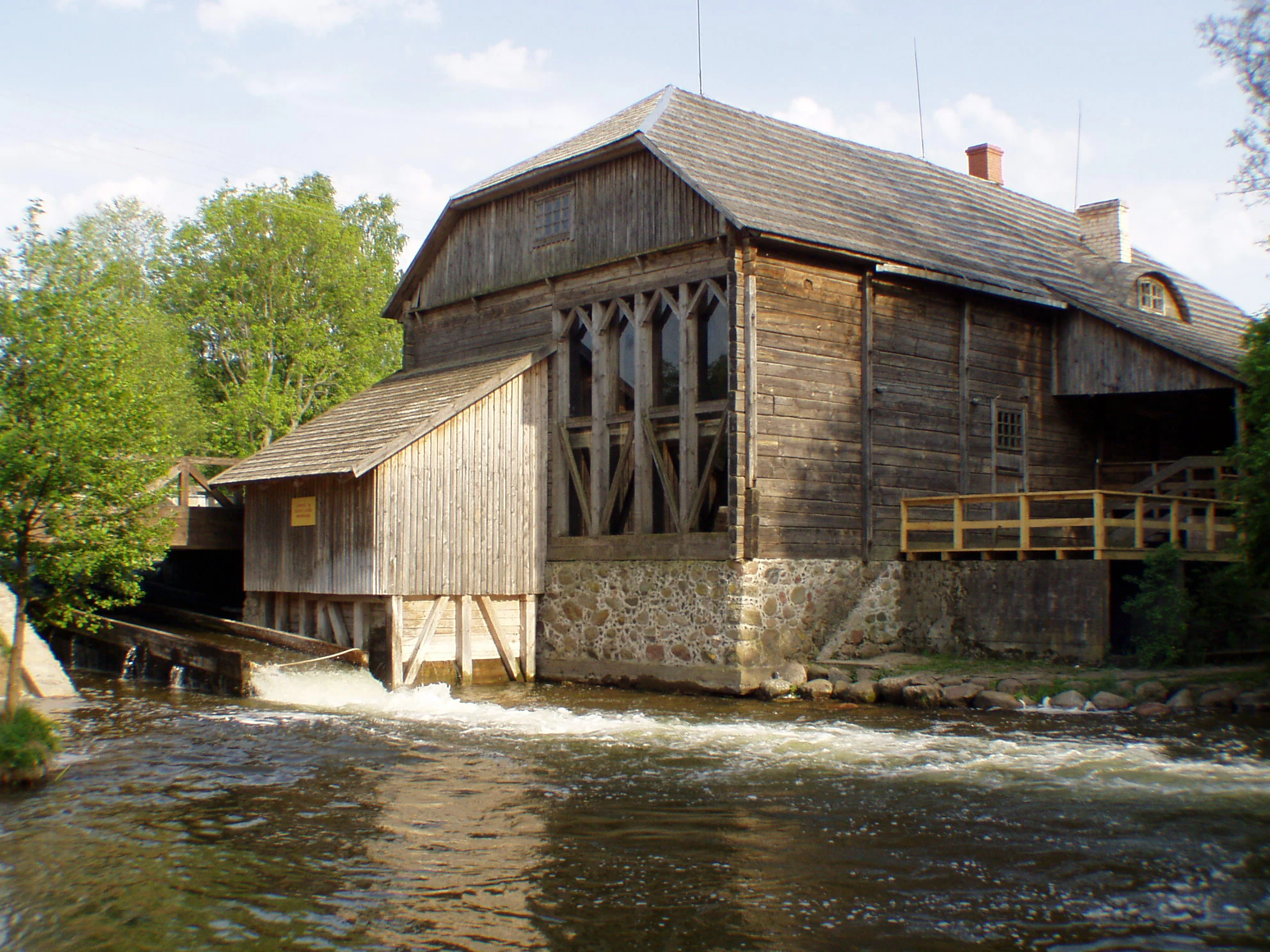
The cultural landscape of Aukštaitija National Park reflects centuries of human settlement in northeastern Lithuania, with the park containing 116 villages ranging from small hamlets to more substantial settlements. Several villages retain traditional ethnographic character and building patterns, including Salų II, Varniškės II, Vaišnoriškės, Šuminai, Strazdų, Kretuonių, and Benediktavas. The park preserves significant archaeological heritage, including nine hillforts (piliakalniai) representing the defensive systems of northeastern Lithuania from the 12th-15th centuries, with notable sites at Taurapilis, Ginučiai, Puziniškis, Linkmenų, and Vajuonio. The park contains the second-largest burial mound complex (pilkapynas) in Lithuania, with over 300 burial mounds around Lake Kretuonas representing Iron Age funerary practices. Traditional watermills, including the historic Ginučių watermill from the 19th century, represent the region's agricultural heritage. The cultural landscape includes ethnographic churches such as Palūšė's St. Joseph church, traditional farmsteads, and historic routes that connected settlements across the lake-dotted terrain.
Top sights and standout views in Aukštaitija National Park
Aukštaitija National Park stands out as Lithuania's premier destination for water-based recreation, with over 70 kilometers of kayaking routes through interconnected lakes and channels. The park offers exceptional landscape diversity, from the deep waters of Lake Tauragnas—the deepest in Lithuania—to the old-growth forests of Ažvinčių giria and the panoramic views from Ladakalnis hill. The park's concentration of lakes is unmatched in Lithuania, with over 120 lakes creating a distinctive archipelago-like landscape accessible by boat. The cultural heritage includes unique ethnographic villages, historic watermills, and archaeological sites representing Lithuania's medieval defensive systems. The wildlife experience includes opportunities to observe black storks, white-tailed eagles, and the park's population of wolves and lynx. The developed tourism infrastructure in Palūšë offers boat rentals, accommodations, and guided excursions. The park's status as Lithuania's oldest national park and its role in protecting the Aukštaitija highlands region give it particular significance in the country's conservation history.
Best time to visit Aukštaitija National Park
The park offers distinct seasonal experiences throughout the year, with each season revealing different aspects of its character. Summer brings the peak season for water-based activities, with the interconnected lake network ideal for kayaking and the warm weather suitable for camping at the numerous lakeside sites. The forest trails are lush and the wild berry season—particularly blueberries and lingonberries—adds foraging opportunities. Autumn transforms the pine forests with golden light and creates exceptional conditions for wildlife watching as animals become more active before winter. The lake landscape in autumn, with mist rising from the water and colorful forests reflected on the surface, is particularly photogenic. Winter offers completely different appeal when frozen lakes provide opportunities for ice fishing and, near Ignalina, for winter sports. The quiet of the winter forest reveals animal tracks and offers a contemplative experience. Spring brings bird migration and the awakening of the wetland systems, with breeding activity creating excellent birdwatching opportunities. The shoulder seasons of late spring and early autumn generally offer the best combination of favorable weather, fewer visitors, and the natural rhythm of the park's ecosystems.