
Why Trakai National Historic Park stands out
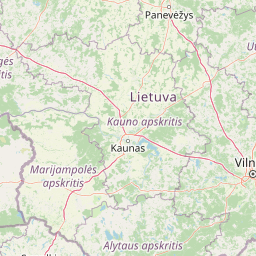
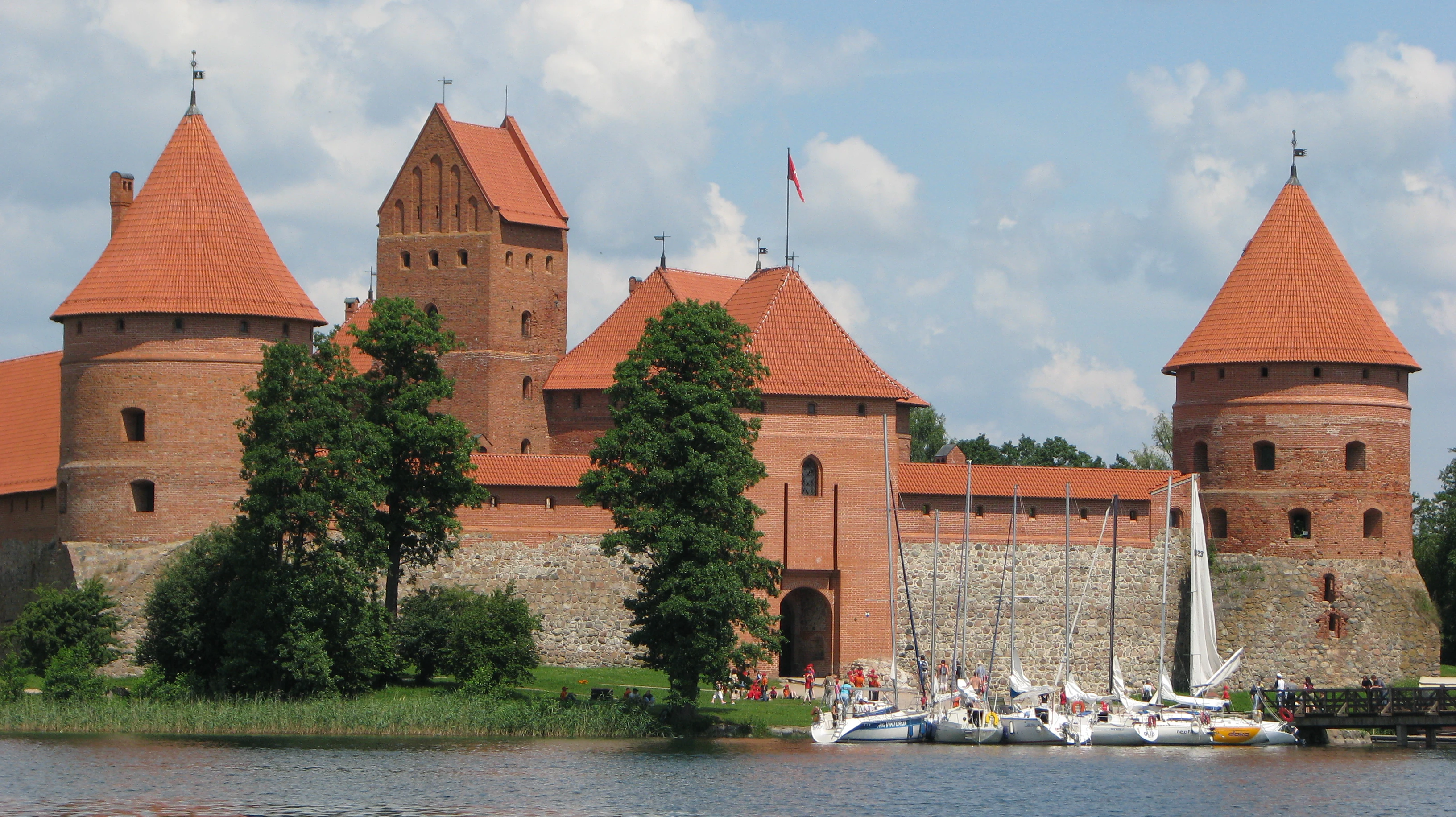
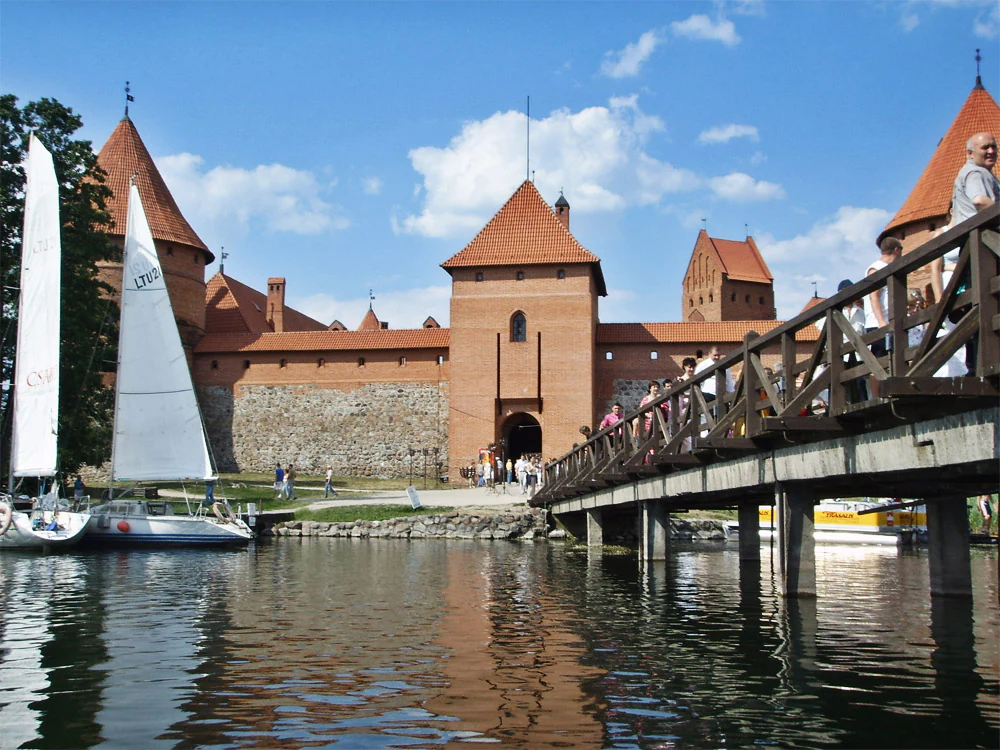
Trakai National Historic Park is best known for its remarkable concentration of medieval Lithuanian heritage, particularly the well-preserved Trakai Castle complex that stands on an island in Lake Galvė. The park preserves the historic town of Trakai, which was the capital of the Grand Duchy of Lithuania before Vilnius assumed that role, and contains numerous other architectural monuments including churches, manor houses, and archaeological sites. Beyond its built heritage, the park is known for the distinctive natural landscape of the Trakai lake district, where forests, wetlands, and interconnected lakes create a scenic setting that has shaped regional identity for centuries.
Trakai National Historic Park history and protected-area timeline
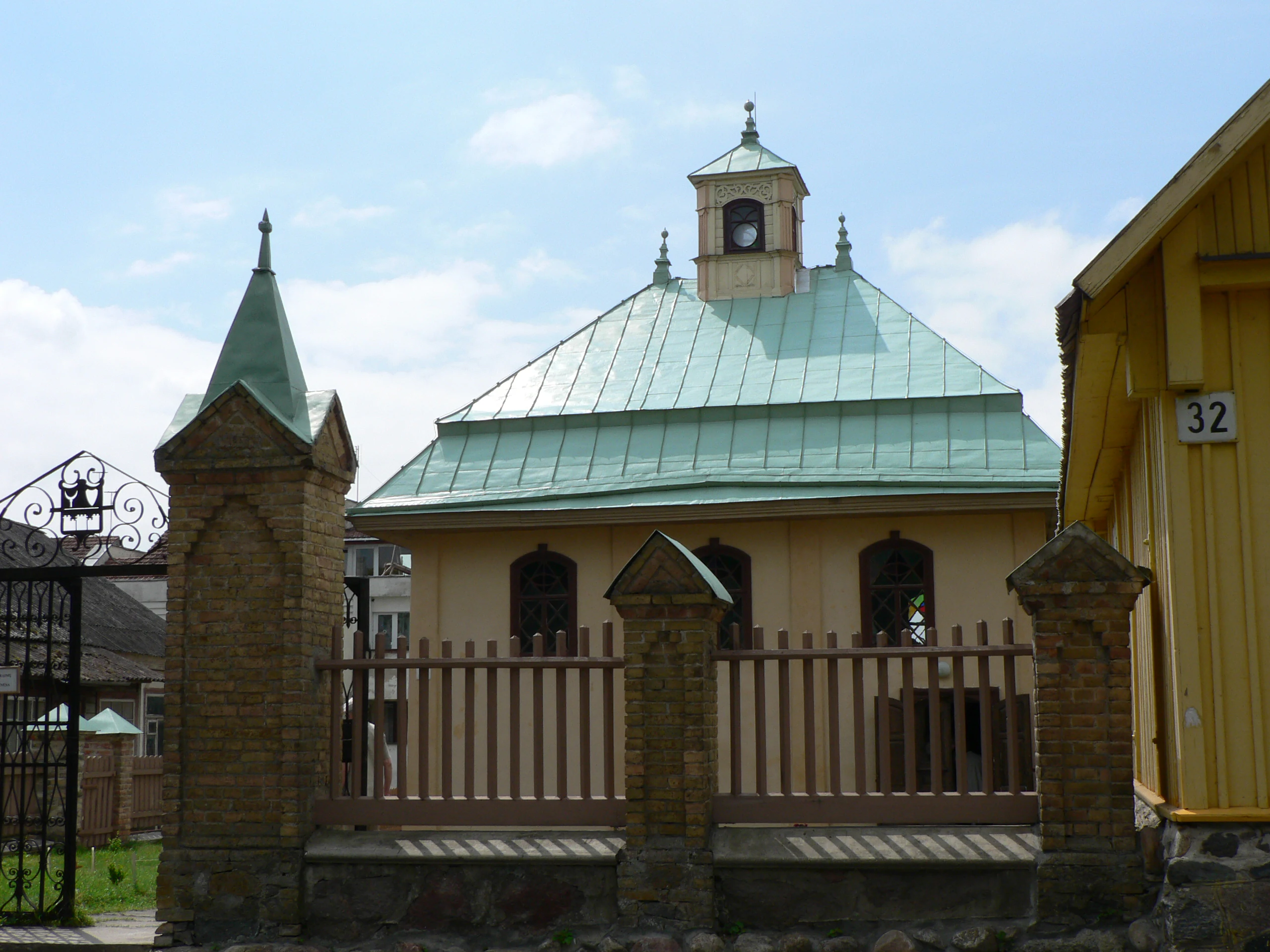
The history of Trakai and its surrounding region is inseparable from the broader narrative of the Grand Duchy of Lithuania's rise to power during the late medieval period. Trakai first emerged as a significant center in the 14th century when Grand Duke Gediminas established it as a secondary residence, though it was under his successor Vytautas the Great that Trakai truly became a political capital. Vytautas transformed Trakai into a fortified seat of power, constructing the island castle that remains the park's signature landmark. The city also became a center of religious diversity, with the construction of a Karaite community center and a mosque reflecting the presence of Tatars in the region. Following Vytautas's death in 1430, the political center of the Grand Duchy shifted permanently to Vilnius, and Trakai's importance gradually diminished. The castle fell into ruin over subsequent centuries but was partially restored in the 20th century. The modern protected area was established to preserve both the architectural monuments of this medieval heritage and the natural landscape that contextualizes them, recognizing that the region's significance extends beyond individual buildings to encompass the entire cultural landscape of lake, forest, and settlement.
Trakai National Historic Park landscape and geographic character
The landscape of Trakai National Historic Park is characterized by a dense network of lakes, forests, and wetlands that create a distinctive environmental character in southeastern Lithuania. The park sits within the Trakai Lake District, a region of glacial origin where numerous lakes of varying sizes are interconnected by rivers and streams. Lake Galvė, the largest in the area, contains islands on which Trakai Castle was constructed, creating the iconic image of a medieval fortress rising from the water. The surrounding terrain consists of rolling hills covered in mixed deciduous and coniferous forests, with marshy areas in lower elevations between lake basins. This lake-forest-wetland complex has remained relatively unchanged for centuries and provides the natural setting that makes the historical monuments of Trakai particularly evocative. The landscape supports diverse habitats while serving as a recreational resource for visitors exploring the area by boat, foot, or bicycle.
Trakai National Historic Park ecosystems, habitats, and plant life
The natural environments within Trakai National Historic Park reflect the broader ecological characteristics of Lithuania's lake district in the southeastern part of the country. The park's forests are predominantly mixed woods containing species typical of the region, including various oaks, pines, spruces, and birches. The numerous lakes support aquatic ecosystems with fish populations that have historically provided local communities with food resources. Wetland areas around lake margins provide habitat for waterfowl and other bird species, while the interface between forest and water creates diverse ecological niches. The park's protected status helps maintain these natural habitats alongside the historical monuments, ensuring that visitors experience both cultural heritage and the natural landscape that shaped regional development.
Trakai National Historic Park wildlife and species highlights
The wildlife communities within Trakai National Historic Park are characteristic of Lithuania's forest and lake environments. The forests shelter populations of roe deer, wild boar, and smaller mammals, while the lakes and wetlands support diverse waterfowl populations including ducks, swans, and grebes. The interconnected lake system provides corridors for wildlife movement and supports fish populations that are important both ecologically and for traditional local fishing. Birdlife is particularly notable in wetland areas, where seasonal migrations bring additional species during spring and autumn. The combination of forest cover, water bodies, and protected status creates habitats that support reasonable biodiversity within a landscape that has been shaped by long human presence.
Trakai National Historic Park conservation status and protection priorities
Trakai National Historic Park serves dual conservation purposes, protecting both significant cultural heritage sites and the natural environments that surround them. The park's designation as a historical national park reflects Lithuania's commitment to preserving the physical remains of its medieval past, including not only prominent monuments like Trakai Castle but also smaller architectural features, archaeological sites, and the historical town layout. Simultaneously, the park's natural environments receive protection as part of the heritage landscape, recognizing that the historical significance of the area derives from the relationship between human achievement and the natural setting. This integrated approach to conservation distinguishes the park from purely archaeological preserves and reflects an understanding that cultural heritage exists within environmental contexts that themselves warrant protection.
Trakai National Historic Park cultural meaning and human context
Trakai holds a special place in Lithuanian national identity as the seat of power during the Grand Duchy's golden age under Vytautas the Great. The town and its castle symbolize the period when Lithuania was a major European power extending from the Baltic to the Black Sea. Beyond the grand ducal history, Trakai is notable for its religious diversity, having been home to both Christian and Karaite communities, with the Karaites arriving in Lithuania in the 14th century and establishing a distinctive community whose presence is still visible in the town. The surrounding lake district shaped the economic life of the region through fishing, transport, and water-powered industries, creating a cultural landscape where natural resources and human settlement evolved together over centuries.
Top sights and standout views in Trakai National Historic Park
The centerpiece of any visit to Trakai National Historic Park is Trakai Castle, the island fortress that served as a grand ducal seat and now houses a museum of medieval Lithuanian history. The historic town of Trakai, with its preserved architecture and car-free streets, provides a welcoming environment for exploring regional heritage. The network of lakes surrounding the town offers opportunities for boat excursions that provide unique perspectives on the castle and the surrounding landscape. The Karaite quarter in Trakai represents a distinctive cultural element unique to this part of Lithuania. The park's network of trails and cycling paths allows visitors to explore the natural environments beyond the town, experiencing the forests and smaller lakes that complete the historical landscape.
Best time to visit Trakai National Historic Park
The optimal seasons for visiting Trakai National Historic Park are late spring through early autumn, when warm weather allows full enjoyment of the outdoor landscape and boat access to Trakai Castle. Summer months offer the most extensive opportunities for exploring the lakes and outdoor spaces, though they also bring larger crowds. Autumn provides colorful forest scenery and smaller visitor numbers, while the shoulder seasons of spring offer fresh vegetation and moderate conditions. Winter visits are possible but limited, as boat services to the castle island cease and many facilities operate on reduced schedules. The historical town of Trakai can be enjoyed year-round, though the full experience of the park's landscapes is most complete during the warmer months.