
Why Dzūkija National Park stands out
Dzūkija National Park is best known for its extensive primeval pine forests that represent the heart of Lithuania's woodland heritage, and for the remarkable inland dune landscapes that dominate the central park territory. The park protects the Čepkeliai Marsh, Lithuania's largest bog, which lies immediately south of the protected area and forms an essential ecological complex with the park's wetlands. The park is renowned for its exceptional biodiversity, hosting 254 protected species including rare orchids, European pond turtles, lynx, wolves, and black storks. The ethnographic villages of Zervynos and Musteika preserve traditional Dainava (Dzūkų) wooden architecture and cultural practices including tree resin harvesting and traditional beekeeping, making the park one of the few places in Lithuania where traditional rural lifeways remain visibly integrated with the landscape.
Dzūkija National Park history and protected-area timeline
Dzūkija National Park was established on April 23, 1991, during the period of Lithuania's restoration of independence, marking a significant milestone in the country's environmental protection efforts. However, the territory had already been recognized for its ecological importance prior to national park designation, with several protected areas established within the broader Dainava region starting in 1960, including the Ūla Landscape Reserve and Subartoniai Historic Landscape Reserve, followed by additional reserves in 1974 such as the Skroblus Landscape Reserve, Merkys Ichthyological Reserve, and several botanical reserves. Following Lithuania's accession to the European Union, the park was integrated into the EU's Natura 2000 network, complying with both the Birds Directive and Habitats Directive requirements. In 2011, Dzūkija National Park became the only Lithuanian member of the PAN Parks network, a European association of the most valuable wilderness areas, recognizing its exceptional conservation value and sustainable management. The park administration, based in Merkinė, has developed comprehensive visitor infrastructure including visitor centers in Marcinkonys and Merkinė, numerous marked hiking and cycling trails, and educational programs about the region's natural and cultural heritage.
Dzūkija National Park landscape and geographic character
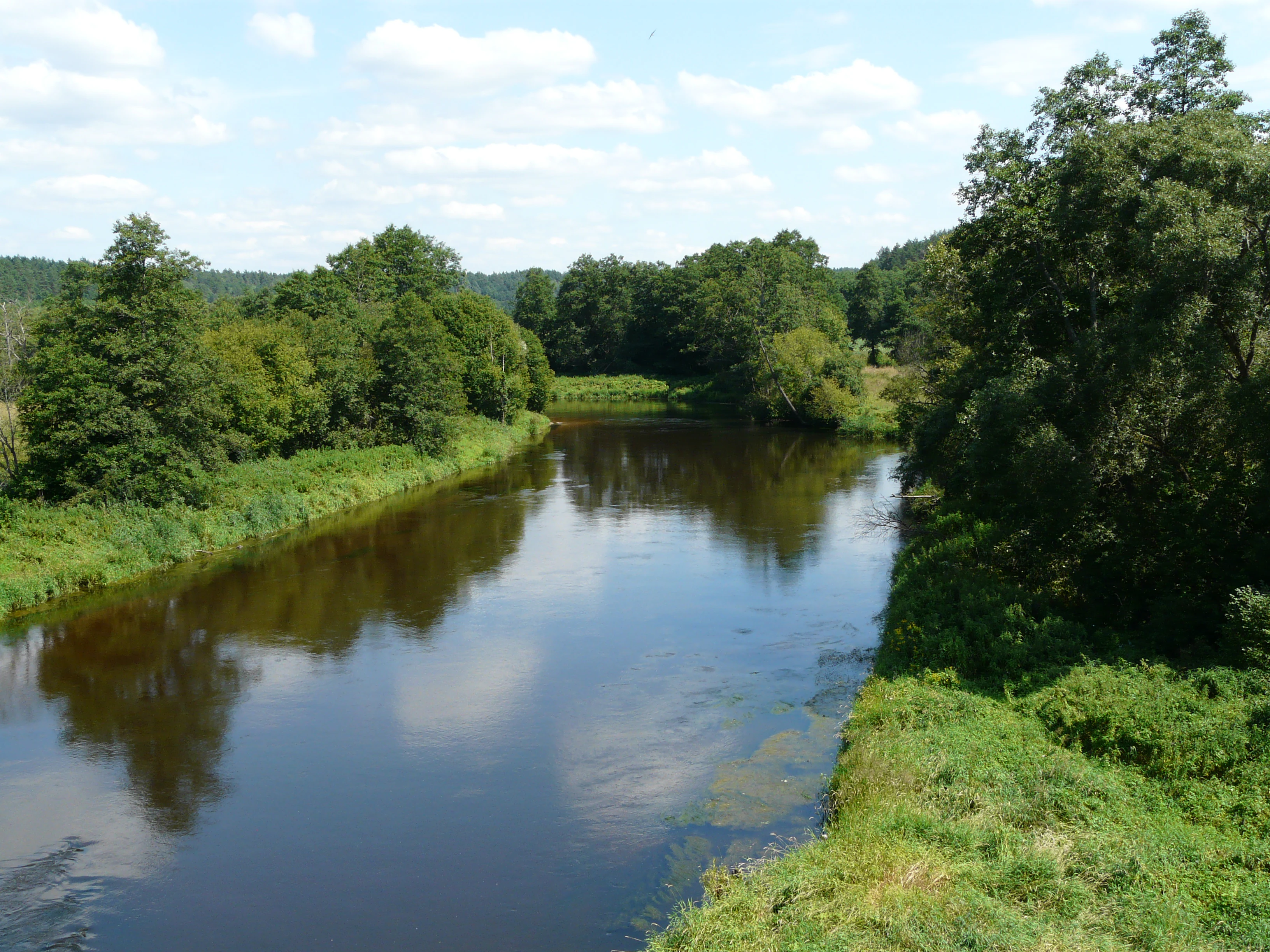
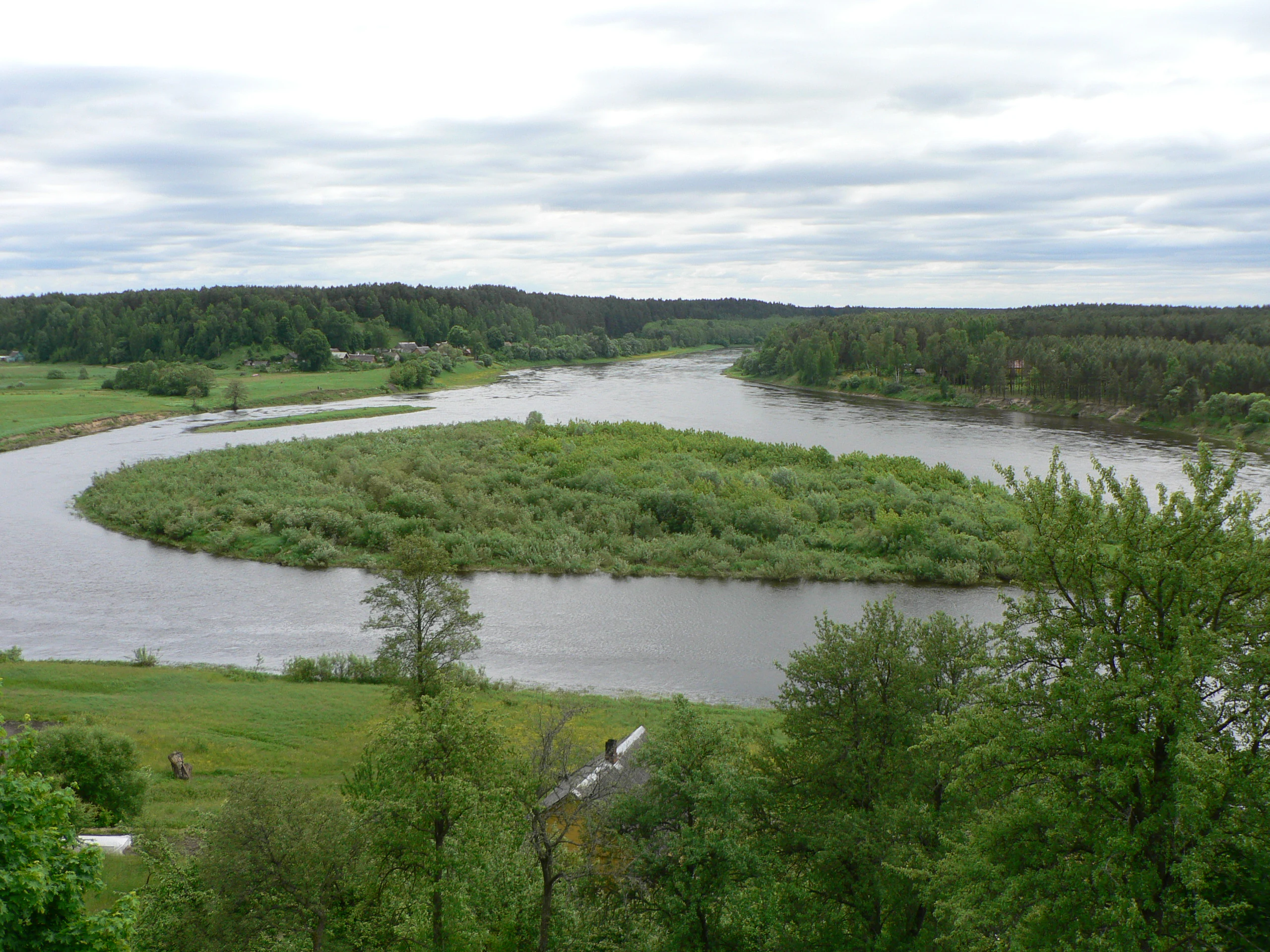
The physical landscape of Dzūkija National Park is characterized by its remarkable diversity of terrain formed by glacial and post-glacial processes. The park sits on the Dainava Plain, a predominantly flat sandy terrain at approximately 100 meters above sea level, but is distinguished by the spectacular inland dune massifs that represent some of the most significant dune systems in the Baltic region. These dunes, concentrated around Marcinkonys, Musteika, Lynežeris, and Grybaulia, form a 61-kilometer dune belt encircling the Čepkeliai Marsh, covering approximately 905 square kilometers in total. The widest dune stretch, measuring 6.8 kilometers, is found near Marcinkonys, while Dalgiakalnis at 168.1 meters represents the park's highest dune. The park's river valleys, particularly those of the Nemunas, Merkys, and Ūla, create dramatic relief where the rivers have cut through the glacial deposits, exposing steep cliffs and creating diverse microhabitats. In the northwestern areas near Merkinė, the landscape transitions into the Dzūkų Upland, featuring more undulating terrain with numerous lakes occupying deep kettle depressions. The park contains 48 lakes covering 232 hectares, concentrated particularly around the Merkinė area and the margins of the Dzūkų Upland, as well as smaller thermokarst lakes formed in dune depressions.
Dzūkija National Park ecosystems, habitats, and plant life
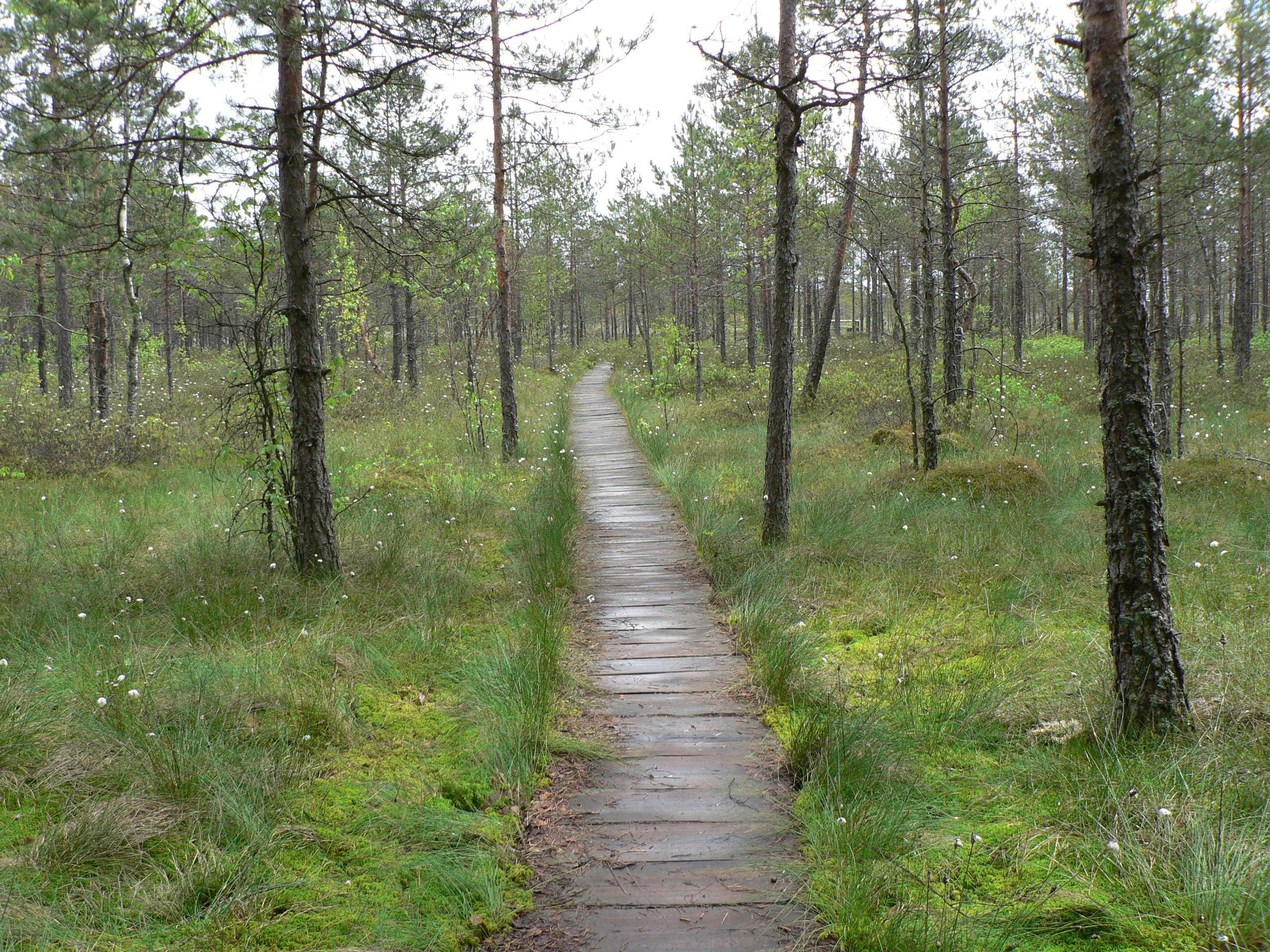
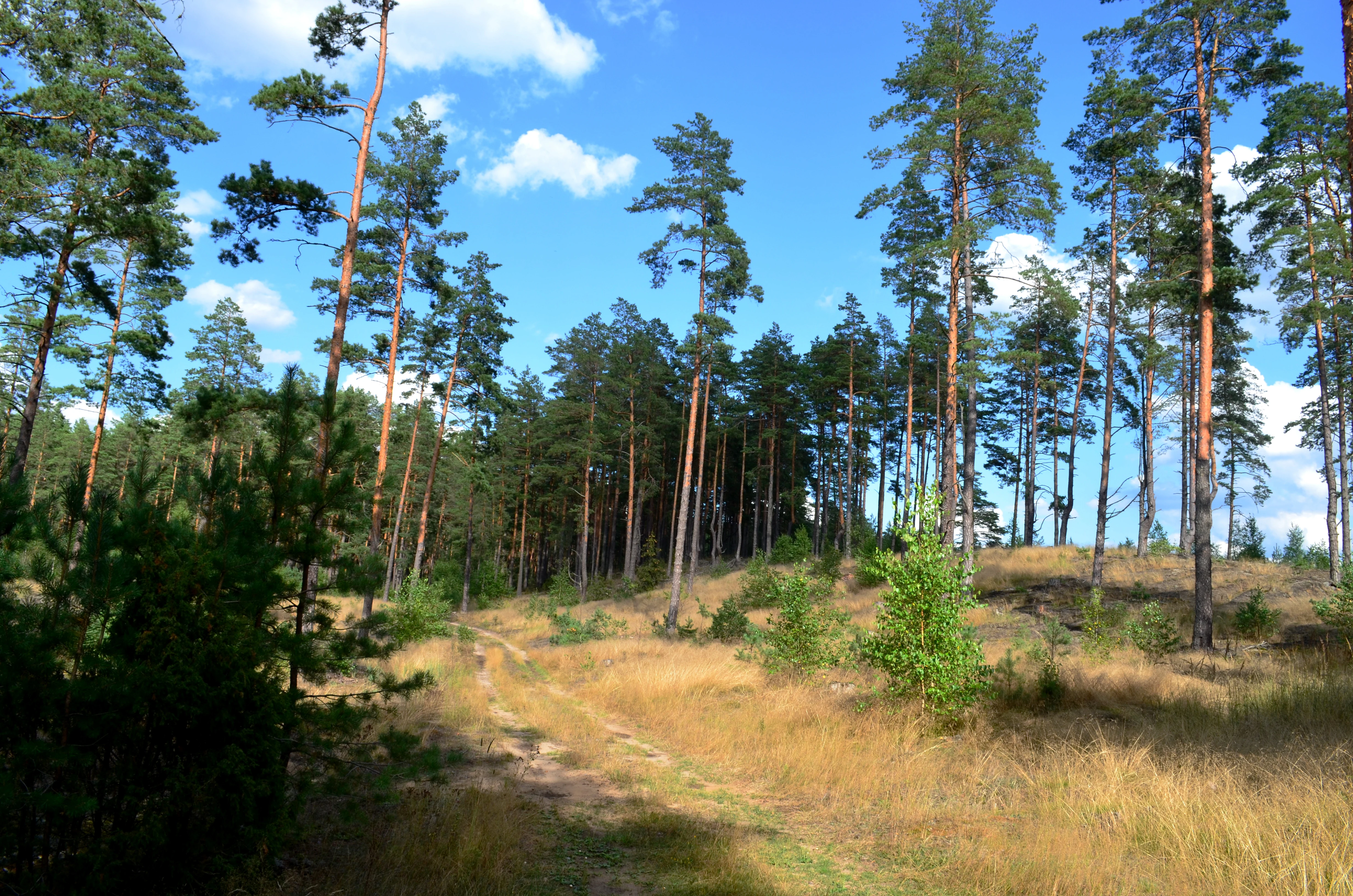
The ecological character of Dzūkija National Park is defined by its extensive forest ecosystems, wetland complexes, and the unique habitats created by the interaction of sandy substrates with the regional climate. Forests cover approximately 85% of the park's territory, with pine-dominated communities comprising 92% of the woodland area, including lichen heaths on dune crests and blueberry-sphagnum communities on the plains and dune slopes. The park contains 36 rivers and streams with a combined length of approximately 300 kilometers, belonging to the Nemunas river basin, and the permeable sandy soils ensure that these watercourses remain flowing throughout the year with cold, clear water fed by numerous springs. The wetland systems are particularly extensive, with 77 wetlands larger than one hectare totaling 1,504 hectares, in addition to the neighboring Čepkeliai Marsh, Lithuania's largest bog, which lies immediately south of the park boundary and forms an essential ecological unit with the park's internal wetlands. The park protects 13 different Natura 2000 habitat types, including open inland dunes, river rapids with community formations, calcareous sandy grasslands with specific plant associations, eutrophic tall herb communities, transitional mires and quaking bogs, springs with tufa formation, western taiga, herb-rich spruce forests, coniferous forests on fluvioglacial eskers, bog woodlands, alluvial forests, and lichen pine forests.
Dzūkija National Park wildlife and species highlights
Dzūkija National Park supports exceptional biodiversity, with 254 protected species documented within its boundaries representing 111 animal species, 100 plant species, and 43 fungi and lichen species. The mammal population includes 54 species, with elks concentrated in the forest interior, red deer preferring river valleys, roe deer common throughout, and wolves primarily inhabiting the Musteika, Lynežeris, and Randamonys areas. Lynx populations occupy the darker spruce forests and wetlands, while European beavers have established robust populations along the river systems. The park hosts approximately 200 bird species, of which 39 are listed in Lithuania's Red Book, with 142 species breeding within the park, 51 occurring during migration, and 7 wintering. Notable species include black storks nesting in the spruce forests and river valleys, lesser spotted eagles, common buzzards, and various woodpecker species. The reptile population is complete, representing all seven species found in Lithuania, while amphibians include 12 species including the rare fire-bellied toad. The park's rivers and lakes support 32 fish species, though migratory species like salmon and sea trout have declined significantly since the construction of the Kauno hydropower dam. Butterflies are particularly diverse, with approximately 760 species recorded, including several southern species at the northern limit of their range.
Dzūkija National Park conservation status and protection priorities
Dzūkija National Park serves as a critical conservation stronghold for Lithuania's natural heritage, protecting the largest and most ecologically significant forest landscape in the country. The park's inclusion in the Natura 2000 network and the PAN Parks association since 2011 recognizes its European-level conservation importance, with the park serving as the only Lithuanian member of this prestigious wilderness preservation network. Within the park, approximately 46% of the territory is designated for stricter protection through three strict reserves (Musteikos, Povilnio, and Skroblaus) and numerous landscape and nature reserves protecting specific geological, hydrological, and ecological features. The park protects 13 different Natura 2000 habitat types and serves as a crucial corridor for large mammals including wolves, lynx, and elks that require extensive territories. The Dainava Forest area within the park, spanning 54,833 hectares, is designated specifically for habitat protection, preserving old-growth forest communities and the species dependent on these increasingly rare ecosystems. Conservation challenges include the impacts of commercial forestry, the spread of monoculture plantations, and the need to maintain the traditional cultural landscape that supports many protected species dependent on the mosaic of forests, wetlands, meadows, and traditional land use.
Dzūkija National Park cultural meaning and human context
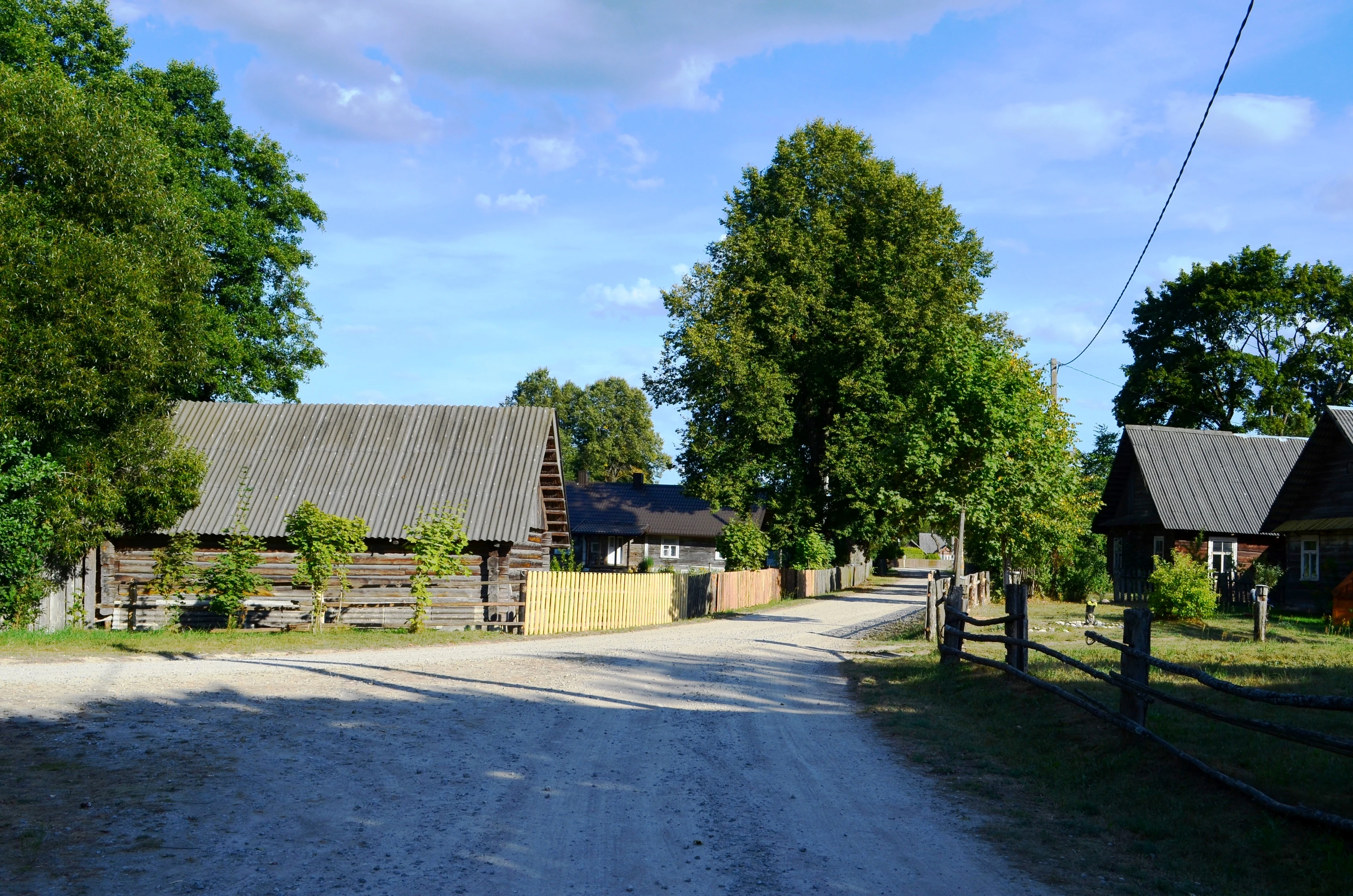
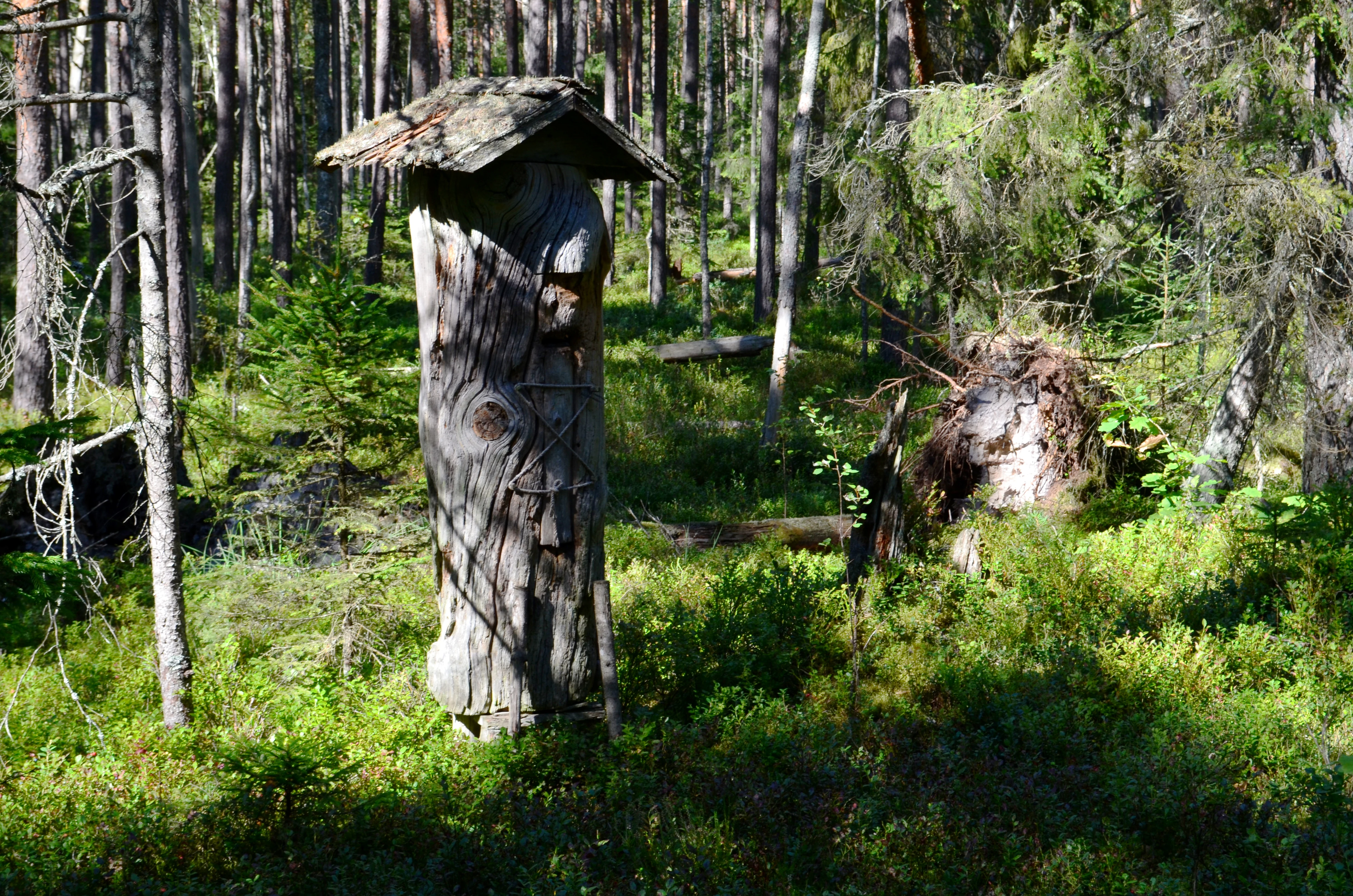
The cultural landscape of Dzūkija National Park reflects centuries of human interaction with the forest environment, preserving one of Lithuania's most distinctive regional cultural identities. The park encompasses the historic Dainava region, home to the šilų dzūkai (forest Dzūkians) who traditionally lived in forest clearance settlements, earning their living from forestry, beekeeping, hunting, and seasonal gathering of berries and mushrooms. The park contains several exceptional ethnographic villages, particularly Zervynos and Musteika, which have preserved traditional wooden architecture and cultural practices to a remarkable degree. The distinctive dzūkų dialect of Lithuanian is still widely spoken throughout the park territory. Traditional crafts including woodcarving, basket weaving, and tree resin harvesting (daržininkystė) remain living traditions, with the Dzūkian Traditional Beekeeping Museum in Musteika preserving this unique aspect of regional heritage. The park protects over 50 cultural heritage objects, including historic churches in Merkinė and Liškiava, the latter featuring a notable church and Dominican monastery complex on the Nemunas riverbank. The park's cultural significance is recognized through various traditional practices that continue to this day, including communal livestock grazing, traditional beekeeping in carved tree hollows, and the maintenance of ethnographic architecture.
Top sights and standout views in Dzūkija National Park
The highlights of Dzūkija National Park include the spectacular inland dune landscapes around Marcinkonys, where wind-shaped sand dunes rise from the pine forests creating one of the most distinctive natural scenes in the Baltic region. The Čepkeliai Marsh, immediately south of the park, represents Lithuania's largest bog and forms an essential ecological complex with the park's wetland systems. The park's river systems, particularly the dramatic cliff-lined valleys of the Ūla and the broad floodplains of the Nemunas, offer exceptional paddling and wildlife observation opportunities. The ethnographic villages of Zervynos and Musteika preserve traditional wooden architecture and living cultural practices, while the Merkinė area features historic religious buildings and the park's main visitor center. The exceptional biodiversity, including wolves, lynx, black storks, and numerous rare plants and invertebrates, makes the park particularly significant for nature observation and ecological study.
Best time to visit Dzūkija National Park
The best time to visit Dzūkija National Park depends on the desired experience, as each season offers distinct advantages for exploring this diverse protected landscape. Summer months bring warm conditions ideal for hiking, kayaking on the river systems, and foraging for berries and mushrooms that grow abundantly throughout the forest. The dune heaths burst into color during late summer with flowering heather, while the wetland areas provide excellent opportunities for birdwatching during the breeding season. Autumn offers the traditional experience of mushroom and berry picking that has defined the region's culture for centuries, with the forest producing abundant chanterelles, porcini, and various berry species. Winter transforms the landscape, offering opportunities for cross-country skiing on the numerous trails when snow conditions permit, while the bare trees provide better visibility for wildlife observation, particularly the large mammals that become more active in the quieter, colder months. Spring brings the breeding season for many bird species and the emergence of amphibians from their winter dormancy, while the river valleys experience spring flooding that creates dramatic water scenes.