Mori Atlas logo
National parkRussky Sever National Park

Discover the mapped protected area and natural terrain of this national park in Northwestern Russia.

Russky Sever National Park: Protected Landscape and Geographic Context in Vologda Oblast

(National Park "Russian North")

Russky Sever National Park represents a significant protected landscape within the vast geographic expanse of Vologda Oblast, Russia. As a designated national park, it offers a focused point for understanding regional natural terrain, its mapped boundaries, and its role within the protected areas atlas of Northwestern Russia. This page provides the foundational geographic context for exploring the park's identity and its relationship to the surrounding natural environment.

national parkboreal forestglacial landscapecultural heritage sitemonasteryUNESCO World Heritage site
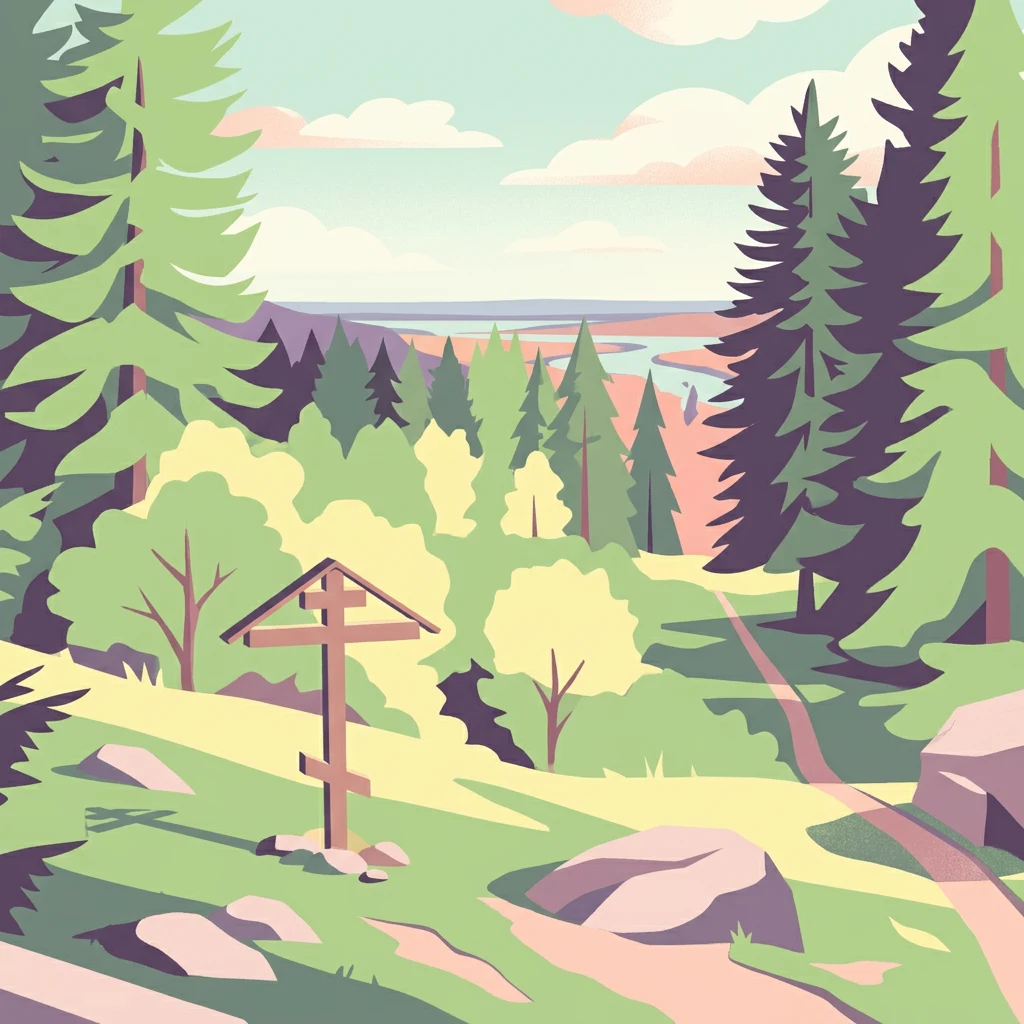
Stylized illustration of a forest trail with a wooden signpost, rocks, and pine trees. In the background are more trees and distant water.

Russky Sever National Park

National park

Park overview

Structured park overview, official facts, and landscape profile for Russky Sever National Park

Russky Sever National Park park facts, protected area profile, and essential visitor context
Review the core facts for Russky Sever National Park, including designation, size, terrain, visitor scale, habitats, and operating context in one park-focused overview.

About Russky Sever National Park

Russky Sever National Park occupies a significant position in northern Russia's protected area network by combining cultural and natural preservation objectives. The park is situated in the southern part of Kirillovsky District, lying east of Lake Beloye and northwest of Lake Kubenskoye in Vologda Oblast. The territory encompasses the historic town of Kirillov, which developed as the posad (settlements) surrounding the Kirillo-Belozersky Monastery, making this one of the few Russian national parks that includes an inhabited town within its boundaries. The landscape is fundamentally shaped by glacial processes, with rolling hills and various moraine features creating a varied topography. Several hills within the park are protected as natural monuments, preserving their geological and landscape values. The park also includes sections of the Northern Dvina Canal and the Volga-Baltic Waterway, important inland waterway infrastructure connecting Russia's river systems. The protection concept developed in the 1980s during the Soviet period recognized that this area offered both significant natural values and cultural heritage worthy of preservation, distinguishing it from the initial proposal to establish the park in a different location focused solely on karst landscape protection.

Quick facts and research context for Russky Sever National Park

Russky Sever National Park is located in Vologda Oblast, approximately 100 kilometers northeast of the city of Vologda. The park was established on March 20, 1992, and is managed by the Forestry Office of Vologda Oblast. Only 45.6 percent of the park's territory has full protection status where production activities are prohibited, while the remaining area includes agricultural lands and the town of Kirillov. Forests cover 69.8 percent of the park's area, with swamps accounting for 7.1 percent. The park includes several protected natural monuments, notably Maura Hill, Sandyreva Hill, and Tsypina Hill, as well as the Sokolsky Bor pine forest and the Shalgo-Bodunovsky Les area protecting rare pristine spruce and pine forest remnants.

Park context

Deeper park guide and search-rich context for Russky Sever National Park

Russky Sever National Park history, landscape, wildlife, and travel context
Explore Russky Sever National Park through its history, landscape character, ecosystems, wildlife, conservation priorities, cultural context, and seasonal travel timing in a structured park guide built for atlas discovery and search intent.

Why Russky Sever National Park stands out

Russky Sever is best known for its unique combination of medieval Russian religious architecture and preserved natural landscapes. The park protects the Kirillo-Belozersky Monastery, founded in 1397 by St. Cyril of White Lake, which was once the second-largest landowner in Russia after the Trinity Lavra of St. Sergius. The Ferapontov Monastery, established in 1398, houses exceptional 16th-century frescoes by Dionisy and is recognized as a UNESCO World Heritage site. The park's landscape features distinctive glacial hills, including Maura Hill which offers panoramic views of the surrounding countryside and the Kirillo-Belozersky Monastery in the distance. The Sheksna River, historically one of the most important waterways connecting central and northern Russia, flows through the park area.
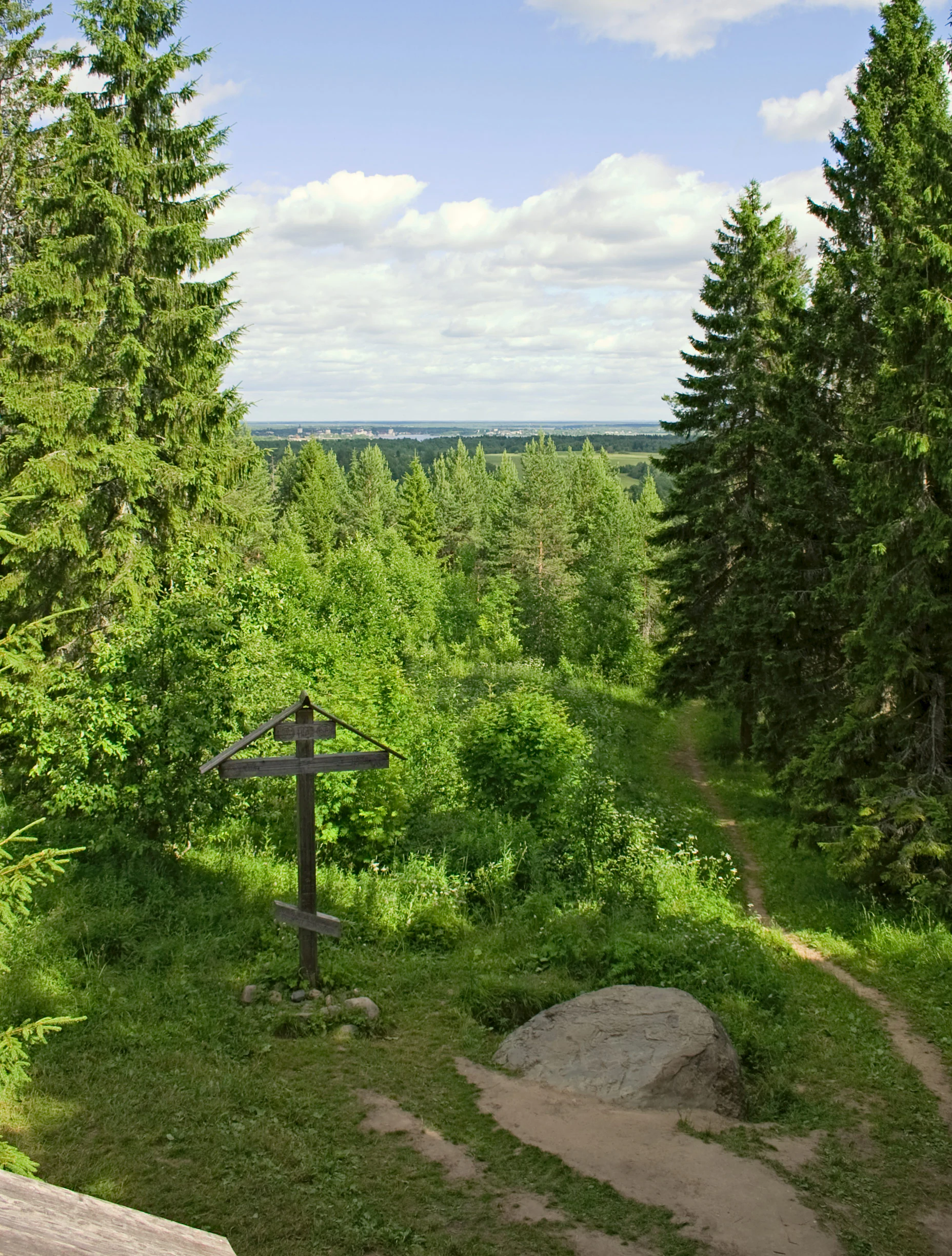
Wooden cross on a grassy hill, surrounded by tall evergreen trees, with a dirt path and distant view of the town of Kirillov.
Wooden cross on Maura hill with views of the town of Kirillov and surrounding forest under a partly cloudy sky.

Russky Sever National Park history and protected-area timeline

The human history of the Russky Sever area stretches back to the medieval period when the region was part of the Principality of Beloozero in the 13th century. Following the expansion of the Grand Duchy of Moscow in the 14th century, the area became incorporated into the growing Russian state. In 1397, St. Cyril of White Lake, a disciple of St. Sergius of Radonezh, founded the Kirillo-Belozersky Monastery on the shore of Lake Siverskoye, establishing a religious center that would become one of the most influential monasteries in Russia. The following year, St. Therapont of White Lake established the Ferapontov Monastery at a separate location. During the 15th and 16th centuries, the Kirillo-Belozersky Monastery accumulated vast land holdings, becoming the second-largest landowner in Russia after the Trinity Lavra of St. Sergius. The Sheksna River served as a crucial waterway connecting central and northern Russia, contributing to the monastery's prosperity. Notable visitors included Grand Prince Vasili III of Russia and Tsar Ivan the Terrible. In the late 15th century, Nil Sorsky, a former monk of the monastery and leader of the Non-possessors movement in the Russian Orthodox Church, founded the Nilo-Sorsky Monastery approximately 15 kilometers northwest of Kirillov. The concept of national parks was developed in the Soviet Union during the 1980s, and Vologda Oblast was invited to create one. After considering a location in Vytegorsky District to protect karst landscapes, officials selected the Kirillovsky District area due to its cultural significance and better accessibility for tourism. The park project was developed between 1989 and 1990, and the national park was officially established in 1992.

Russky Sever National Park landscape and geographic character

The landscape of Russky Sever National Park is characterized by hilly terrain of glacial origin, forming part of the broader glaciated landscape of Vologda Oblast. Several prominent hills rise from the surrounding terrain and are protected as natural monuments, including Maura Hill, Sandyreva Hill, and Tsypina Hill. Maura Hill, in particular, offers commanding views of the surrounding area and the Kirillo-Belozersky Monastery in the village of Goritsy. The park's terrain includes a mix of forested slopes, marshy depressions, and agricultural valleys. The Sheksna Reservoir, a major artificial lake on the Sheksna River, forms part of the park's eastern boundary. The Sokolsky Bor area, protected as a natural monument, encompasses pinewood forest growing on the bank of the Sheksna Reservoir. The Shalgo-Bodunovsky Les is another protected forest area preserving remnants of spruce and pine pristine forest that has become extremely rare in Vologda Oblast. The overall landscape combines natural forest and wetland areas with the cultural landscape shaped by centuries of monastic activity and agricultural use.

Russky Sever National Park ecosystems, habitats, and plant life

The natural environment of Russky Sever National Park reflects the boreal forest ecosystem typical of northwestern Russia. Forests dominate the landscape, covering 69.8 percent of the park's total area, primarily consisting of coniferous species mixed with deciduous trees. Swamps and wetlands occupy 7.1 percent of the territory, representing important hydrological features and habitats. The park protects several significant forest areas, including the Shalgo-Bodunovsky Les, which preserves remaining stands of spruce and pine pristine forest that have almost disappeared from Vologda Oblast. The Sokolsky Bor area protects pine forest communities on the banks of the Sheksna Reservoir. The glacial landscape creates diverse habitat conditions, from hilltops to marshy depressions, supporting a variety of plant communities. The Sheksna River and associated waterways provide aquatic habitats, while the network of wetlands adds to the ecological diversity. The park's location between Lake Beloye and Lake Kubenskoye positions it within a region of significant lakes and waterways.

Russky Sever National Park wildlife and species highlights

The wildlife of Russky Sever National Park reflects the boreal forest ecosystem of northern European Russia. The extensive forests provide habitat for typical forest-dwelling species including various species of forest birds, small mammals, and larger mammals such as moose and roe deer that inhabit the woodland areas. The wetlands and marshes support waterfowl and bird species associated with aquatic habitats. The Sheksna Reservoir and riverine habitats attract water birds and species dependent on aquatic environments. The protected forest areas, particularly the Shalgo-Bodunovsky Les with its old-growth spruce and pine forest, provide valuable habitat for species that require older forest structures. While the park is not primarily known for wildlife viewing, the relatively undisturbed forest and wetland habitats support biodiversity representative of the Vologda Oblast region. The mosaic of forests, wetlands, and agricultural lands creates diverse habitat conditions supporting various wildlife communities.

Russky Sever National Park conservation status and protection priorities

Russky Sever National Park represents an integrated approach to conservation that protects both natural landscapes and cultural heritage within a single protected area. The park's dual focus distinguishes it from many other Russian protected areas, combining biodiversity preservation with the protection of historic religious monuments and cultural landscapes. Only 45.6 percent of the park's territory has full protection status where production activities are prohibited, reflecting the complex relationship between conservation objectives and ongoing human use of the landscape. The park protects natural monuments including hills with their distinctive glacial topography and forest areas with old-growth characteristics. The protection of the area around significant monasteries preserves the historic cultural landscape that developed over centuries. The inclusion of the Ferapontov Monastery on the UNESCO World Heritage List demonstrates the international recognition of the cultural values that the park helps to protect. The park's management by the Forestry Office of Vologda Oblast coordinates conservation activities with sustainable use of natural resources in the broader territory.

Russky Sever National Park cultural meaning and human context

The cultural context of Russky Sever National Park is defined by its exceptional concentration of medieval Russian religious architecture and its role in the historical development of Russian Orthodoxy. The Kirillo-Belozersky Monastery, founded in 1397, became one of the most powerful and influential religious institutions in Russia, accumulating vast land holdings and playing significant roles in both religious and political spheres of Russian history. The monastery was visited by Grand Prince Vasili III and Tsar Ivan the Terrible, reflecting its importance in the Russian state. The Ferapontov Monastery, established in 1398, gained renown for its artistic treasures, particularly the frescoes painted by Dionisy in the early 16th century, which represent masterpieces of medieval Russian religious art. The Nilo-Sorsky Monastery, founded by Nil Sorsky, was important in the development of Russian Orthodox spiritual thought through the Non-possessors movement. The town of Kirillov developed as the monastic settlement associated with the Kirillo-Belozersky Monastery, creating a cultural landscape where religious architecture, monastic lands, and settlement have been intertwined for over six centuries.

Top sights and standout views in Russky Sever National Park

Russky Sever National Park offers visitors the opportunity to explore a landscape where natural and cultural heritage are inseparable. The Kirillo-Belozersky Monastery complex, with its historic buildings and collections, represents a major destination for those interested in Russian religious architecture and history. The Ferapontov Monastery, a UNESCO World Heritage site, contains extraordinary frescoes that are considered masterpieces of medieval Russian art. Maura Hill provides a natural viewpoint offering panoramic views of the monastery and surrounding countryside. The park's network of hiking trails allows visitors to experience the glacial landscape, old-growth forests, and the traditional rural settlements that characterize this part of northern Russia. The combination of accessible road connections from Vologda and the proximity of multiple significant cultural sites within a relatively compact area makes the park practical for visitors interested in both natural landscapes and cultural heritage.

Best time to visit Russky Sever National Park

The best time to visit Russky Sever National Park is during the summer months from June to August when the weather is most suitable for outdoor exploration and the monasteries are open to visitors. Summer provides the opportunity to hike the park's trails, climb the protected hills for views, and experience the full vitality of the boreal landscape. The winter months bring snow and cold temperatures typical of northern Russia, which may limit some outdoor activities but offer a different perspective on the landscape. The shoulder seasons of spring and autumn provide possibilities for those interested in fewer crowds and the changing character of the forest. The park can be visited year-round, though the experience varies significantly with the seasons. The monasteries are accessible throughout the year, though opening hours may vary between seasons. Visitors interested in combining natural exploration with cultural visits should consider that the summer months offer the most comfortable conditions for walking trails and visiting outdoor sites.

Park location guide

Geography guide, regional context, and park location map for Russky Sever National Park

Russky Sever National Park park geography, regions, and map view in Russia
Understand where Russky Sever National Park sits in Russia through a broader geographic reading of the surrounding landscape, nearby location context, and its mapped position within the national park landscape.

How Russky Sever National Park fits into Russia

Russia is a transcontinental nation spanning eleven time zones, bordered by fourteen countries. It is the world's largest country by area, covering 17,098,246 km². Moscow is the capital and largest city, while Saint Petersburg is the second-largest and a major cultural centre.

Wider geography shaping Russky Sever National Park in Russia

Russia spans Eastern Europe and North Asia, covering 17,098,246 km². It shares land borders with fourteen countries, more than any other nation, and spans eleven time zones. The landscape includes vast plains, mountain ranges such as the Urals and Caucasus, and extensive coastlines along the Arctic Ocean, Pacific Ocean, Baltic Sea, Black Sea, and Caspian Sea.

Map view of Russky Sever National Park

Use this park location map to pinpoint Russky Sever National Park in Russia, understand its exact geographic position, and read its mapped placement within the surrounding landscape more clearly.

Pigeon | © OpenStreetMap contributors

Location context for Russky Sever National Park

Kirillovsky DistrictVologda Oblast

Visually immerse yourself in Russky Sever's unique blend of glacial terrain, dense forests, and UNESCO World Heritage monasteries.

Russky Sever National Park Photos: Explore Glacial Landscapes, Boreal Forests, and Ancient Monasteries
Browse an extensive collection of photos from Russky Sever National Park, revealing its vast glacial landscapes, ancient boreal forests, and the iconic medieval monasteries, including the UNESCO-listed Ferapontov. These images provide essential visual context, helping you understand the park's unique blend of protected natural environments and profound cultural heritage across Vologda Oblast.

Wooden cross on a grassy hill, surrounded by tall evergreen trees, with a dirt path and distant view of the town of Kirillov.

Park atlas

Browse a detailed atlas of protected landscapes, comparing national parks and nature reserves across European Russia, including the Vologda Oblast.

Discover National Parks and Protected Areas Near Russky Sever, European Russia
After exploring Russky Sever National Park's unique blend of glacial landscapes and medieval monasteries, delve into a wider selection of national parks and protected areas across European Russia. Compare their distinct natural environments, cultural heritage, and geographic spread to understand the broader conservation efforts within this region's varied terrain.
National park

Kenozersky National Park: Northern Russia's Protected Glacial Landscape and Historic Architecture

Explore mapped terrain, lake systems, and cultural geography.

Kenozersky National Park is a significant protected area in Arkhangelsk Oblast, Russia, notable for its preservation of a distinctive northern landscape. Defined by glacial topography, the park features rolling hills, numerous lakes and wetlands, and extensive boreal forests. Beyond its natural geography, Kenozersky National Park also safeguards a rich cultural heritage, particularly the surviving historic wooden churches and chapels that are integral to its identity. This national park offers a unique opportunity for structured discovery of protected lands and their associated regional context.

National parkArkhangelsk Oblast

Vodlozersky National Park: A Protected National Park within Arkhangelsk Oblast's Geography

Explore the mapped boundaries and natural landscape of this national park.

Vodlozersky National Park serves as a significant protected landscape within the Arkhangelsk Oblast region. This national park detail page provides focused access to its geographic identity, mapped terrain, and protected area status. Utilize MoriAtlas to understand the specific context of Vodlozersky National Park and its role in the regional atlas of natural areas, enhancing your geographic discovery.

Area
4,280 km²
Established
1991
IUCN
II
Visitors
1K annual
National parkYaroslavl Oblast

Pleshcheyevo Ozero National Park: National Park Mapping and Regional Protected Area Atlas

Discover its protected landscape and geographic setting.

Pleshcheyevo Ozero National Park is a key protected area within the geography of Yaroslavl Oblast, Russia. This page offers detailed insights into the park's specific landscape character, its mapped boundaries, and its significance as a national park. It serves as an entry point for understanding the protected lands of the region and exploring its natural terrain within a broader atlas context.

Area
238 km²
Established
1997
IUCN
II
Relief
Lowland
Watercolor illustration of a lake with green forests and grassy foreground, distant hills, and purple and orange water tones
National park

Valdaysky National Park: Russia's National Park & Protected Landscape Explorer

Discover its mapped boundaries and regional geographic context.

Valdaysky National Park represents a significant protected area, offering a focused entry into Russia's natural landscapes. This MoriAtlas page provides detailed geographic context, mapping the park's protected boundaries and its position within the regional terrain. Use this resource to understand the park's unique landscape identity and its value for structured atlas-based discovery of protected lands.

Area
1,585 km²
Established
1990
IUCN
II
Visitors
60K annual
Watercolor illustration of a lake surrounded by forests and mountains under a light sky
National parkTver Oblast

Zavidovo National Park: Exploring its Protected Landscape and Geographic Identity

Mapped protected areas within Tver Oblast's regional geography.

Delve into the specifics of Zavidovo National Park, a designated national park situated within the Tver Oblast. This detailed page provides a geographic lens, allowing for exploration of its protected landscape, mapped boundaries, and its regional context. Understand how this protected area contributes to the larger atlas of Russia's natural environments and discover its unique geographic features through structured, searchable data.

Area
1,329 km²
Established
2015
IUCN
II
Relief
Lowland
Watercolor illustration of a winding river, trees, and hills in the background
National parkMoscow Oblast

Losiny Ostrov National Park: National Park Protected Landscape in Moscow Oblast

Mapped boundaries and regional geographic context for this protected area.

Uncover the geographic specifics of Losiny Ostrov National Park, a national park situated within the Moscow Oblast. This entry provides detailed insights into the park's protected area designation, its mapped natural landscape, and its position within the regional geography. It serves as a focused point for understanding the protected land's specific features and its atlas value for exploring Russia's diverse natural territories.

Area
116 km²
Established
1983
IUCN
II
Relief
Lowland
Watercolor illustration showing a lake with forested shores and mountains in the background
National parkRepublic of Karelia

Ladoga Skerries National Park: National Park Protected Landscape & Geography

Mapped boundaries and regional context in the Republic of Karelia.

Discover Ladoga Skerries National Park, a key protected area recognized as a national park within the Republic of Karelia. This page provides essential context for understanding its mapped boundaries, the natural terrain it encompasses, and its geographical significance within the broader regional landscape. Utilize this information for structured atlas exploration of protected natural environments, focusing on the distinct identity of Ladoga Skerries National Park.

Area
1,220 km²
Established
2017
IUCN
II
Relief
Lowland
Natural monumentRepublic of Karelia

Mount Vottovaara Natural Monument: Explore Protected Landscape and Geographic Context in Karelia

Mapped protected area boundaries and regional terrain in the Republic of Karelia.

Mount Vottovaara represents a significant natural monument within the Republic of Karelia, offering a focal point for structured geographic exploration. This protected landscape's mapped boundaries and its setting within the region's broader geography are key to understanding its atlas value. MoriAtlas provides the framework to examine the specific identity of Mount Vottovaara as a protected area, encouraging detailed study of its natural features and regional context.

Area
15 km²
Established
2011
Relief
Mixed relief
Climate
Boreal

Common questions about visiting, size, designation, and location context for Russky Sever National Park

Russky Sever National Park FAQs for park facts, access, geography, and protected area context
Find quick answers about Russky Sever National Park, including protected-area facts, park geography, trail and visitor context, and how the park fits into its surrounding country and regional landscape.
MoriAtlas Explorer

Continue Your Protected Areas Search Across the Global Atlas

Deepen your exploration by continuing the structured search for national parks and protected areas worldwide. Utilize the comprehensive filtering capabilities to compare different conservation landscapes and refine your understanding of global park geography. Discover more about the distribution and characteristics of protected natural areas.

Global natural geography