Why Losiny Ostrov National Park stands out
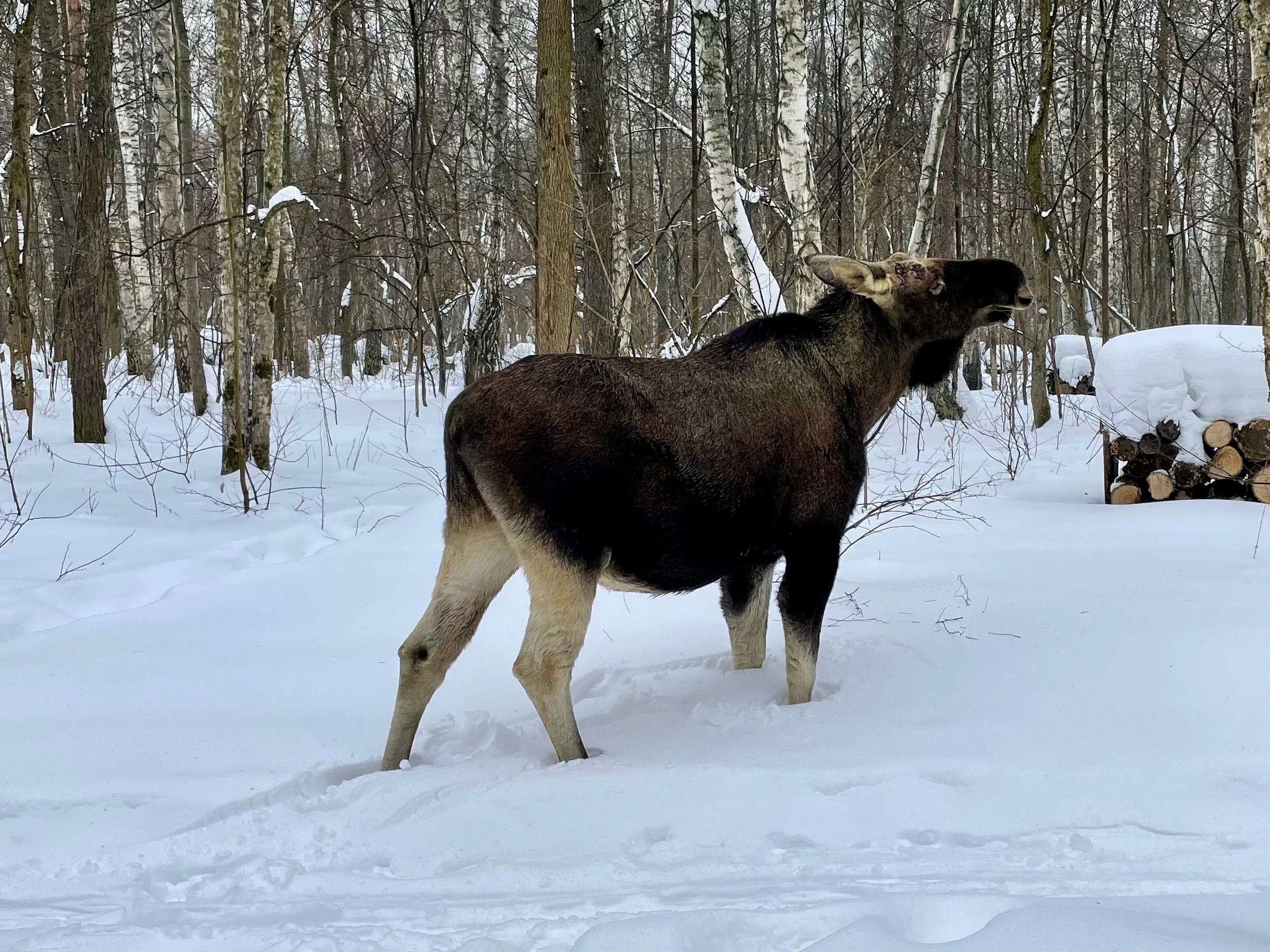
Losiny Ostrov is best known as Europe's largest urban national park, a place where Moscow residents can encounter wild animals in their natural habitat just minutes from the city center. The park's defining species is the moose, which still roams the forest in surprising numbers given the urban surroundings. The Elk Biological Station within the park offers visitors the opportunity to observe and learn about these magnificent animals up close. The park also stands out for its unique position as a centuries-old royal hunting ground that has retained its wild character despite being engulfed by the expanding Moscow metropolitan area, representing a living connection to the forested landscape that once surrounded the Russian capital.
Losiny Ostrov National Park history and protected-area timeline
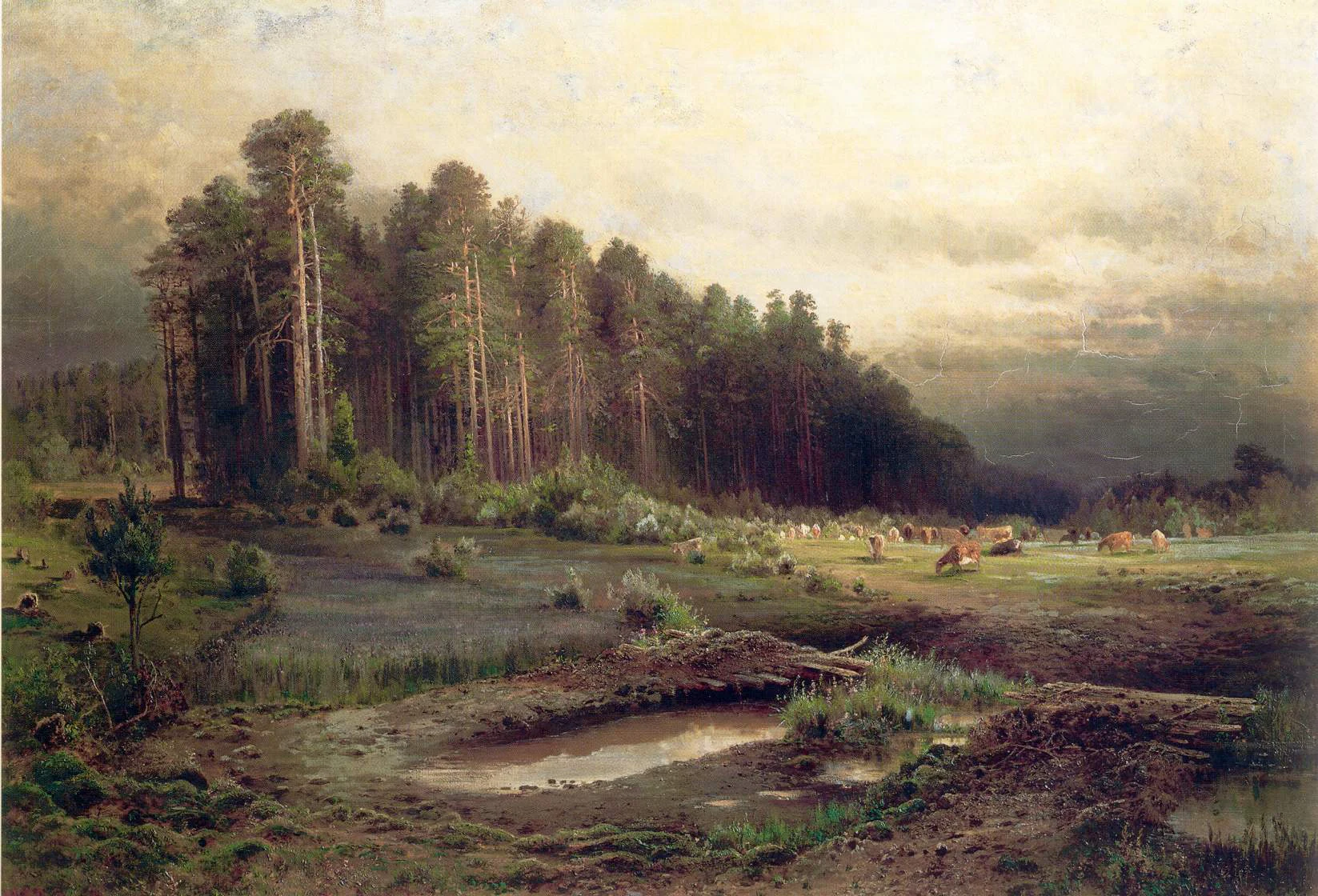
The history of Losiny Ostrov stretches back to the 14th century when the territory was documented in the testaments of Russian princes including Ivan Kalita, Dmitri Donskoi, and Vladimir of Serpukhov, who referenced the plowed lands and forests of the area. The site served as the exclusive hunting ground of Grand Princes and Russian tsars for centuries, earning its name which translates as Elk Island in reference to the prized game animals found there. Tsar Alexis I of Russia particularly enhanced the prosperity of Losiny Ostrov as a royal hunting territory during his reign. Following the transfer of the Russian capital to Saint Petersburg in the 18th century, the territory lost some of its exclusive royal significance but remained under government protection through imperial edicts, and in 1798 the forests passed to the newly formed forest department. The first systematic forest management was established in 1842 when the Losinoostrovskaya lesnaya dacha was opened, marking the beginning of organized forestry in the area. In 1934, Losiny Ostrov was incorporated into Moscow's 50-kilometer greenbelt. The park suffered significant damage during World War II when large areas of forest were cleared, and in the post-war period it faced pressure from land seizures for agriculture and illegal logging. The construction of the Moscow Ring Road in the late 1950s physically divided the forest into separate sectors. After years of advocacy, a resolution in 1979 organized Losiny Ostrov as a natural park, and in 1983 the Council of Ministers of the RSFSR officially established it as a national park. The Elk Biological Station began operations in 2002 and, after reconstruction, reopened in December 2015 as an educational facility where visitors can learn about and interact with the park's elk population.
Losiny Ostrov National Park landscape and geographic character
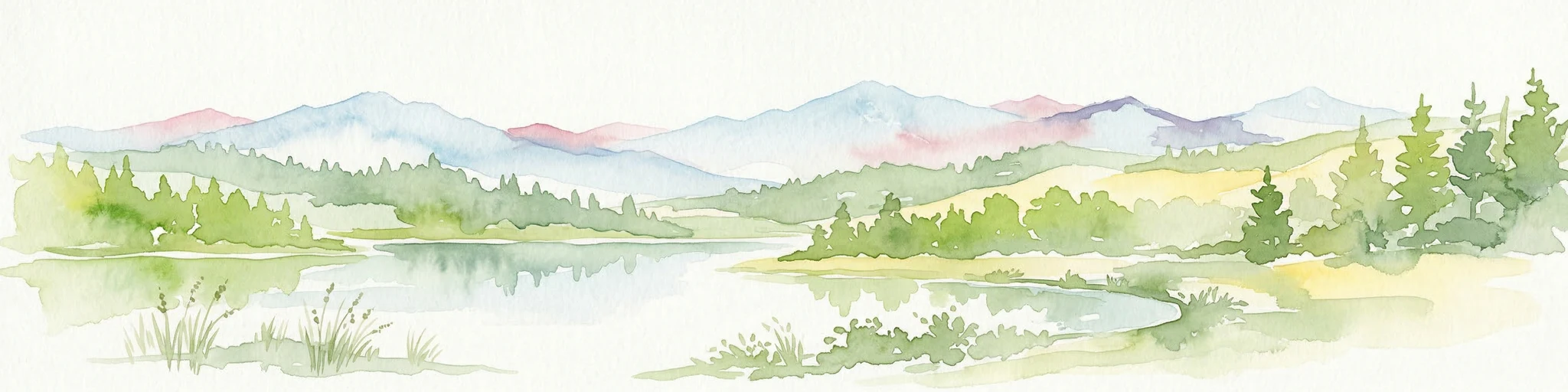
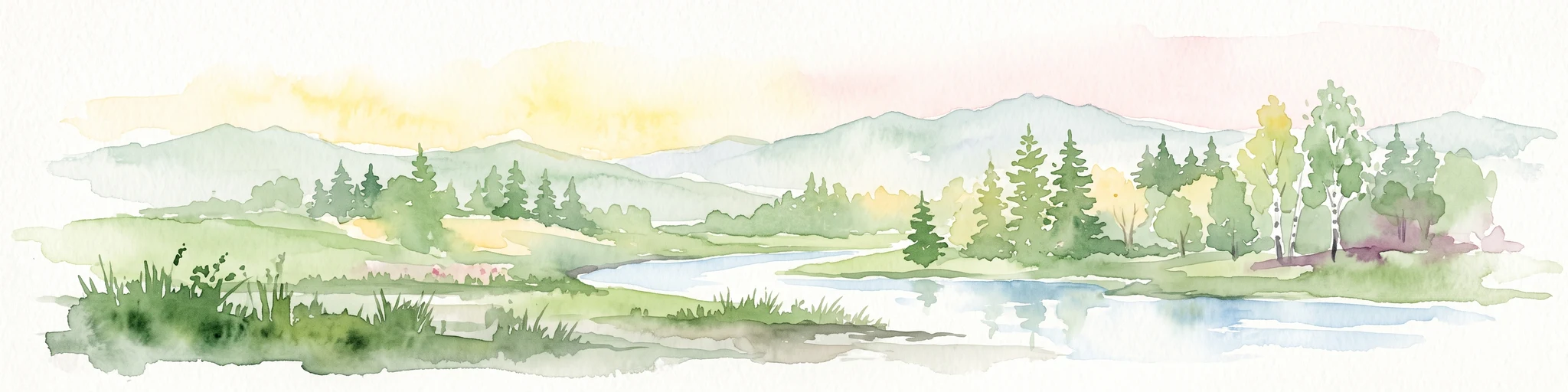
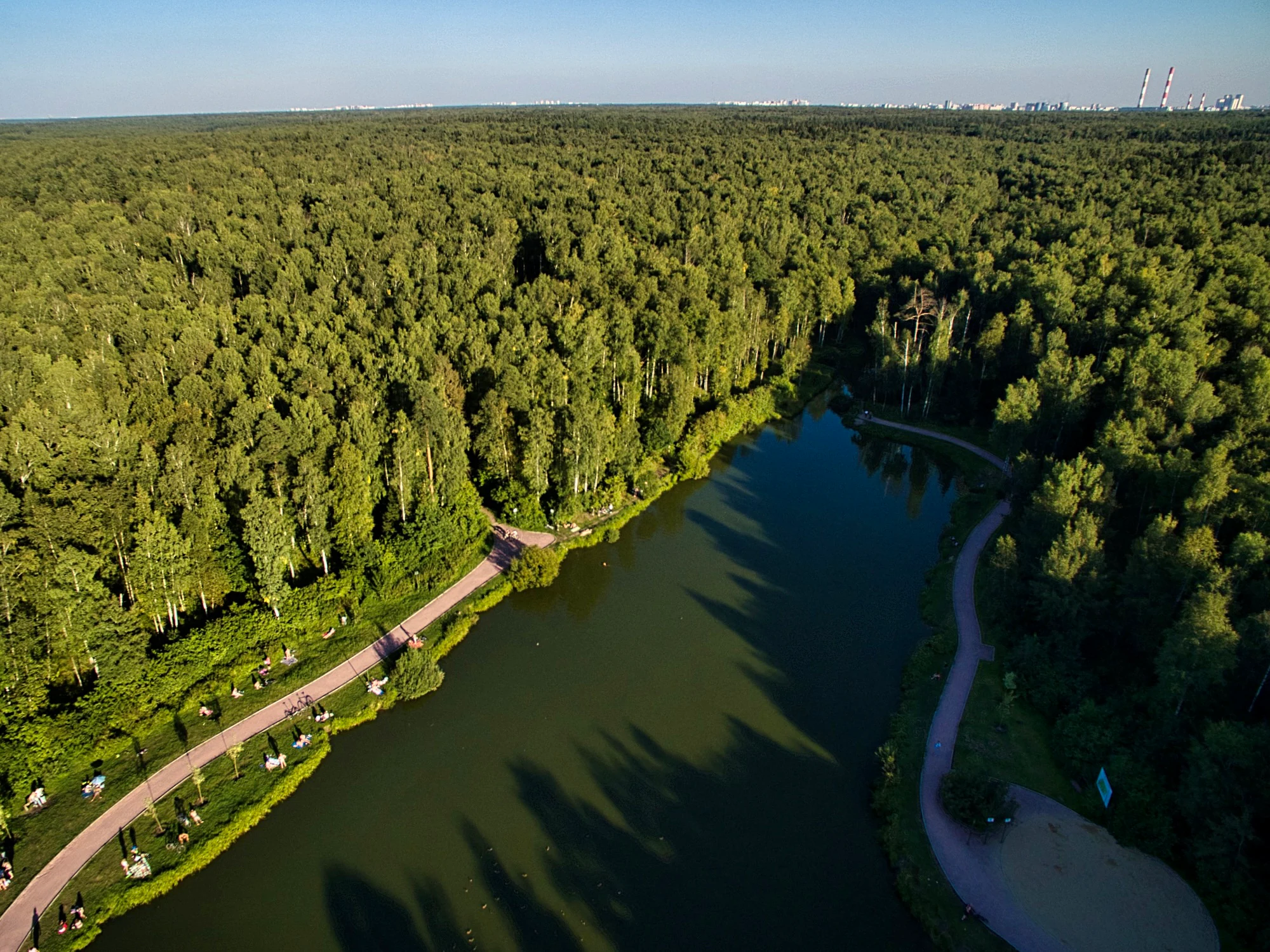
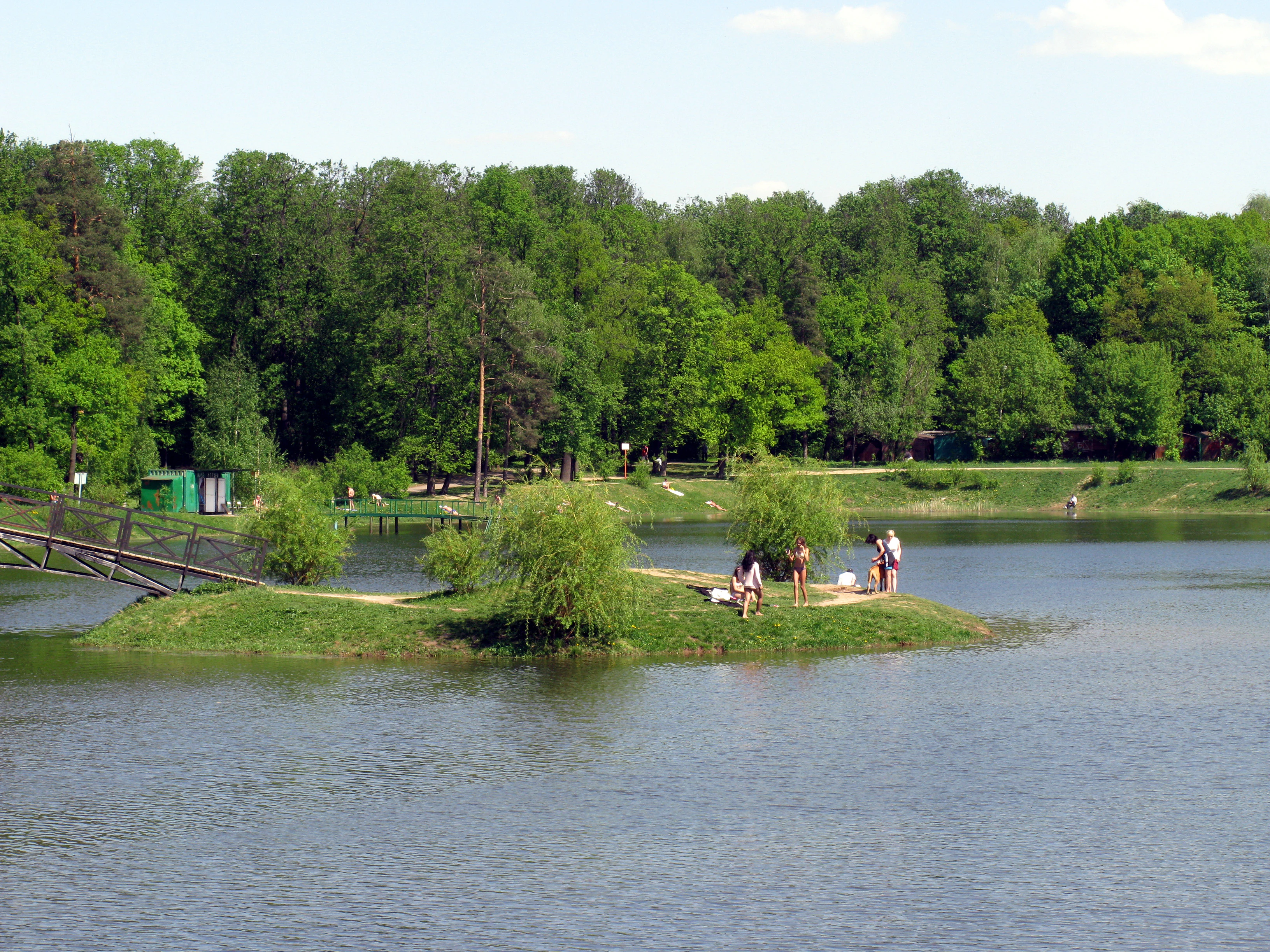
The landscape of Losiny Ostrov National Park is characterized by gently undulating terrain typical of the Meshchera Lowlands, a vast lowland area in central Russia. The park sits at the watershed divide between the Moskva River and Klyazma River, creating a landscape defined by subtle elevation changes and the networks of small rivers and streams that flow from this drainage divide. The highest points reach approximately 175 meters above sea level while the lowest elevations of around 146 meters occur in the floodlands of the Yauza River. The southwestern portion of the park features the most visually dramatic terrain, where above-floodplain terraces of the Yauza River create clearly defined slopes descending to the river's floodplain. The park contains the headwaters of both the Yauza and Pekhorka rivers, though both watercourses have been significantly modified by human activity, with the Yauza's natural riverbed largely destroyed by peat extraction during the 1950s and 1970s. Approximately 5 percent of the park's area is classified as swamp, with the Upper Yauza Swamps representing the most significant wetland complex. The remaining landscape is dominated by forest, with scattered ponds and small water bodies adding visual and ecological diversity to the terrain.
Losiny Ostrov National Park ecosystems, habitats, and plant life
The ecological character of Losiny Ostrov is defined by its extensive forest cover, which occupies approximately 83 percent of the park's 116 square kilometers. The forests are predominantly mixed woodlands featuring coniferous species such as pine and spruce alongside various deciduous trees. This forest matrix supports a remarkable array of biodiversity for an urban area, with the park serving as a critical refuge for wildlife within the Moscow metropolitan region. The wetland ecosystems within the park, including the extensive swamp areas and the river valleys of the Yauza and Pekhorka, provide additional habitat diversity and support specialized plant and animal communities. The park's position at the ecological crossroads of different landscape zones contributes to the diversity of habitats found within its boundaries, combining elements of lowland forests, wetlands, and riparian zones. The protection afforded by national park status has allowed these ecosystems to persist despite the intense development pressure from the surrounding urban area, making Losiny Ostrov an important ecological island within one of Europe's largest cities.
Losiny Ostrov National Park wildlife and species highlights
Losiny Ostrov supports an impressive diversity of wildlife given its urban setting, with 44 species of mammals, 170 bird species, 9 amphibian species, 5 reptile species, and 19 fish species recorded within the park boundaries. The park's namesake species, the moose, remains the most iconic wildlife resident and can be observed in various parts of the park, particularly in the more forested and wetland areas. The Elk Biological Station provides opportunities for visitors to learn about and observe these animals up close, contributing to environmental education and awareness. The bird population is particularly notable, with the diverse forest and wetland habitats supporting both resident species and migratory birds that use the area as a stopover or breeding ground. The wetland areas provide critical habitat for waterfowl and other bird species associated with aquatic environments, while the forest interior supports a variety of songbirds and birds of prey. The presence of species such as beavers, which have established colonies along the park's water bodies, further demonstrates the ecological health of this urban wilderness.
Losiny Ostrov National Park conservation status and protection priorities
Losiny Ostrov National Park represents an important conservation achievement as one of the few large-scale protected areas within a major metropolitan region in Europe. The park's zoning system divides the territory into areas with varying levels of protection, with nearly half of the total area designated as especially protected and closed to public access to allow ecosystems to develop with minimal human disturbance. This approach recognizes the dual challenge of maintaining biodiversity while providing recreational opportunities for urban residents. The park's designation as a national park in 1983 provided formal legal protection for the area, building on the earlier protected status that dates back to 1799 when the territory was declared reserved. Conservation efforts focus on maintaining the ecological integrity of the forest and wetland ecosystems, protecting wildlife populations including the flagship moose species, and managing visitor impact through the zoning system. The park also serves a broader conservation function as part of Moscow's greenbelt system, connecting to other protected areas and green spaces to form a larger ecological network.
Losiny Ostrov National Park cultural meaning and human context
Losiny Ostrov carries deep historical significance as a landscape that has been associated with Russian state power and royal hunting traditions since the medieval period. The very name Elk Island reflects the importance of the area as a hunting ground for game species prized by the Russian aristocracy. This historical use as an exclusive royal hunting territory helped preserve the forest character of the area even as the surrounding lands were developed, creating the unusual situation where a medieval royal hunting ground has survived as a wilderness area within a modern megacity. The park also reflects the Soviet and post-Soviet approach to nature conservation, being established during the late Soviet period and continuing to operate within the Russian Federation. The ongoing challenges to the park's integrity, such as the highway construction approved in Korolyov in 2025, illustrate the continued tension between development pressures and conservation priorities in the Moscow region.
Top sights and standout views in Losiny Ostrov National Park
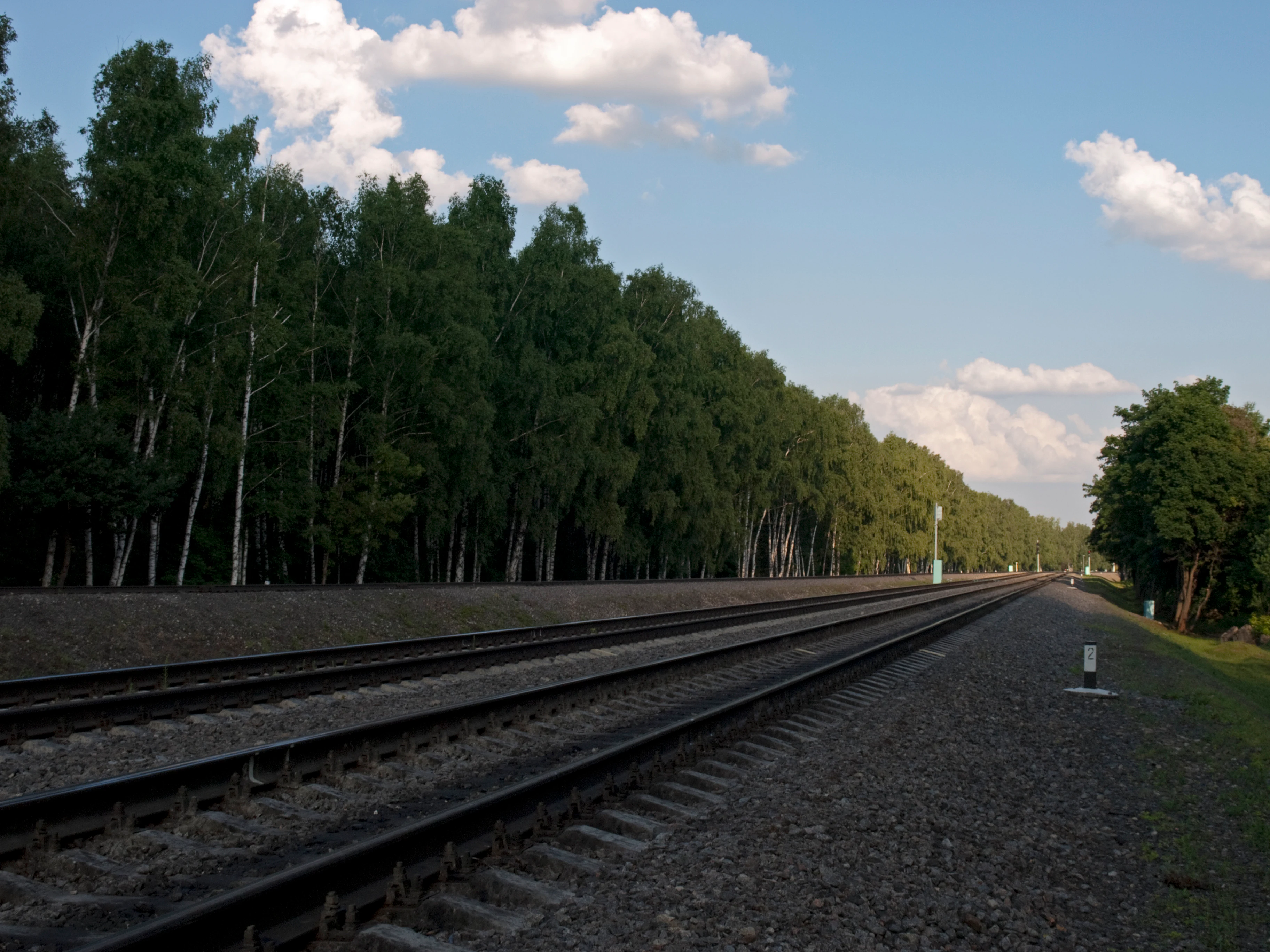
Losiny Ostrov stands out as a unique conservation space where the wild character of a centuries-old royal hunting ground has survived within one of Europe's largest cities, offering urban residents an authentic wilderness experience without leaving the metropolitan area. The Elk Biological Station provides one of the park's most distinctive visitor experiences, allowing close observation of moose in an educational setting while conveying information about the species' biology and conservation. The network of trails through different zones allows visitors to experience varied landscapes from dense forest to wetland marshes, while the portions of the Moscow Little Ring Railway that traverse the park add an unusual industrial element to the natural setting. The park's position at the watershed between two major river systems and its location at the ecological junction of different landscape zones contribute to the diversity of environments found within its relatively compact area.
Best time to visit Losiny Ostrov National Park
Losiny Ostrov can be visited throughout the year, with each season offering a distinct experience of the park's character. The summer months provide the most accessible trail conditions and offer the best opportunities for wildlife observation, particularly for spotting moose and other mammals in the early morning or evening hours. Autumn brings the changing colors of the deciduous trees, creating particularly scenic conditions throughout the park's extensive forests. Winter offers a different perspective on the landscape, with snow-covered terrain providing excellent conditions for tracking wildlife and observing the park's winter-adapted species. The shoulder seasons of spring and autumn tend to be less crowded while still offering pleasant conditions for hiking and wildlife observation. The park's status as an urban wilderness means that it can be affected by Moscow's climate, with the proximity to the city moderating some temperature extremes.