Why Meshchyorsky National Park stands out
Meshchyorsky National Park is best known for its exceptional wetland ecosystem: a vast network of peat bogs, shallow lakes, rivers, and marshes that form one of the most biodiversity-rich wetland complexes in central Russia. The park protects the Pra River watershed with its distinctive 48-kilometer chain of interconnected lakes, including the prominent Lake Velikoye and the scenic Lake Beloye (White Lake). Its position at the southern edge of the taiga zone creates a unique blend of boreal and temperate species, with notable populations of elk, wild boar, and the recently returned brown bear, along with flourishing beaver communities and seasonal surges of migratory waterfowl including geese and ducks.
Meshchyorsky National Park history and protected-area timeline
The Meshchera Lowlands have long held cultural significance for Russia, attracting artists and writers who captured the distinctive character of its landscapes and rural life. The renowned Russian painter Abram Arkhipov lived in a village within the territory during the late 1800s, producing extensive works depicting the peasant life of the region. Similarly, the Soviet writer Konstantin Paustovsky made his home in the area, drawing inspiration from Meshchyorsky's natural surroundings for his literary works. The park itself was formally established in 1992, creating a protected framework for the region's ecological treasures. Conservation challenges have included recurring forest and peat fires, particularly during dry summer months when the peat-rich soils become highly flammable. Since 2003, the park has implemented an ambitious peatland restoration program, with over 6,000 hectares of degraded peatlands rewetted by 2015, helping to restore natural hydrology and reduce fire risk.
Meshchyorsky National Park landscape and geographic character
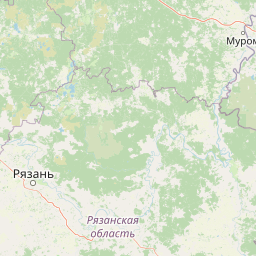
The physical landscape of Meshchyorsky National Park is defined by its position within the ancient alluvial valley of the Meshchera Lowlands, a flat depression created by glacial processes during the Quaternary Period. The terrain is exceptionally uniform, with the land surface varying by only 40 meters in elevation across the entire protected area, yet this subtle topography creates conditions for a complex wetland system. The Pra River watershed contains small rivers, streams, and a remarkable 48-kilometer chain of lakes connected by natural channels. The lakes themselves are characteristically shallow, generally remaining under 1.1 meters even at low water, with marshland developing along their shores. Lake Velikoye stands as the largest water body with an open water area of 20.7 square kilometers, followed by Lake Dubovoye at 12.2 square kilometers and Lake Martynovo at 2.46 square kilometers. Where the Pra River meets the Oka River, the floodplain broadens to approximately 10 kilometers in width, creating an expansive wetland mosaic. Agricultural use occupies about 54% of the park's territory, reflecting the long history of human settlement and land use in this relatively accessible region between Moscow and Ryazan.
Meshchyorsky National Park ecosystems, habitats, and plant life
The ecological character of Meshchyorsky National Park reflects its position within the Sarmatic mixed forests ecoregion, a temperate forest belt extending from Norway to the Ural Mountains, transitional between the boreal taiga to the north and more southerly deciduous forests. The park's moderate continental climate (Köppen Dfb) delivers four distinct seasons with high variance between long, cold winters and short, warm, rainy summers, with average temperatures ranging from minus 10 degrees Celsius in January to around 20 degrees Celsius in July and annual precipitation averaging approximately 584 millimeters. Forest composition varies with soil conditions: pine dominates on sandy soils, while birch, aspen, alder, and occasional spruce characterize less sandy areas. As former agricultural lands are retired from production, secondary meadows develop, dominated by sedge species and eventually transitioning to forest through natural succession. Scientists have documented 866 vascular plant species within the park, of which 47 are classified as vulnerable, indicating both the biological richness and conservation concern associated with this wetland landscape.
Meshchyorsky National Park wildlife and species highlights
The wildlife community at Meshchyorsky reflects the park's transitional position at the southern edge of the taiga zone, supporting a mix of boreal and more temperate species. Large mammals present include elk and wild boar, with brown bears having recently returned to the forest edges, representing a notable recovery for this apex predator in the region. Aquatic mammals are well-represented, with beaver populations growing rapidly along with muskrat in the lakes and canal systems. The wetland habitats draw extraordinary concentrations of migratory birds each spring, including large flocks of geese and ducks along with numerous wading bird species inhabiting the marshes. The river and lake systems support diverse fish communities from the Oka River system, including perch, pike, chub, bream, and roach among other species. Conservation concern extends to the greater noctule bat, classified as near threatened and representing one of the park's documented vulnerable animal species.
Meshchyorsky National Park conservation status and protection priorities
Meshchyorsky National Park carries significant conservation importance as part of the "Oka and Pra River Floodplains" Ramsar Convention site, recognizing its wetlands of international importance. The park's zoning system allocates approximately 20% of its territory to strict protection, nearly 50% to ecological restoration, while balancing traditional economic activities and visitor services. A major conservation focus has been the restoration of degraded peatlands, with the park implementing a long-term peatland restoration program since 2003 that had rewetted over 6,000 hectares by 2015. This effort addresses both ecological restoration and fire prevention, as drained peat soils represent a significant fire hazard during dry summer months. The protection of 866 vascular plant species, including 47 classified as vulnerable, and the conservation of wildlife communities ranging from large mammals to migratory waterfowl and bats, positions Meshchyorsky as a critical node in central Russia's environmental protection network.
Meshchyorsky National Park cultural meaning and human context
The Meshchera Lowlands have held cultural significance in Russian history, particularly through the artistic and literary traditions that emerged from this landscape. The park territory was home to Abram Arkhipov, a prominent Russian painter who lived in a local village and extensively documented the peasant life and rural landscapes of the region during the late 1800s. His works provide a visual record of the human relationship with this wetland landscape in the period before formal protection. Similarly, the Soviet writer Konstantin Paustovsky made his home in the area, drawing creative inspiration from Meshchyorsky's natural environment and incorporating the region's distinctive character into his literary output. These cultural connections add historical depth to the park's ecological value, demonstrating how the Meshchera Lowlands have shaped Russian artistic and literary traditions.
Top sights and standout views in Meshchyorsky National Park
Meshchyorsky National Park offers exceptional wetland exploration opportunities across its chain of interconnected lakes, with Lake Velikoye and Lake Beloye providing the centerpiece of the aquatic landscape. The Ramsar-listed floodplains at the confluence of the Pra and Oka rivers create a 10-kilometer-wide wetland corridor that draws spectacular concentrations of migratory birds in spring. The park's mixed pine-birch forests on sandy soils support mammal species including elk, wild boar, and the recently returned brown bear, while beaver and muskrat thrive in the aquatic environments. The peatland restoration program represents a model for wetland conservation in Russia, with over 6,000 hectares successfully rewetted since 2003. Visitors can engage with the park through hiking, cycling, camping, boating, fishing, and seasonal berry and mushroom collecting, while ecological education programs including children's camps and festivals foster environmental awareness.
Best time to visit Meshchyorsky National Park
The optimal time to experience Meshchyorsky National Park depends on seasonal conditions and visitor interests. Spring brings the most dramatic wildlife activity as migratory birds arrive in large numbers, particularly geese and ducks filling the wetlands, though spring flooding can affect some trail accessibility. Summer offers warm conditions ideal for boating, fishing, and camping, though this is also the season of lowest water levels in the shallow lakes and the highest risk of peat and forest fires. Autumn provides excellent opportunities for mushroom and berry collecting in the forests and offers a quieter visitation period with colorful foliage. Winter transforms the landscape dramatically, though the park's accessibility is reduced during the long, cold Russian winter months. The four-season climate means each visit period offers a distinctly different perspective on this wetland ecosystem.