Why Pleshcheyevo Ozero National Park stands out
The park is best known for Lake Pleshcheyevo itself, a glacially formed lake of significant ecological and historical importance. The lake's endemic Ryapushka whitefish has been monitored since 1645 and was the subject of one of Russia's earliest conservation measures in 1668, when a ban on catching small whitefish was imposed. The park's proximity to Pereslavl-Zalessky, a historic town included in the Golden Ring of Russia, combines natural protection with cultural tourism. The area's glacial landscape features distinctive moraine formations, extensive peat bogs, and wetlands that characterize the Sarmatic mixed forests ecoregion.
Pleshcheyevo Ozero National Park history and protected-area timeline
The lake region has been inhabited for millennia, with the area around Lake Pleshcheyevo showing the long interplay of natural and human forces that have shaped both the landscape and its cultural significance. Pereslavl-Zalessky, located on the southeastern shore of the lake, developed as an important historic center and became a favored resort location for Russian tsars, establishing the area's connection to the Russian royal court. The ecological significance of the lake's fish populations was recognized early, with records of fish catches and deliveries to the royal court maintained since 1645. In 1668, one of the Russian government's first public conservation acts was enacted when a ban was imposed on catching small whitefish, demonstrating an early recognition of the need to protect the lake's unique aquatic resources. This long history of royal attention and conservation awareness helped establish the precedent for modern protection of the area, culminating in the establishment of Pleshcheyevo Ozero National Park in 1997. The early 1960s saw the limiting of large-scale commercial fishing in the lake, further protecting the endemic fish populations.
Pleshcheyevo Ozero National Park landscape and geographic character
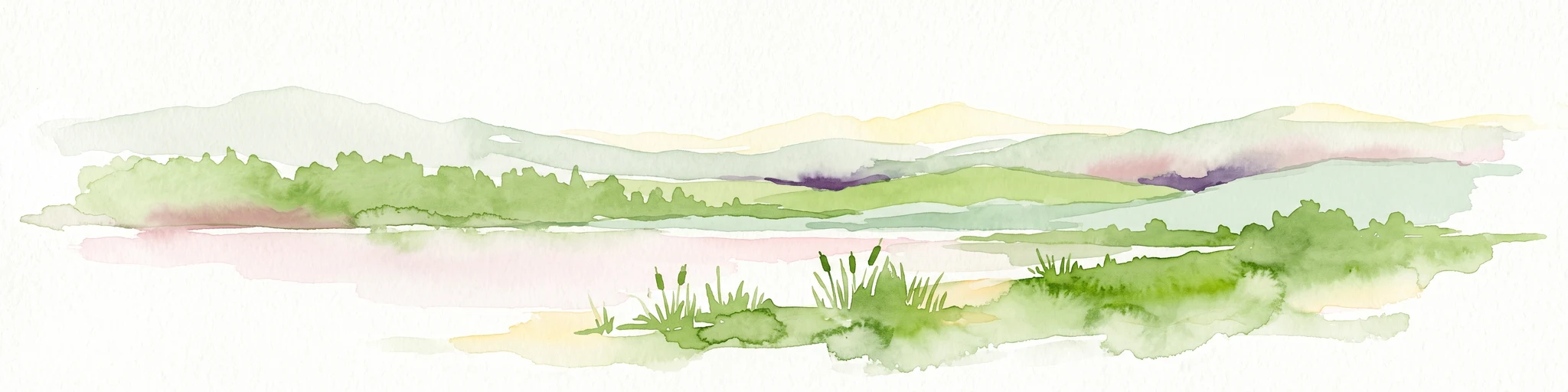
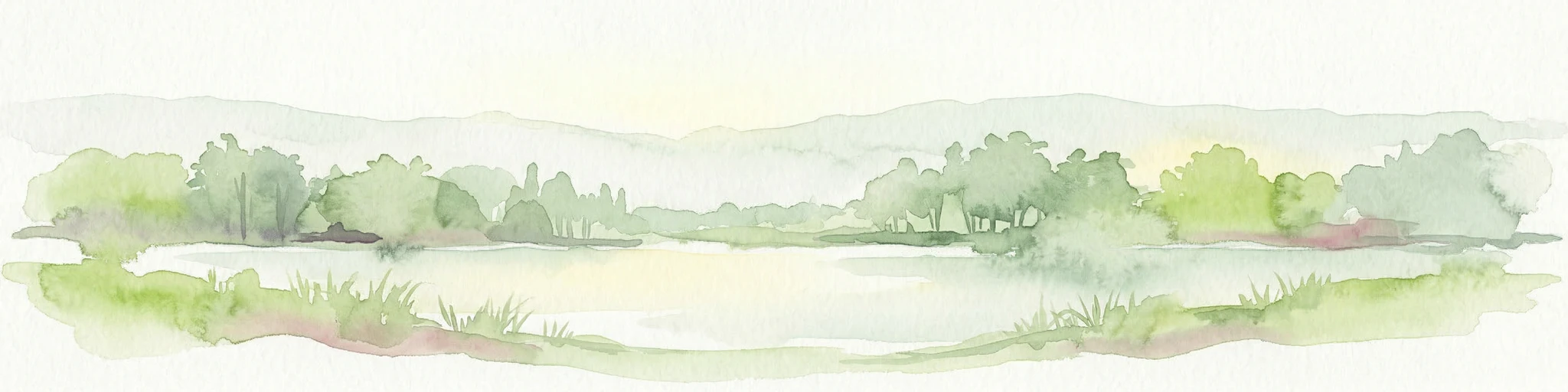
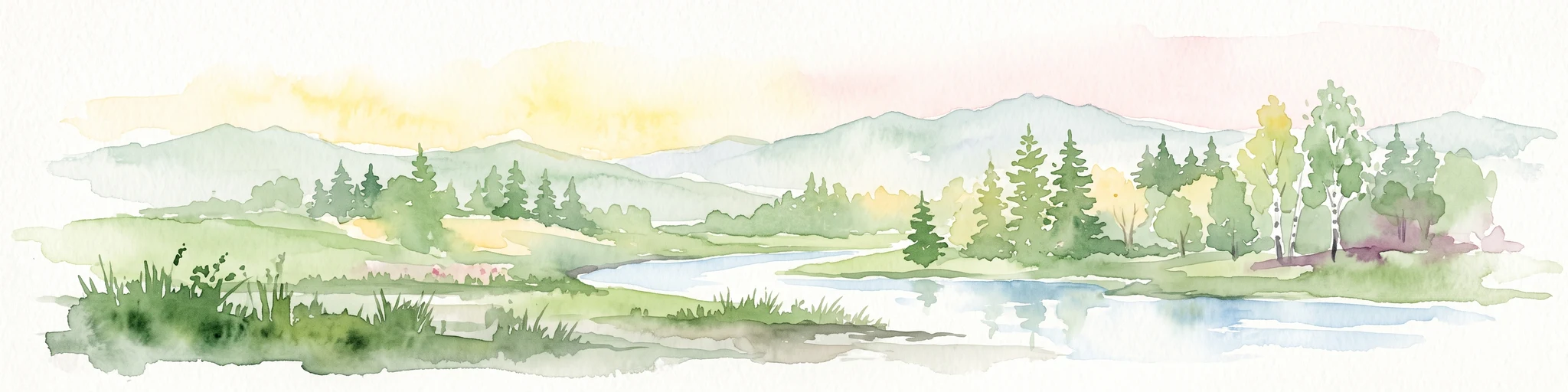
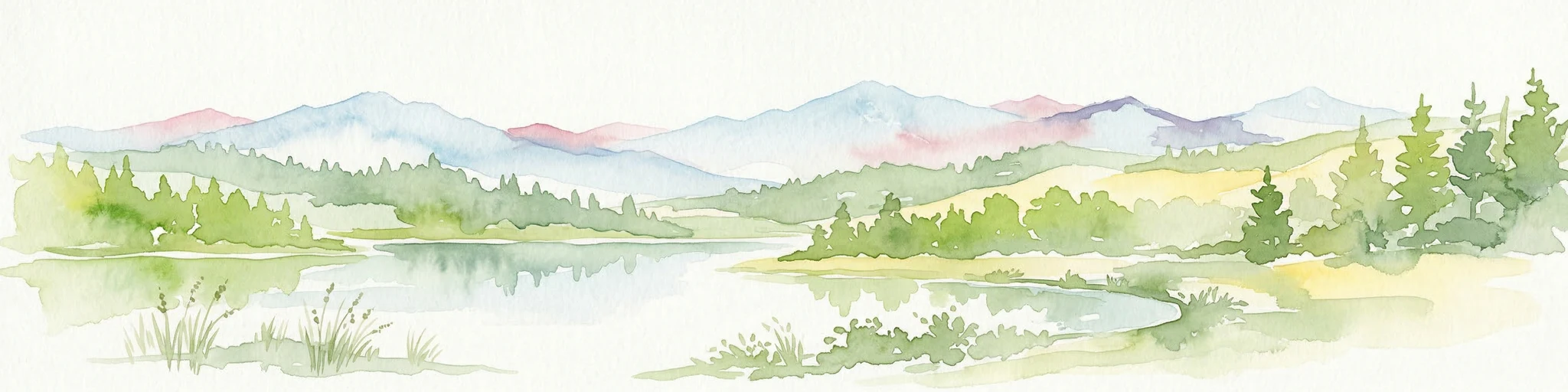
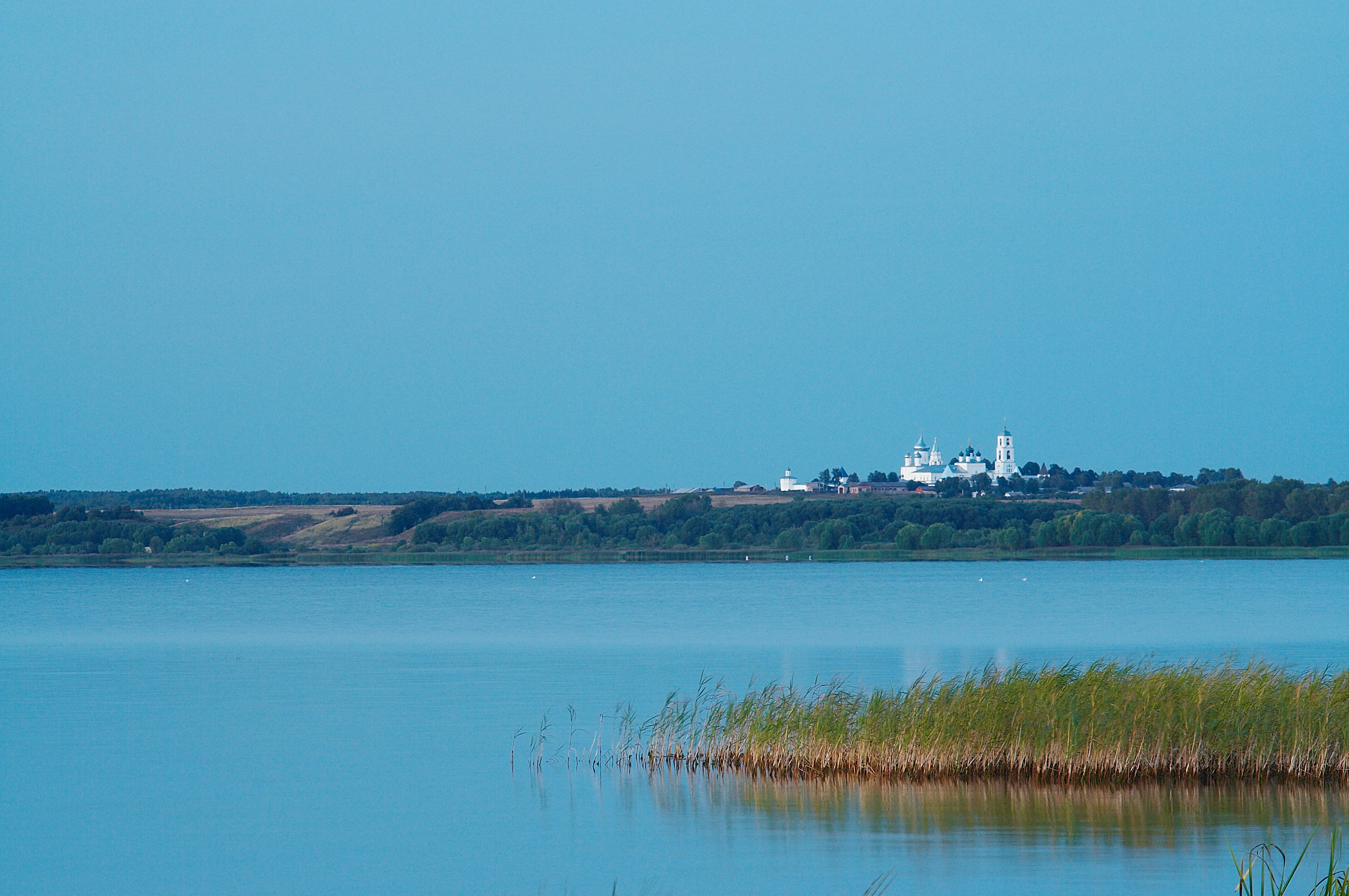
The landscape of Pleshcheyevo Ozero National Park is fundamentally shaped by glacial processes, with the terrain representing the legacy of the last ice age's retreat across the East European Plain. The lake itself occupies a glacial basin, measuring 9 kilometers in diameter with a shoreline stretching 28 kilometers, and reaching a maximum depth of 25 meters while remaining shallow around its edges. The surrounding terrain features the characteristic moraine formations left by retreating glaciers, including gravelly ridges, extensive wetlands, and meandering river valleys. The higher ground above the lake contains river valleys with well-developed terraces, while the middle regions of the park encompass significant wetland areas including peat bogs, with the Berendeyevskoye swamp covering 5,007 hectares. The park also contains occasional isolated hills that punctuate the otherwise gently rolling terrain, creating visual variety in the landscape. The combination of the lake's open waters, the surrounding wetlands, and the forested ridges creates a diverse visual landscape representative of the Sarmatic mixed forests region.
Pleshcheyevo Ozero National Park ecosystems, habitats, and plant life
The park occupies a position within the Sarmatic mixed forests ecoregion, a strip of low forests, lakes, and wetlands that extends from the Baltic Sea eastward to the Urals. Forest cover in the region consists typically of mixed conifer and deciduous trees, with large unbroken tracts of forest now under pressure from agricultural development. Within the park, the vegetation includes stands of artificially introduced Scots Pine planted along the shore 130 to 150 years ago, as well as areas of spruce and aspen forest. Some mixed broadleaf forests with oak trees reach their northern limit within the park's boundaries. The park has recorded 790 species of vascular plants across 93 different families, demonstrating significant botanical diversity. For aquatic ecosystems, the park falls within the Volga-Ural freshwater ecoregion, characterized by a relatively high number of fish species despite disruption from dam and reservoir development along the Volga River system.
Pleshcheyevo Ozero National Park wildlife and species highlights
Pleshcheyevo Ozero National Park supports substantial biodiversity with 300 recorded vertebrate species, including 60 mammal species, 210 bird species, 10 reptile and amphibian species, 109 insect species, and 19 fish species. The park's most notable wildlife resident is the Ryapushka, a large-sized vendace freshwater whitefish endemic to Lake Pleshcheyevo, which some authors classify as a distinct subspecies Coregonus albus Pereslavicus. This endemic fish has historical significance dating to 1645 and was the subject of one of Russia's earliest conservation measures in 1668, making it both ecologically and culturally important. While the Ryapushka population is not considered threatened, the fish remains a local delicacy when smoked, and the health of the population has historically served as an indicator of the overall ecological health of the lake. The diverse bird populations utilize the lake's waters and the surrounding wetlands and forests, while the mammal population includes species adapted to the mixed forest and wetland habitats of the East European Plain.
Pleshcheyevo Ozero National Park conservation status and protection priorities
Pleshcheyevo Ozero National Park holds IUCN Category II status as a national park, reflecting its primary purpose of protecting natural ecosystems while allowing for sustainable recreation and environmental education. The park's conservation significance is underscored by its protection of the endemic Ryapushka whitefish population, one of Russia's oldest protected aquatic species given the 1668 royal decree banning the capture of small whitefish. The park protects representative examples of the Sarmatic mixed forests ecoregion and the Volga-Ural freshwater ecoregion, both of which face pressures from agricultural development and infrastructure modifications elsewhere in their ranges. The extensive wetland systems within the park, particularly the Berendeyevskoye swamp, provide important ecosystem services including water filtration, flood control, and biodiversity habitat. The protected area also serves as a buffer for the historic town of Pereslavl-Zalessky, helping to preserve the visual and ecological integrity of the cultural landscape that forms part of the Golden Ring of Russia.
Pleshcheyevo Ozero National Park cultural meaning and human context
The cultural context of Pleshcheyevo Ozero National Park is deeply intertwined with the history of Pereslavl-Zalessky, an ancient city located on the southeastern shore of Lake Pleshcheyevo that draws hundreds of thousands of visitors annually to its historic buildings and sites. The area holds significance as part of the Golden Ring of Russia, a circular tourist route connecting historic northeastern Russian cities known for their architectural heritage and cultural importance. The lake and surrounding region were historically associated with Russian tsars, who used the area as a resort destination, establishing a tradition of royal attention that contributed to the area's historical prominence. The Ryapushka fish appears on the coat of arms of Pereslavl-Zalessky, symbolizing the deep connection between the local community and the lake's ecological resources. This integration of natural and cultural elements creates a landscape where ecological protection supports cultural preservation and vice versa.
Top sights and standout views in Pleshcheyevo Ozero National Park
Lake Pleshcheyevo serves as the centerpiece of the park, a glacially formed lake of 9-kilometer diameter with historical significance dating to the tsarist era. The endemic Ryapushka whitefish represents one of Russia's oldest protected species and continues to thrive in the lake's waters. The extensive wetlands, including the Berendeyevskoye swamp, provide critical habitat within the Sarmatic mixed forests ecoregion. The park's location adjacent to Pereslavl-Zalessky allows visitors to combine natural exploration with cultural tourism along the Golden Ring of Russia. The glacial moraine landscape offers distinctive terrain features including gravelly ridges, river terraces, and wetland systems.
Best time to visit Pleshcheyevo Ozero National Park
The park can be visited throughout the year, with each season offering distinct experiences shaped by the continental climate. Summer brings mild temperatures averaging around 23 degrees Celsius, making it the most popular time for outdoor recreation and water activities on the lake. The warm summer months of June through August offer the most comfortable conditions for exploring the park's trails and wetland areas. Winter transforms the landscape with cold, snowy conditions typical of the humid continental climate, with snow cover typically ranging from 30 to 40 centimeters and temperatures well below freezing. The shoulder seasons of spring and autumn offer fewer visitors and the opportunity to observe seasonal changes in the forest and wetland environments. Given its proximity to Moscow, the park sees increased visitation during Russian holidays and peak periods when accommodation in Pereslavl-Zalessky can fill quickly.