
Mori Atlas logo
National parkSierra de Agalta National Park

Discover the mapped boundaries and natural terrain of this national park in Central America.

Sierra de Agalta National Park: Protected Landscape and Geographic Context in Honduras

Sierra de Agalta National Park stands as a significant protected area within Honduras, offering a unique lens through which to understand the nation's natural landscapes. As a designated national park, its mapped boundaries delineate a crucial zone for conservation and geographic study. This page provides detailed context for Sierra de Agalta National Park, focusing on its place within the country's atlas of protected lands and its intrinsic geographic identity.

cloud forestsmontane forestsmountain parksCentral American protected areasHonduras parkshighland ecosystems

Sierra de Agalta National Park

National park

Park overview

Structured park overview, official facts, and landscape profile for Sierra de Agalta National Park

Sierra de Agalta National Park park facts, protected area profile, and essential visitor context
Review the core facts for Sierra de Agalta National Park, including designation, size, terrain, visitor scale, habitats, and operating context in one park-focused overview.

About Sierra de Agalta National Park

Sierra de Agalta National Park protects a significant tract of Honduras' highland forest ecosystems within the Sierra de Agalta mountain range. The park's elevation range of 1,800 to 2,354 meters positions it within the montane forest zone, where moisture-laden clouds from the Caribbean coast create distinctive cloud forest conditions. This elevation gradient supports diverse habitat types and contributes to the park's ecological significance within Central America's protected area network. The park was established in 1987 as part of Honduras' commitment to preserving its natural heritage and maintaining biodiversity conservation across representative ecosystems. The protected area serves multiple conservation functions including habitat preservation, watershed protection, and maintenance of forest cover in a region where deforestation pressures have historically affected natural landscapes.

Quick facts and research context for Sierra de Agalta National Park

Sierra de Agalta National Park is situated in central Honduras, spanning approximately 208 square kilometers of mountainous terrain. The park was officially established in 1987 and protects an elevation zone between 1,800 and 2,354 meters, encompassing cloud forest and highland ecosystems. As a Category II protected area, it receives formal national park designation under Honduras' environmental protection framework.

Park context

Deeper park guide and search-rich context for Sierra de Agalta National Park

Sierra de Agalta National Park history, landscape, wildlife, and travel context
Explore Sierra de Agalta National Park through its history, landscape character, ecosystems, wildlife, conservation priorities, cultural context, and seasonal travel timing in a structured park guide built for atlas discovery and search intent.

Why Sierra de Agalta National Park stands out

Sierra de Agalta is best known for its high-altitude cloud forest environment and the distinctive mountainous landscape of the Sierra de Agalta mountain range. The park protects one of the higher elevation forest ecosystems in Honduras, characterized by its montane forest habitats, unique biodiversity associated with cloud forest zones, and its role in watershed protection for surrounding lowland areas.

Sierra de Agalta National Park history and protected-area timeline

Sierra de Agalta National Park was established on January 1, 1987, as part of Honduras' expanding network of protected areas during the late 20th century. The park's designation reflected growing recognition of the ecological importance of Honduras' highland forest zones and the need to preserve representative samples of the country's diverse ecosystems. The establishment of the park provided formal legal protection to the Sierra de Agalta mountain forest, creating a framework for ongoing conservation management and resource protection.

Sierra de Agalta National Park landscape and geographic character

The Sierra de Agalta National Park encompasses the rugged terrain of the Sierra de Agalta mountain range in central Honduras. The landscape is characterized by steep slopes, ridgelines, and deep valleys typical of mountain environments in Central America. The park's elevation gradient from 1,800 to 2,354 meters creates dramatic changes in topography and contributes to the visual diversity of the protected area. The mountainous character of the park distinguishes it from lower-elevation protected areas in Honduras and defines its ecological character.

Sierra de Agalta National Park ecosystems, habitats, and plant life

The park's high-elevation position within the montane forest zone defines its ecological character. The Sierra de Agalta mountains intercept moisture from Caribbean weather systems, creating conditions favorable for cloud forest development. These moist forest ecosystems support specialized plant communities adapted to high humidity and consistent cloud cover. The elevation range protected within the park encompasses transitional forest zones and represents habitats that are relatively limited in extent across Honduras.

Sierra de Agalta National Park conservation status and protection priorities

As an IUCN Category II protected area, Sierra de Agalta National Park receives recognition for its national-level conservation significance. The park protects forest ecosystems at elevations that are poorly represented in Honduras' protected area network. Cloud forest habitats at these altitudes contain unique biodiversity and play important roles in hydrological cycles, with forest cover helping to regulate water flow and maintain water quality in downstream watersheds. The park's establishment in 1987 provided formal protection to these montane forest ecosystems.

Top sights and standout views in Sierra de Agalta National Park

Sierra de Agalta National Park stands out as one of Honduras' higher-elevation protected areas, preserving cloud forest and montane forest ecosystems within the Sierra de Agalta mountain range. The park's elevation range of approximately 1,800 to 2,354 meters encompasses distinctive highland environments that support specialized ecological communities. Its designation as a national park since 1987 reflects its recognized importance within Honduras' conservation system.

Park location guide

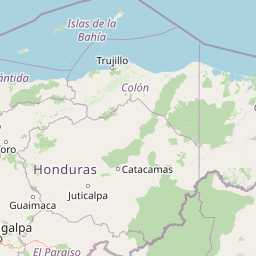
Geography guide, regional context, and park location map for Sierra de Agalta National Park

Sierra de Agalta National Park park geography, regions, and map view in Honduras
Understand where Sierra de Agalta National Park sits in Honduras through a broader geographic reading of the surrounding landscape, nearby location context, and its mapped position within the national park landscape.

How Sierra de Agalta National Park fits into Honduras

Honduras, officially the Republic of Honduras, is a Central American nation with a predominantly Mestizo population. It gained independence in 1821 and operates as a unitary presidential republic. The country faces significant economic challenges, with over 70% of its population living in poverty, though it possesses valuable natural resources including minerals, coffee, and tropical fruits.

Wider geography shaping Sierra de Agalta National Park in Honduras

Honduras is located in Central America, bordering Guatemala to the west, El Salvador to the southwest, Nicaragua to the southeast, the Pacific Ocean to the south at the Gulf of Fonseca, and the Caribbean Sea to the north at the Gulf of Honduras. The terrain includes mountainous regions and coastal lowlands.

Map view of Sierra de Agalta National Park

Use this park location map to pinpoint Sierra de Agalta National Park in Honduras, understand its exact geographic position, and read its mapped placement within the surrounding landscape more clearly.

Pigeon | © OpenStreetMap contributors

Location context for Sierra de Agalta National Park

Olancho
Park atlas

Browse the regional geography of protected areas in Honduras, comparing similar mountain and cloud forest ecosystems.

Explore More National Parks and Protected Areas Adjacent to Sierra de Agalta National Park
Beyond Sierra de Agalta National Park, explore other national parks and protected areas across the surrounding Honduran mountain ranges and cloud forest regions. This structured geographic view allows for direct comparison of their diverse highland ecosystems and conservation landscapes, enhancing your atlas-based discovery.
National parkHonduras

Patuca National Park National Park: Understanding its Mapped Protected Boundaries and Honduran Geography

Explore the protected landscape and regional setting of this Honduran park.

Patuca National Park is an important protected area within Honduras, offering a unique opportunity to study its geographic features and conservation significance. As a national park, it provides a critical anchor for understanding regional landscape patterns and mapped protected boundaries in Central America. This entity within the MoriAtlas helps users grasp the specific geographic context and natural terrain associated with Patuca National Park, facilitating detailed atlas-based exploration of its protected status and landscape character.

Area
3,755.84 km²
Established
1999
IUCN
II
Scope
Terrestrial
National parkLa Unión

La Muralla National Park: Honduras National Park Geography and Mapped Boundaries

Explore the protected landscape and regional context.

La Muralla National Park represents a significant protected landscape within Honduras, offering valuable geographic data for atlas exploration. As a national park, its mapped boundaries and regional setting are key to understanding its conservation significance. This entry provides structured insight into the park's physical characteristics and its place within the broader Honduran geography, ideal for detailed landscape analysis.

Area
210.35 km²
Established
1993
IUCN
II
Scope
Terrestrial
National parkColón Department

Capiro Calentura National Park: Honduran National Park Atlas and Protected Landscape

Discover mapped geography and protected area context in Colón Department.

Access detailed geographic information and mapped boundaries for Capiro Calentura National Park, a key protected area within Honduras' Colón Department. This entry offers an atlas-style perspective on the park's landscape and its regional setting, supporting structured discovery of national parks and conservation lands.

Area
80.82 km²
Established
1992
IUCN
II
Climate
Tropical
National parkHonduras

Montaña de Yoro National Park: Honduran National Park Atlas and Protected Landscape Exploration

Understanding its mapped boundaries and regional geography.

This card details Montaña de Yoro National Park, a designated national park in Honduras, offering a focused look at its protected landscape. It provides essential geographic context, helping users to understand the park's mapped boundaries and its significance within the broader atlas of Honduran protected areas. Explore the specific terrain and regional setting that define Montaña de Yoro National Park.

Area
154.8 km²
Established
1987
IUCN
II
Relief
Mountain
National parkRoatán

Port Royal National Park National Park: Mapped Protected Landscape on Roatán

Explore its geographic context and park boundaries.

Port Royal National Park, situated on Roatán, Honduras, offers a distinct protected landscape for geographic exploration. As a National Park, its mapped boundaries define a significant area for understanding regional geography and conservation landscapes. Discover the park's identity through its position within Roatán and its contribution to a structured atlas of protected natural areas.

Area
5 km²
Established
2010
IUCN
II
Climate
Tropical
National parkHonduras

Jeannette Kawas National Park: A Protected Landscape within Honduran Geography

Explore the mapped boundaries and regional setting of this national park.

Jeannette Kawas National Park is a vital protected area whose geographic identity is central to understanding the natural landscape of Honduras. This page serves as a detailed exploration point, focusing on the park's mapped boundaries and its role within the country's protected lands atlas. Discover the unique aspects of this national park's terrain and its contribution to regional geographic context, providing a factual basis for atlas-driven learning.

Area
781.62 km²
Established
1994
IUCN
II
Relief
Highland
National parkAtlántida Department

Punta Izopo National Park: Honduran National Park with Defined Protected Boundaries

Explore the geographic setting of this protected landscape.

Punta Izopo National Park is a protected natural area situated within the Atlántida Department of Honduras. As a national park, it represents a significant entity for exploring Honduran geography and mapped conservation lands. This park detail page provides context on its protected boundaries and its role within the regional landscape atlas.

Area
112 km²
Established
1992
IUCN
II
Relief
Lowland
National parkHonduras

Pico Pijol National Park: National Park within the Honduran Geographic Atlas

Explore its mapped boundaries and protected landscape context.

Pico Pijol National Park stands as a protected area within Honduras, offering critical insight into the nation's natural landscapes. This detail page provides essential context for understanding its geographic positioning and mapped boundaries, serving as a foundational element for broader atlas-based exploration of protected regions in Central America. Discover the park's unique identity as a national park and its contribution to regional geographic understanding.

Area
122.1 km²
Established
1987
IUCN
II
Relief
Mountain

Common questions about visiting, size, designation, and location context for Sierra de Agalta National Park

Sierra de Agalta National Park FAQs for park facts, access, geography, and protected area context
Find quick answers about Sierra de Agalta National Park, including protected-area facts, park geography, trail and visitor context, and how the park fits into its surrounding country and regional landscape.
MoriAtlas Explorer

Continue Your Protected Areas Search Across the Global Atlas

Deepen your exploration by continuing the structured search for national parks and protected areas worldwide. Utilize the comprehensive filtering capabilities to compare different conservation landscapes and refine your understanding of global park geography. Discover more about the distribution and characteristics of protected natural areas.

Global natural geography