
Why Southern Konnevesi National Park stands out
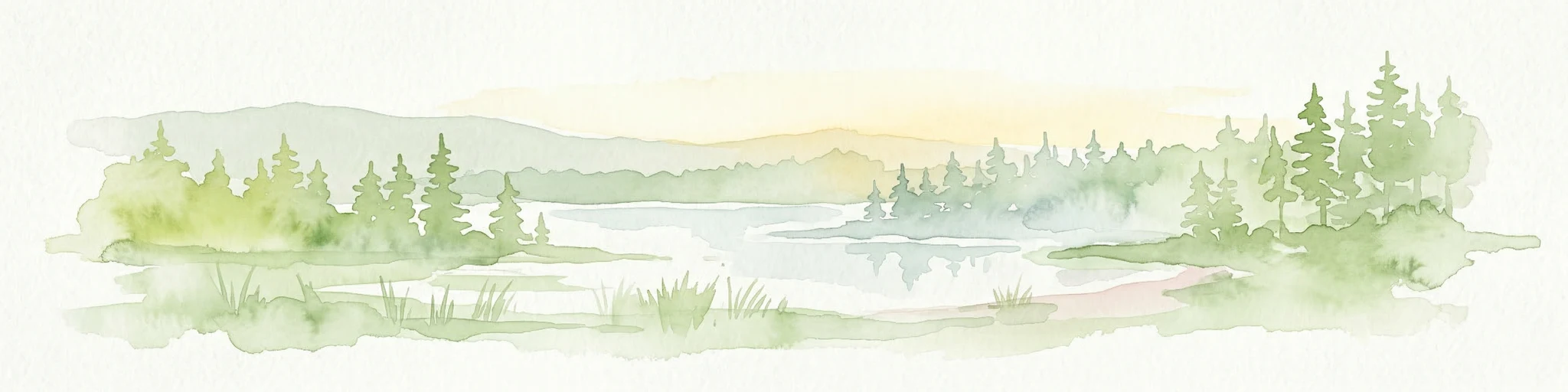
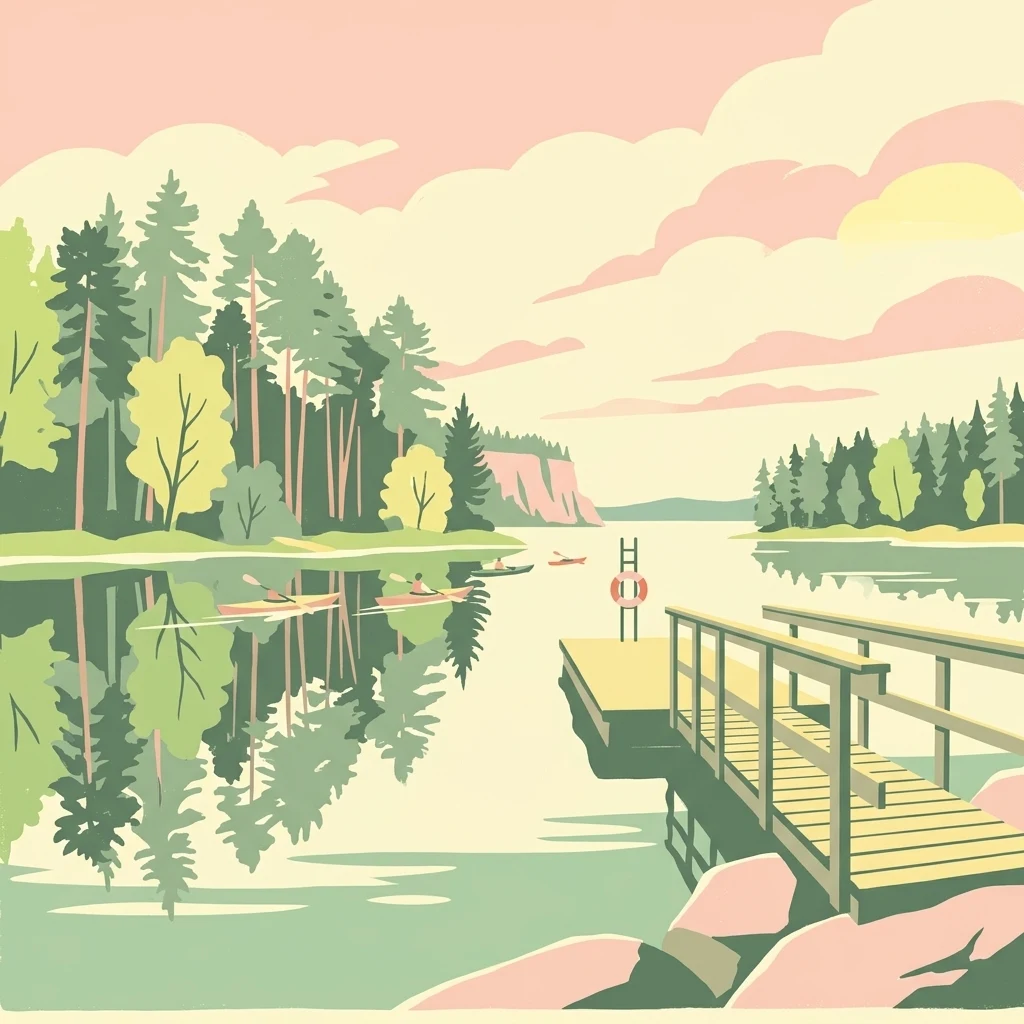
Southern Konnevesi is especially known for its dramatic island archipelago landscape of smooth glaciated bedrock islands interspersed with vertical rock walls and clear, deep lake waters. The park provides exceptional canoeing and paddling experiences through a maze of islands, where visitors can explore the wide open waters of Lake Konnevesi while encountering wild brown trout in the clear depths below. The park is also recognized for its significant research presence, as the University of Jyväskylä maintains a renowned research station at Konnevesi that has become internationally prominent in experimental ecology spanning both terrestrial and aquatic ecosystems.
Southern Konnevesi National Park history and protected-area timeline
Southern Konnevesi National Park was established in 2014 as part of Finland's ongoing commitment to expanding its network of protected areas. The park represents a relatively recent addition to Finland's national park system, created after careful assessment of the region's ecological significance and the need to protect the Lake Konnevesi environment from development pressures. The establishment of the park also built upon the scientific legacy of the Konnevesi Research Station operated by the University of Jyväskylä, which had long studied the terrestrial and aquatic ecosystems of the region and provided compelling scientific justification for formal protection. The park's creation reflects Finland's approach to identifying and preserving ecologically representative landscapes within its borders.
Southern Konnevesi National Park landscape and geographic character
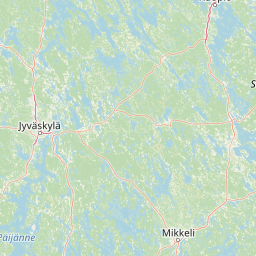
The landscape of Southern Konnevesi National Park is defined by its position within the Finnish Lakeland, one of Europe's most extensive lake districts. The park protects a complex archipelago environment where hundreds of islands of varying sizes create a maze of waterways and sheltered bays. The bedrock throughout the park consists of ancient Precambrian rock formations that have been smoothed and polished by glacial action, resulting in the characteristic smooth glaciated rocks that define much of the island shoreline. Among the more gentle island surfaces, dramatic vertical rock walls rise abruptly from the water, providing dramatic focal points throughout the archipelago. The eastern mainland portion of the park transitions from lakeshore environments into mature boreal forest, creating a continuous ecological gradient from open water to upland forest.
Southern Konnevesi National Park ecosystems, habitats, and plant life
The nature of Southern Konnevesi reflects the boreal ecological zone that dominates much of Finland. The park's forests include herb-rich spruce and pine forests that grow on the islands and mainland areas, characterized by diverse ground vegetation typical of southern boreal forests. The lake itself supports a thriving aquatic ecosystem, with the clear, oxygen-rich waters providing habitat for wild brown trout and other fish species. The ecological complexity of the area, combining lake, island, and forest habitats, creates a diverse environment that supports numerous species. The research station at Konnevesi has conducted extensive studies on both the terrestrial and aquatic ecology of the region, making it one of the most scientifically studied areas in Finnish Lakeland.
Southern Konnevesi National Park wildlife and species highlights
Wildlife in Southern Konnevesi centers on the aquatic environments of Lake Konnevesi, where the clear deep waters support populations of wild brown trout that represent a significant draw for anglers visiting the park. The osprey is a particularly notable species in the area, with the park's dramatic cliffs providing ideal nesting habitat for this impressive bird of prey. Visitors hiking the park's trails may encounter typical boreal forest species in the wooded areas, while the open waters and islands support their own complement of birdlife. The combination of fishing opportunities, birdwatching possibilities, and the chance to observe wildlife in a relatively pristine boreal lake environment makes the park an attractive destination for nature enthusiasts.
Southern Konnevesi National Park conservation status and protection priorities
Southern Konnevesi National Park contributes to Finland's commitment to preserving representative samples of the country's diverse natural environments. The protection of Lake Konnevesi's southern archipelago ensures the preservation of a distinctive lake ecosystem that might otherwise face development pressure for cottage construction, forestry, or other activities. The park's establishment in 2014 reflects a deliberate strategy to protect areas that had retained their ecological integrity while also providing opportunities for sustainable nature-based recreation. The presence of the University of Jyväskylä research station has contributed to scientific understanding of the region's ecology, supporting ongoing conservation efforts through research and monitoring.
Southern Konnevesi National Park cultural meaning and human context
The Lake Konnevesi region has been inhabited and used by local communities for generations, with the municipalities of Konnevesi and Rautalampi maintaining strong connections to the lake environment. The landscape bears evidence of traditional land use patterns, though the national park designation has formalized protection of the core ecological values. The research station operated by the University of Jyväskylä has been a significant presence in the area for decades, contributing to both scientific knowledge and local identity. The park provides an interface between traditional Finnish lake culture and modern conservation values, offering visitors a glimpse into a landscape where human use and natural systems have coexisted over extended periods.
Top sights and standout views in Southern Konnevesi National Park
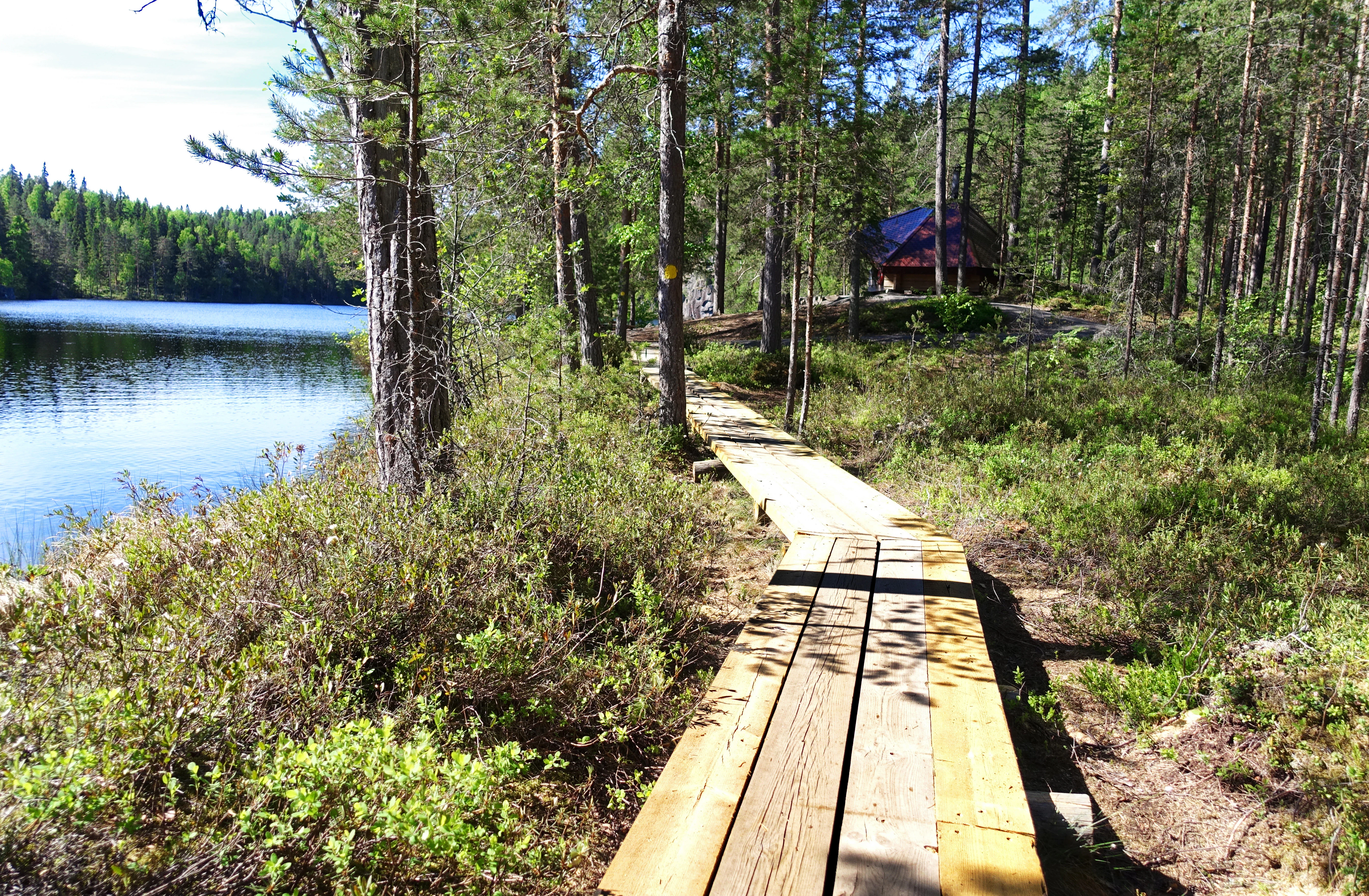
The primary highlight of Southern Konnevesi is its exceptional canoeing and boating opportunity, where visitors can paddle through a maze of islands amid smooth glaciated rocks and dramatic cliff walls while enjoying the wide open waters of a large Finnish lake. The park offers access to excellent fishing for wild brown trout in the clear lake depths. Hiking trails lead from herb-rich forests to high cliff viewpoints that provide sweeping vistas over the osprey-inhabited landscape. The presence of a major university research station adds intellectual depth to the visitor experience, connecting the protected area to decades of ecological research.
Best time to visit Southern Konnevesi National Park
The best time to visit Southern Konnevesi National Park depends on the activities sought, though the summer months of June through August offer the most reliable conditions for canoeing, paddling, and hiking. The long Finnish summer provides extended daylight hours and relatively mild temperatures suitable for outdoor exploration. Autumn brings changing colors to the boreal forests and can offer excellent wildlife viewing opportunities. Winter access is limited due to ice conditions, though the park's landscape transforms into a distinctly different experience during the cold season. The shoulder seasons of late spring and early autumn may offer fewer visitors while still providing favorable conditions for most park activities.