Why Salamajärvi National Park stands out
Salamajärvi is best known for its exceptional mire ecosystems, which represent some of Finland's most diverse and intact peatland environments. The park is also celebrated for its population of forest reindeer, a species that has found refuge in the park's protected old-growth forests and open mires. The Suomenselkä watershed setting gives the park additional distinction as a continental divide area, where water flows toward different drainage basins. The combination of wilderness character, wetland diversity, and the presence of forest reindeer makes this park particularly significant within Finland's protected area network.
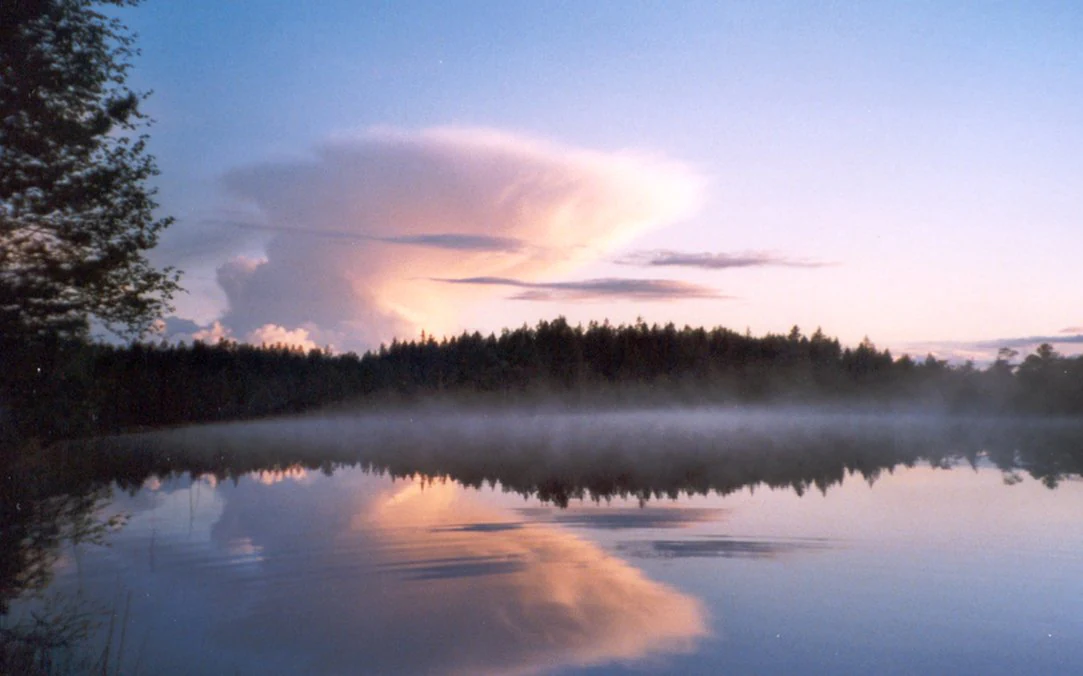
Salamajärvi National Park history and protected-area timeline
Salamajärvi National Park was established in 1982 as part of Finland's expanding network of protected areas during the late twentieth century. The creation of the park reflected growing recognition of the ecological value of Finland's boreal wetland ecosystems and the need to preserve representative examples of the country's natural landscapes. At the time of establishment, the area had already experienced limited human development compared to more accessible parts of Finland, helping to ensure that the natural values remained relatively intact.
The park is administered by Metsähallitus, the Finnish state-owned enterprise responsible for managing state-owned land and water areas, including national parks and other protected areas. This administrative structure ensures consistent management approaches across Finland's protected area network. The park's designation as a Ramsar site, recognizing its importance as a wetland area of international significance, came at a later stage, reflecting the continued evaluation of the park's ecological values under international conservation frameworks.
In 2007, the park celebrated its 25th anniversary with events including the first Koirajärvi Wilderness Songs festival organized by the Kivijärvi Saunakylä village association, marking the park's role in local culture and community identity. The anniversary celebration highlighted the connections between the protected landscape and the traditions of the surrounding rural communities.
Salamajärvi National Park landscape and geographic character
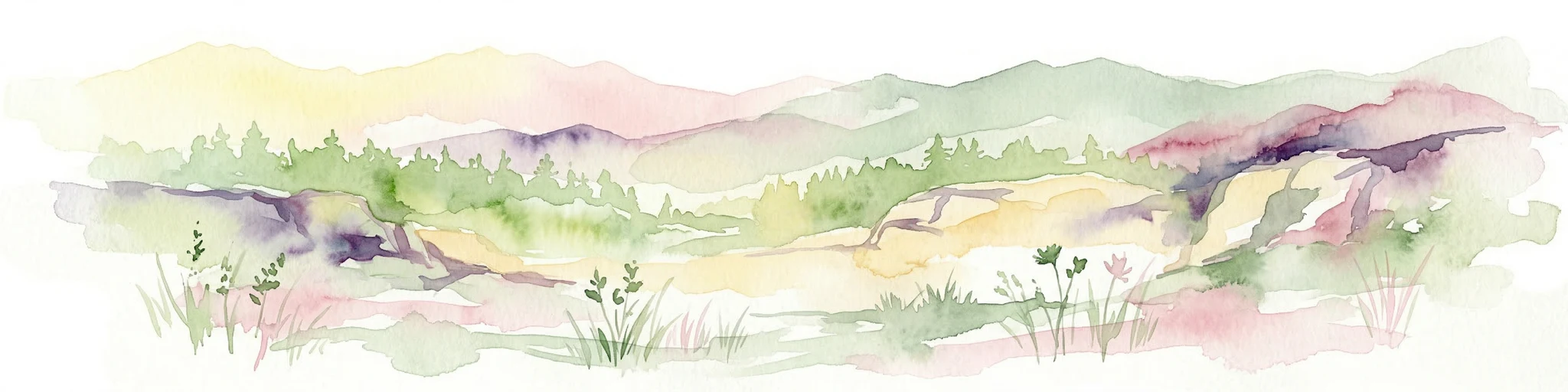
The landscape of Salamajärvi National Park is defined by the characteristic terrain of the Suomenselkä watershed region, a landscape of gentle ridges, depressions, and extensive peatland complexes that create a mosaic of forest and wetland. The elevation changes are modest by global standards, but the terrain is rugged in character, with exposed bedrock outcrops, rocky clearings, and a network of streams cutting through the forest. The underlying geology contributes to the nutrient-poor conditions that favor mire development over more productive forest types.
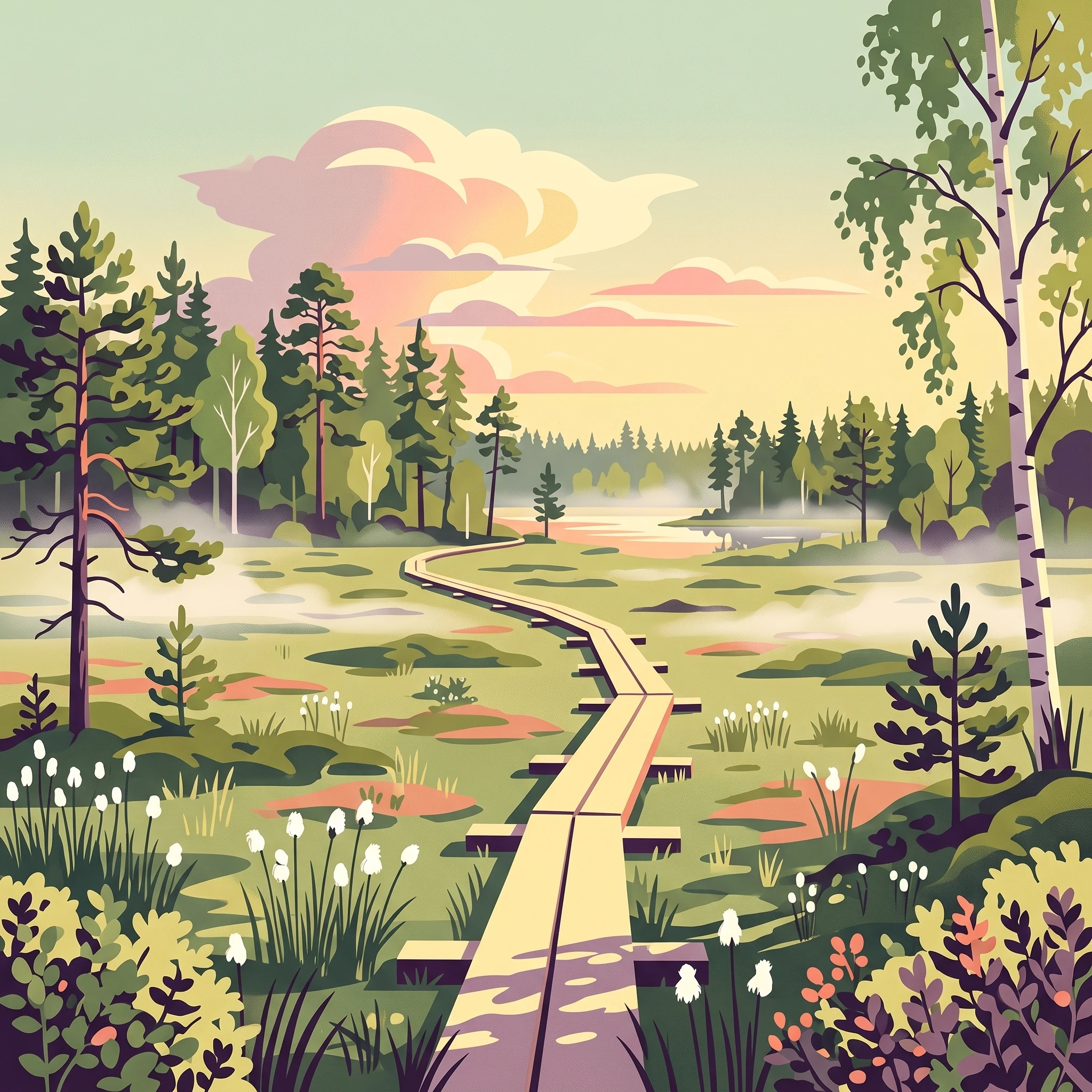
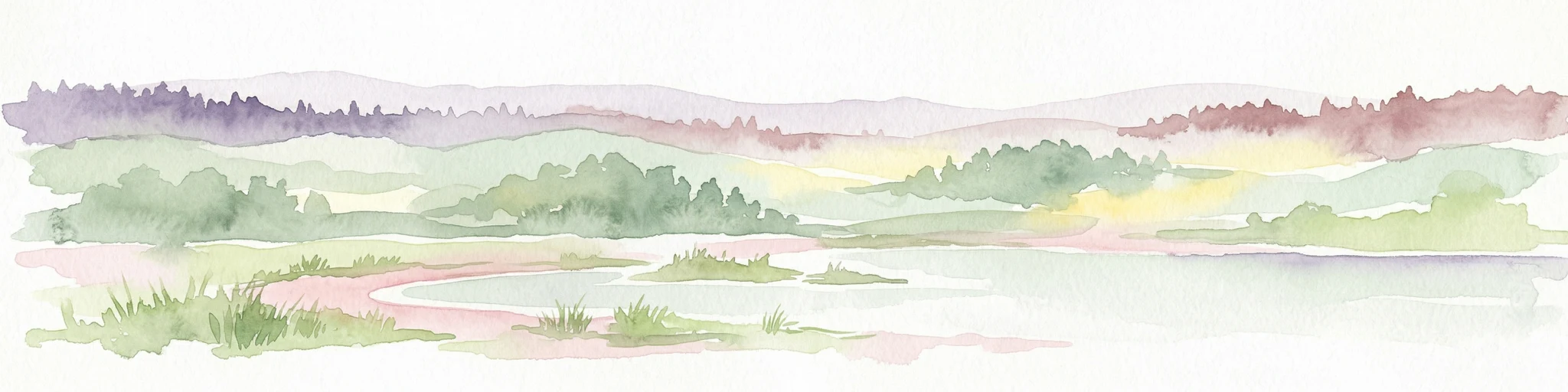
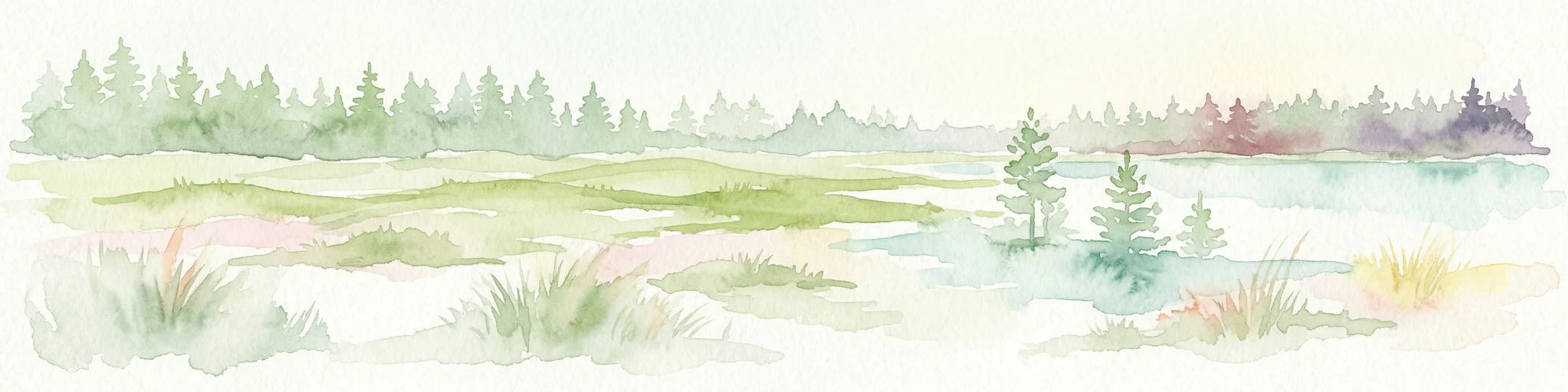
The mires represent the most distinctive landscape feature, ranging from open bog surfaces to forested peatlands where spruce and pine grow on hummocks separated by water-filled hollows. Small forest lakes dot the landscape, often bordered by reed beds and wetland vegetation that provides habitat for waterfowl and other wetland species. The Finnish term "pirunpelto," referring to distinctive open rocky areas within the forest, adds to the landscape's visual diversity, though such features are relatively limited in this park compared to some other Finnish protected areas.
Salamajärvi National Park ecosystems, habitats, and plant life
The ecological character of Salamajärvi is fundamentally shaped by its extensive mire systems, which represent some of the most diverse wetland habitats in Finland. These peatlands develop over millennia, accumulating organic material and creating unique chemical environments that support specialized plant communities. Bog surfaces are dominated by sphagnum mosses, ericaceous shrubs, and cotton grass, while fens feature a richer mix of sedges, mosses, and occasional herbs. The transition zones between different mire types create additional ecological diversity.
The surrounding forests are primarily coniferous, with Norway spruce and Scots pine dominating, though decidious species such as birch and aspen occur in certain locations. The old-growth forest patches within the park contain deadwood in various stages of decomposition, supporting fungi, invertebrates, and species that depend on decaying wood. The small lakes and ponds add to the habitat diversity, providing open water environments that contrast with the surrounding forested and wetland terrain. This mosaic of habitats supports a range of species typical of boreal Finland, though the park's particular significance lies in its population of forest reindeer.
Salamajärvi National Park wildlife and species highlights
Salamajärvi National Park is notable for its population of forest reindeer, a subspecies of reindeer that inhabits the forested regions of Finland. These animals find suitable habitat in the park's combination of open mires for foraging during warmer months and forest cover that provides shelter and forage during winter. The forest reindeer population represents an important conservation success, as the species has faced pressures from habitat fragmentation and human activity in many parts of its range.
Beyond forest reindeer, the park supports typical boreal fauna including various small mammals such as squirrels, hares, and shrews. The bird community includes species associated with both forest and wetland habitats, with waterfowl using the small lakes and mires during breeding season and migratory birds passing through during spring and autumn. Birds of prey such as hawks and owls occur in the forested areas, hunting in the open mires and forest edges. The deadwood-rich old-growth forests provide habitat for woodpeckers and other species associated with decaying timber.
Salamajärvi National Park conservation status and protection priorities
The designation of Salamajärvi as a national park and its recognition as a Ramsar site reflect the conservation significance of its wetland ecosystems. The mires within the park represent relatively intact examples of boreal peatland environments, which are under pressure from drainage, forestry, and peat extraction across Finland and Europe more broadly. Protecting these ecosystems ensures the continuation of ecological processes that have developed over thousands of years and maintains biodiversity associated with wetland habitats.
The forest reindeer population adds another dimension to the park's conservation importance, as this subspecies requires large areas of suitable habitat and is sensitive to disturbance. The protected area provides core habitat where the species can persist with minimal human interference. Beyond species-specific conservation, the park contributes to broader landscape-level protection by connecting with adjacent nature reserves and forming part of a larger network of protected areas in central Finland.
Salamajärvi National Park cultural meaning and human context
While Salamajärvi National Park does not contain significant archaeological sites or documented historical human settlements, it exists within a landscape that has been shaped by traditional rural land use over centuries. The surrounding municipalities of Perho, Kivijärvi, and Kinnula are rural communities where forestry and agriculture have traditionally been important economic activities. The park's creation in 1982 reflected a broader shift in how Finns viewed their northern landscapes, recognizing the value of preserving natural areas for their intrinsic worth rather than solely for economic exploitation.
The local community has maintained connections to the park, as evidenced by events such as the 25th anniversary celebration that involved village associations and local cultural activities. The Peuran polku trail network, which extends beyond the park boundaries to connect with surrounding communities, reinforces the park's role in regional identity and provides opportunities for sustainable tourism that benefits local economies.
Top sights and standout views in Salamajärvi National Park
Salamajärvi National Park stands out for its extensive mires, which create a distinctive landscape of wetland wilderness unlike the more mountainous or lakedominated character of Finland's southern national parks. The forest reindeer population offers wildlife viewing opportunities that are rare elsewhere in Finland, particularly in a protected setting where the animals are relatively unaccustomed to human presence. The park's position on the Suomenselkä watershed adds geographic significance, while its Ramsar designation underscores the international importance of its wetland ecosystems. The trail network provides access to this wilderness while maintaining the remote and tranquil character that distinguishes the park from more heavily visited Finnish national parks.
Best time to visit Salamajärvi National Park
The best time to visit Salamajärvi National Park depends on the experience sought. Summer months from June through August offer the warmest conditions for hiking, with long daylight hours and the full display of wetland vegetation in bloom. During this period, the mires are accessible and the forest cover provides shade, though mosquitoes and other insects can be abundant in wetland areas. Autumn brings changing foliage colors and potentially quieter trails, though temperatures begin to cool and precipitation becomes more likely.
Winter transforms the park into a snowy wilderness, with frozen mires providing access that is not possible during the snow-free season. The landscape takes on a different character under snow and ice, and the limited daylight hours create short but distinctive periods of winter light. Spring, while brief in this region, offers the return of migratory birds and the beginning of the growing season, though trail conditions may be poor during the snowmelt period. The park can be visited year-round, but the summer months generally provide the most accessible and comfortable conditions for most visitors.