
Why Rokua National Park stands out
Rokua National Park is best known for its extraordinary geological heritage and well-preserved glacial landscape. The park protects one of Finland's most complete displays of Quaternary landforms, including the deepest kettle hole in the country at Syvyydenkaivo. The old-growth pine forests growing on the nutrient-poor esker soils represent some of the most natural forest ecosystems in southern Finnish Lapland. The park's designation as a UNESCO Global Geopark recognizes its international significance for understanding glacial history and post-glacial development. Visitors come to explore the network of kettle lakes, esker ridges, and dune formations that characterize this unique landscape.
Rokua National Park history and protected-area timeline
Rokua National Park was established in 1956 to protect the valuable natural types and terrain features of the Rokuanvaara esker formation. The creation of the park reflected growing post-war recognition in Finland of the need to preserve distinctive geological formations and natural landscapes. The park's boundary was drawn to encompass the most significant glacial landforms and the remaining patches of old-growth forest. Over the decades, the park's role has evolved from a primarily conservation-focused protected area to a broader educational and geotourism destination. The establishment of the UNESCO Global Geopark designation brought additional recognition and resources for interpreting the site's geological significance. Today, the park serves multiple functions: ecosystem protection, geological education, and sustainable outdoor recreation. The three municipalities of Vaala, Muhos, and Utajärvi collaborate with Metsähallitus to develop tourism infrastructure while maintaining conservation priorities.
Rokua National Park landscape and geographic character
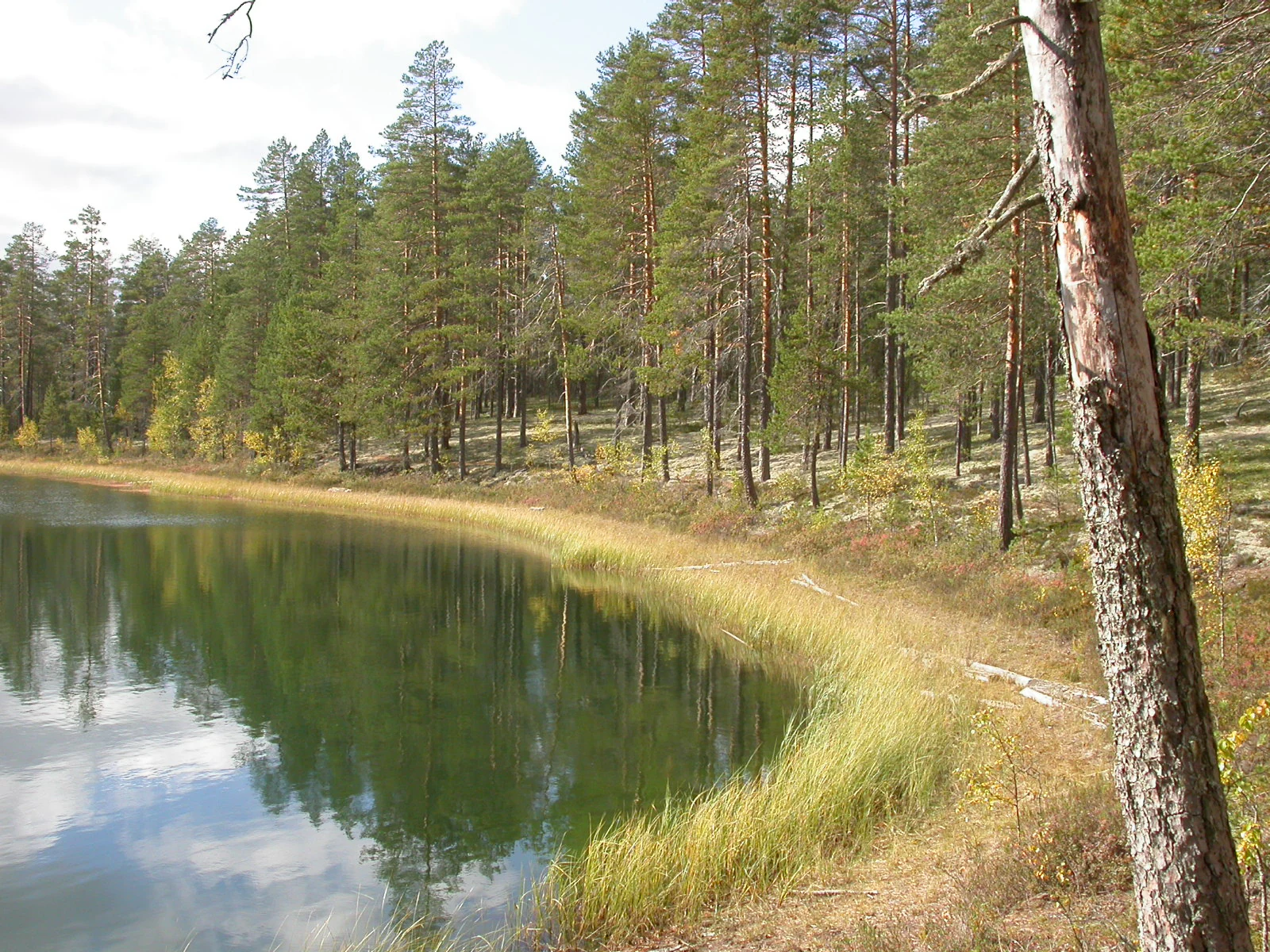
The physical landscape of Rokua National Park is dominated by the Rokuanvaara esker formation, a long ridge of sorted sand and gravel deposited by glacial meltwater streams during the final phase of the last Ice Age. The terrain rises sharply from the surrounding wetlands, with the esker crest providing well-drained ground for pine forests. Within the park, the landscape displays remarkable diversity: smooth esker slopes give way to steep kettle hole depressions, and sand dunes alternate with marshy hollows and clear kettle lakes. The glacial landform assemblage includes terminal moraines marking the ice front's maximum extent, hummocky moraines recording the uneven retreat, and numerous eskers tracing former meltwater channels. Post-glacial processes have added further complexity: wind-formed dunes overlay portions of the esker, while peat bogs have developed in waterlogged depressions. The seasonal contrast is pronounced—snow cover transforms the landscape in winter, while summer reveals the full detail of ridges, heathlands, and the chain of kettle lakes known as suppalammet.
Rokua National Park ecosystems, habitats, and plant life
The nature of Rokua National Park reflects the harsh conditions created by the nutrient-poor sandy soils and the northern continental climate. The vegetation is dominated by pine forests, with some spruce occurring in moister depressions. The forest understory is sparse, consisting mainly of lichens and ericaceous shrubs such as blueberry and lingonberry—the classic heathland vegetation of boreal Finland. The open heathlands on the drier esker slopes are particularly characteristic, with a carpet of lichens giving the ground a grayish-green appearance even in winter. The numerous kettle lakes and peat bogs add aquatic and wetland habitats to the park's ecological diversity. These water bodies range from small, groundwater-fed kettle holes to larger lakes with well-developed shoreline vegetation. The park lies within the southern boreal forest zone, and while the forest is not old-growth in the strictest sense, many areas retain a natural structure with fallen logs and dead wood providing habitat for fungi and invertebrates.
Rokua National Park wildlife and species highlights
The wildlife of Rokua National Park reflects the boreal forest ecosystem characteristic of northern Finland. The pine forests support populations of squirrels, various tit species, and woodpeckers, while the kettle lakes provide habitat for waterfowl including goldeneye and teal. The area's position along migratory routes brings seasonal bird activity, with passage migrants using the lakes as resting spots. The dead wood in the forests provides important habitat for fungi and invertebrates that form the base of the forest food web. Larger mammals present in the broader region, such as moose, may occasionally use the park area. The clear kettle lakes support fish populations that attract fishing visitors. The combination of forest, wetland, and lake habitats creates a relatively diverse wildlife community within the constraints of the northern Finnish environment.
Rokua National Park conservation status and protection priorities
Rokua National Park's conservation significance derives from its combination of geological and biological values. As a UNESCO Global Geopark, the site is recognized internationally for its educational value in explaining glacial processes and landscape evolution. The protection of the Rokuanvaara esker formation preserves a type locality for several glacial landforms, including the remarkable Syvyydenkaivo kettle hole. The old-growth pine forests, though limited in extent, represent some of the more natural forest examples in the region and serve as reference areas for ecological research. The park's inclusion in broader geopark initiatives connects it to regional conservation efforts encompassing the Oulu River Valley and Lake Oulu areas. The management approach balances visitor access with protection of the geological and ecological values that make the area distinctive.
Rokua National Park cultural meaning and human context
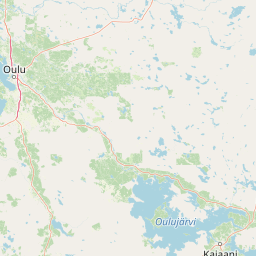
The Rokua area holds cultural significance within the broader context of northern Finnish history and heritage. The esker formation has been a landmark in the landscape for millennia, and the area lies within a region with strong connections to Finnish cultural history. The three municipalities surrounding the park—Vaala, Muhos, and Utajärvi—have developed collaborative approaches to tourism development that reflect regional identity. The nearby Ahmas village contains a traditional Finnish heritage area, while the region more broadly reflects the settlement patterns of Finnish eastern cultures. The park lies between two major regional centers, Oulu and Kajaani, placing it within a cultural landscape shaped by both coastal and interior Finnish traditions.
Top sights and standout views in Rokua National Park
The standout features of Rokua National Park include the exceptional concentration of glacial landforms, the old-growth pine forests, and the UNESCO Global Geopark designation. Syvyydenkaivo, at over 50 meters deep, is the deepest kettle hole in Finland and represents a unique geological feature. The network of kettle lakes known as suppalammet creates a distinctive chain of water bodies within the esker terrain. The park offers approximately 60 kilometers of marked hiking trails and 70 kilometers of ski trails, providing extensive opportunities for exploration. The Rokua Health & Spa hotel and other nearby accommodation support visitor access, while the Suppa outdoor center provides orientation and interpretation services.
Best time to visit Rokua National Park
The best time to visit Rokua National Park depends on the type of experience sought. Summer months offer the most accessible trail conditions and the opportunity to see the full detail of the heathland vegetation and kettle lake landscapes. The long northern days of June and July provide extended opportunities for hiking, while August brings the mushroom and berry season. Winter offers a different experience entirely, with cross-country skiing on the extensive trail network. The park's northern location means that winter snow cover is reliable from December through March. Spring and autumn are transitional seasons that can offer good conditions with fewer visitors, though trail conditions may be less predictable.