
Why Haparanda Archipelago National Park stands out
The park is especially notable for its remarkable sand dune landscapes, which are unusual in northern Baltic coastal environments. The extensive sandy beaches and dune systems on islands like Sandskär represent a distinctive geomorphological feature within the Bothnian Bay region. The archipelago is also recognized for its rich birdlife, with diverse species inhabiting the coastal marshes, shoreline habitats, and forested sections of the islands. The combination of emerging islands, shallow waters, dune formations, and productive wetland habitats creates a distinctive ecological character that sets this park apart from Sweden's mountainous or forested national parks.
Haparanda Archipelago National Park history and protected-area timeline
Haparanda Archipelago National Park was established in 1995 as part of Sweden's expanding network of protected areas during the 1990s. The creation of the park reflected growing recognition of the ecological and geological significance of the Bothnian Bay archipelago, particularly its unusual dune formations and importance as a bird habitat. The timing coincided with Sweden's broader commitment to biodiversity conservation and the establishment of ecological corridors throughout the country.
Prior to national park designation, the islands had been subject to various forms of local use and management. The establishment formalized protection while maintaining traditional activities where compatible with conservation objectives. The park's governing body, Naturvårdsverket, oversees management in coordination with local authorities in Haparanda Municipality. The area has also gained visibility beyond Sweden through its selection as a filming location for the popular Swedish television program Expedition Robinson, which recorded its 2021 season in the archipelago.
Haparanda Archipelago National Park landscape and geographic character
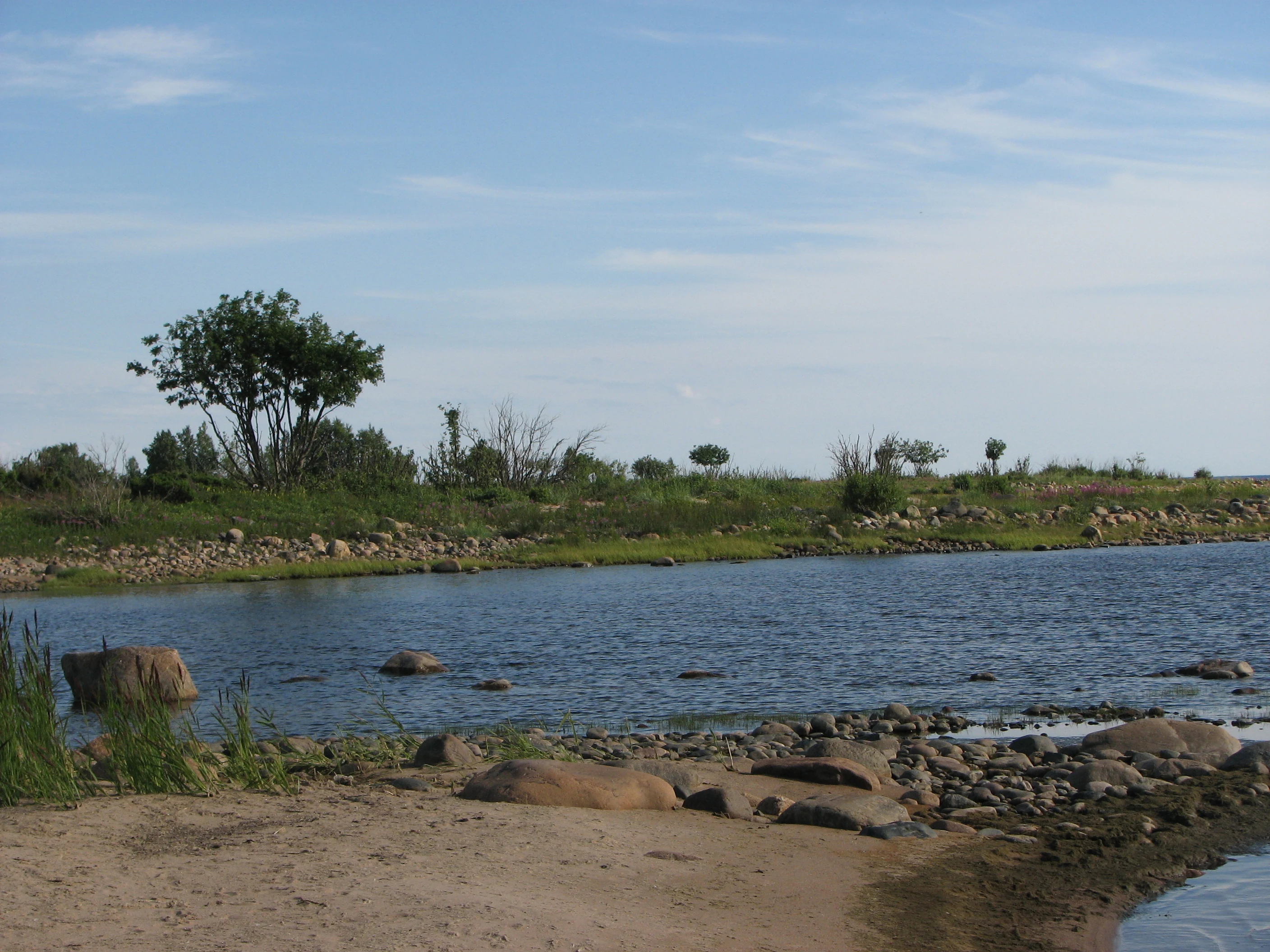
The physical landscape of Haparanda Archipelago National Park is defined by its position in the shallow, northern reaches of the Bothnian Bay. The islands display a distinctive character quite different from the rocky, cliff-bound archipelagos found further south in the Baltic. Here, sandy beaches predominate, and prominent dune formations rise behind the shorelines, shaped by winds blowing across the open bay. These dunes represent an unusual landscape feature in this latitude, more commonly associated with temperate or subtropical coasts.
The terrain is generally low-lying, with the highest points barely above sea level. As the land continues to rise through post-glacial rebound, new areas emerge from the sea each year, gradually expanding the islands' land area. The surrounding waters are extremely shallow, often requiring careful navigation and making landing by boat difficult in many locations. This shallow, gently sloping seabed characterizes much of the Bothnian Bay and contributes to the islands' depositional rather than erosional character. Between the islands, narrow sounds and shallow bays create a complex marine landscape that changes with the seasons and the gradual geological transformation of the coastline.
Haparanda Archipelago National Park ecosystems, habitats, and plant life
The ecological character of Haparanda Archipelago National Park reflects its position at the interface between marine and terrestrial environments in northern Europe. The islands support a mosaic of habitats including sandy shores, dune grasslands, coastal marshes, and mixed forest on the more sheltered parts of the larger islands. The dynamic nature of the landscape—continuously reshaped by land rise, wave action, and wind—creates a succession of habitats at different stages of development.
The vegetation of the dunes and beaches includes specialized species adapted to sandy, nutrient-poor conditions and the harsh maritime climate. These plants must tolerate salt spray, strong winds, and the extreme temperature ranges characteristic of northern Sweden. Further inland, the islands support birch woodlands and mixed coniferous forest that provide additional habitat diversity. The surrounding shallow waters support productive marine ecosystems, with extensive beds of aquatic vegetation and invertebrate communities that form the base of the coastal food web.
Haparanda Archipelago National Park wildlife and species highlights
Haparanda Archipelago National Park is particularly notable for its birdlife, with the shallow waters, shoreline habitats, and island environments supporting diverse avian communities. The archipelago serves as important nesting habitat for several species, while the surrounding waters provide feeding grounds for migratory birds during both the spring and autumn passage periods. The mix of coastal marsh, dune, and forest habitats creates conditions suitable for a range of bird species.
The park's position on the Bothnian Bay flyway means it lies along major migratory routes for waterfowl and other coastal birds moving between northern breeding grounds and more southerly wintering areas. The shallow, productive waters support diving ducks, swans, and geese, while the islands provide nesting sites for terns, gulls, and waders. The forest sections of the larger islands offer habitat for songbirds and birds of prey. While detailed species lists would require specific survey data, the park's ornithological significance is well recognized within the broader context of Baltic coastal bird conservation.
Haparanda Archipelago National Park conservation status and protection priorities
The conservation significance of Haparanda Archipelago National Park derives from its representation of a rare habitat type within Sweden's protected area network. The extensive dune systems of the archipelago are uncommon in the northern Baltic, making this park important for the preservation of coastal dune ecosystems at their northernmost extent. The ongoing geological processes of land emergence create conditions for natural habitat succession that is rare in more stable landscapes.
As part of the cross-border ecological network with Finland's Perämeri National Park, the park contributes to broader conservation objectives for the Bothnian Bay region. This marine and coastal ecosystem supports internationally important bird populations, and coordinated protection across the national boundary acknowledges that migratory species and ecological processes do not conform to political borders. The park's designation as IUCN Category II reflects its primary objective of protecting natural ecosystems while allowing for sustainable visitor use and enjoyment of the landscape.
Haparanda Archipelago National Park cultural meaning and human context
The Haparanda Archipelago has served as a setting for human activity for centuries, with the islands providing resources for fishing, shipping, and seasonal settlement. The presence of Sandskär Chapel reflects the historical importance of the islands to local communities, serving as a place of worship for island residents and a landmark for maritime navigation. The chapel represents the cultural connection between the islands and the surrounding coastal communities of both Sweden and Finland.
More recently, the archipelago gained broader cultural visibility through its selection as a filming location for the Swedish television program Expedition Robinson. The 2021 season was recorded in the Haparanda archipelago after pandemic-related travel restrictions prevented filming abroad. This modern media connection has brought attention to the landscape's dramatic character and remote quality, though it represents a brief moment in the longer human history of the islands.
Top sights and standout views in Haparanda Archipelago National Park
Haparanda Archipelago National Park offers a distinctive combination of features uncommon among Sweden's national parks: coastal dune landscapes in a northern Baltic setting, dynamic geological processes visible through ongoing land emergence, and rich birdlife within a cross-border protected area network. The largest island, Sandskär, provides the main visitor focus with its chapel, beaches, and trail network. The shallow, challenging waters surrounding the islands contribute to a sense of remoteness and wildness despite the park's proximity to the Swedish-Finnish border. The dramatic seasonal contrast between accessible summer archipelago and frozen winter landscape adds a further dimension to the park's character.
Best time to visit Haparanda Archipelago National Park
The optimal time to visit Haparanda Archipelago National Park depends on the type of experience sought. The summer months of July and early August offer the most accessible period, with regular boat services operating from Nikkala on the mainland to Sandskär. During this time, the islands are fully accessible, the weather is generally mild, and the long northern days provide extended opportunities for exploration. The warm season coincides with peak bird activity and the full development of coastal vegetation.
Winter presents a dramatically different park, transformed by snow and ice. The frozen Baltic provides access across the sea ice, allowing visitors to reach the islands on skis or snowmobiles. This quiet, stark season offers a completely different perspective on the archipelago, though it requires appropriate equipment and preparation for northern winter conditions. The transition seasons of spring and autumn offer intermediate conditions but may have more limited access options. The park's remote character means that visitors should check current access arrangements and be prepared for the variable conditions typical of this northern coastal environment.