
Why Leivonmäki National Park stands out
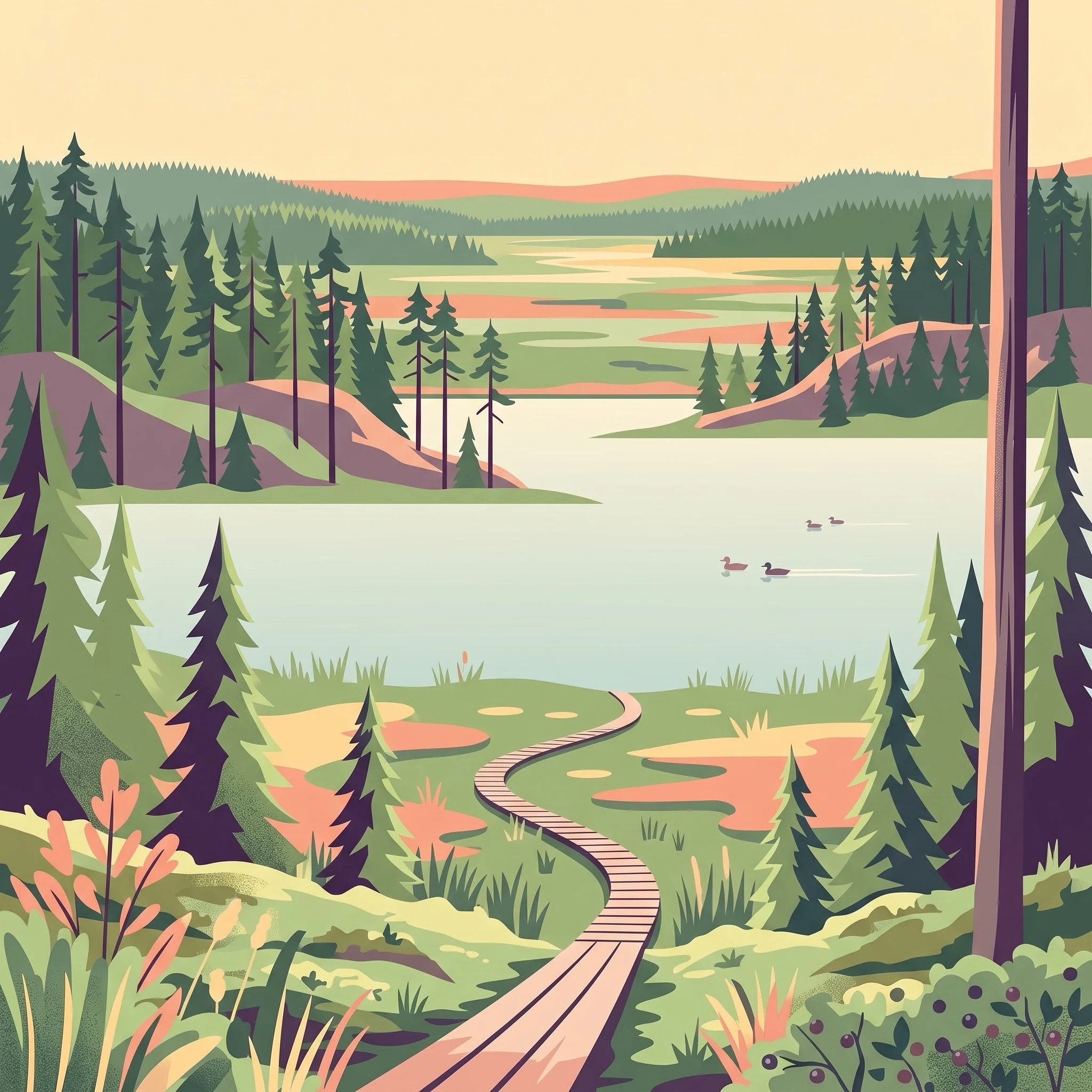
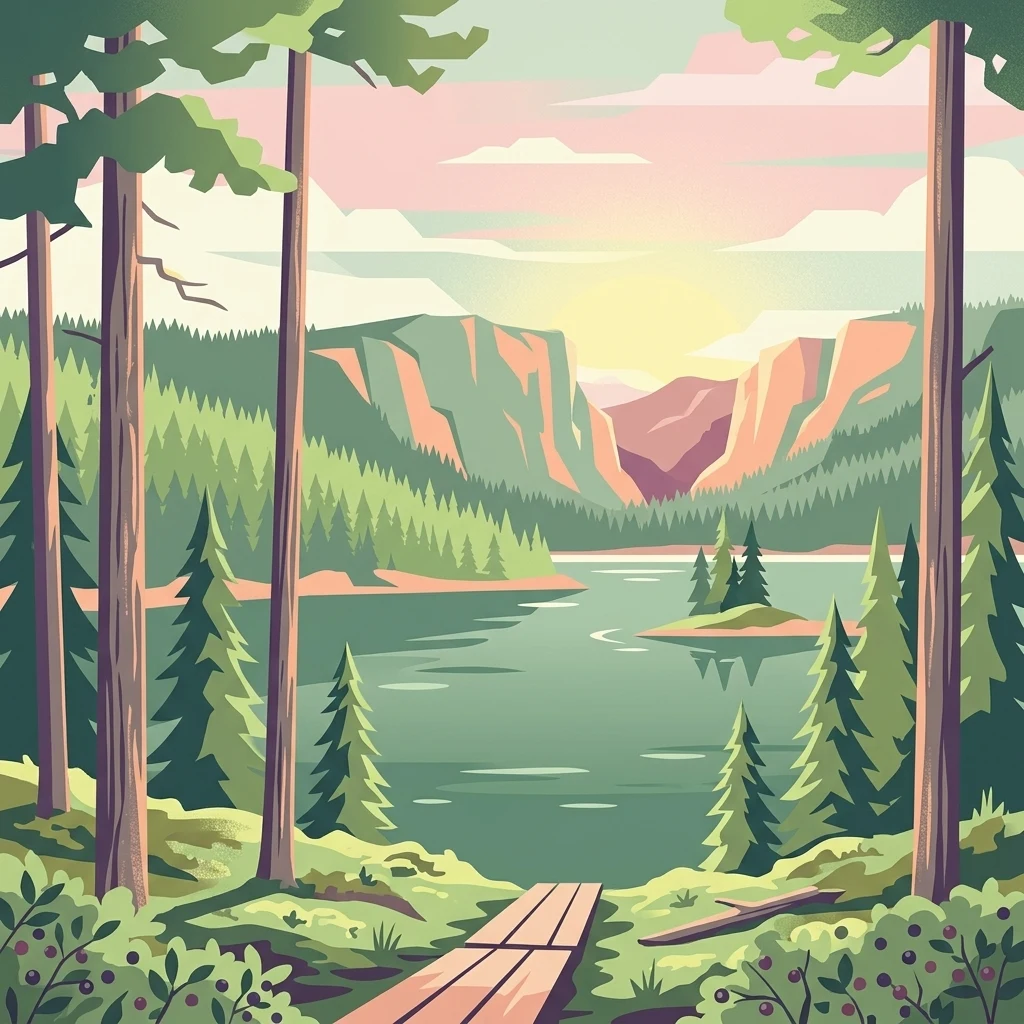
Leivonmäki National Park is best known for its representation of Central Finland's typical landscape diversity within a compact protected area. The combination of raised bogs, lake shores, and esker forests makes it a distinctive example of boreal wetland and glacial deposit environments. The esker forests, growing on ridges of sorted sand and gravel deposited by melting glaciers, are particularly characteristic of the region's geological heritage. The park's mires represent some of the most intact wetland systems in Central Finland, while Lake Rutajärvi provides an accessible aquatic element to the landscape.
Leivonmäki National Park history and protected-area timeline
The origins of Leivonmäki National Park trace to conservation debates that emerged in the 1970s, when proposals first arose to protect the area's extensive mires, lakeshores, and distinctive esker forests. At that time, the landscape faced pressure from competing land uses, including local peat extraction in portions of Haapasuo and nearby mires, as well as forestry operations and gravel excavation in other areas. The suggestion to conserve large wetland and forest tracts generated significant local debate, reflecting broader tensions in Finland between nature protection goals and the economic interests of surrounding communities. During the 1980s, the Finnish state began acquiring parcels of land in the Leivonmäki area through both negotiated purchases and compulsory acquisition when necessary. In 1991, the core Haapasuo-Syysniemi area was designated a nature reserve, securing key bog, lakeshore, and forest habitats for conservation. The national park was formally established in 2003, with boundaries based on the previously protected core area and expanded to include adjacent landscapes that better represent the region's characteristic environmental values.
Leivonmäki National Park landscape and geographic character
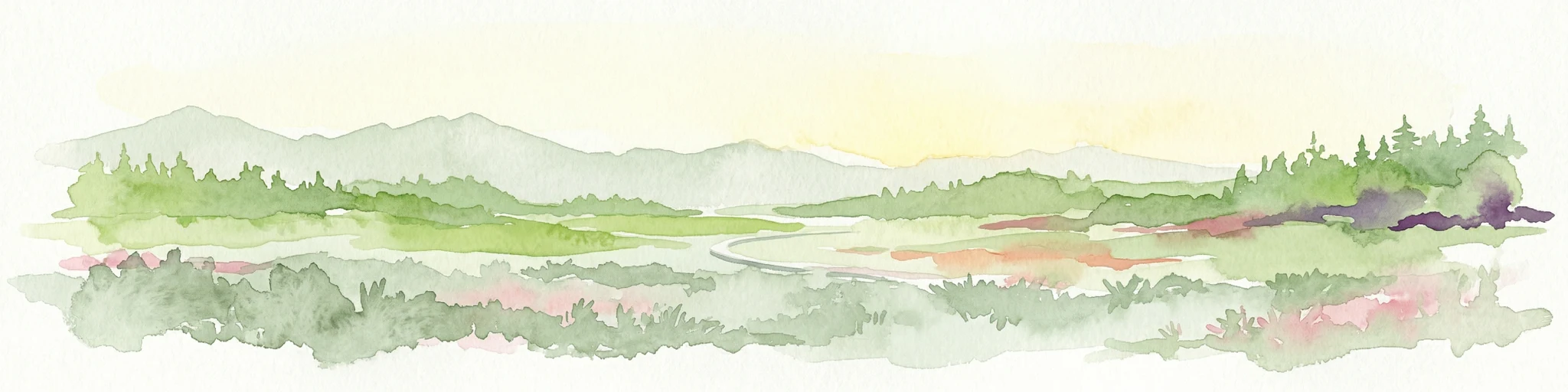
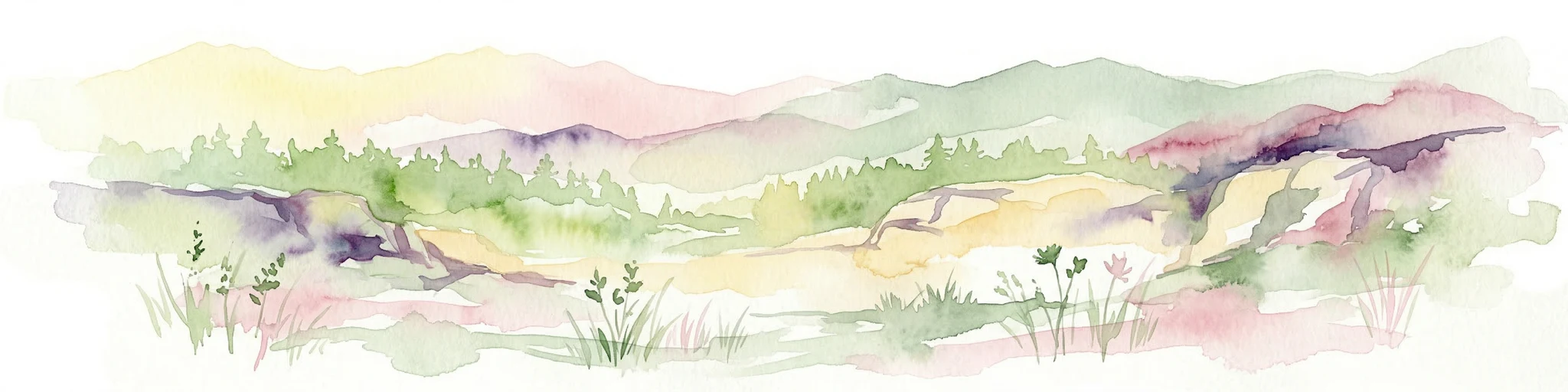
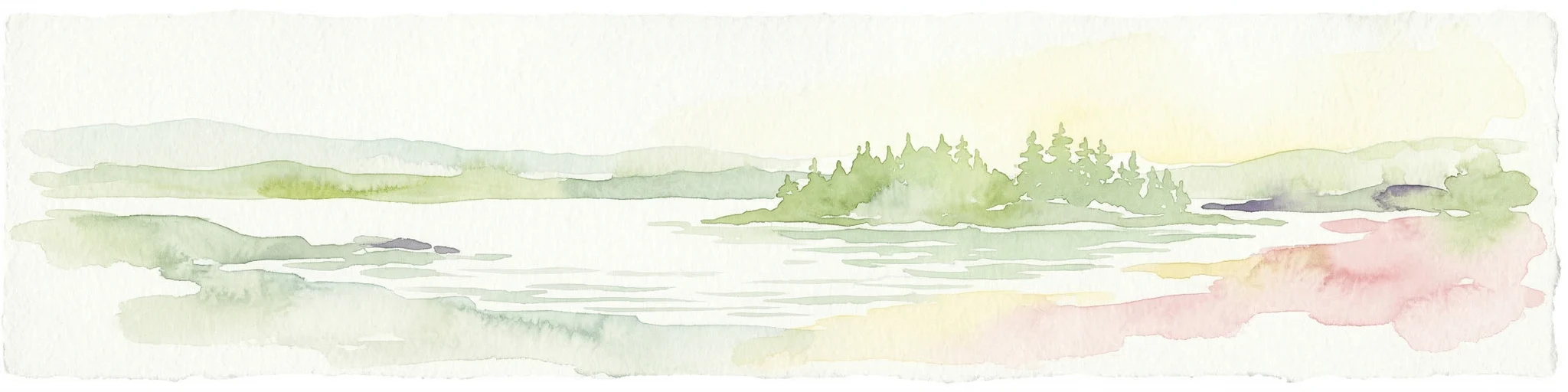
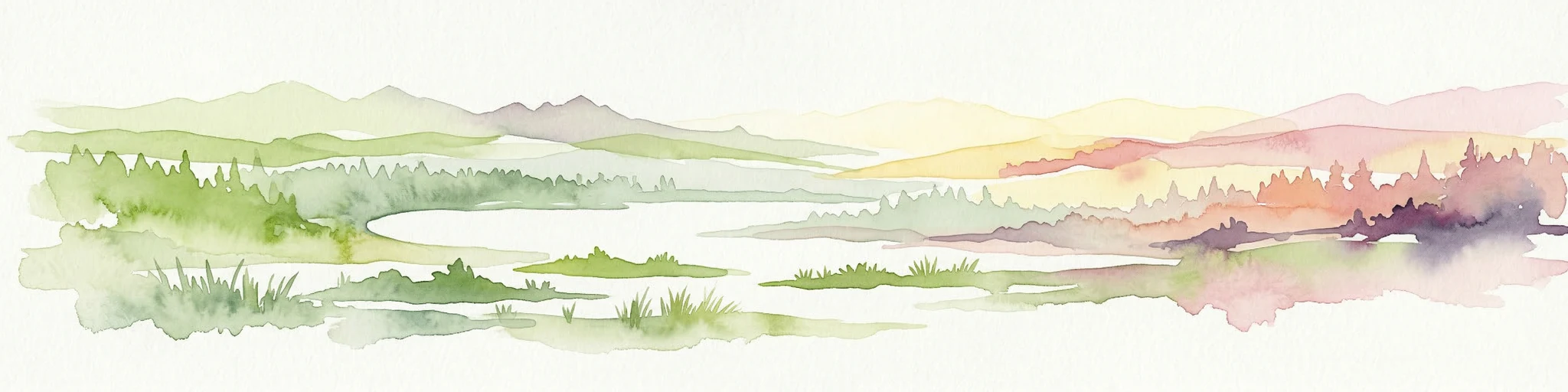
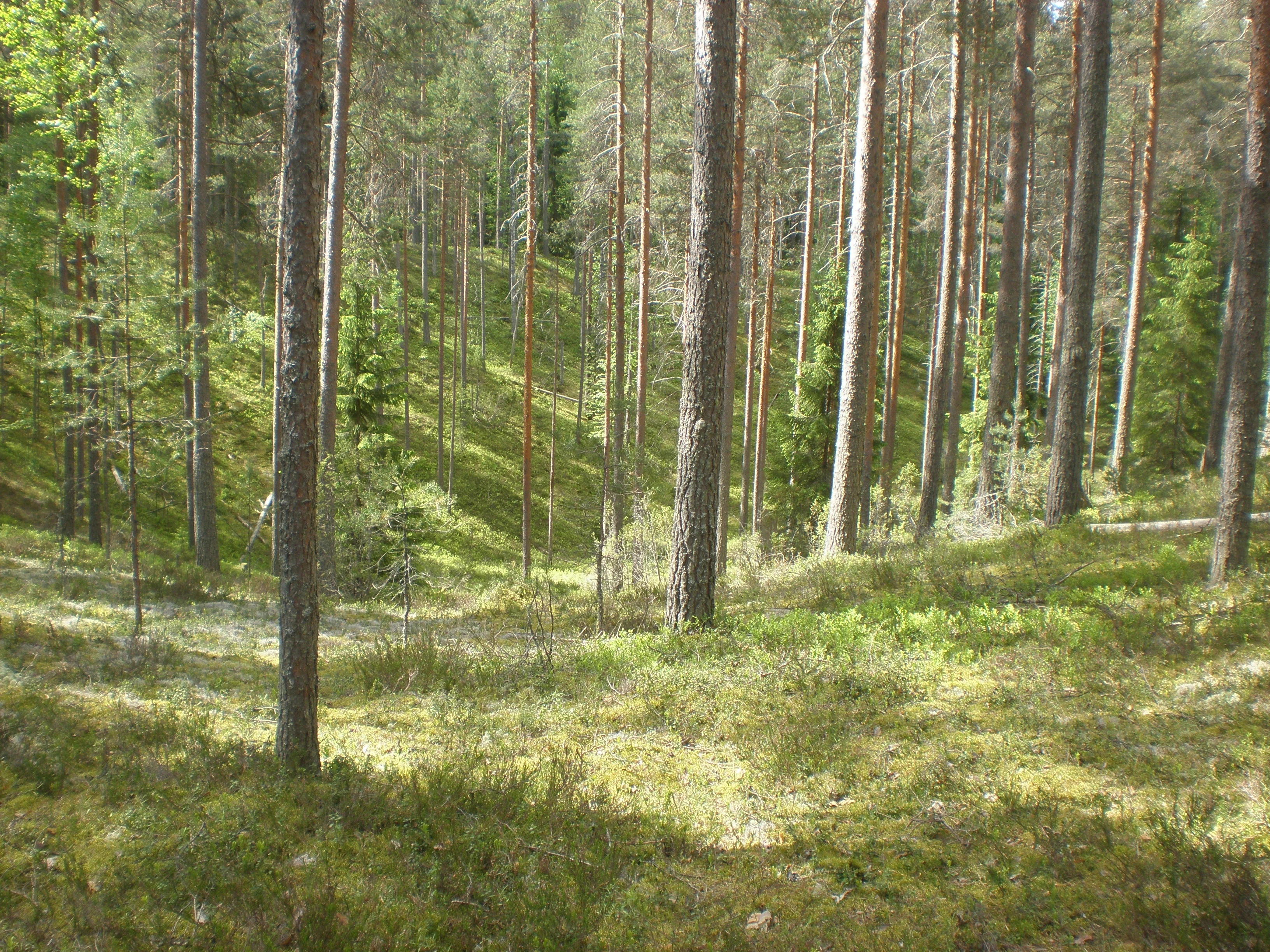
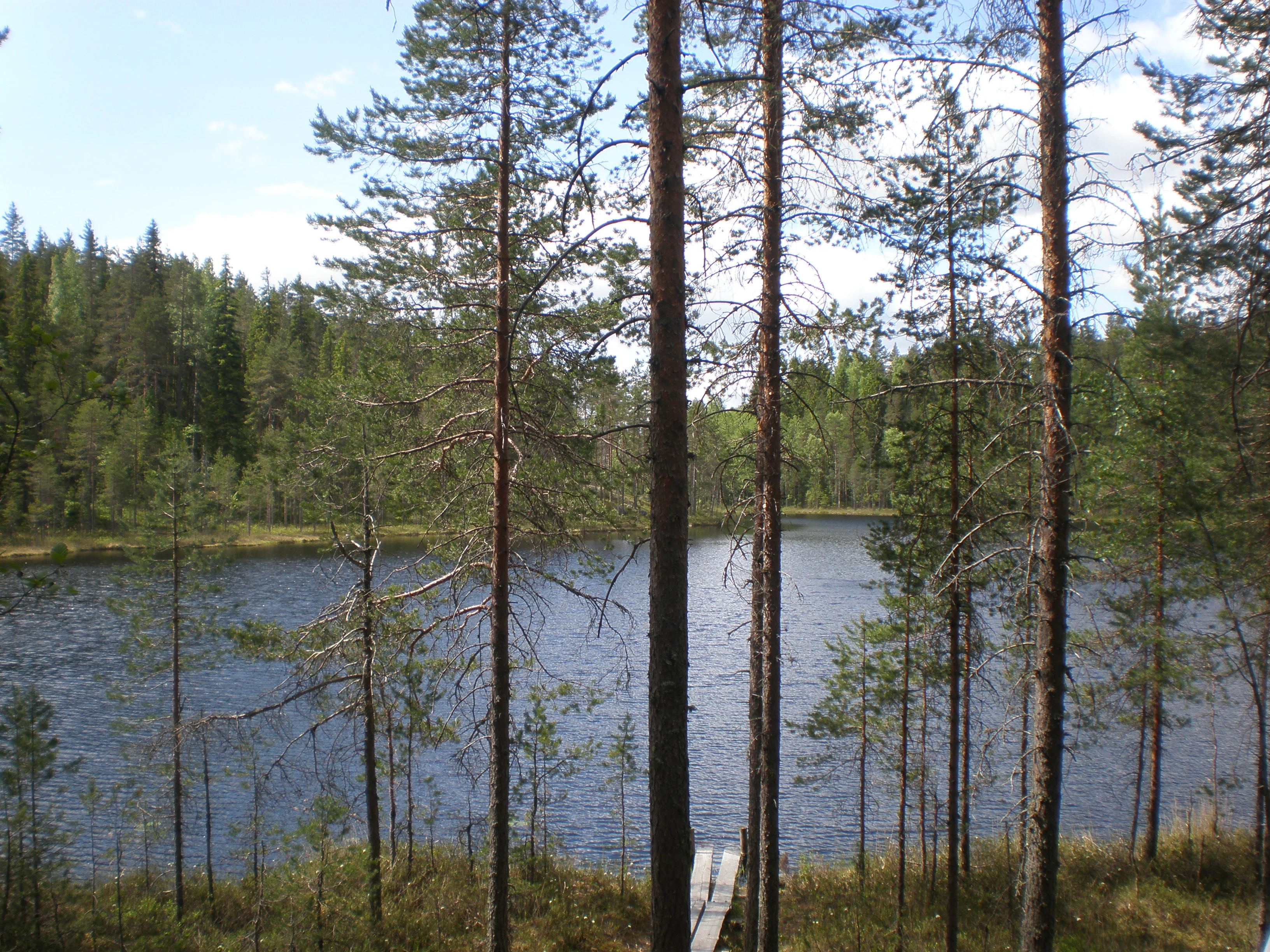
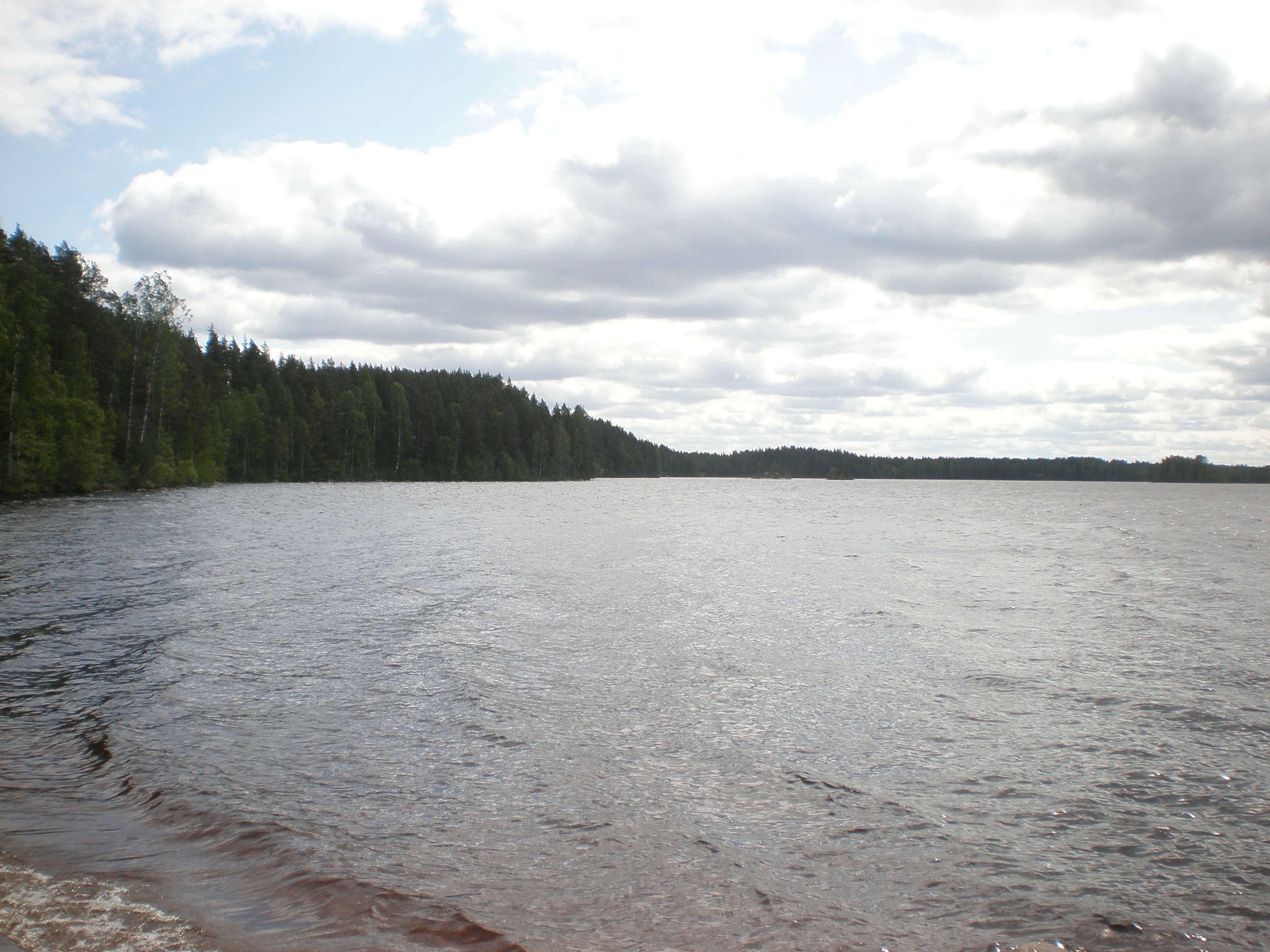
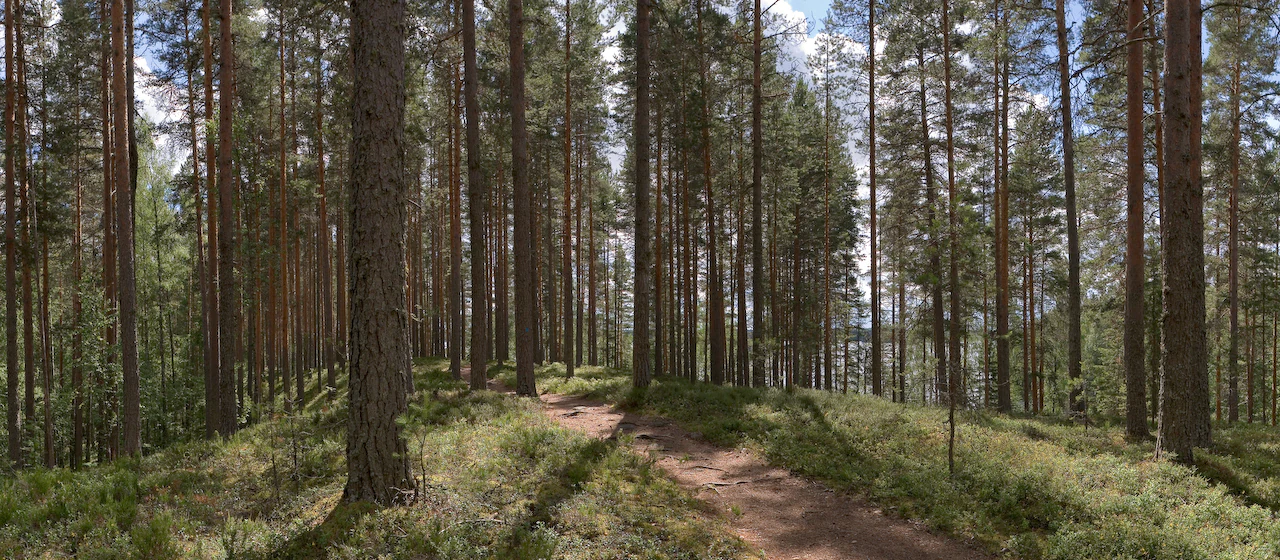
The physical landscape of Leivonmäki National Park is characterized by its combination of wetland mires, lake shoreline, and glacial esker formations. The eskers, which are long ridges of sorted sand and gravel deposited by meltwater streams beneath the retreating Fennoscandian ice sheet, create distinctive terrain features within the otherwise flat or gently undulating landscape. These ridges support forests that differ in character from the surrounding wetland environments. The mires, including both raised bogs andapa mires, form extensive wet areas that dominate large portions of the park's terrain. Lake Rutajärvi provides a significant aquatic element, with its shores encompassing both gently sloping beach areas and more rugged sections where the esker formations approach the water's edge. The overall visual character is one of diverse terrain compressed into a relatively limited area, making the park an effective representative sample of Central Finland's physical geography.
Leivonmäki National Park ecosystems, habitats, and plant life
The ecological character of Leivonmäki National Park reflects the boreal environment of Central Finland, with wetland ecosystems forming a significant component of the park's natural value. The mires support specialized plant communities adapted to acidic, nutrient-poor conditions, including various mosses, sedges, and dwarf shrubs that characterize Finnish bog environments. The esker forests grow on more mineral-rich soils and support different vegetation, including mixed coniferous forest with species typical of Finland's timberline forests. The lake and its shoreline provide aquatic and riparian habitats that complement the terrestrial wetland and forest communities. The park's position within Central Finland places it within a transition zone between southern and northern Finnish ecological regions, contributing to the diversity of species and habitat types represented within its boundaries.
Leivonmäki National Park wildlife and species highlights
The wildlife communities of Leivonmäki National Park reflect the boreal forest and wetland environments that dominate the protected area. The mires and forests provide habitat for various bird species associated with Finnish wetland and taiga environments. While detailed species inventories are not extensively documented in available sources, the combination of open water, reed beds, marshy shores, and coniferous forest creates suitable conditions for diverse avian communities. The wetland areas likely support waterfowl and shorebird species during migration seasons, while the forested sections provide breeding habitat for birds typical of Finnish coniferous forests. The lake environment adds an aquatic dimension to the wildlife potential.
Leivonmäki National Park conservation status and protection priorities
Leivonmäki National Park represents an important conservation outcome for Central Finland, protecting representative examples of the region's characteristic landscapes and ecological communities. The establishment of the park in 2003, following designation of the core area as a nature reserve in 1991, secured long-term protection for the mires, lakeshores, and esker forests that define the area's natural character. The park contributes to Finland's network of protected areas that represent the country's diverse environmental regions. The conservation of these wetland systems is particularly significant given the historical pressures from peat extraction and other land uses that affected similar environments throughout Central Finland. The park also serves an educational function, providing visitors with an accessible example of Central Finland's natural heritage.
Leivonmäki National Park cultural meaning and human context
The landscape of Leivonmäki National Park has been shaped by long-term human interaction with the environment, though the area is not specifically noted for prominent cultural heritage features. The conservation debates that led to the park's establishment reflected the broader Finnish context of balancing economic uses of natural resources with protection goals. The historical peat extraction, forestry, and gravel extraction activities in the area represent traditional land uses that ultimately gave way to conservation priorities as the ecological value of the wetlands and forests became more widely recognized. The establishment process involved both voluntary land purchase and compulsory acquisition, indicating the state's commitment to securing the area for protection despite competing interests.
Top sights and standout views in Leivonmäki National Park
Leivonmäki National Park offers visitors a concentrated demonstration of Central Finland's natural diversity within a relatively compact area. The combination of raised mires, lake shoreline, and esker forests provides distinct landscape experiences within a single protected area. Lake Rutajärvi and its surrounding environment forms a scenic focal point for visitors, while the network of trails allows exploration of both wetland and upland environments. The park's representation of glacial landscape features, particularly the esker ridges, provides geological interest that complements the ecological value of the wetland systems. The accessibility of these diverse environments from a single trail system makes the park particularly valuable for visitors seeking to experience multiple aspects of Central Finland's character.
Best time to visit Leivonmäki National Park
The best time to visit Leivonmäki National Park would typically be during the warmer months from late spring through early autumn, when the trail network is fully accessible and the landscapes display their characteristic seasonal变化. Summer months offer the opportunity to experience the wetland environments in full vegetative growth, while autumn may provide colorful foliage displays as the boreal vegetation transitions toward winter conditions. Winter visitation is possible but would require appropriate preparation for snow conditions and shorter daylight hours. The park's relatively northern latitude means that summer days are long and winter days are correspondingly short, affecting the visitor experience across seasons.