Why Tesso Nilo National Park stands out
Tesso Nilo National Park is renowned for its extraordinary plant diversity, holding the distinction of having the highest recorded vascular plant species count of any tropical forest plot surveyed globally. The park represents one of the last remaining coherent lowland rainforest ecosystems on Sumatra, a island that has lost the vast majority of its original forest cover to agricultural expansion. It serves as a crucial stronghold for two of Indonesia's most endangered megafauna species: the Sumatran elephant and the Sumatran tiger, both listed as critically endangered. The park's conservation value is amplified by its position as a living laboratory for understanding tropical rainforest biodiversity patterns.
Tesso Nilo National Park history and protected-area timeline
Tesso Nilo National Park was officially declared a national park by the Indonesian government in 2004, representing a recognition of the area's exceptional ecological value amid accelerating forest loss across Sumatra. The original designated area covered 385.76 square kilometers, though authorities immediately recognized that a larger protected boundary was needed to maintain ecological connectivity and protect viable populations of endangered species. In November 2009, the park was expanded by 44,492 hectares, significantly increasing its protected territory. The Belgian government has contributed to the park's conservation efforts, committing 200,000 euros toward the construction of a Sumatran elephant conservation center within the park boundaries, with funding beginning in 2011. This project was designed to facilitate the relocation of tame elephants from Minas in Siak District, where their habitat had been lost to oil palm plantations and oil mining operations.
Tesso Nilo National Park landscape and geographic character
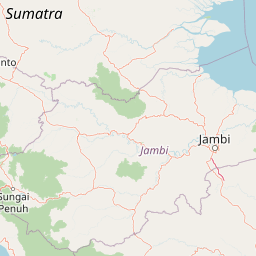
The park protects extensive lowland rainforest terrain characteristic of central Sumatra's tropical environment. The landscape features flat to gently rolling terrain typical of lowland river basins, with forest canopy that historically reached heights of over 60 meters in mature areas. The region experiences equatorial climate with high rainfall throughout the year, supporting dense vegetation and complex forest structure. While the park's underlying geology reflects Sumatra's volcanic origin, the surface terrain has been shaped by fluvial processes creating the flat, low-lying characteristics that make this area suitable for lowland rainforest development. The landscape has been significantly impacted by encroachment in recent decades, with approximately a third of the original park area already deforested before conservation expansion efforts.
Tesso Nilo National Park ecosystems, habitats, and plant life
Tesso Nilo contains what scientists consider the most botanically diverse lowland rainforest in the world. The Center for Biodiversity Management's survey of over 1,800 tropical forest plots globally found no other location with as many vascular plant species as Tesso Nilo, making it a globally significant repository of plant biodiversity. The forest represents the climax ecosystem type for lowland Sumatra, characterized by multiple canopy layers, diverse epiphytes, and complex root systems adapted to the wet tropical environment. The park's biodiversity significance extends beyond plants to encompass the full spectrum of tropical rainforest organisms, from microorganisms to large mammals, making it a critical reference site for understanding Southeast Asian tropical forest ecology.
Tesso Nilo National Park wildlife and species highlights
The park provides critical habitat for two of Sumatra's most endangered megafauna species. Sumatran elephants (Elephas maximus sumatranus) inhabit the forest in significant numbers, with population estimates ranging from approximately 200 individuals in 2009 to 120-150 individuals as of 2012, reflecting the ongoing pressure on their habitat. Sumatran tigers (Panthera tigris sumatrae) also persist within the park, though their numbers are less well documented due to their secretive nature. Both species are listed as critically endangered, making Tesso Nilo's protected forest habitat essential for their survival. The park's diverse forest structure supports numerous other wildlife species, though detailed species inventories remain incomplete due to the challenges of conducting surveys in dense tropical forest.
Tesso Nilo National Park conservation status and protection priorities
Tesso Nilo National Park faces severe conservation challenges from illegal logging, agricultural encroachment, and habitat conversion. Approximately 28,600 hectares, roughly one-third of the original park area, had already been deforested before expansion efforts. Oil palm plantations now cover 36,353 hectares within the broader forest complex, with two major business groups (Asian Agri and Wilmar Groups) identified as involved in trading palm oil illegally grown inside the national park boundary. Additionally, around 50 mills operating around the forest complex have been identified as part of the supply chain for illegally produced palm oil. The forest remains vulnerable to wildfires during drought periods, with significant fire damage occurring in October 2006. Conservation efforts focus on expansion of protected territory, anti-encroachment enforcement, and the development of the elephant conservation center to protect remaining populations of endangered species.
Top sights and standout views in Tesso Nilo National Park
The park stands as one of the last great lowland rainforest strongholds in Sumatra, containing the world's most species-rich tropical forest plot for vascular plants. It provides crucial habitat for critically endangered Sumatran elephants and tigers, representing one of the most important conservation areas in Indonesia. The expansion to 1,000 square kilometers reflects its recognized significance, though ongoing threats from palm oil expansion and illegal encroachment mean that its long-term protection requires sustained effort.
Best time to visit Tesso Nilo National Park
The park can be visited year-round given its equatorial location, though the dry season (typically June to September) generally offers easier access to forest trails and clearer conditions for wildlife observation. The wet season brings heavy rainfall that can make some areas difficult to access but also supports the lush forest conditions that characterize the park's ecological character. Visitors interested in elephant viewing should note that conservation activities, including the elephant relocation program, may influence access to certain areas of the park.