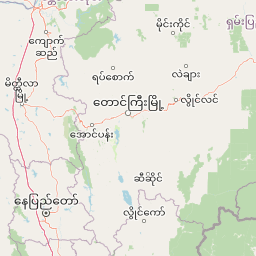
Why Tham Pla, Namtok Pha Suea National Park stands out
The park is best known for Tham Pla, or Fish Cave, a water-filled cavern housing hundreds of mahseer barb fish (Neolissochilus stracheyi) that are revered by local communities. A Hindu statue within the cave is believed to protect the fish, creating a unique blend of natural wonder and cultural significance. The Pha Suea Waterfall, standing 15 meters high, provides another major attraction, with its name translating to "mat waterfall" referring to the cascading water's resemblance to a woven mat during the rainy season. The park also contains Tham Pha Daeng, a limestone cave approximately one kilometer in depth, and the Mae Sa-nga Klang waterfall, which sits above a 37-meter hydroelectric dam.
Tham Pla, Namtok Pha Suea National Park history and protected-area timeline
Tham Pla–Namtok Pha Suea National Park was established on December 23, 2010, becoming Thailand's 116th national park. The creation of this protected area reflected the Thai government's efforts to expand the national park network into previously unprotected regions of the country, particularly in remote border areas with significant ecological value. Prior to national park designation, the area contained various forest reserves and was known locally for its natural attractions, particularly the Fish Cave with its sacred fish populations. The establishment process involved surveying the boundaries, assessing the natural resources, and coordinating with local communities in Mae Hong Son Province. The park's creation was part of a broader initiative to protect Thailand's northern mountain forests, which serve as important watersheds and habitat corridors. The selection of the area for national park status also acknowledged the cultural significance of the Fish Cave, where local belief systems have traditionally protected the fish populations for generations.
Tham Pla, Namtok Pha Suea National Park landscape and geographic character
The park's landscape is characterized by a complex mountainous terrain forming part of the Daen Lao Range, which extends northward into Burma. The highest peak within the park is Doi Lan at 1,918 meters above sea level, while the surrounding terrain ranges from approximately 300 to 1,900 meters in elevation, with an average elevation around 500 meters. The topography consists of steep ridges, deep valleys, and cascading stream systems that drain into major watersheds including the Pai River basin, Mae Kuang River, Mae Sa-nga River, and Mae Sa-ngi River. The landscape features dramatic limestone outcrops and cave systems, with Tham Pla (Fish Cave) being the most significant, containing a large natural pool where underground springs emerge. The Pha Suea Waterfall drops approximately 15 meters over a cliff face, with its flow varying significantly between the wet season, when water cascades across the full width of the cliff creating a mat-like appearance, and the dry season, when reduced flow reveals the rock formations beneath. The park's terrain creates a visually striking environment of forested slopes, rocky outcrops, and water features that define the character of this northern Thai wilderness.
Tham Pla, Namtok Pha Suea National Park ecosystems, habitats, and plant life
The park preserves an important mosaic of forest types that reflect the varied elevation and climate conditions within its boundaries. Mixed deciduous forest covers approximately 30 percent of the park area, typically found on lower slopes and valley floors, characterized by trees that lose their leaves during the dry season. Tropical evergreen forest, including both lowland and hill evergreen types, dominates roughly 35 percent of the area, occupying the wettest and most humid locations with deep, moisture-retaining soils. Dry dipterocarp forest accounts for about 15 percent of the park, occurring on ridges and steeper slopes at elevations between 300 and 900 meters, where shallower soils and more pronounced dry seasons create distinct ecological conditions. Pine forest covers approximately 5 percent of the park area at elevations between 200 and 1,800 meters, often occurring in association with dry dipterocarp forest. The remaining areas include forest plantations and degraded forest zones in various stages of recovery. Tree species within these forests include valuable timber species such as teak, as well as numerous dipterocarp species, and various members of the legume and burst families.
Tham Pla, Namtok Pha Suea National Park wildlife and species highlights
The park supports populations of several notable mammal species that inhabit its diverse forest environments. The goral, a type of mountain goat-antelope, inhabits the rocky ridgelines and steep terrain, while the gaur, the largest species of wild cattle in the world, moves through the forested areas. Barking deer, also known as muntjac, are present throughout the park's woodlands, along with wild boar which inhabit various forest types. According to broader surveys of the area's biodiversity, the park region supports approximately 30 mammal species, 123 bird species, 30 reptile species, 5 amphibian species, and 20 freshwater fish species. The fish cave system contains particularly significant populations of mahseer barb, a species that has achieved cultural reverence among local communities who have protected these fish for generations through traditional belief systems.
Tham Pla, Namtok Pha Suea National Park conservation status and protection priorities
The establishment of Tham Pla–Namtok Pha Suea National Park represents an important conservation outcome for Thailand's northern border regions, protecting a landscape that connects with adjacent protected areas in Burma to form a larger transnational ecological corridor. The park preserves significant watershed areas that feed major river systems serving both wildlife and human communities in Mae Hong Son Province. The protection of diverse forest types, from lowland evergreen to montane pine forests, ensures the preservation of habitat for numerous species, including those of conservation concern such as gaur and goral. The Fish Cave represents a unique conservation scenario where cultural practices have contributed to the protection of a significant fish population, demonstrating how traditional beliefs can support biodiversity conservation. The park's management under the Department of National Parks, Wildlife and Plant Conservation involves balancing visitor access to attractions like the cave and waterfall with the need to protect the underlying ecological systems that make the area significant.
Tham Pla, Namtok Pha Suea National Park cultural meaning and human context
The Tham Pla (Fish Cave) holds particular cultural significance for local communities, as hundreds of mahseer barb fish inhabit the cave's pool and are considered sacred. A Hindu statue located near the cave is believed to protect these fish, and local belief holds that harm to the fish would result in misfortune for those who take them. This traditional protection has contributed to the remarkable abundance of fish in what is a relatively accessible cave system. The area has been known to local communities for generations as a place of both natural wonder and spiritual significance. The park lies within the traditional homeland of various ethnic communities who have inhabited the northern Thai highlands long before the establishment of the national park, and the protection framework continues to operate alongside these established community relationships with the landscape.
Top sights and standout views in Tham Pla, Namtok Pha Suea National Park
The park offers visitors the opportunity to explore a cave system where sacred fish swim in crystal-clear underground pools, surrounded by forest-covered mountains that rise dramatically from the valley floors. The Pha Suea Waterfall provides a scenic cascade that changes dramatically between seasons, while the network of trails and viewpoints allows exploration of the diverse forest environments. The park's location in Mae Hong Son Province places it within one of Thailand's most scenic northern regions, where the combination of steep terrain, traditional villages, and protected wilderness creates a distinctive visitor experience. The international border setting adds another dimension, with the mountain ridges forming a natural boundary with Burma's Shan and Kayah States.
Best time to visit Tham Pla, Namtok Pha Suea National Park
The park can be visited throughout the year, though the experience varies significantly between seasons. The wet season from May through October brings abundant water flow to the waterfalls and fills the cave pools, though trail conditions may be more challenging. The cool dry season from November through February offers comfortable temperatures for hiking and clearer visibility on mountain trails. The hot season from March through May brings higher temperatures but easier trail conditions. The Pha Suea Waterfall is most impressive during the rainy season when water volume is highest, while the Fish Cave can be visited year-round. The period from July to September is generally considered optimal for viewing the waterfall at its most spectacular, though visitor numbers increase during this peak season.