Why Val di Mello stands out
Val di Mello is best known for its vast expanse of clean, pale granitic walls of the rock type known locally as ghiandone, which fall from high Alpine summits toward the valley floor and create an unusually bright and vertical landscape. The valley is internationally recognized as a top-tier rock climbing and bouldering destination, home to the iconic Sasso Remenno monolith and to climbing routes first established in the late 1970s. It is also distinguished by the high-altitude Sentiero Roma, which links the heads of the main tributary valleys along some of the most spectacular terrain in the Alps.
Val di Mello history and protected-area timeline
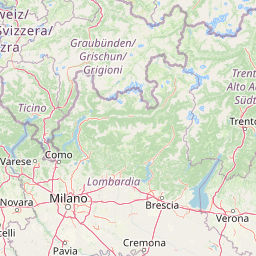
Val di Mello carries a deep historical link to the nearby village of Mello, whose residents, known historically as melat, held long-standing grazing rights in the valley even though the village itself lies roughly twenty kilometers to the west on the Costiera dei Cech. This pastoral connection shaped early land use and gave the valley its name long before any formal protection existed.
For most of its modern history Val di Mello remained a relatively remote Alpine valley known primarily to local herders, hunters, and a small community of mountaineers. The turning point came in the late 1970s, when Italian climbers began to open the valley's now-famous rock routes. The crack climb Luna Nascente was first ascended in 1978, and other landmark routes quickly followed, establishing the area as a serious rock-climbing destination. Over time, bouldering culture also took root, eventually leading to the large international gathering known as Melloblocco.
In January 2009 the Lombardy Region formally established the Val di Mello nature reserve, making it the largest protected area in Lombardy and introducing a tiered zoning system designed to balance conservation, traditional land use, and sustainable tourism. This designation marked the institutional recognition of a landscape whose natural and recreational value had already been acknowledged by climbers, hikers, and ecologists for decades.
Val di Mello landscape and geographic character
Val di Mello is a deeply carved Alpine valley whose terrain compresses an unusual vertical range into a relatively short horizontal distance. The valley floor sits below one thousand meters, while surrounding peaks rise above three thousand meters, and the dominant Monte Disgrazia massif forms a dramatic backdrop at the head of the valley. From the watershed ridge, the summit of Monte Disgrazia remains visible across the divide.
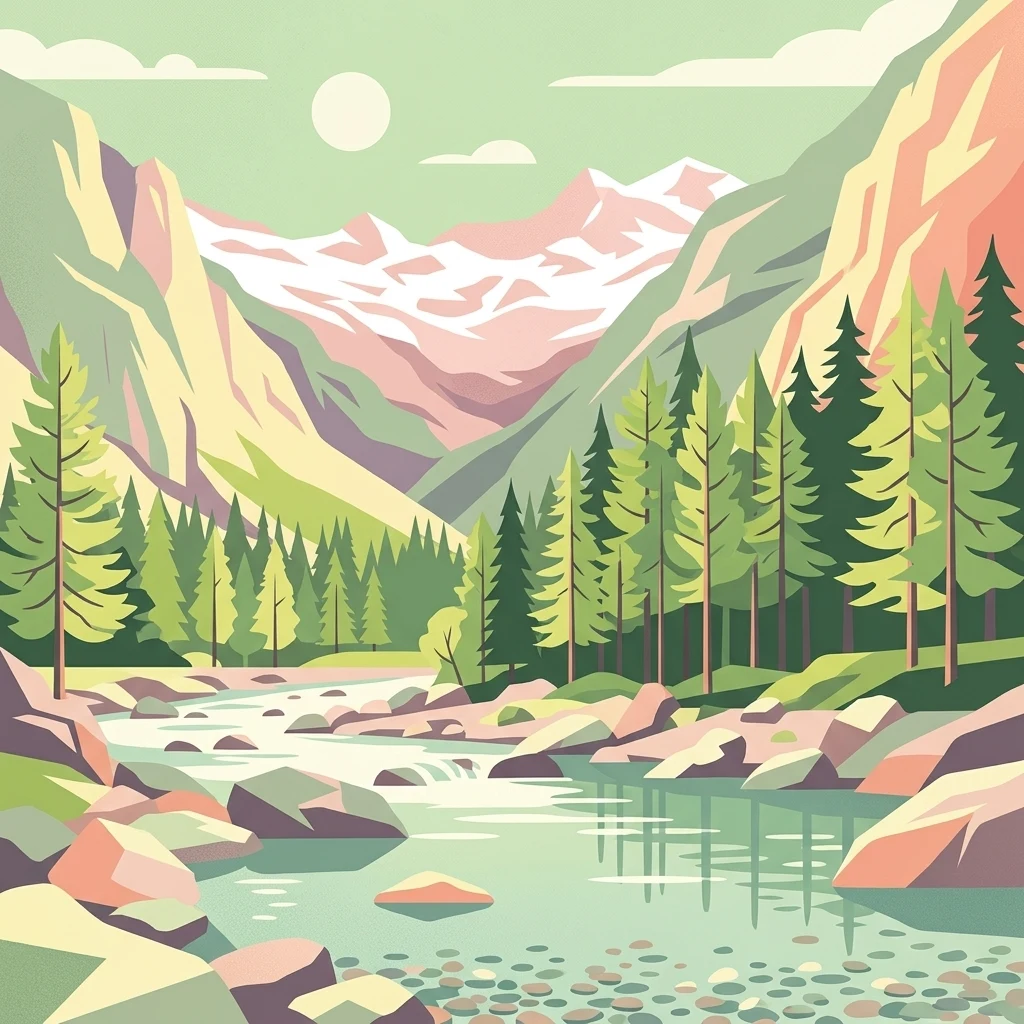
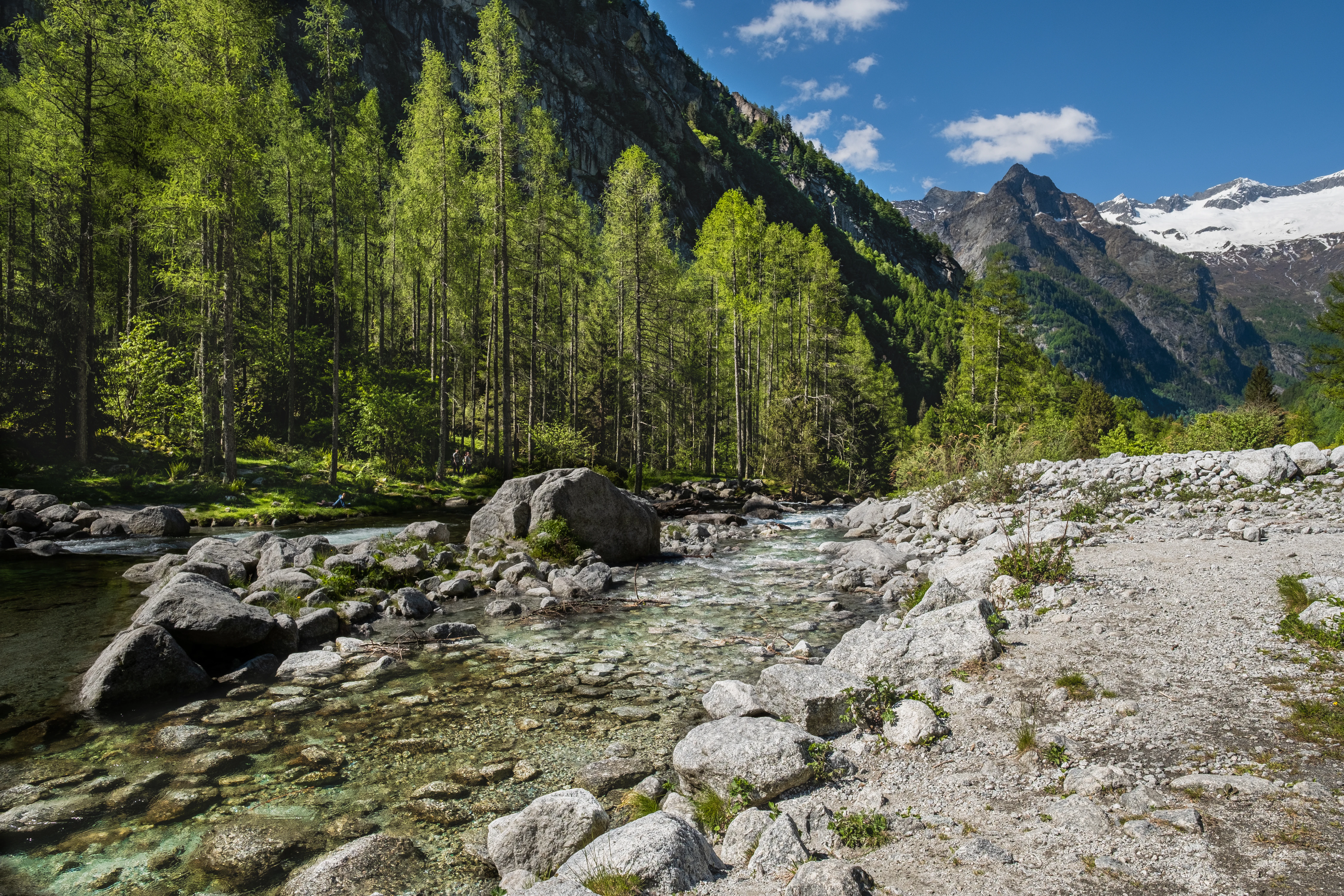
The valley runs broadly west to east, which produces a marked contrast between its two sides. The left (orographic) side faces north and remains shaded and shadowy, characterized by short, steep, and very wild subsidiary gullies that see comparatively little human traffic. The opposite side lies in full sun and opens into a series of large tributary valleys: Val Cameraccio, Val Torrone, Val di Zocca, Val Qualido, and Val del Ferro. These secondary valleys display spectacular rock walls, glacial cirques, and plateaus broken by waterfalls. Above them, small remnant glaciers and perennial snowfields cling to the highest cirques, while below, the floor supports forests and meadows crossed by the stream that gives the valley its name.
The most visually defining element of the landscape is the enormous extent of pale rock faces. These walls, formed of a compact granitoid known locally as ghiandone, sweep from the high summits almost down to the valley bottom, creating a continuous vertical canvas of clean, bright stone threaded by forest. The result is a landscape that feels at once wild, luminous, and unusually concentrated in its vertical relief.
Val di Mello ecosystems, habitats, and plant life
Ecologically, Val di Mello reflects the strong gradients typical of inner Alpine valleys, with vegetation shifting rapidly from mixed broadleaf and coniferous forest along the stream and lower slopes, through subalpine woodland, into open pasture, alpine meadow, and ultimately bare rock and residual snowfields near the summits. The diversity of exposures matters: the shaded north-facing slopes retain cooler, moister plant communities, while the sunny south-facing slopes support drier, more open habitats and richer meadow floras during the summer months.
The river itself and the lateral tributaries shape much of the valley's ecological identity, carving the floor, feeding small alpine lakes, and creating the humid microclimates along which forest patches persist. Glacial action has left behind classic cirques, moraines, and erratic boulders, including the iconic Sasso Remenno monolith, which is the largest of its kind in Europe. These geo-ecological features form a mosaic of habitats across a relatively small area, contributing to the sense of compressed biological and geological variety that defines the valley.
With its nature reserve designation in 2009, the valley's three-zone structure was designed to keep the most sensitive areas intact while still allowing traditional rural land use and low-impact visitor activity in the landscape zone, supporting both ecological function and the long-standing human presence connected to grazing and forest management.
Val di Mello wildlife and species highlights
Val di Mello supports the typical wildlife assemblage of an inner Alpine valley in Lombardy, where forested lower slopes, alpine meadows, rocky cliffs, and high-elevation snow patches each contribute distinct species. The combination of undisturbed cliffs and varied exposures provides habitat for cliff-nesting birds of prey, while the mosaic of forest patches and open meadows supports ungulates and small mammals that thrive in transition habitats.
The valley's protected status, particularly within the integral reserve zone, has reinforced its role as a refuge for wildlife sensitive to disturbance. Traditional grazing practices associated with the historical rights of the melat from the village of Mello continue to shape grassland habitats, maintaining open areas that benefit a range of meadow and edge species.
Val di Mello conservation status and protection priorities
Val di Mello gained formal protection in January 2009, when the Lombardy Region declared it a nature reserve and made it the largest protected area in the region. The reserve is structured into three complementary zones: an integral reserve, a landscape reserve, and a managed reserve, each with its own access rules and land-use approach.
The integral zone, located on the shaded orographic left side of the valley, is the most strictly protected, accessible only to authorized forestry personnel. The landscape zone encompasses the riverbed and the small rural settlements along it, balancing traditional rural life with conservation criteria, including sustainable-tourism standards set by municipal and provincial authorities. The managed reserve covers the broader valley and its key tributaries, including Val del Ferro, allowing controlled recreation such as hiking and climbing while protecting ecological values. Vehicle access into the landscape zone is restricted to certain periods and subject to a daily vehicle cap, with summer access generally closed to cars, reducing pressure on the valley's most sensitive areas.
Val di Mello cultural meaning and human context
Val di Mello has a long cultural link to the village of Mello, located on the Costiera dei Cech roughly twenty kilometers west of the valley. Although not directly adjacent, the village's inhabitants known as melat have held traditional grazing rights in the valley for centuries, a connection that gave the valley its name and continues to influence land use, particularly in the form of seasonal pastoral activity.
The valley also carries a strong mountaineering heritage. Italian climbers forged some of the area's most iconic routes in the late 1970s, including the crack climb Luna Nascente in 1978, and the area became a focal point of Italian free climbing and, later, bouldering culture. The annual international Melloblocco gathering grew out of this tradition, drawing climbers from across Europe and embedding Val di Mello in the broader story of European outdoor and climbing culture.
Top sights and standout views in Val di Mello
The single most distinctive highlight of Val di Mello is the immense sweep of pale granitic walls, which descend almost uninterrupted from peaks above three thousand meters toward the valley floor below one thousand meters. This unusually continuous vertical relief gives the valley an immediately recognizable, luminous character rare even within the Alps.
Equally distinctive is the Sasso Remenno monolith, the largest granitic monolith of its kind in Europe, around which much of the valley's climbing culture has been built. Combined with the high-altitude Sentiero Roma trail linking the great tributary valleys, the area's status as Lombardy's largest nature reserve, and a climbing tradition reaching back to the late 1970s, these features make Val di Mello a place of unusually concentrated natural and cultural significance.
Best time to visit Val di Mello
Val di Mello is best experienced in the warmer months, when snow has receded from the approach trails and the granite walls are fully accessible for hiking, climbing, and bouldering. Late spring through early autumn is typically the most rewarding period for general visitation, with summer bringing the widest range of activities but also the busiest conditions and restrictions on car access into the protected landscape zone.
Outside this window, conditions in an inner Alpine valley become considerably more demanding, with snow, reduced accessibility, and limited services. Visitors should generally expect a strong seasonal rhythm, with the warm season offering the valley's broadest accessibility and the most favorable conditions for exploring both the valley floor and the higher trails such as the Sentiero Roma.