Why Waschteich Reuth stands out
Waschteich Reuth is best known for its combination of a traditional Vogtland pond with a richly developed silting-up belt, floating-leaf aquatic vegetation, and adjacent wet meadow and oak-hornbeam forest habitats. This layered mosaic of aquatic, marsh, grassland, and woodland environments gives the small site a disproportionately rich ecological character for its size. Its designation as both a Saxon nature reserve and a European Habitats Directive site underscores its significance for conserving the regional pond and wetland landscape of the Vogtland area, where such pond-based habitat complexes have become increasingly rare.
Waschteich Reuth history and protected-area timeline
The Waschteich Reuth area has a long history as part of the traditional pond landscape of the Vogtland region, where small standing waters like this were once common features of the countryside. Its formal protection history, however, is more recent and follows the pattern of late twentieth-century German nature conservation practice.
The smaller associated waterbody, the Obere Schafteich, was placed under protection as a Flächennaturdenkmal, an area nature monument, in 1982, covering about 1.038 hectares. This earlier designation recognized the local significance of the pond before broader protection of the wider complex was put in place.
The main Waschteich Reuth nature reserve, designated under NSG number C 03, was established in 1995. The ordinance of the Regierungspräsidium Chemnitz of 2 January 2006, later amended on 5 April 2007, forms the legal basis for this protection. In 2011, the area was additionally designated as a Site of Community Importance (FFH-Gebiet) by the Landesdirektion Chemnitz, integrating the site into the European network of habitat-protected areas.
Waschteich Reuth landscape and geographic character
The landscape of Waschteich Reuth centers on a moderately sized pond set within a gently undulating section of the Vogtland. The waterbody is framed by a broad belt of natural overgrowth where terrestrial vegetation has progressively colonized the shallow margins, creating a classic transition zone between open water and dry land. Floating-leaf aquatic plants occupy parts of the pond surface, while reeds, sedges, and other marsh plants line the edges.
Beyond the wet margins, the terrain rises slightly into damp meadows that retain moisture for much of the year, giving way in turn to mixed woodland dominated by oak and hornbeam. This compact arrangement of open water, marsh, meadow, and forest creates a clear habitat gradient within a relatively short distance.
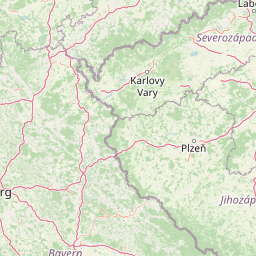
The protected area lies in a transitional zone between two villages, with the Saxon village of Reuth to the east and the Thuringian settlement of Gottesgrün nearby to the west. The Aubach, a small right-bank tributary of the Weiße Elster, threads through the reserve and connects the local wetland system to the larger river network of the region. Local Kreisstraßen run along the eastern and southeastern edges of the area, framing the otherwise quiet rural landscape.
Waschteich Reuth ecosystems, habitats, and plant life
Ecologically, Waschteich Reuth is defined by its layered habitats. The pond and its silting-up belt host a community of aquatic and marsh plants, including floating-leaf species that occupy parts of the open water. Surrounding the pond, wet meadows maintain a high soil moisture content, supporting plant communities adapted to damp, sometimes waterlogged, conditions.
Beyond the meadows lies a Galium oak-hornbeam forest, a woodland type typical of central European mixed hardwood stands. This forest features oak and hornbeam as the dominant trees, with a ground flora that includes bedstraw (Galium) species, lending the woodland type its name. The interplay between standing water, marsh, damp grassland, and hardwood forest within such a compact area gives the site an ecological complexity that is unusual for its scale.
The site's ecological value has been formally recognized at both regional and European levels. As a Saxon nature reserve and an FFH area under the European Habitats Directive, Waschteich Reuth is part of a network of protected sites intended to maintain and restore the natural habitat types and species of the European Union. Its inclusion reflects the importance of small, structurally diverse pond and wetland complexes for regional biodiversity.
Waschteich Reuth wildlife and species highlights
The wildlife value of Waschteich Reuth is closely linked to its pond and wetland habitats. Standing waters with extensive silting-up zones and floating-leaf vegetation, like the Waschteich, typically support a range of aquatic invertebrates, amphibians, and wetland-associated bird species. The combination of open water, marsh, wet meadow, and surrounding oak-hornbeam forest provides habitat diversity within a small area, which tends to benefit species that rely on multiple habitat types during their life cycle.
Amphibians are commonly associated with such pond complexes in the Vogtland region, using the open water for breeding and the damp meadows and forest margins for feeding and shelter. Wet meadow habitats support insect populations that in turn attract birdlife, while the oak-hornbeam woodland contributes to the presence of typical woodland bird species. Although the available source material does not provide detailed species lists, the structural richness of the site implies a correspondingly varied fauna.
Waschteich Reuth conservation status and protection priorities
Waschteich Reuth carries a layered conservation status that reflects both regional and European ecological priorities. As a Saxon nature reserve (NSG No. C 03), it benefits from protection under German federal state conservation law, with the current legal framework rooted in the 2006 ordinance of the Regierungspräsidium Chemnitz, amended in 2007. As an FFH area, it is also integrated into the European Union's Natura 2000 network under the Habitats Directive, with its designation as a Site of Community Importance dating from 2011.
The conservation significance of the site lies in the preservation of a complete and relatively undisturbed pond-wetland-forest complex in a region where such landscapes have become less common. The protected habitats, including the silting-up belt with floating-leaf vegetation, wet meadows, and Galium oak-hornbeam forest, are characteristic of central European natural heritage and are targeted for maintenance within the European ecological network. By protecting this small but ecologically rich site, the reserve contributes to the broader goal of maintaining functional and diverse landscapes across the Vogtland region.
Waschteich Reuth cultural meaning and human context
The Waschteich Reuth reserve reflects the long-standing relationship between the people of the Vogtland region and the small ponds that once dotted its countryside. Ponds such as this were often part of traditional rural land use, shaped by fish farming, water management, and small-scale agriculture. The oak-hornbeam woodlands that frame the pond are likewise a familiar feature of the regional cultural landscape.
Although the available source material does not detail specific local traditions, the inclusion of the site in the list of protected areas of the Vogtlandkreis underlines its recognized role in the regional identity and natural heritage of southwestern Saxony and the border zone with Thuringia.
Top sights and standout views in Waschteich Reuth
The standout feature of Waschteich Reuth is the way a single small pond anchors a complete ecological sequence, from open water and floating-leaf vegetation through marshy margins to wet meadows and finally to oak-hornbeam forest. This compact layering of habitats gives the reserve a richness that rewards close attention despite its modest size.
Equally notable is the site's dual conservation status: a Saxon nature reserve since 1995 and an FFH area since 2011, paired with the earlier protection of the adjacent Obere Schafteich as a Flächennaturdenkmal. Together these designations mark Waschteich Reuth as a small but well-recognized stronghold for the regional pond and wetland heritage of the Vogtland.
Best time to visit Waschteich Reuth
Visits to a wetland reserve like Waschteich Reuth are most rewarding when the surrounding wet meadows are still green and the pond margins are biologically active, generally during the warmer half of the year. Late spring and early summer are often favorable for observing flowering wetland vegetation and the breadth of the silting-up belt, while early morning visits may offer the best chances of seeing wetland-associated wildlife while disturbance is low. In autumn, the transition toward the oak-hornbeam forest gives the site a different visual character, though the focus of the reserve remains ecological rather than recreational.