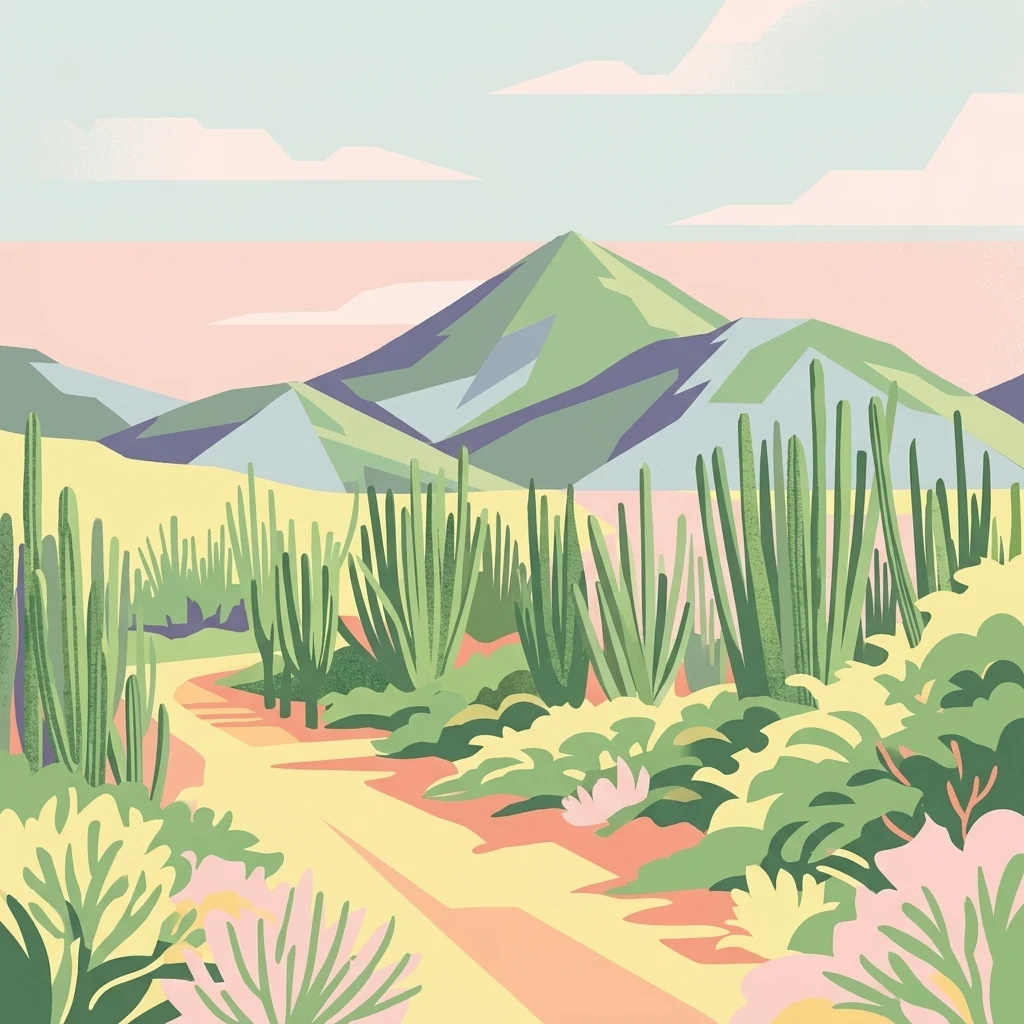
Why Washington-Slagbaai National Park stands out
Washington-Slagbaai is best known for its combination of Caribbean coastal landscapes and inland salinas. The park's salt lakes are famous gathering and breeding grounds for flamingos, while the surrounding dunes, mangroves, and dry forests reflect the character of a small island environment where marine, wetland, and arid habitats meet within a relatively compact area. Just as distinctive is the park's historical layering, since the protected zone was built around the former Washington Plantation, with its old salt pans and the natural harbor of Slagbaai. The presence of the Brandaris, Bonaire's highest peak, adds a striking topographic element to an otherwise flat island, making the park a reference point for understanding Bonaire's overall natural geography.
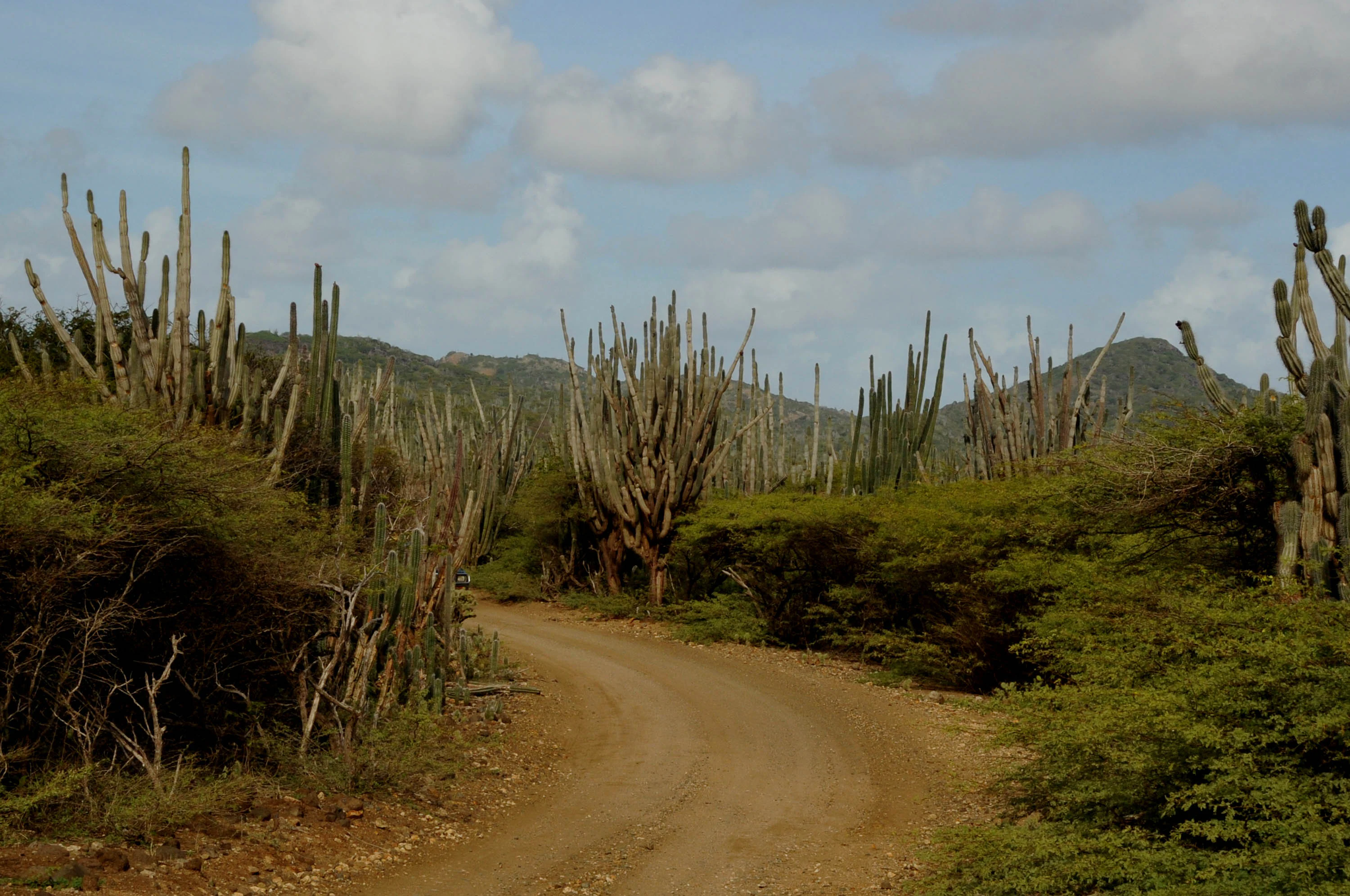
Washington-Slagbaai National Park history and protected-area timeline
Washington-Slagbaai National Park was established in 1969, making it Bonaire's first national park and one of the earliest terrestrial protected areas in the Dutch Caribbean. Its creation reflected a growing recognition that the island's most ecologically valuable lands, including the former Washington Plantation and the natural harbor of Slagbaai, needed formal protection from further agricultural and industrial pressure.
The cultural history embedded in the park goes back considerably further. The area had long been in use as agricultural land, with the Washington Plantation shaping much of the inland terrain. Salt production operations also left a lasting imprint on the landscape, particularly through the salt pans that today form the park's famous salinas. These same salinas of Slagbaai and Goto were designated as internationally important wetlands under the Ramsar Convention in 1971, just two years after the park's founding, cementing the area's conservation status on the international stage.
In more recent decades, management has been handled by STINAPA, the National Parks Foundation Bonaire, which also administers the surrounding Bonaire National Marine Park. The visitor center at the entrance was developed to interpret the area's plantation history and its transition into a protected natural landscape. Conservation programs within the park have also worked to protect species such as the yellow-shouldered amazon parrot, whose local population has recovered since the late 2000s following restrictions on illegal capture for the pet trade.
Washington-Slagbaai National Park landscape and geographic character
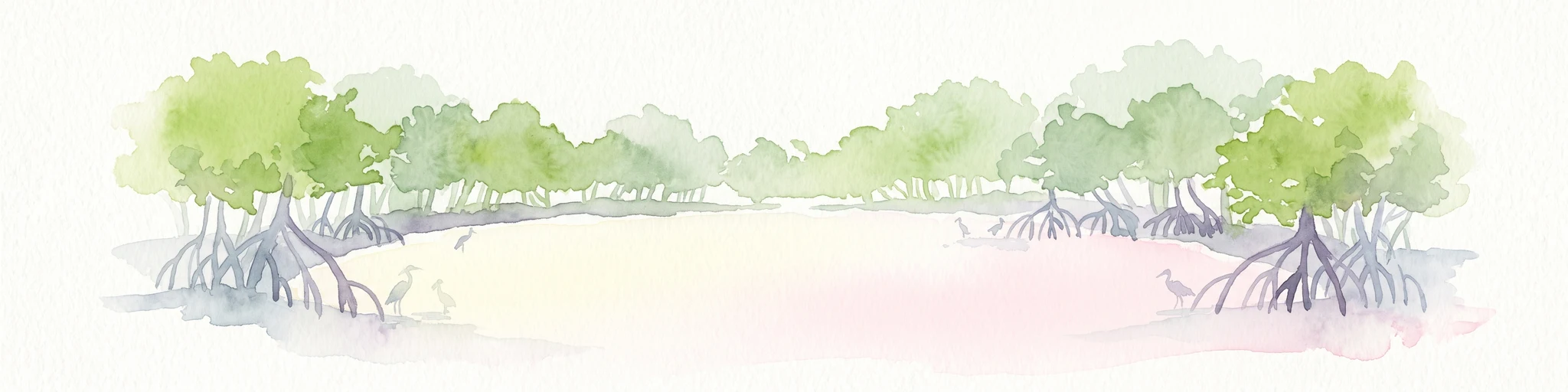
Washington-Slagbaai's landscape is defined by the meeting of Caribbean coast and arid interior. Along its northern edge, the park features sandy beaches, dunes, and rocky shorelines that frame the clear waters of the sea. Moving inland, the terrain transitions into mangrove wetlands, where salt-tolerant trees grow along the edges of lagoons and tidal channels that connect to the ocean.
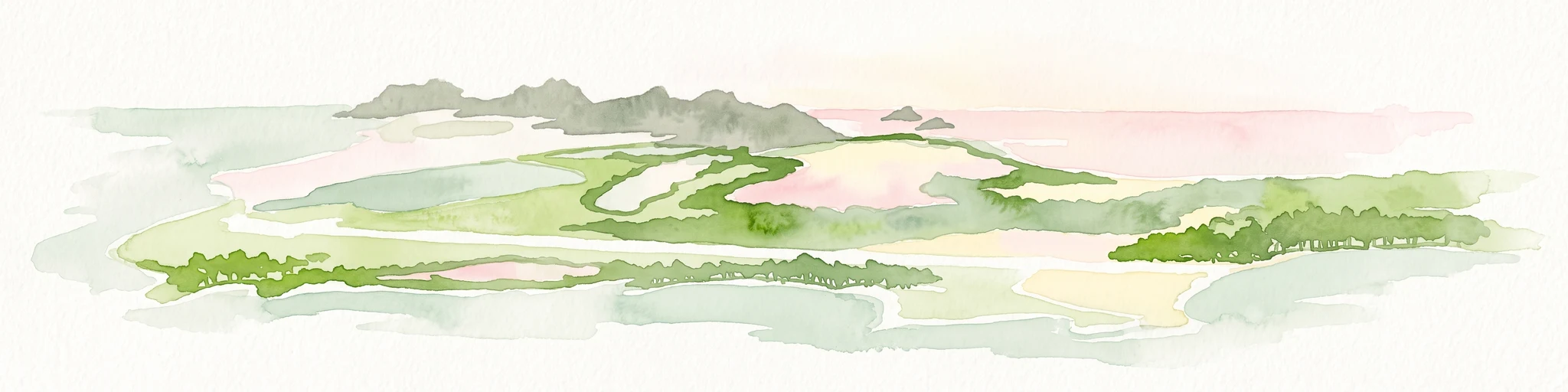
The heart of the park is dominated by salinas, broad, shallow salt lakes whose bright surfaces and pale shorelines are visually striking against the surrounding scrubland. Slagbaai and Goto are the two main saline systems, their high salinity levels creating a unique environment that supports specialized plants and serves as a feeding and breeding ground for flamingos. These salt flats are among the most recognizable features of the park and give it much of its visual character.
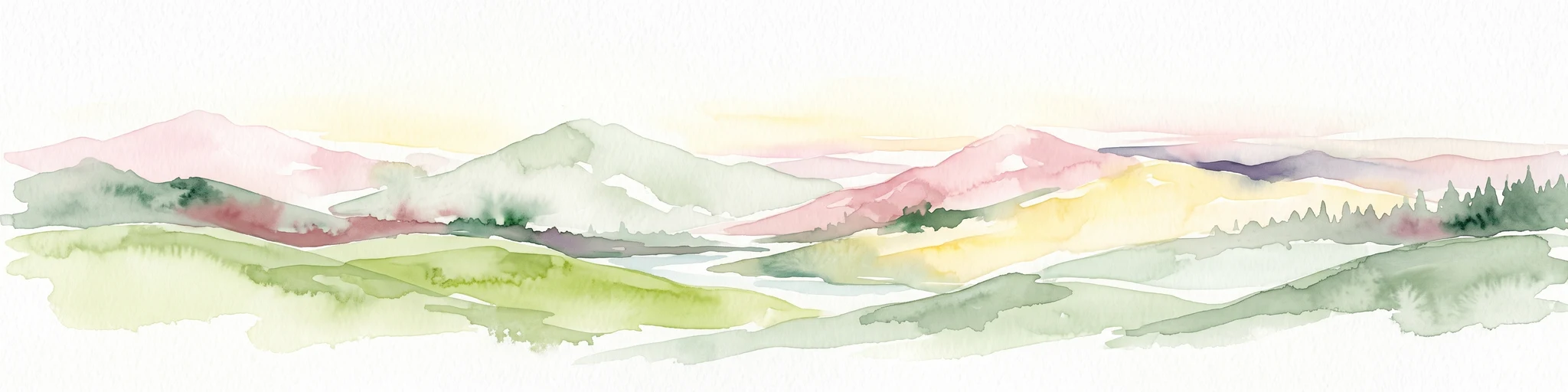
Beyond the wetlands, the park covers dry woodland and low scrub typical of Bonaire's limestone interior. The terrain gradually rises toward the south, culminating in the Brandaris, the highest point on Bonaire at 241 meters. From the slopes and summit of the Brandaris, visitors gain wide views across the island's flat interior, the salinas, and the surrounding Caribbean Sea, providing a rare sense of elevation and scale in an otherwise low-lying island geography.
Washington-Slagbaai National Park ecosystems, habitats, and plant life
The natural environment of Washington-Slagbaai reflects the broader ecology of the ABC islands, where a dry tropical climate, porous limestone substrate, and exposure to Caribbean weather have produced a mosaic of specialized habitats. The park holds approximately 340 plant species, representing a high degree of botanical diversity given the relatively compact area and arid conditions. Many of the plant families recorded in the park are represented by only a single species, indicating a flora that includes many endemic or geographically restricted lineages.
A defining feature of the park's nature is the coexistence of three very different habitats. Dunes and beaches along the coast support salt-tolerant grasses and pioneer shrubs adapted to shifting sands and salt spray. Mangrove fringes provide sheltered environments for crustaceans, juvenile fish, and nesting birds, while also stabilizing the interface between marine and terrestrial zones. Inland salinas create hypersaline environments where only specialized vegetation can survive, yet where large concentrations of flamingos and shorebirds find rich feeding grounds.
Washington-Slagbaai National Park wildlife and species highlights
Washington-Slagbaai is best known for its flamingo populations, which are strongly associated with the park's salinas such as Slagbaai and Goto. These salt lakes offer shallow water and abundant invertebrate prey, and specific zones have been set aside as protected nesting areas where flamingos can build their mud nests without disturbance. The flamingos of Bonaire are among the most studied Caribbean populations, and the park's wetlands play a central role in their ongoing conservation.
Beyond flamingos, the park supports a wide range of resident and migratory shorebirds, seabirds, and land birds across its varied habitats. Mangroves shelter herons and other wading birds, while coastal and open-water areas attract terns and pelicans. Among the park's most distinctive resident species is the yellow-shouldered amazon parrot, a protected parrot whose chicks have historically faced heavy pressure from egg predators such as rats and feral cats, as well as from human capture for the pet trade. Following international protection under CITES and local conservation efforts, the population of this parrot has shown signs of recovery since around 2008.
The park's reptiles, insects, and smaller fauna also contribute to its ecological character, occupying dry woodland, scrub, and shoreline habitats. The combination of arid land species, wetland specialists, and coastal birds gives Washington-Slagbaai a layered wildlife profile that matches the diversity of its landscapes.
Washington-Slagbaai National Park conservation status and protection priorities
As Bonaire's first national park, Washington-Slagbaai has long been central to the island's conservation framework. Its establishment in 1969 laid the groundwork for a broader network of protected areas that today includes marine parks around Bonaire and protected zones on neighboring islands. The park's conservation value was further reinforced in 1971, when the salinas of Slagbaai and Goto were recognized under the Ramsar Convention as internationally significant wetlands, placing the area among the first Ramsar sites in the Caribbean.
The park's protected status covers a remarkable concentration of habitats within a small footprint, from dunes and mangrove to dry forest and salt lakes. This range makes it a critical refuge for native flora and fauna that would otherwise be threatened by habitat loss, salt industry expansion, or development. The presence of the Brandaris, Bonaire's highest point, also adds a conservation dimension tied to watershed function and inland habitat integrity.
Active conservation within the park includes habitat protection for flamingo nesting sites, measures to safeguard the yellow-shouldered amazon parrot, and broader biodiversity monitoring coordinated by STINAPA, the National Parks Foundation Bonaire. The park is therefore not only a scenic destination but also a working conservation area whose ecological importance is formally recognized both locally and through international agreements.
Washington-Slagbaai National Park cultural meaning and human context
Washington-Slagbaai carries a strong cultural imprint from its origins as part of the former Washington Plantation. The land that now forms the core of the park was historically shaped by plantation agriculture, salt extraction, and the local use of Slagbaai, the natural harbor whose name translates roughly as 'bay of slaughter' or 'slaughter bay.' These layers of human activity have left traces in the landscape, particularly in the form of salt pans, plantation ruins, and altered vegetation patterns.
The visitor center near the park entrance was developed to present this layered history alongside the natural interpretation of the area's ecosystems, reflecting the intertwined relationship between human land use and contemporary conservation on Bonaire. Papiamentu, the local Creole language, is part of the park's cultural geography, visible in the local-language name Parke Nashonal Washington Slagbaai. Today the park is understood as both a natural and a cultural landscape, where the history of the plantation era is preserved alongside the island's natural heritage.
Top sights and standout views in Washington-Slagbaai National Park
Among Washington-Slagbaai's standout features are its internationally protected salinas, which combine striking scenery with major ecological value for flamingos and other waterbirds. The presence of the Brandaris, Bonaire's highest peak, adds a unique topographic dimension to a national park located on a generally flat island. The park's origin in the historic Washington Plantation also gives it an unusually rich cultural dimension, weaving together natural beauty and human history in a single protected landscape.
Best time to visit Washington-Slagbaai National Park
Washington-Slagbaai can be appreciated throughout the year, but the dry season, generally spanning the earlier months of the year, tends to offer clearer skies, drier roads through the park's dirt tracks, and concentrated wildlife viewing around the salinas as water levels stabilize. The rainy season, which typically arrives later in the year, brings more vegetation, greener landscapes, and changing waterbird activity in the salinas, though unpaved routes through the park can become more difficult after heavy showers. Most flamingo activity is centered around the salinas year-round, with nesting behavior tied to conditions in the salt lakes. Early morning visits offer cooler temperatures and the most active birdlife, while the late part of the day tends to feature softer light over the dunes, salinas, and the slopes of the Brandaris.