Mori Atlas logo
National parkZaamin National Park

Mapping the protected boundaries and natural terrain of Zaamin National Park in Jizzakh Region.

Zaamin National Park: National Park Protected Landscape and Regional Geography

(Zomin togʻ-oʻrmon davlat qoʻriqxonasi)

Zaamin National Park stands as a significant protected landscape within the Jizzakh Region of Uzbekistan. This national park offers a distinct geographic identity, characterized by its mapped boundaries and natural terrain, making it a valuable entry for understanding regional protected areas and exploring Uzbekistan's natural geography through an atlas lens. Discover the spatial context and landscape features that define this important conservation area.

National ParkMountain LandscapeJuniper ForestAlpine MeadowSnow Leopard HabitatBirdwatching

Zaamin National Park

National park

Park overview

Structured park overview, official facts, and landscape profile for Zaamin National Park

Zaamin National Park park facts, protected area profile, and essential visitor context

Review the core facts for Zaamin National Park, including designation, size, terrain, visitor scale, habitats, and operating context in one park-focused overview.

About Zaamin National Park

Zaamin National Park occupies a unique position in Uzbekistan's conservation landscape as the country's oldest nature reserve. The park sits on the northern side of the Turkestan Range in eastern Uzbekistan's Jizzakh Region, creating a mountainousprotected area that stands in stark contrast to the predominantly arid terrain characteristic of the nation. The protected area encompasses the valleys of four significant rivers: Aldashmansoy, Baikungur, Gurulash, and Kulsoy. These water sources sustain rich flora and fauna in an environment that would otherwise experience the harsh dry continental climate typical of this region. A large man-made reservoir located near the park entrance provides additional aquatic habitat and serves as a visual landmark for visitors. The park's landscape transitions dramatically from the Guralash Valley in its lower reaches to the towering peaks exceeding 3,500 metres, creating diverse ecological zones within a relatively compact area. The proximity to the ancient city of Tugunbulak adds historical dimension to the park's setting, connecting natural heritage with cultural landscape.

Quick facts and research context for Zaamin National Park

Zaamin National Park spans 156 square kilometres in the Zomin District of Jizzakh Region, eastern Uzbekistan. Established in 1926, it is the nation's oldest protected area. The park protects the valleys of Aldashmansoy, Baikungur, Gurulash, and Kulsoy rivers against a backdrop of the Turkestan Range. Elevations range from 1,700 metres in the Guralash Valley to 3,571 metres at Guralash Peak. The area supports 40 mammal species and 150 bird species, including snow leopards, Asiatic black bears, and black storks. A sanatorium complex from the 1970s now serves as the visitor centre.

Protection and recognition

Tracking designated terrestrial boundaries and historical records of the conservation area

Zaamin National Park Protection Status and Conservation Profile

Zaamin National Park maintains a documented terrestrial protection scope dating back to its official designation in 1926. Geographic datasets compile the official designation history and boundary metrics to support accurate analysis of the region's protected landscape framework.

Protection details

Protection scope
Terrestrial
Designated year
1926
Park context

Deeper park guide and search-rich context for Zaamin National Park

Zaamin National Park history, landscape, wildlife, and travel context

Explore Zaamin National Park through its history, landscape character, ecosystems, wildlife, conservation priorities, cultural context, and seasonal travel timing in a structured park guide built for atlas discovery and search intent.

Why Zaamin National Park stands out

Zaamin National Park is best known for its stunning mountain scenery, which has earned it the nickname Switzerland of Uzbekistan. The park protects one of Central Asia's most ecologically diverse mountain ecosystems, spanning from juniper forests to alpine meadows. It serves as a refuge for rare species including snow leopards, Turkestan lynx, and Asiatic black bears. The dramatic contrast between the lush valley environments and the arid continental climate zone makes this park particularly distinctive within Uzbekistan's protected area network.

Zaamin National Park history and protected-area timeline

Zaamin National Park traces its origins to 1926 when it was established as the Guralash Nature Preserve, making it the oldest nature reserve in Uzbekistan. The reserve was created during the Soviet era as part of a broader movement to designate protected areas across Central Asia. Over the decades, the protected area evolved in status and boundary, eventually achieving national park designation under Uzbekistan's independent governance. In the 1970s, a large futuristic sanatorium was constructed on the park's edge, reflecting the Soviet emphasis on developing recreational and health facilities in scenic mountainous regions. Following Uzbekistan's independence, this facility was repurposed to house the park's visitor centre and guest accommodation, bridging the Soviet-era recreational infrastructure with modern conservation tourism needs. The establishment of a beginner's ski slope in 2012 marked a new chapter in the park's development, representing ongoing efforts to develop sustainable tourism infrastructure while maintaining the integrity of the protected landscape.

Zaamin National Park landscape and geographic character

The landscape of Zaamin National Park defines its identity as a mountain protected area in Central Asia. The park occupies the northern flanks of the Turkestan Range, where elevation changes dramatically across a relatively short distance. The lowest terrain lies in the Guralash Valley at approximately 1,700 metres above sea level, while the park reaches its apex at Guralash Peak at 3,571 metres, creating a vertical span of nearly 2,000 metres. Four river valleys carve through the protected area: Aldashmansoy, Baikungur, Gurulash, and Kulsoy. These valleys provide the moisture necessary to sustain lush vegetation in what would otherwise be an arid environment. A large artificial reservoir positioned near the park entrance creates an additional landscape element. The surrounding terrain features rugged mountain ridges, alpine meadows, and forested slopes, with several prominent peaks visible from within the park boundaries.

Zaamin National Park ecosystems, habitats, and plant life

The ecological character of Zaamin National Park reflects its position at the intersection of multiple habitat types. The park's ecosystems transition from juniper forests in the lower elevations through deciduous woodlands to alpine meadows at higher altitudes. More than 700 plant species have been recorded within the protected area, including approximately 30 types of medicinal herbs. The seasonal appearance of the park is particularly striking: in spring, red tulips and white acacias blanket the mountain slopes with vivid colour, while autumn transforms the hazelnut and birch trees into displays of golden foliage. Large plane trees add to the arboreal diversity. The presence of four river valleys within the park creates riparian corridors that enhance biodiversity, providing water and habitat in a region where moisture is scarce outside these valley systems.

Zaamin National Park wildlife and species highlights

Zaamin National Park supports remarkable wildlife diversity for its size, with researchers documenting 40 mammal species and 150 bird species within its boundaries. The park provides habitat for several rare and endangered species listed in Uzbekistan's Red Book of Endangered Species. The snow leopard, a flagship species of Central Asian mountains, has been recorded within the park, along with the Asiatic black bear and Turkestan lynx. The park functions as an important nesting site for the black stork, a species of significant conservation concern. Seasonal migrations bring additional wildlife activity: ducks, geese, pelicans, and grey herons arrive in spring, transforming the park's wetland areas into bustling avian congregations. The Chortangi Gorge specifically supports populations of bearded vulture, adding to the park's raptor diversity.

Zaamin National Park conservation status and protection priorities

Zaamin National Park holds significant conservation importance as Uzbekistan's oldest protected area and a representative of the Turkestan Range's mountain ecosystems. The park's designation as an IUCN Category II protected area reflects its primary purpose of preserving natural landscapes and biodiversity. The diverse elevational gradient, from valley to alpine peak, allows for the protection of multiple ecological communities within a single management unit. The presence of species listed in Uzbekistan's Red Book, including snow leopard, Asiatic black bear, and Turkestan lynx, underscores the park's role in conserving threatened fauna. The river valley ecosystems provide critical habitat in an otherwise arid regional context, making Zaamin a biodiversity stronghold in Central Asia.

Zaamin National Park cultural meaning and human context

While primarily recognized for its natural values, Zaamin National Park exists within a landscape shaped by human history. The proximity of the ancient city of Tugunbulak to the park boundaries connects the protected area to Uzbekistan's broader historical tapestry. The park's location in the Zomin District places it within a region inhabited by communities whose relationship with these mountain landscapes predates formal protected area establishment. The Soviet-era development of a sanatorium complex reflects the historical trajectory of mountain recreation in Central Asia, while contemporary tourism development represents the evolving relationship between protected areas and visitor use.

Top sights and standout views in Zaamin National Park

Zaamin National Park offers visitors access to one of Uzbekistan's most scenic mountain environments, where lush river valleys contrast with stark alpine peaks. The opportunity to observe snow leopards, black bears, and Turkestan lynx in their natural habitat makes the park a destination for wildlife enthusiasts. The seasonal transformations create distinct visiting experiences: spring bursts with flowering tulips and acacias, while autumn paints the deciduous forests in gold. The developing ski resort infrastructure adds winter recreation potential, while the established visitor facilities at the former sanatorium provide comfortable base for exploration. The park's status as Uzbekistan's oldest protected area adds historical significance to the natural appeal.

Best time to visit Zaamin National Park

The best time to visit Zaamin National Park depends on the experience sought. Spring and early summer bring the most visually striking scenery, as red tulips and white acacias bloom across the mountain slopes, creating vibrant displays against the green backdrop of the valleys. Autumn offers another spectacular season when the hazelnut and birch trees transform into golden canopies. The summer months provide warm conditions for hiking in the valleys, though temperatures cool significantly at higher elevations. Winter opens access to the ski facilities for those interested in snow sports. Visitors should note that the mountain environment means conditions can change rapidly regardless of season, and higher elevations remain cool even during the summer months.

Monthly climate preview

Long term temperature averages and seasonal precipitation cycles in the Jizzakh Region

Zaamin National Park Climate Profiles and Monthly Weather Patterns

Long-term climate records for Zaamin National Park reveal severe sub-zero winter temperatures and dry summer periods measured at a representative mountain coordinate. Comparing the complete weather by month data provides the average temperature ranges and daily precipitation rates needed to understand the mountain reserve.
Annual mean4 °C
-9 °C16 °C
Jan-9°
Feb-8°
Mar-2°
Apr
May
Jun13°
Jul16°
Aug15°
Sep11°
Oct
Nov-1°
Dec-6°
Warmest month
July

15.8 °C

Coolest month
January

-9.1 °C

Wettest month
March

1.7 mm/day

Driest month
August

0.1 mm/day

Park location guide

Geography guide, regional context, and park location map for Zaamin National Park

Zaamin National Park park geography, regions, and map view in Uzbekistan

Understand where Zaamin National Park sits in Uzbekistan through a broader geographic reading of the surrounding landscape, nearby location context, and its mapped position within the national park landscape.

How Zaamin National Park fits into Uzbekistan

Uzbekistan is a doubly landlocked country in Central Asia, bordered by Kazakhstan, Kyrgyzstan, Tajikistan, Afghanistan, and Turkmenistan. It is the most populous country in Central Asia, with Tashkent as its capital and largest city. The population is predominantly Uzbek-speaking and Sunni Muslim.

Wider geography shaping Zaamin National Park in Uzbekistan

Uzbekistan is located in Central Asia, bordered by Kazakhstan to the north, Kyrgyzstan to the northeast, Tajikistan to the southeast, Afghanistan to the south, and Turkmenistan to the southwest. The terrain includes mountains in the east and southeast, valleys, and vast desert areas. As a doubly landlocked country, it has no direct access to any sea.

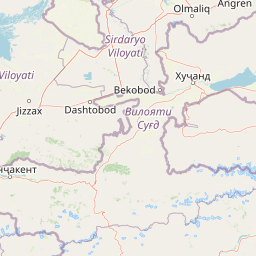
Map view of Zaamin National Park

Use this park location map to pinpoint Zaamin National Park in Uzbekistan, understand its exact geographic position, and read its mapped placement within the surrounding landscape more clearly.

Pigeon | © OpenStreetMap contributors

Location context for Zaamin National Park

Jizzakh Region
Recorded earthquake history

Explore Recorded Earthquake History Near Zaamin National Park

Examine a detailed, map-based record of past seismic activity associated with the rugged mountain terrain of Zaamin National Park. MoriAtlas provides a clear historical catalogue of events to support geographic research and regional context for this protected landscape.

Zaamin National Park Earthquake History

Catalogued events

24 events

Strongest magnitude

Magnitude 5.1

Most recent event

May 29, 2025

This history includes earthquakes recorded inside the park or within 50 km of its borders

Park atlas

Trace regional park geography and protected landscapes adjacent to Zaamin National Park.

Discover Nearby National Parks and Protected Areas Beyond Zaamin National Park's Turkestan Range

Continue park discovery by exploring national parks and protected areas near Zaamin National Park, tracing diverse mountain landscapes and ecological zones across Uzbekistan and Central Asia. Compare unique protected area characteristics, map regional park geography, and understand broader conservation efforts within this expansive atlas.
State or regional parkKyrgyzstan
About 83 km away#1 closest

East

Sarkent State Nature Park: A Protected Landscape in Kyrgyzstan's Tian Shan Mountains

Explore mapped boundaries and regional geographic context.

Sarkent State Nature Park is a key state or regional park situated within the dramatic mountain geography of Kyrgyzstan. Its designation protects a significant natural landscape, offering users a valuable point of reference for understanding regional protected areas and the intricate terrain of Central Asia. This detail entry provides context for its mapped boundaries and its place within the broader atlas of protected lands.

Watercolor illustration of a mountainous landscape with green valleys, a winding river, and distant purple mountains
National parkTashkent Region
181 km away#2 closest

Northeast

Ugam-Chatkal National Park: Mapped Alpine Landscapes of Uzbekistan's Tashkent Region

Explore protected mountain terrain and regional geography.

Ugam-Chatkal National Park is a vast national park located in the Tashkent Region of Uzbekistan, renowned for its spectacular alpine scenery and significant protected mountain landscapes. This protected area covers approximately 668,350 hectares, dominated by the imposing Ugam Range with peaks up to 4,000 meters. The park's terrain features a rich mosaic of ecosystems, from dense forests on northern slopes to more open southern exposures, offering a detailed look at mountain geography and biodiversity within a conservation context. Its designation as a national park underscores its critical role in preserving the natural heritage of this Central Asian region.

Area
6,683.5 km²
Established
1992
IUCN
II
Relief
Mountain
Watercolor painting of a landscape featuring green hills, grassy foreground, and distant mountains under a soft sky
National parkSouth Kazakhstan Region
238 km away#3 closest

Northeast

Sayram-Ugam National Park: Protected Landscape and Geographic Context in South Kazakhstan

Explore dramatic alpine terrain and ancient juniper forests.

Delve into Sayram-Ugam National Park, a protected national park situated in the South Kazakhstan Region. This expansive area showcases striking mountain topography with seven natural altitude zones, from mountain steppe to permanent snowfields. It is distinguished by its vast juniper forests and serves as a crucial conservation site for wild fruit and nut tree genetic diversity, offering a unique lens for understanding Central Asian mountain ecology and landscape context.

Area
1,490 km²
Established
2007
IUCN
II
Relief
Mountain
Nature reserveJalal-Abad Region
About 335 km away#4 closest

Northeast

Padyshata State Nature Reserve: Geographic Profile and Protected Forest Atlas

Chatkal Range ecosystems in the western Tien Shan

Covering 158 square kilometers, Padyshata State Nature Reserve is a strictly managed protected area defined by its vertical zonation, ranging from rocky mountain slopes to expansive juniper and Semenov fir forests. This geographic profile outlines the terrain, habitat structure, and the vital role of this reserve within the broader Kyrgyz forest conservation network.

Area
158.46 km²
Established
2003
IUCN
Ia
Relief
Mountain
State or regional parkKyrgyzstan
About 342 km away#5 closest

East

Kyrgyz-Ata State Nature Park: Protected Landscape Atlas and Regional Geography

Discover the mapped terrain and protected area identity within Kyrgyzstan.

Delve into the protected landscape of Kyrgyz-Ata State Nature Park, a state or regional park located in Kyrgyzstan. This page highlights its geographic significance, mapped park boundaries, and its role within the country's natural terrain. Gain a deeper understanding of its protected area status and its context within the broader Central Asian geography.

State or regional parkKyrgyzstan
About 358 km away#6 closest

Northeast

Kara-Buura State Nature Park: Kyrgyzstan's Protected Mountain Landscapes and Natural Terrain

Explore the mapped geography and protected area context.

Kara-Buura State Nature Park is a designated state or regional park within Kyrgyzstan, crucial for understanding the country's protected natural areas. Located in the Tian Shan mountain range, the park encompasses diverse alpine and semi-arid landscapes, typical of this high-altitude region. Its mapped boundaries and geographic setting provide valuable context for atlas exploration and appreciating the conservation efforts aimed at preserving Kyrgyzstan's natural heritage, offering a unique lens into the country's mountainous terrain.

IUCN
II
Nature reserveJalal-Abad Region
About 369 km away#7 closest

Northeast

Ryazan-Say Botanical Zakaznik: Protected Botanical Landscapes in the Jalal-Abad Region

Nature reserve geography and relict plant conservation in Kyrgyzstan

Ryazan-Say Botanical Zakaznik is a concentrated nature reserve dedicated to the survival of rare, relict subtropical flora. The protected area encompasses a narrow, steep-walled gorge system that funnels moisture to sustain species like wild fig and pomegranate. This site provides a critical reference for studying how sheltered mountain canyons maintain ecological diversity within the wider landscape of western Kyrgyzstan.

Area
1.1 km²
Established
1987
IUCN
IV
Relief
Upland
Protected areaKyrgyzstan
About 395 km away#8 closest

Northeast

Alatay State Nature Park Protected Area: Mapped Landscape and Regional Geography

Explore the protected boundaries and geographic context of this Kyrgyz natural landscape.

Alatay State Nature Park is a designated protected area within Kyrgyzstan, contributing to the country's vast network of natural landscapes. This page provides detailed geographic information, emphasizing the park's mapped boundaries and its role within the broader regional context of the Tian Shan mountains. It serves as a crucial point for understanding the park's landscape identity and its atlas-level significance as a protected natural territory in Central Asia.

Access
Access unknown

Common questions about visiting, size, designation, and location context for Zaamin National Park

Zaamin National Park FAQs for park facts, access, geography, and protected area context

Find quick answers about Zaamin National Park, including protected-area facts, park geography, trail and visitor context, and how the park fits into its surrounding country and regional landscape.
MoriAtlas Explorer

Continue Your Protected Areas Search Across the Global Atlas

Deepen your exploration by continuing the structured search for national parks and protected areas worldwide. Utilize the comprehensive filtering capabilities to compare different conservation landscapes and refine your understanding of global park geography. Discover more about the distribution and characteristics of protected natural areas.

Global natural geography