Why Zavidovo National Park stands out
Zavidovo is best known for its combination of expansive lowland forests, an unusually large share of wetlands and open water within a single protected area, and its role as the setting for the Russian presidential residence "Rus." The park is also distinctive for its origins as a Soviet-era elite hunting estate that evolved into a formal national park, making it one of the few Russian reserves shaped by such a political and institutional history. Ecologically, the park stands out for its mixed and coniferous forest cover interspersed with bogs and river systems, particularly the Shoshin Reach of the Moscow Sea, which serves as a major nesting and gathering area for waterfowl. Together these features make Zavidovo both an ecological stronghold on the Upper Volga Lowland and a notable example of how a once-private hunting territory became a formally protected national landscape.
Zavidovo National Park history and protected-area timeline
The territory around Zavidovo has a long association with elite hunting traditions in Russia. In the 1920s, the surrounding forests attracted spring hunting parties associated with early Soviet leadership, and on 5 July 1929 the Zavidovo military hunting estate of the Moscow Military District was established near the settlement of Kozlovo, initially spanning roughly 13,000 hectares of woodland. By 1931 the estate had received formal status as a military hunting ground, and over the following decade its managers introduced game species such as maral deer, sika deer, and wild boar from locations including Nalchik, the Russian Far East, and Latvia.
A reset came in 1951, when the military hunting estate was dissolved and its lands were transferred to a local woolen fabric factory. By the early 1960s a new initiative revived Zavidovo as a showcase hunting property, and during the era of Soviet leadership the estate became associated with high-level state hospitality, hosting visiting foreign leaders and serving as a favored recreation area for senior officials. The territory expanded steadily under Khrushchev and especially under Brezhnev, for whom dedicated facilities were built in Kozlovo, including a granite- and marble-clad cottage, a traditional timber terem, and a small luxury hotel with a cinema and billiards room. Large numbers of military personnel were assigned to manage the hunts, and a dedicated processing facility handled game for distribution to senior officials and guests.
In the early 1970s, under the supervision of Marshal A. A. Grechko, the estate underwent significant reconstruction. In 1971 and 1972 it was reorganized into a state scientific and experimental reserve, marking the formal beginning of Zavidovo's identity as a protected natural area rather than purely a hunting ground. In February 1992, President Boris Yeltsin decreed the creation of the State Complex "Zavidovo," merging the reserve with the official "Rus" presidential residence and placing the combined structure under the Federal Protective Service. A presidential decree of 18 August 1996 formally established the complex as a residence of the President of the Russian Federation, cementing its dual role as both a national park and a high-security state property that continues today.
Zavidovo National Park landscape and geographic character
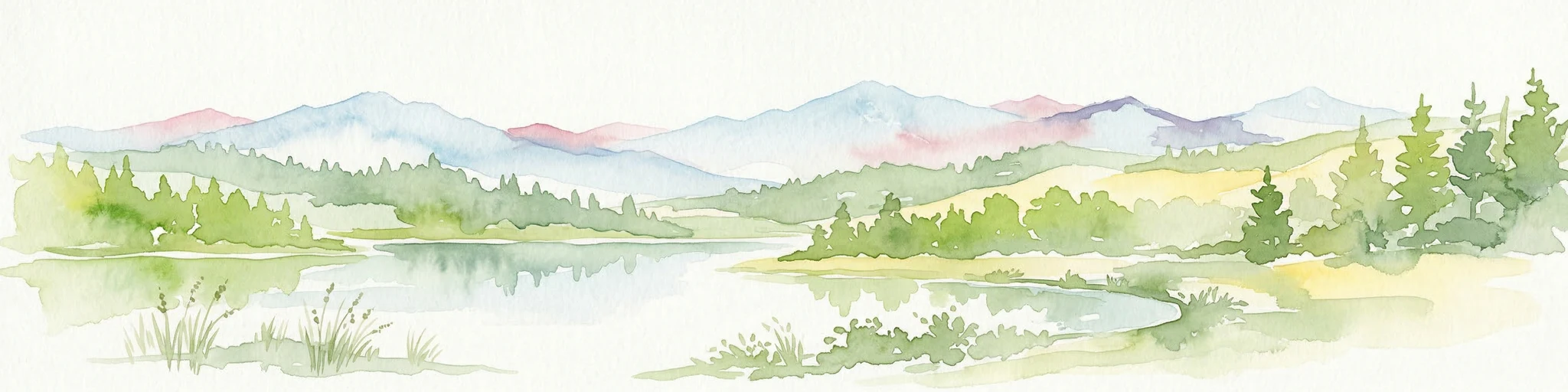
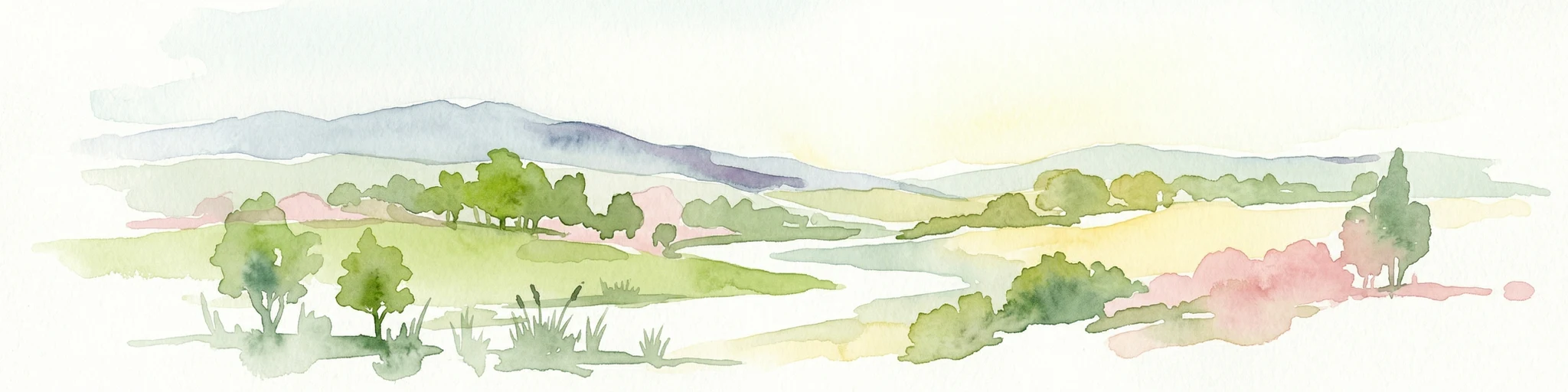
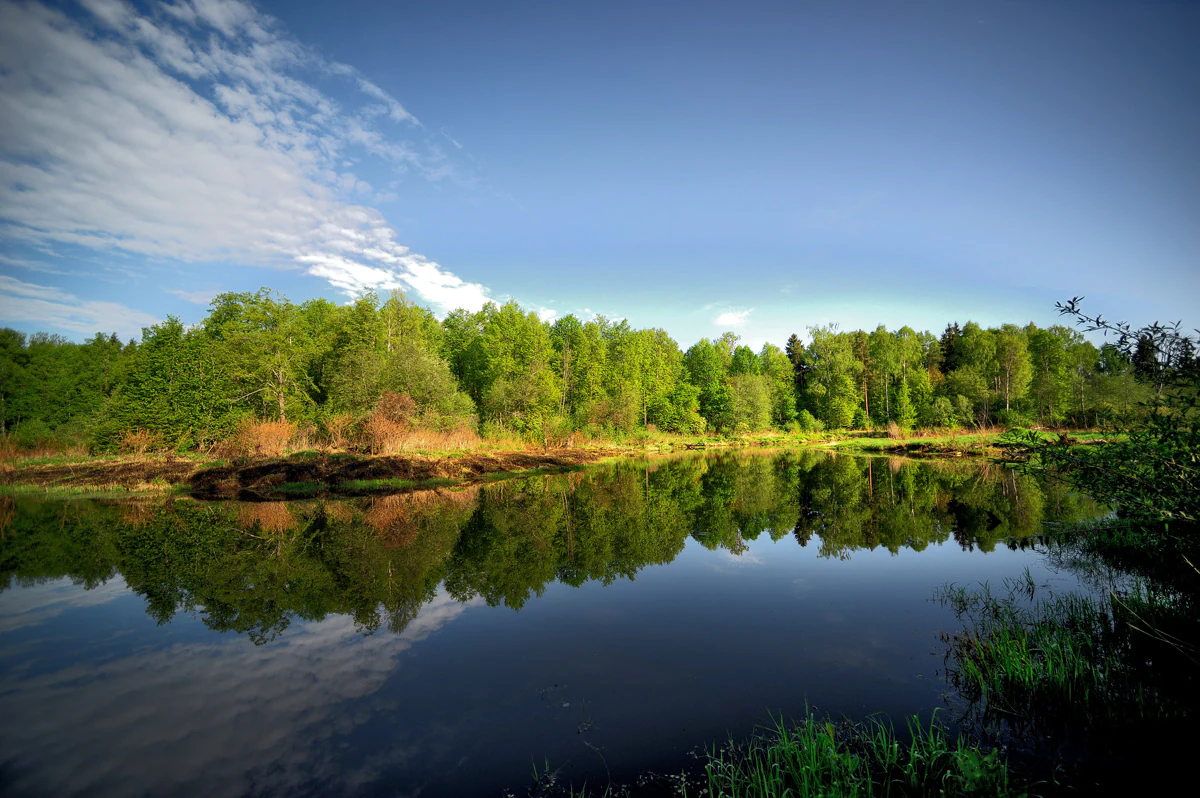
The terrain of Zavidovo National Park is best understood as a lowland mosaic rather than a single dramatic landscape. The park lies on the Upper Volga Lowland, a region shaped by glacial activity, where the relief is dominated by broad Moraine-based plains and gentle undulations. Average elevations stay below roughly 150 meters above sea level, placing the entire park firmly in the category of gently rolling, flat to moderately uneven terrain.
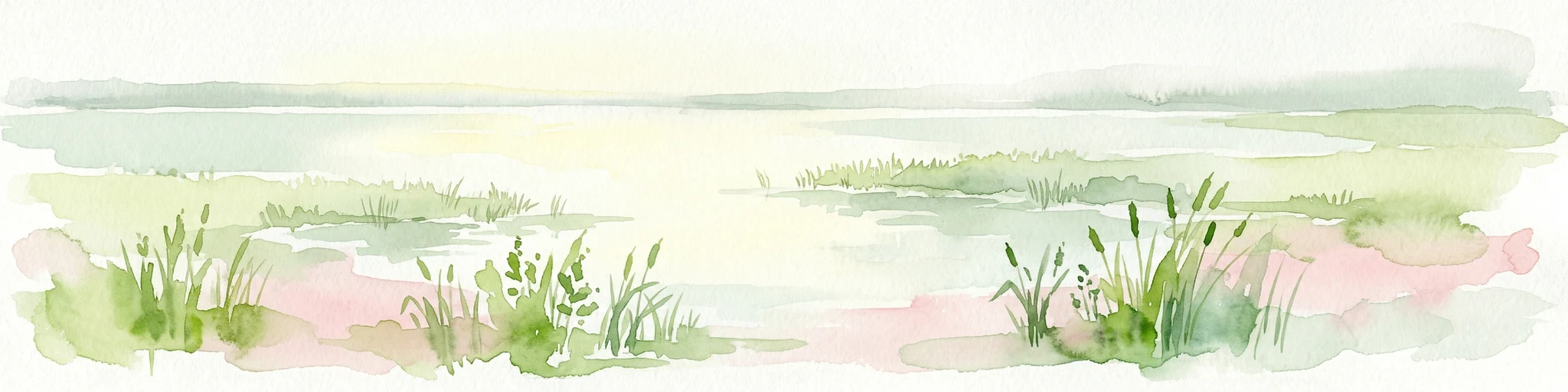
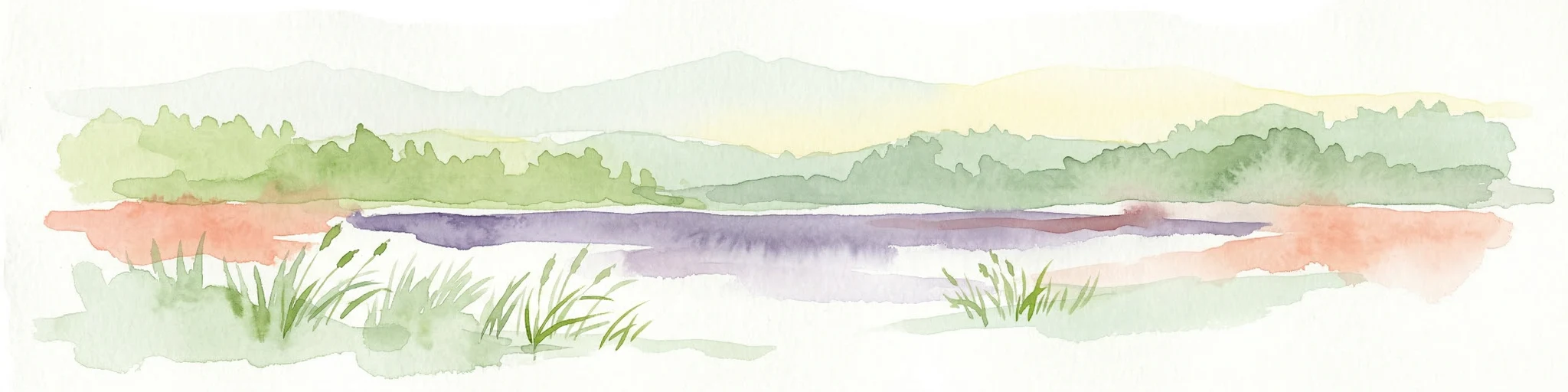
The most visually defining features of the park are its water elements. The Shoshin Reach of the Moscow Sea reservoir, part of the larger Ivankovo reservoir on the Volga, carves a broad open-water surface into the forested landscape. Several rivers wind through the area, with the Shosha, the Lama, and the Yauza being the most prominent. Their banks tend to be low and gentle, and their surroundings transition smoothly into floodplain meadows, bogs, and small lakes.
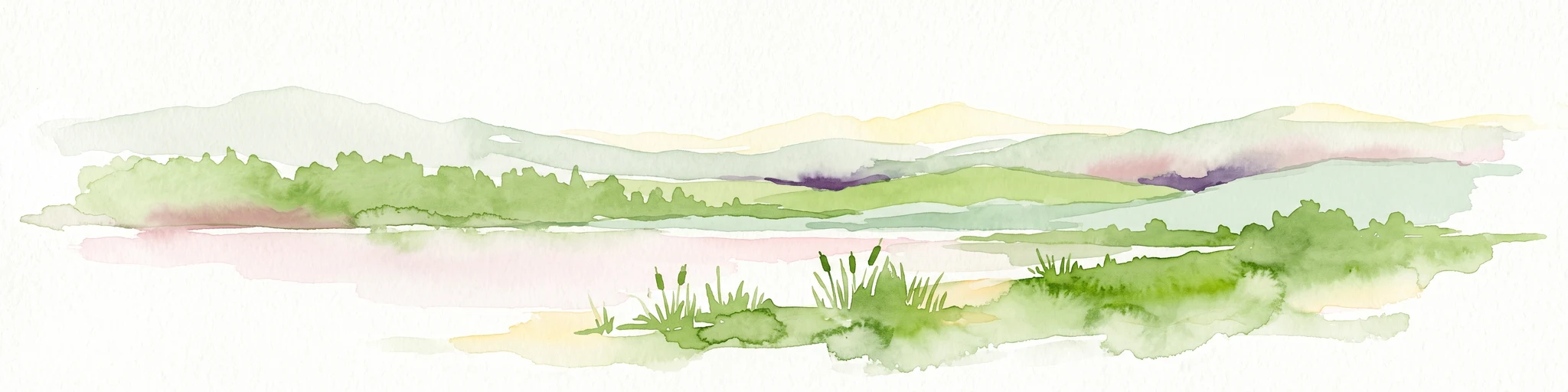
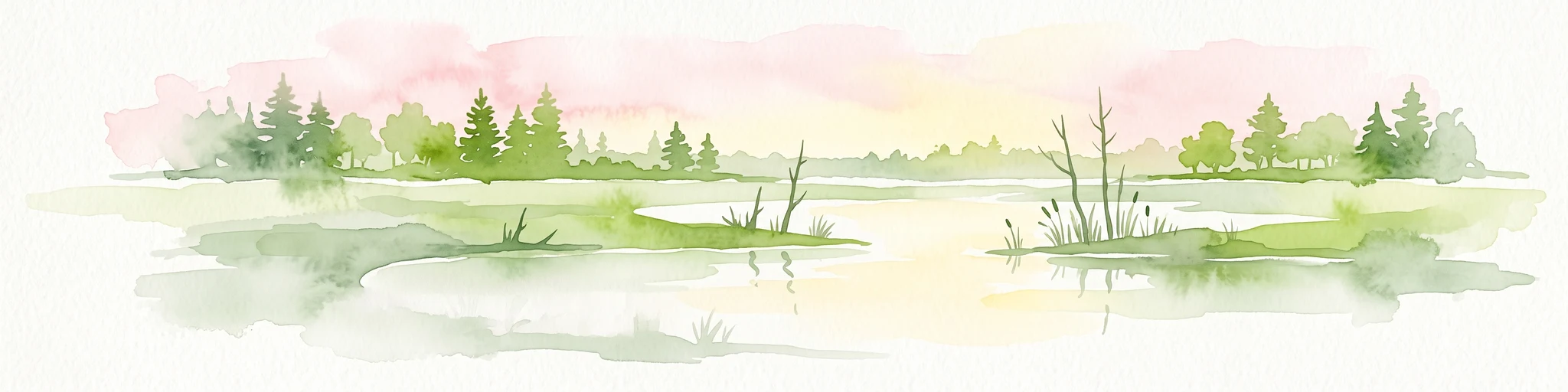
Wetlands are pervasive across the park. Bogs and marshy ground are widespread, and they blend into the riverine margins and the edges of the reservoir, creating a continuous gradient between open water, wet meadow, sedge marsh, and damp forest. The result is a landscape that feels open and soft rather than rugged, with long views over water and meadow, framed by bands of coniferous and mixed forest.
Forests make up the dominant backdrop. They are predominantly mixed and coniferous, with birch, pine, and spruce at the core and frequent stands of aspen and alder in wetter zones. Meadow openings interrupt the tree cover, especially near water bodies and along the river valleys, giving the park a layered, transitional character. The cumulative effect is a unified lowland landscape of forest, water, and wetland typical of the Upper Volga region's glacial past.
Zavidovo National Park ecosystems, habitats, and plant life
Zavidovo's ecological character is defined by the close coexistence of forest, wetland, and open water within a single large protected area. Roughly two-thirds of the park is forested, and most of those forests are mixed or coniferous, dominated by birch, pine, and spruce, with aspens and alders occupying wetter, lower-lying sites. The remainder of the territory consists of meadows that frame the rivers and reservoir, an extensive network of bogs and boggy lowlands, and roughly 1,100 hectares of standing water in lakes and reservoirs.
This combination produces a strongly transitional ecology. The contact zones between dry forest, marsh, meadow, and open water create a high diversity of habitats in a relatively compact space, supporting different plant communities from boreal coniferous stands to broad-leaved deciduous woodlands, aquatic vegetation in shallow reservoir margins, and bog flora in the more waterlogged depressions. The hydrological network, particularly the Moscow Sea reservoir and the river corridors of the Shosha, Lama, and Yauza, plays a central role in shaping these transitions.
The park's ecological identity is also influenced by deliberate historical management. Earlier introductions of maral deer, sika deer, wild boar, and beaver have shaped how the landscape functions today, with these species now established alongside native fauna. Vegetation patterns reflect not only natural succession and hydrology but also the legacy of long-term forestry and wildlife management, giving Zavidovo an ecological profile that sits between a strictly wild reserve and a traditionally managed forest landscape.
Because of its size and habitat diversity, the park acts as a significant ecological node on the Upper Volga Lowland, where intact forest cover and intact wetland systems increasingly coexist only in formally protected zones. The combination of forest, bog, and reservoir edge makes it an important refuge for both forest-dwelling species and water-associated species within a heavily populated region of European Russia.
Zavidovo National Park wildlife and species highlights
Zavidovo's wildlife reflects the diversity of its habitats and its history as a managed game estate. The park supports roughly four dozen mammal species, and the forest and wetland mosaic sustains a particularly rich community of ungulates and other game animals. Moose, roe deer, and wild boar roam the forested and wet lowland areas, while smaller carnivores and furbearers such as pine marten, ermine, weasel, and fox are also present. Brown bear and lynx, both characteristic of larger Russian forest tracts, are part of the mammal community as well.
Several species owe their local presence to deliberate introductions during the reserve's earlier incarnation as a hunting estate. Maral deer, sika deer, and beaver were brought in from regions including the Caucasus, the Russian Far East, and Latvia, and they remain part of the park's faunal profile. Among lagomorphs, both the mountain hare and the European hare are present, contributing to the prey base for the park's predators.
The birdlife of Zavidovo is shaped strongly by its extensive water bodies. Forest birds such as black grouse, capercaillie, hazel grouse, and grey partridge occupy the woodland edges and openings, while the reservoir and river corridors support major populations of waterfowl. Ducks are especially prominent on the Shoshin Reach of the Moscow Sea, with mallard, teal, shoveler, pintail, common pochard, common goldeneye, and tufted duck nesting and gathering in large numbers. These concentrations make the park's open water one of the most important ornithological features of the Upper Volga region.
Fish communities inhabit the rivers, smaller lakes, and reservoir margins, with species typical of central Russian lowland waters present. Together, the mix of large mammals, game birds, breeding waterfowl, and freshwater fish gives Zavidovo a wildlife profile that blends traditional Russian hunting heritage with contemporary conservation significance.
Zavidovo National Park conservation status and protection priorities
Zavidovo's conservation significance lies in its scale, its habitat composition, and its long-standing protected status. At roughly 125,000 hectares, it ranks among the larger national parks in the part of European Russia closest to Moscow, an area where intact natural landscapes have become fragmented by urbanization and agriculture. The park therefore preserves a substantial block of mixed and coniferous forest, an extensive wetland network, and a major portion of the Moscow Sea reservoir shore, providing ecological continuity that is increasingly rare at this latitude.
The protected area is divided into zones with differing levels of protection, including strictly protected, protected, and non-protected categories. This zonation concentrates the most sensitive habitats, particularly breeding areas for waterfowl and core forest stands, under tighter regulation, while allowing limited traditional land use elsewhere. The system helps balance conservation with the long-standing human presence in the area: the park contains around 90 settlements and roughly 20,000 residents.
A meaningful part of Zavidovo's conservation value comes from its wetlands and shoreline habitats. The combination of bog systems, river corridors, and the Shoshin Reach of the Moscow Sea creates conditions favorable to waterfowl breeding, fish spawning, and the long-term integrity of forest-wetland transitions. Protecting this mosaic contributes to broader ecological processes on the Upper Volga Lowland, not only within the park's borders but in the wider regional landscape.
The park also functions as a scientific and experimental reserve (a designation inherited from its 1971 to 1972 reorganization), supporting research on forest management, wildlife populations, and wetland ecology. This institutional role reinforces its conservation importance, ensuring that protection is paired with active study of the ecosystems the park was created to safeguard.
Zavidovo National Park cultural meaning and human context
Zavidovo's cultural context is closely bound up with its function as a managed hunting estate and a high-level state retreat. For much of the twentieth century, the territory around the settlement of Kozlovo operated as a showcase hunting property, first for the military and later for Soviet political leadership. The landscape was shaped by elite hunting traditions, with infrastructure such as lodges, service buildings, and game-processing facilities embedded within the forest. This legacy is still visible in the way the park is divided into access zones and managed as a complex rather than a purely open recreation area.
The association with Soviet and later Russian leadership gives the park a rare political and institutional dimension within Russia's network of protected natural areas. The presence of the "Rus" presidential residence within the park's borders links ecological protection with state symbolism, making Zavidovo a place where natural heritage and political heritage intersect. For visitors and researchers approaching the park from the outside, this dual identity is a defining part of how the territory is understood.
The park also retains a more everyday layer of human presence. Roughly 90 settlements lie within its boundaries, supporting communities whose interaction with the surrounding forest and wetlands forms a quieter, long-standing cultural backdrop. The combination of elite hunting heritage, state function, and ordinary rural settlement gives Zavidovo a layered cultural profile that distinguishes it from most other Russian national parks.
Top sights and standout views in Zavidovo National Park
Zavidovo's foremost highlight is its sheer scale and habitat density: a single large protected area where mixed and coniferous forests, sweeping meadows, and an exceptional network of bogs and lakes coexist. The Shoshin Reach of the Moscow Sea stands out as a defining feature, drawing large concentrations of nesting and migrating waterfowl and creating the park's most distinctive ornithological signature.
Equally distinctive is the park's institutional character. Few Russian national parks combine ecological protection with a presidential residence and a long history as a Soviet-era hunting estate, and Zavidovo's layered identity as reserve, experiment station, and state property makes it genuinely singular within the country's protected-area system.
For visitors interested in the natural character of the Upper Volga Lowland, the park showcases the typical features of this region: gentle Moraine-influenced relief, rich birch and pine forests, lowland rivers, and the broad open water of the Volga reservoir system. Together, these elements make Zavidovo a representative example of the central Russian lowland landscape and an important stronghold for the wildlife that depends on it.
Best time to visit Zavidovo National Park
Zavidovo's character shifts meaningfully with the seasons, and timing a visit depends heavily on what kind of landscape and atmosphere one hopes to experience. In the warmer months, the park's rivers, bogs, and reservoir margins come alive with breeding waterfowl, growing vegetation, and lush meadow growth, while the mixed forests offer dense, green canopy cover. Late spring and early summer tend to be especially rewarding for birdwatching, when nesting activity along the Shoshin Reach is at its peak.
Autumn brings a different palette to the park, with birch and aspen stands turning gold and the forest floors rich with mushrooms, a long-standing feature of central Russian woodland. Cooler temperatures also make travel through the region more comfortable and reduce the presence of biting insects that are common in the bogs and wet meadows during high summer.
Winter transforms the park into a quieter, more austere lowland landscape, with snow-covered forest, frozen wetlands, and smooth reservoir surfaces. This is traditionally a period when the surrounding region has been associated with hunting and other winter activities, though access to much of the park is regulated and parts of the territory remain closed due to the presence of the presidential residence. Visitors should expect that practical access to the core of Zavidovo is limited regardless of season.