Mori Atlas logo
Protection category

Discover Finland's Wilderness Area designation and its representative protected natural areas within national geography.

Finland Wilderness Area Protected Areas: IUCN Category Ib Parks and Natural Landscapes

This route delves into Finland's implementation of IUCN Category Ib, Wilderness Areas, focusing on protected lands that maintain their natural character, ecological integrity, and sense of wildness. Users can explore the geographic context of these large, unmodified protected areas within Finland, understanding their significance for preserving large-scale natural processes and remote landscapes. Discover the park recognized under this distinct category for its commitment to wilderness values and minimal human habitation.

Finland Wilderness Area Protected Areas: IUCN Category Ib Parks and Natural Landscapes
Parks in this category

A geographic overview of Finland's designated Wilderness Area protected areas, highlighting their distribution and conservation focus within the country.

Explore Finland's Wilderness Area National Parks: Discover Protected Landscapes by IUCN Category
Browse the comprehensive list of Finland's Wilderness Area protected areas, which are designated to preserve natural character and ecological integrity. This specific filtered view offers insight into the strict conservation landscapes across Finland's diverse northern regions.
National parkFinland

Lemmenjoki National Park

Explore mapped park boundaries and regional natural context.

Lemmenjoki National Park is a vital protected area situated within Finland's vast northern geography. This page details its designation as a national park, offering a clear view of its mapped boundaries and landscape character. Users can explore the park's geographic context within Finland and understand its contribution to the region's network of conservation lands, facilitating structured atlas-style discovery.

2,850 km²1956SubpolarRemote access
Country pattern

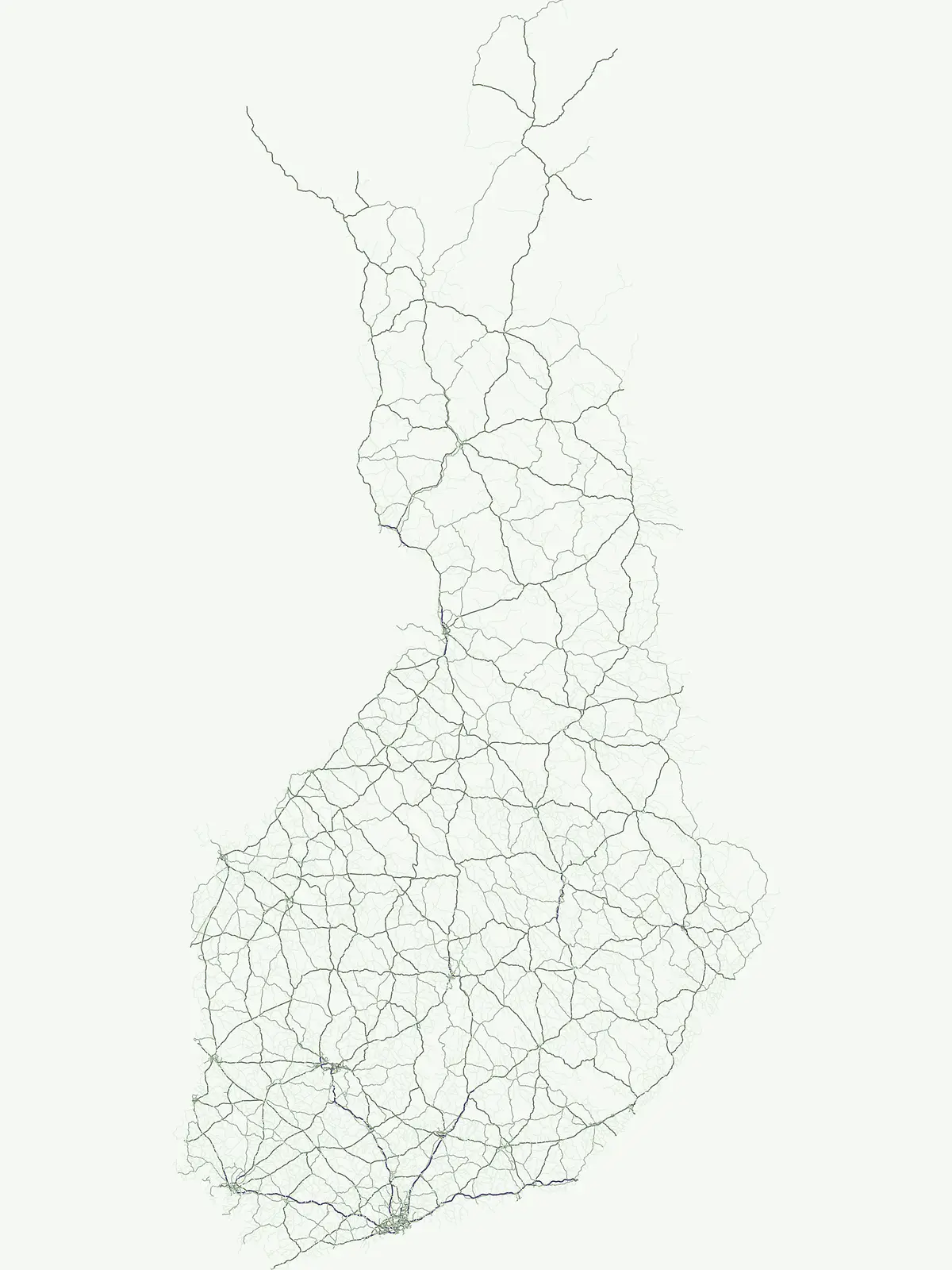
Explore IUCN Category Ib's defining characteristics in Finland, tracing intact boreal forests and vast Arctic wilderness across Nordic terrain.

Discover Finland's Wilderness Area Protected Landscapes and IUCN Category Ib Parks
IUCN Category Ib designates Wilderness Areas as large, largely unmodified protected landscapes, managed to preserve their natural character, ecological integrity, and sense of wildness. In Finland, these vital protected areas encompass extensive boreal forests and Arctic terrain, offering crucial geographic context for the nation's most remote and continuous conservation landscapes.

Matching parks

1

These parks and protected areas currently define how Wilderness Area appears across Finland.

Category focus

A usually large, unmodified or only slightly modified area protected to preserve its natural character, ecological integrity, and sense of wilderness without permanent or significant human habitation.

Representative parks

Lemmenjoki National Park
Management profile

Wild natural area

Wilderness Area
IUCN Category Ib is used for large areas where natural character, ecological continuity, and the experience of wildness are central to protection. A Wilderness Area is not defined merely by scenic value or low population density. It is protected because it remains largely free from industrial development, intensive infrastructure, and permanent or significant human settlement, and because preserving that condition is itself a major conservation goal. Category Ib sits close to Category Ia in its strong protection emphasis, but it is distinguished by scale, landscape continuity, and the explicit idea of wilderness as a value to be maintained.

Definition

A Wilderness Area is a usually large, unmodified or slightly modified protected area that retains its natural character and influence, without permanent or significant human habitation, and is protected and managed so as to preserve its natural condition. The category is intended for places where ecological systems, landscape-scale processes, and the quality of remoteness or naturalness remain largely intact. Protection is not only about species or habitat fragments, but about maintaining broad, continuous, self-willed landscapes in which nature can function with relatively little direct human control.

Key characteristics

Category Ib areas are generally extensive in scale and relatively free from modern intensive land use. They are often associated with large forests, tundra, deserts, mountain systems, polar landscapes, vast wetlands, marine areas, or other environments where ecological processes still operate across broad spatial scales. Permanent infrastructure is limited, settlement is absent or extremely low, and the area is not managed primarily for tourism development. Access may be possible, but it is usually low-impact and consistent with wilderness values. The defining traits are naturalness, size, ecological continuity, and the absence of significant permanent human modification. In many systems, these areas are especially important for wide-ranging species, climate resilience, natural disturbance regimes, and the preservation of places where people can still encounter nature on its own terms.

Management focus

Management in Wilderness Areas is generally light in visible intervention but strong in protection intent. The aim is not to intensively engineer ecological outcomes, but to maintain the area in a condition where natural processes can continue with minimal modern disturbance. Managers typically focus on preventing roads, industrial extraction, major facilities, fragmentation, and incompatible recreation patterns. Visitor use, where allowed, is often primitive, low-density, and carefully regulated to avoid degrading wilderness character. Monitoring, boundary enforcement, invasive species response, and in some cases restoration of previously disturbed areas may occur, but management usually tries to avoid creating a highly controlled or infrastructure-heavy landscape. The emphasis is on restraint, continuity, and preserving both ecological and experiential wildness.

Protection purpose

The purpose of Category Ib is to protect large natural areas where wilderness character, ecological function, and landscape-scale natural processes can persist with minimal modern human disturbance. It exists to conserve nature at a scale and condition that cannot be secured through smaller or more heavily managed sites alone.

Management objective

Typical objectives include maintaining large and relatively intact ecosystems, preserving wilderness character and naturalness, preventing fragmentation and industrial development, protecting wide-ranging species and ecological processes, allowing for low-impact human experiences compatible with wilderness values, and ensuring that long-term management does not erode the area's remoteness, simplicity, and ecological self-regulation.

Global context
Wider background behind Wilderness Area
This reference block covers the broader history and global examples that define Wilderness Area as an IUCN management category, rather than the country-specific park pattern shown elsewhere on the page.

Category history

The conservation idea behind wilderness protection developed alongside broader environmental movements that sought to preserve not only species and scenic landmarks but entire landscapes in a relatively unmodified condition. In several countries, wilderness became a distinct legal or policy concept tied to remoteness, natural character, and the absence of permanent development. Within the IUCN framework, Category Ib provided an international management category for this kind of protection, distinguishing large wilderness landscapes from stricter scientific reserves on one side and more visitor-oriented national parks on the other. Over time, the category also gained importance in conversations about indigenous stewardship, ecological connectivity, and the value of very large natural areas in a rapidly fragmented world.

Global examples

Examples commonly associated with Category Ib include large wilderness reserves in northern forests, mountain regions, arid landscapes, polar environments, and remote marine or island systems where natural character remains dominant and permanent human settlement is absent. Depending on the country, these may include legally designated wilderness areas, remote conservation estates, or very large protected tracts managed primarily to preserve wild conditions. Exact category assignments differ across national reporting systems, but the shared pattern is protection of large, mostly unmodified landscapes where nature remains the principal shaping force.

More categories

Compare Finland's national protected area categories, extending beyond Wilderness Areas to reveal the country's full classification spectrum.

Discover Finland's Diverse IUCN Protected Area Categories and Conservation Landscapes
Browse Finland's diverse protected area classifications, including National Parks and other vital conservation landscapes, to understand their varied geographic distribution. This national overview allows for direct comparison of each IUCN category's specific management goals and unique ecological characteristics within Finland's borders.

IUCN category ii

National Park

A large natural or near-natural protected area managed to safeguard ecological processes, characteristic species, and ecosystems while also supporting education, recreation, and compatible visitor use.

Example parks

Oulanka National Park, Urho Kekkonen National Park, Pallas-Yllästunturi National Park, Koli National Park, Nuuksio National Park, Archipelago National Park, Repovesi National Park, Hossa National Park, Pyhä-Luosto National Park, Őrség National Park

Understanding Finland's Diverse Park Geography, Boreal Forests, and Lake Region Protected Landscapes

Frequently Asked Questions About National Parks and Protected Areas in Finland
Explore common questions about Finland's national parks and protected landscapes, understanding their distribution across the country's vast boreal forests and extensive lakeland regions. Gain essential geographic context for the unique natural areas and conservation efforts that define Finland's commitment to preserving its pristine environments for future generations.
MoriAtlas Explorer

Continue Exploring Wilderness Area Protected Areas Across Finland's Geography

Deepen your understanding of Finland's commitment to preserving large, natural protected landscapes by exploring the specific Wilderness Area parks and their geographic context. This dedicated route supports detailed investigation into Category Ib protected areas, offering insight into how these wild spaces are defined and maintained across the nation's diverse terrain, distinct from broader country or category overview pages.