A broad Kattegat bay framing northern Jutland's coasts, fjords, and one of Denmark's largest protected bird areas.
Aalborg Bugt
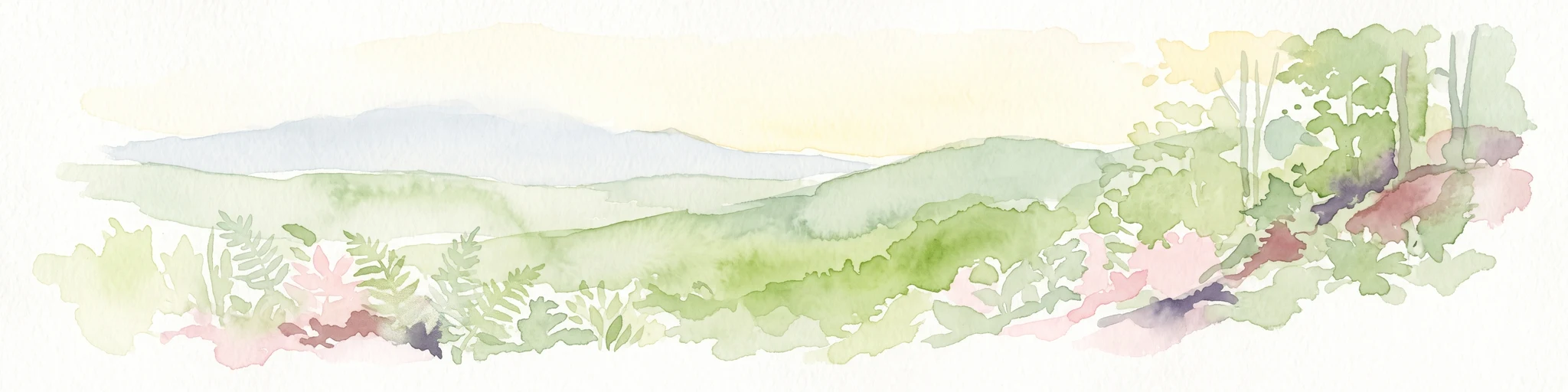
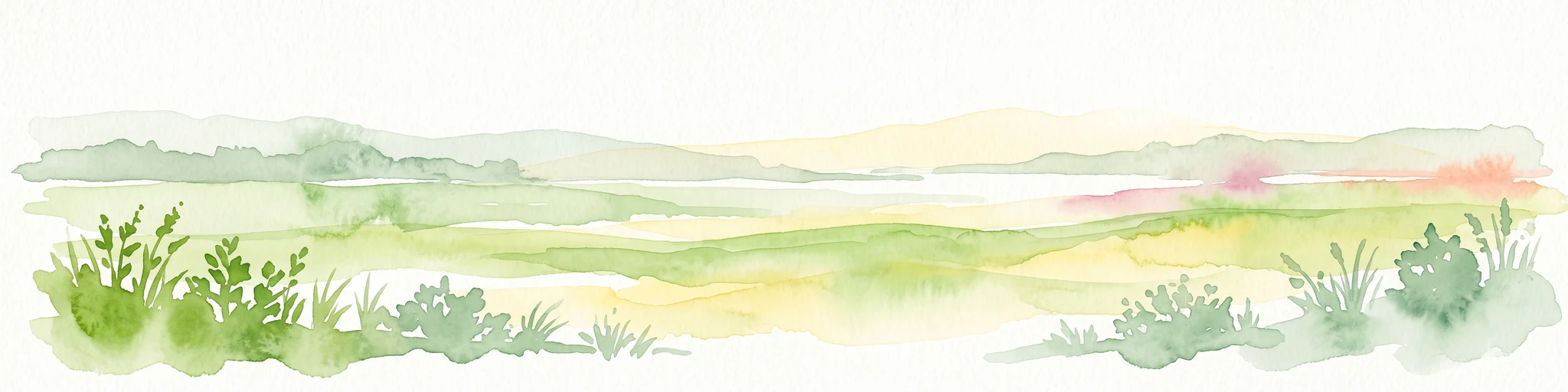
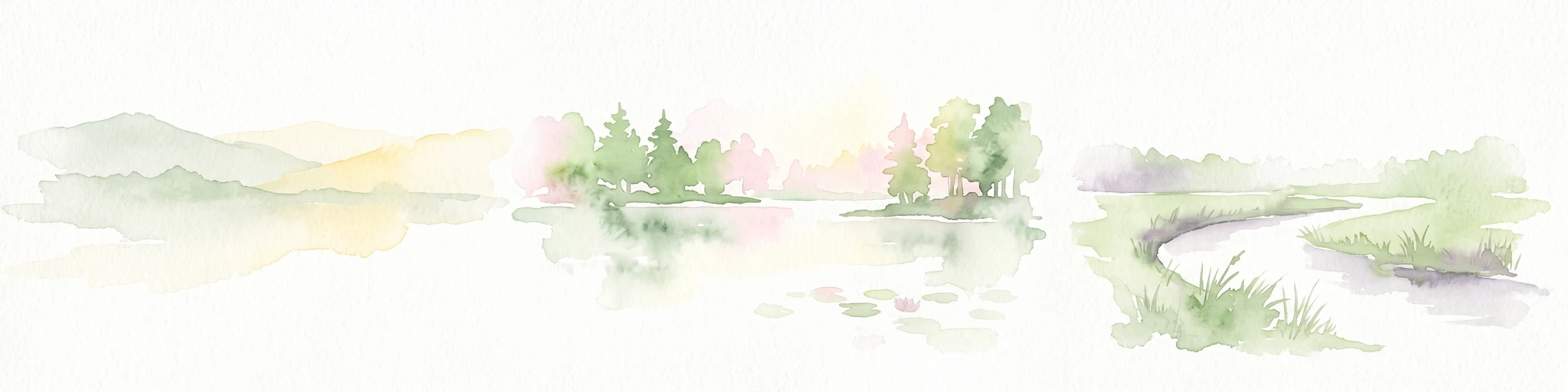
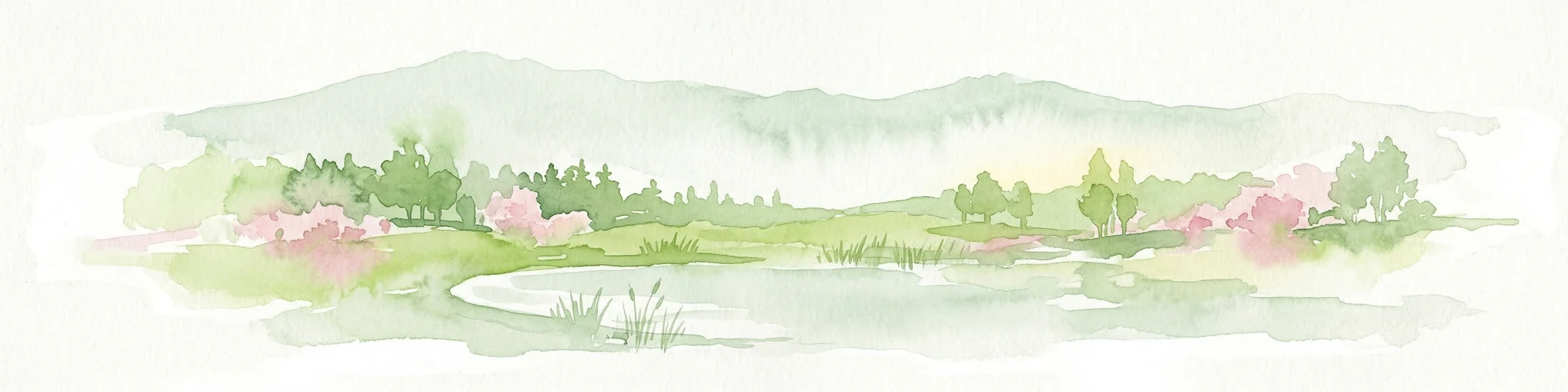
Aalborg Bugt is a wide bay in the Kattegat, opening east of northern Jutland in Denmark. It stretches roughly 80 kilometers along the coast, from Djursland in the south to the shallows off Stensnæs near Voerså in the north, and gives access to several major inland waterways: the Limfjorden, Mariager Fjord, and Randers Fjord. Along its shores lie the wetlands of Lille Vildmose, extensive dune landscapes, and long stretches of shallow coastal water that together form one of Northern Jutland's most important ecological complexes.
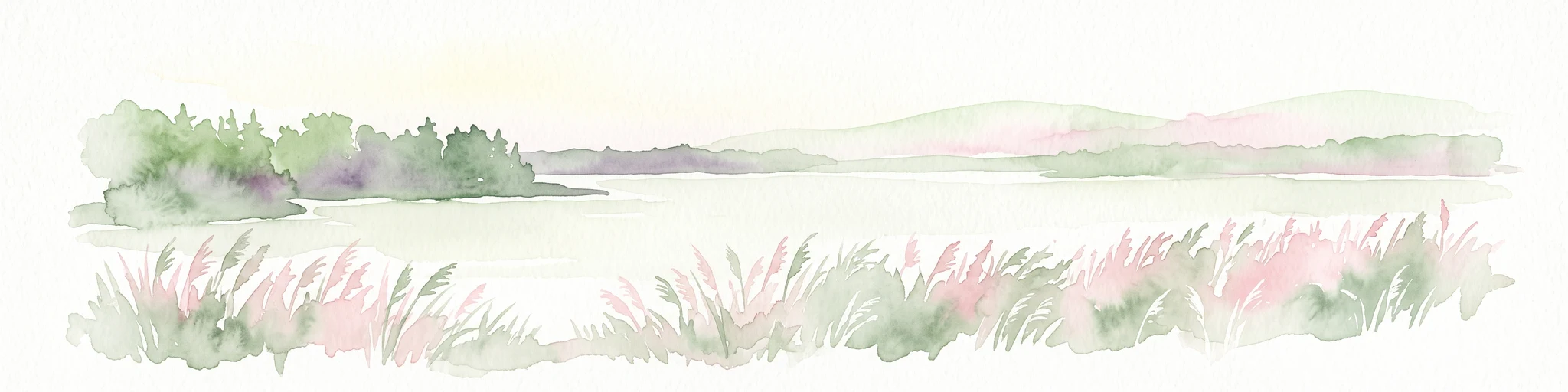
The bay and the surrounding fjord system together constitute Denmark's largest Natura 2000 area, designated for both birds and habitats. The shallow nearshore waters, salt meadows, dunes, and rich fens along the coast provide resting, feeding, and moulting habitat for enormous numbers of waterbirds throughout the year, especially in winter and late summer. The region's ecological importance is further underlined by its Ramsar designation and its status as an EU habitat area.
Beyond its conservation significance, Aalborg Bugt is a defining seascape for northern Denmark. Summer-house areas stretch between Hals, Hou near Øster Hurup, Als, and along the fjord approaches, linking the bay to everyday recreation. The combination of marine habitat, fjord systems, coastal wetlands, and long sandy shores makes the bay both a regional wayfinding landmark and a nationally important natural area.