
Why Anysberg Nature Reserve stands out
Anysberg is best known for its contrast of two plant kingdoms: Cape fynbos on the mountainous sandstone belt and succulent Karoo vegetation in the lower, drier valleys. The reserve protects a notable stretch of the Cape Fold Belt, where rugged ridgelines and steep sloots shelter endemic fynbos species alongside hardy succulents adapted to semi-arid conditions. It is also recognized for the reintroduction of game animals such as gemsbok, and for being a birding destination with around 180 recorded species. The presence of San rock art adds a further layer of cultural-heritage significance to the reserve's natural profile.
Anysberg Nature Reserve history and protected-area timeline
The land that now makes up Anysberg Nature Reserve was first set aside for conservation in 1984, building on the earlier designation of the Anysberg Mountain Catchment Area in 1978. Initial protection focused on the slopes and valleys below the mountain catchment, with the aim of securing an important block of fynbos and succulent Karoo vegetation within the Cape Fold Belt.
Following the original establishment, the reserve was extended multiple times, growing to its present scale of roughly 79,629 hectares. Alongside habitat protection, the reserve's founders pursued an explicit goal of reintroducing game species that historically occurred in the area, including plains-adapted animals such as gemsbok. This combination of botanical conservation and game restoration shaped the reserve's identity from its early years.
The reserve now forms part of the broader Gouritz Cluster Biosphere Reserve, linking its conservation work to a wider regional effort. Although the modern protected area is a product of late-twentieth-century conservation policy, the landscape itself carries older human history in the form of San rock art created by the region's earliest known inhabitants.
Anysberg Nature Reserve landscape and geographic character
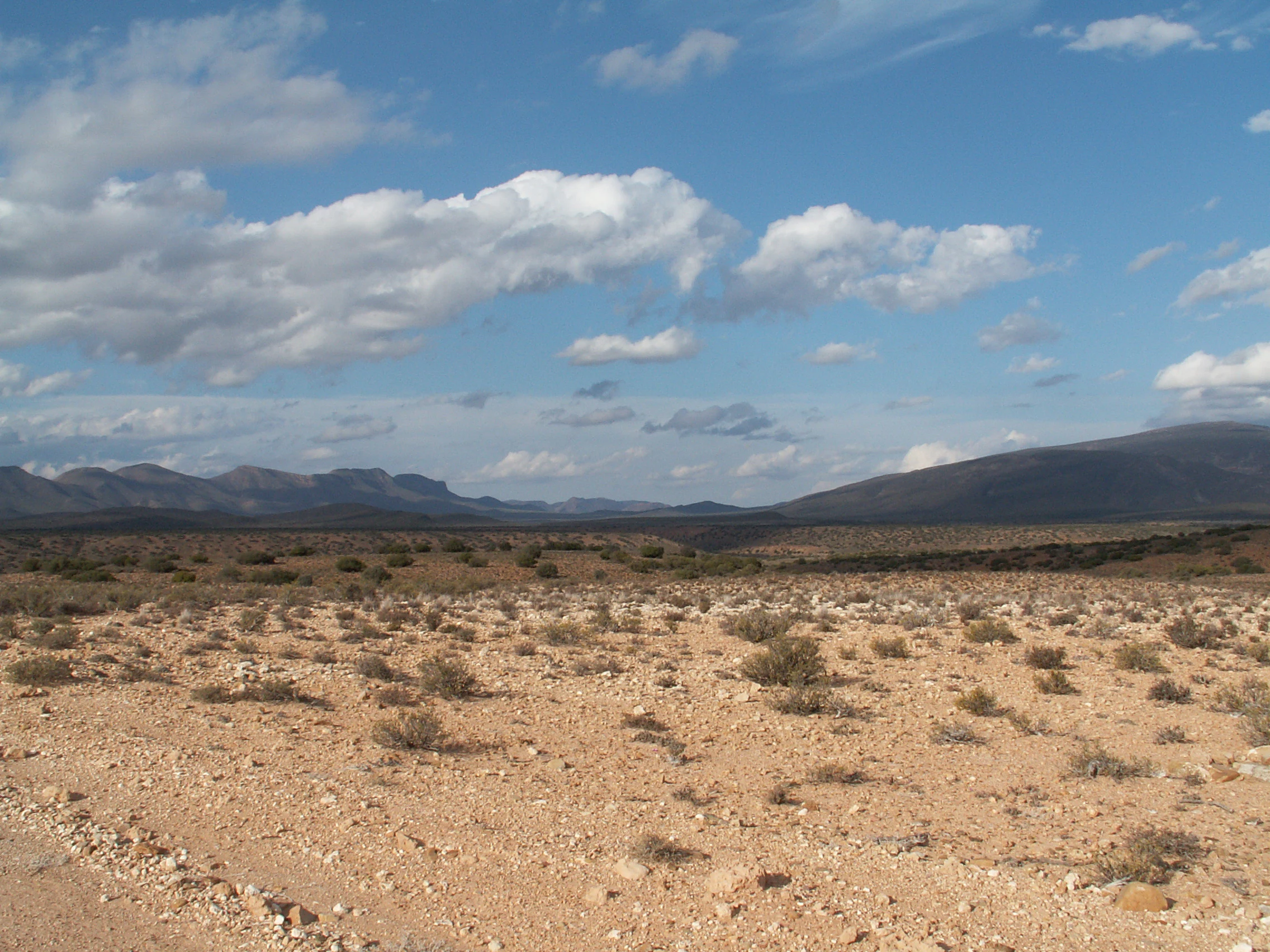
Anysberg's landscape is shaped by the Cape Fold Belt, a system of folded sandstone mountains that runs through much of the southern Cape. The reserve contains rugged ridgelines, deep valleys, and steep, eroded sloots descending toward dry river courses. The central massif, the Anysberg itself, gives the reserve its name and forms a dominant visual feature over much of the property.
The terrain is semi-arid, with rainfall low enough to favor hardy, drought-adapted vegetation. Three rivers feed the reserve, sustaining ribbons of greenery along their courses and providing focal points for wildlife in an otherwise dry environment. The interplay of bare rock, weathered slopes, and low vegetation creates a stark but visually rich Karoo landscape distinct from the lush forests or coastal scenery found in other parts of the Western Cape.
At lower elevations the valley floors broaden and soften, while on the upper mountain slopes the terrain becomes more rugged and exposed. This topographic range supports different vegetation types across relatively short distances, giving the reserve a layered physical character: mountain, slope, and valley, each with its own geological and visual identity.
Anysberg Nature Reserve ecosystems, habitats, and plant life
Anysberg lies at a transition zone between two major vegetation biomes of southern Africa. On the higher terrain of the Cape Fold Belt, fynbos dominates, with fine-leaved, sclerophyllous shrubs and a famously high plant diversity concentrated in a globally distinctive shrubland ecosystem. Fynbos species here are adapted to nutrient-poor sandstone soils, periodic fire, and a Mediterranean-style climate of wet winters and dry summers.
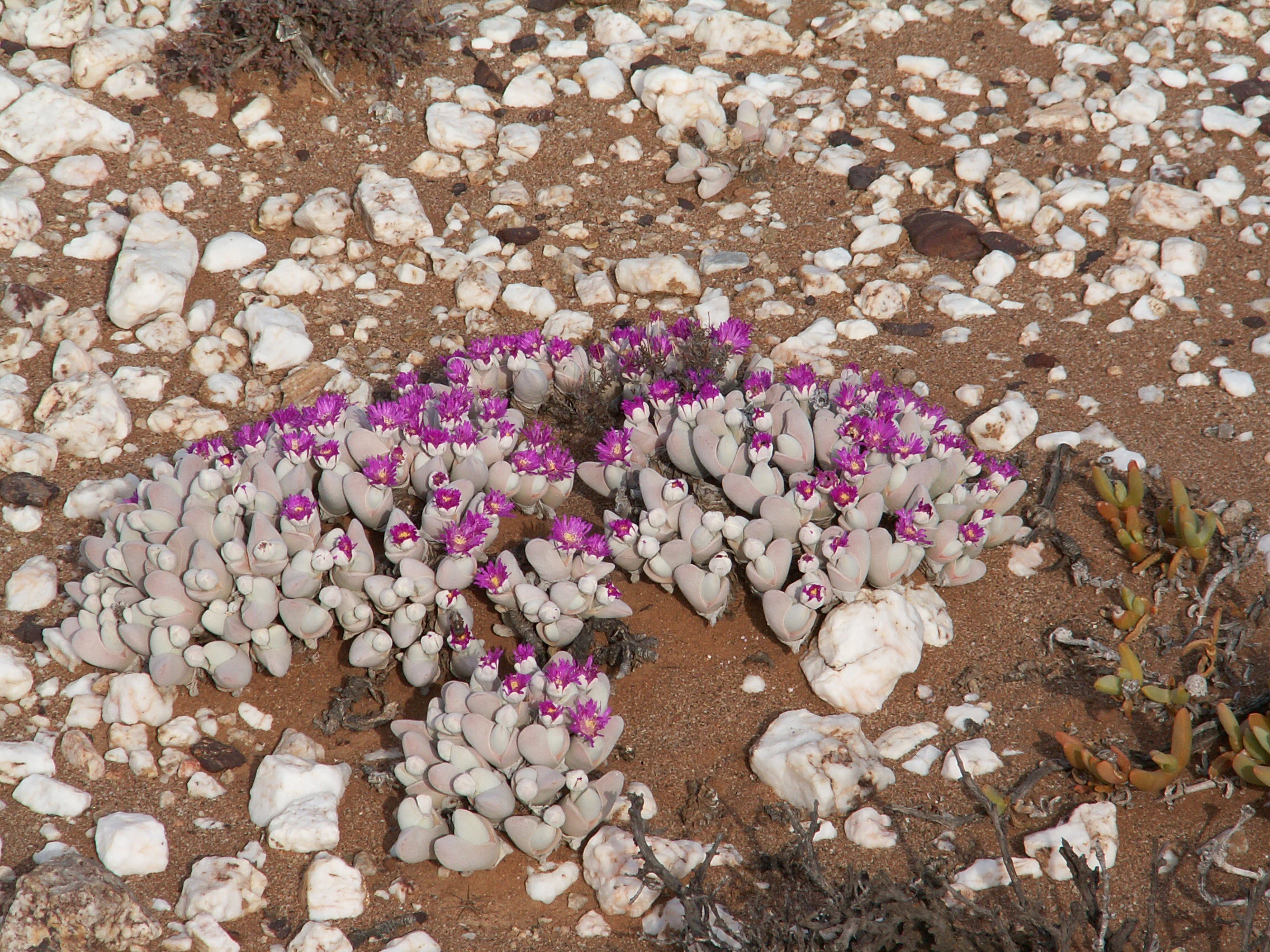
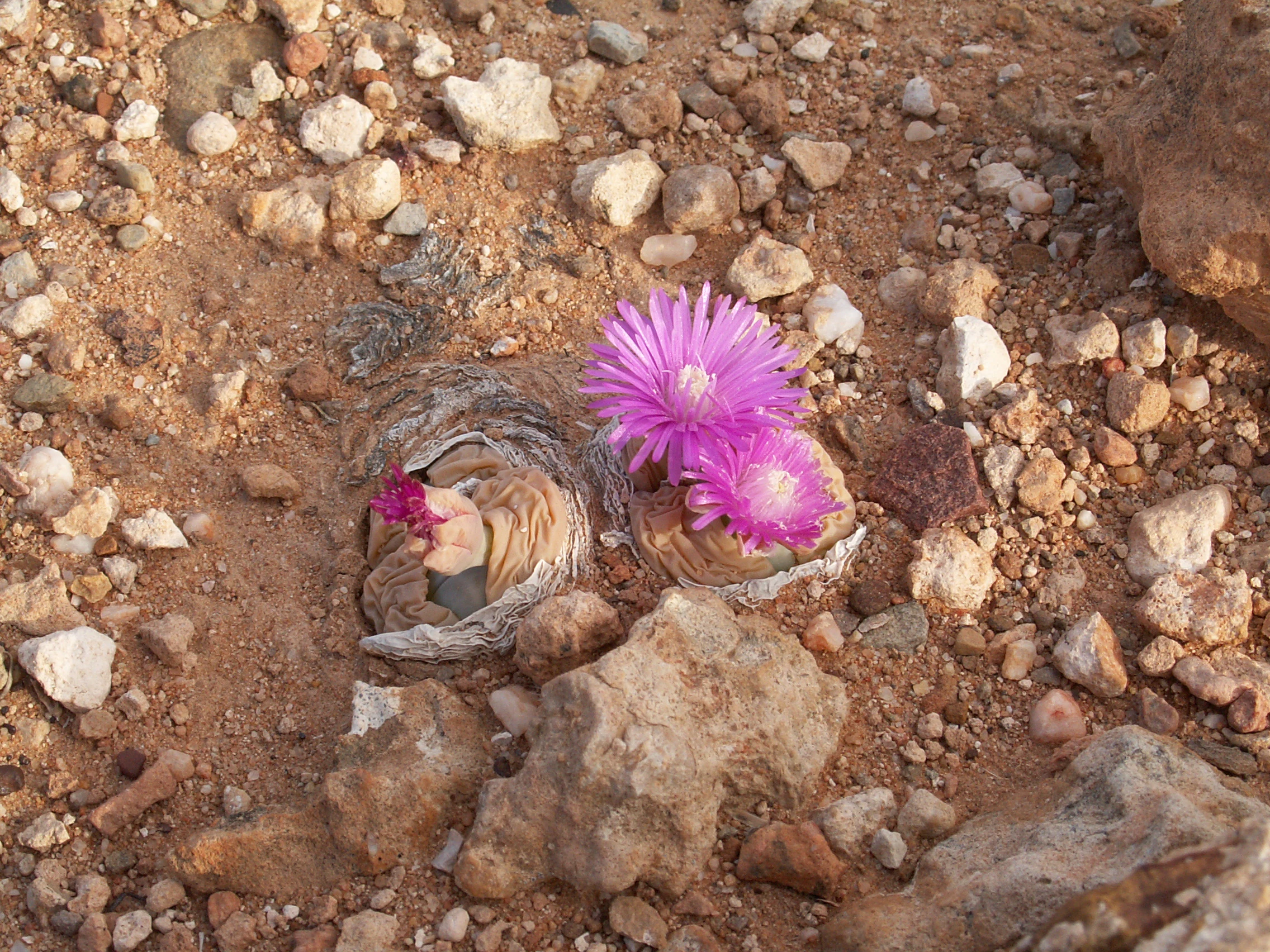
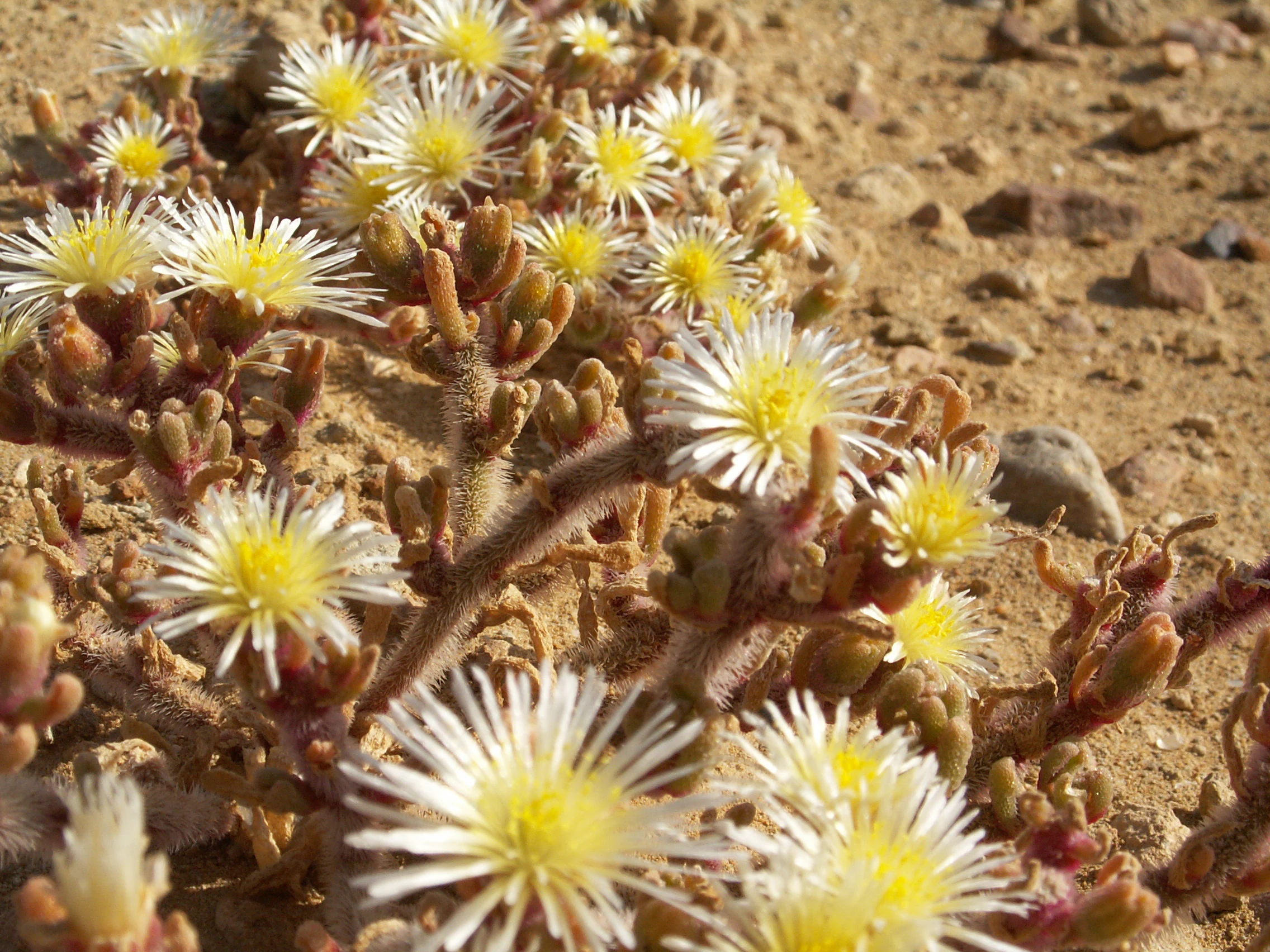
In the lower valleys, vegetation shifts to the succulent Karoo biome, one of the world's most diverse arid plant regions. Hardy succulents, low ground cover, and sparse shrubs dominate, with genera such as Gibbaeum contributing to the reserve's reputation for interesting succulent flora. This biome is adapted to extremely low rainfall, large temperature swings, and bright sunlight.
Together, these two biomes make Anysberg an important site for understanding how fynbos and succulent Karoo meet, intermingle, and respond to elevation and soil differences within a single reserve. The riparian zones along the reserve's three rivers add a further layer of ecological contrast, supporting wildlife movement and serving as natural corridors through the otherwise dry landscape.
Anysberg Nature Reserve wildlife and species highlights
Game reintroduction has been an important focus at Anysberg, and the reserve is home to species such as gemsbok, the large antelope adapted to arid, open environments that has become closely associated with the reserve's identity in photographs and visitor materials.
Birdlife is one of the reserve's strongest biological features. Roughly 180 bird species have been recorded, drawing birdwatchers interested in Karoo and fynbos-edge species. The combination of mountain, valley, and river habitats creates a range of niches for both resident and possibly migratory species, making the reserve attractive to birders who value species variety in a single location.
San rock art within the reserve also documents historical relationships between people and wildlife in this landscape, providing cultural evidence of the animals that shaped life in the Little Karoo long before the reserve was formally established.
Anysberg Nature Reserve conservation status and protection priorities
Anysberg Nature Reserve was established specifically to conserve the succulent Karoo and fynbos flora of a significant portion of the Cape Fold Belt, both of which are conservation priorities at regional and global scales. Fynbos is recognized as a global biodiversity hotspot, and the succulent Karoo biome is among the most arid yet biologically rich regions in southern Africa. Protecting a sizable area where these two biomes intersect gives Anysberg particular conservation value.
Game reintroduction adds a second dimension: restoring the historical mammal fauna of the area supports broader ecosystem functioning and represents a tangible effort to reverse earlier wildlife losses in the Little Karoo. Inclusion in the Gouritz Cluster Biosphere Reserve further embeds the reserve in a landscape-scale conservation framework, connecting its management to wider ecological and biodiversity efforts in the southern Cape.
Management by CapeNature supports ongoing habitat protection, biodiversity monitoring, and visitor access, balancing conservation outcomes with low-impact tourism and education.
Anysberg Nature Reserve cultural meaning and human context
The San rock art found within Anysberg Nature Reserve is one of the reserve's most distinctive cultural features. Created thousands of years ago, the paintings connect the landscape to the earliest known human inhabitants of the region and offer insight into how people understood and engaged with this semi-arid mountain environment.
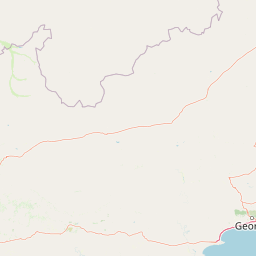
The reserve sits among small agricultural and pastoral towns of the western Little Karoo such as Laingsburg and Ladismith, where modern land use is shaped by sheep farming and the challenging climate. Anysberg represents a complementary conservation landscape within this broader rural setting, offering both ecological protection and a link to the deeper human history of the western Cape interior.
Top sights and standout views in Anysberg Nature Reserve
Anysberg's most distinctive highlight is the presence of both fynbos and succulent Karoo within a single protected area, with elevation and soil differences creating clear transitions between these two vegetation types. The reserve's position in the Cape Fold Belt, combined with its network of three rivers, gives it a remarkable topographic and ecological diversity despite its semi-arid setting.
Equally notable is the reserve's combination of botany, wildlife, and heritage: reintroduced game such as gemsbok, an exceptionally rich bird list of around 180 species, and ancient San rock art sites all contribute to a layered experience that goes beyond scenery alone.
Best time to visit Anysberg Nature Reserve
Anysberg's climate is semi-arid, with relatively mild winters and warm to hot summers. Spring can be a rewarding time to visit, when lower rainfall from the previous winter supports fresh growth and flowering among both fynbos shrubs and Karoo succulents. Cooler winter months offer the most comfortable conditions for hiking and exploring the rocky landscape, while summer visits bring heat and intensified aridity, especially in open valley areas.
Because the reserve is at the interface of two Mediterranean-influenced biomes, seasonal conditions can shift the character of the visit: the contrast between green, flower-rich periods and dry, sun-baked periods is part of what shapes the Little Karoo experience.