Why Betla National Park stands out
Betla National Park is renowned as one of India's oldest tiger reserves and the only national park in Jharkhand. It is particularly famous for its healthy tiger population, which was among the first to be protected under Project Tiger in 1974. The park is also notable for its significant elephant herds, reliable leopard sightings, and the presence of gaur, the largest wild cattle species in the world. The combination of sal-dominated forests, riverine grasslands, and the presence of multiple apex predators makes it a premier wildlife destination in eastern India.
Betla National Park history and protected-area timeline
Betla National Park's modern conservation history began in 1974 when it became one of the first nine tiger reserves established under India's landmark Project Tiger initiative. This early inclusion reflected the park's significant tiger population and the ecological importance of its forest habitats. In 1989, the park achieved another milestone when the entire Palamu Tiger Reserve was declared a UNESCO World Heritage Site tentative entry, recognizing its outstanding universal value as a tiger conservation landscape. The park's development over subsequent decades included the construction of tourist infrastructure such as watch towers and safari routes, while maintaining its core conservation mandate. The historical significance of the region extends beyond wildlife protection to include the nearby Palamu Fort, a 17th-century structure built by the Chero dynasty, which represents the human heritage nested within this natural landscape.
Betla National Park landscape and geographic character
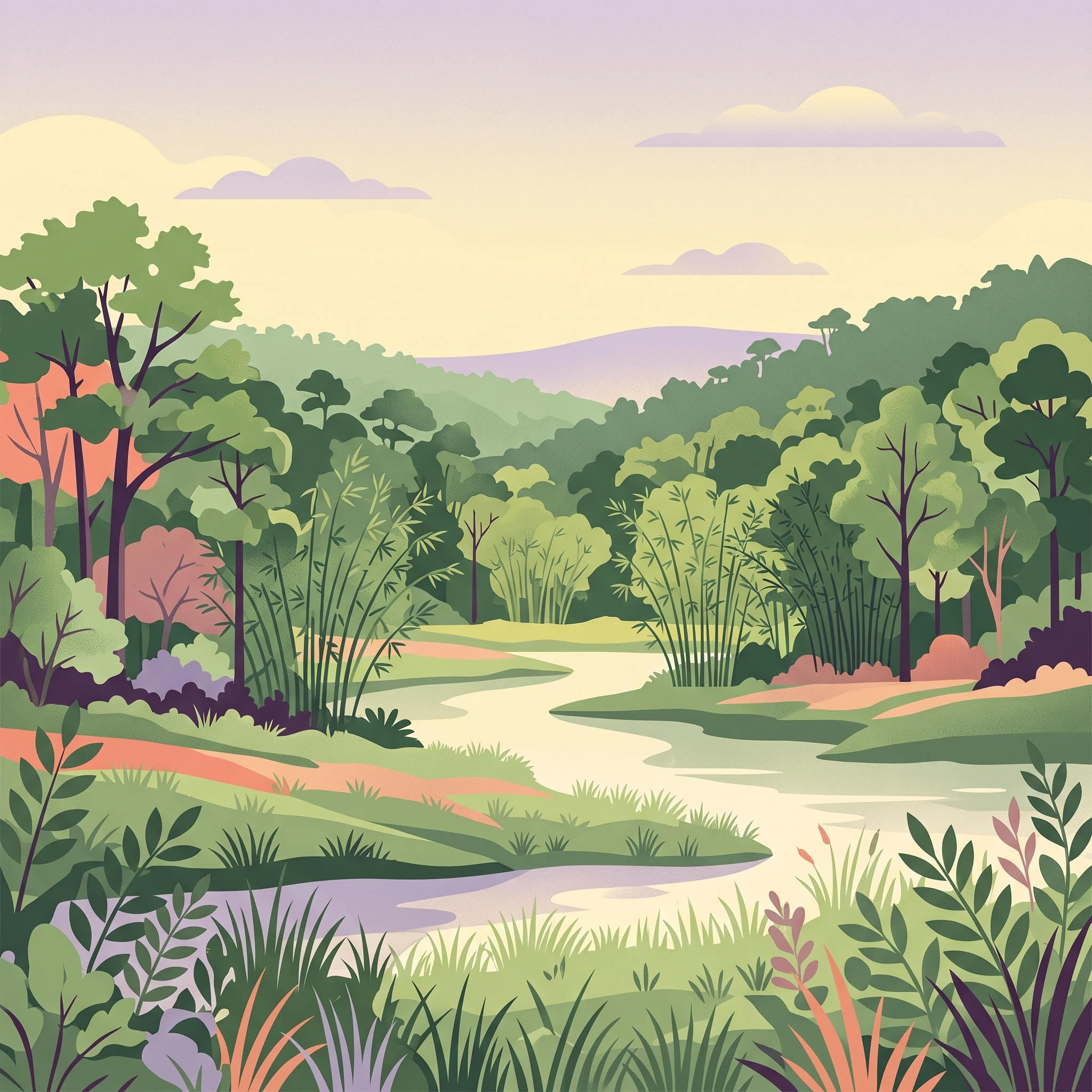
The physical landscape of Betla National Park is characterized by rolling hills and undulating terrain typical of the Chota Nagpur Plateau region of eastern India. The terrain varies in elevation, creating a diverse habitat mosaic that supports multiple forest types and wildlife communities. The North Koel River and its tributaries traverse the northern portion of the park, carving through the landscape and creating valuable riverine grassland habitats that attract large herbivores and their predators. These water bodies provide critical water sources for wildlife during the dry season and support distinct ecological communities along their banks. The forest cover consists primarily of dense sal trees, India's most economically and ecologically important timber species, interspersed with extensive bamboo brakes that create thick, inaccessible cover for many wildlife species. The combination of forest, grassland, and aquatic habitats makes this landscape unusually diverse for a single protected area.
Betla National Park ecosystems, habitats, and plant life
The ecological character of Betla National Park is defined by its mixed deciduous forest ecosystem dominated by sal and bamboo, one of the most species-rich forest types in India. These forests support a remarkable density of wildlife, with the park's position in the central Indian landscape making it a critical corridor for tiger movement between reserves in different states. The riverine grasslands along the North Koel River represent a distinct habitat type within the park, providing open grazing areas for chital, sambar, and gaur that contrast with the dense forest interiors. The bamboo forests play a particularly important role in supporting wildlife, as this plant species provides food and shelter for elephants, primates, and many smaller mammals. The park's biodiversity extends beyond large mammals to include numerous reptile species, amphibians, and invertebrates that thrive in this protected environment.
Betla National Park wildlife and species highlights
Betla National Park hosts an impressive array of mammalian species, with the tiger and leopard representing the apex predators that define the park's conservation identity. The elephant population is particularly significant, with herds regularly moving through the park's forested areas and providing visitors with excellent viewing opportunities. Gaur, the world's largest wild cattle species, are commonly seen grazing in forest clearings and grasslands, while chital and sambar deer form the primary prey base for the park's large predators. The park also supports populations of nilgai (blue bull), muntjac (barking deer), wild boar, and several smaller carnivores including jackals, wolves, hyenas, and sloth bears. Primate species are well-represented, with langurs and rhesus monkeys frequently encountered. The bird life is equally diverse, featuring the striking great Indian hornbill, peafowl, black partridge, white-necked stork, and the rare forest owlet, among many other species.
Betla National Park conservation status and protection priorities
Betla National Park represents a cornerstone of wildlife conservation in eastern India, serving as a critical stronghold for Bengal tigers in a region where habitat fragmentation threatens many species. The park's status as a Project Tiger reserve since 1974 has ensured sustained funding and management attention, contributing to the survival of one of India's most viable tiger populations outside the well-known central Indian reserves. The park's inclusion within the larger Palamu Tiger Reserve creates a conservation landscape exceeding 1,100 square kilometers, providing sufficient area to support viable populations of wide-ranging species like tigers and elephants. The park's riverine ecosystems and sal forests also store significant carbon stocks and provide watershed benefits for downstream communities, adding environmental services to its conservation value.
Betla National Park cultural meaning and human context
The region surrounding Betla National Park holds historical significance through the nearby Palamu Fort, a 17th-century structure built by the Chero dynasty that ruled the region before British colonization. This historical site demonstrates the long human presence in this landscape and provides visitors with cultural context beyond wildlife viewing. The local communities in the Jharkhand region maintain traditional relationships with the forest, though the establishment of the protected area has shaped land use patterns and local livelihoods. The park's name itself, derived from local wildlife, reflects the cultural significance of the animals that inhabit this landscape.
Top sights and standout views in Betla National Park
Betla National Park offers exceptional wildlife viewing opportunities in one of India's less-visited tiger reserves, making it ideal for travelers seeking authentic wilderness experiences away from more crowded destinations. The park's reliable tiger sightings, combined with regular elephant encounters and the possibility of spotting leopards, gaur, and diverse deer species, create a comprehensive wildlife experience. The historical Palamu Fort adds cultural interest for visitors combining natural and heritage tourism. The park's well-developed jeep safari infrastructure and watch towers provide structured opportunities to explore different habitats and observe wildlife behavior.
Best time to visit Betla National Park
The optimal visiting season for Betla National Park runs from November through May, with the winter months from November to February offering the most comfortable temperatures and the best wildlife viewing opportunities as animals congregate around remaining water sources. The summer months of March to May can be extremely hot but often produce the most concentrated tiger sightings as animals seek water at the few remaining watering points. The monsoon season from June to October brings heavy rainfall to the region, limiting safari operations and making the park less accessible for visitors. The winter months are particularly recommended for birdwatching, as numerous migratory species join the resident bird population and the deciduous trees lose their leaves, improving visibility through the forest.