Mori Atlas logo
National parkBoucle du Baoulé National Park

Discover the geographic identity and mapped natural terrain of this important national park.

Boucle du Baoulé National Park: Protected Landscape and Atlas Exploration in Kayes Region

(Parc National de la Boucle du Baoulé)

Boucle du Baoulé National Park represents a significant protected area within the Kayes Region of Mali, offering users a unique opportunity for atlas-driven discovery. This page delves into the park's mapped boundaries and its place within the regional geography, providing essential context for understanding its protected landscape. Explore the natural terrain and geographic features that define Boucle du Baoulé National Park, essential for a comprehensive atlas exploration.

Sahel protected arearock art sitesWestern chimpanzee habitatbird conservation areaUNESCO Biosphere Reservesavanna ecosystem

Boucle du Baoulé National Park

National park

Park overview

Structured park overview, official facts, and landscape profile for Boucle du Baoulé National Park

Boucle du Baoulé National Park park facts, protected area profile, and essential visitor context
Review the core facts for Boucle du Baoulé National Park, including designation, size, terrain, visitor scale, habitats, and operating context in one park-focused overview.

About Boucle du Baoulé National Park

Boucle du Baoulé National Park represents one of Mali's most ambitious conservation initiatives, created to preserve the nation's diminishing natural heritage in the face of ongoing environmental challenges. The park's establishment in 1982 reflected growing concern about the ecological degradation affecting much of sub-Saharan Mali, where drought conditions and excessive grazing have dramatically altered traditional ecosystems. The protected area forms part of a coordinated conservation network that includes Badinko Faunal Reserve to the southwest, Fina Faunal Reserve to the south, Kongossambougou Faunal Reserve to the northeast, and Bossofola Forest Reserve. This complex of protected areas represents the primary repositories of Mali's remaining wildlife habitats, encompassing the country's most significant populations of large animals. The park's territory includes diverse habitats ranging from near-desert conditions to gallery forests along seasonal watercourses, creating a mosaic of environments that support varied species assemblages. Despite its protected status, the park faces persistent challenges from illegal hunting activities and encroachment by local communities seeking land for pastoralism and agriculture.

Quick facts and research context for Boucle du Baoulé National Park

The park occupies a significant portion of western Mali's interior savanna, spanning the transition zone between the Sahel and Sudan-Guinea climate regions. Established in 1982 under the jurisdiction of Mali's National Parks Department within the Ministry of Natural Resources and Animal Husbandry, the protected area encompasses desert and semi-desert terrain, dry savanna with scattered woodland, riverine forests along watercourses, and thorn scrub vegetation. The park is part of the UNESCO-designated Boucle du Baoulé Biosphere Reserve, which coordinates conservation across multiple protected areas in the region. It has been recognized as an Important Bird Area by BirdLife International due to its significance for numerous bird species.

Park context

Deeper park guide and search-rich context for Boucle du Baoulé National Park

Boucle du Baoulé National Park history, landscape, wildlife, and travel context
Explore Boucle du Baoulé National Park through its history, landscape character, ecosystems, wildlife, conservation priorities, cultural context, and seasonal travel timing in a structured park guide built for atlas discovery and search intent.

Why Boucle du Baoulé National Park stands out

Boucle du Baoulé National Park is best known for its exceptional archaeological heritage, particularly prehistoric rock art sites and ancient tombs that dot the landscape. The park also harbors a critically important population of Western chimpanzees, a species facing imminent risk of extinction. This chimpanzee population represents one of the northernmost known occurrences of this endangered primate, making the park significant for global conservation efforts. Additionally, the park serves as a biodiversity refuge in a region severely impacted by environmental pressures, supporting bird populations of international importance.

Boucle du Baoulé National Park history and protected-area timeline

The park was established in 1982 as part of Mali's response to escalating environmental degradation across its savanna regions. At the time of its creation, the country was experiencing the cumulative effects of prolonged drought cycles that had significantly altered the Sahelian environment. The establishment of the protected area reflected recognition that unilateral conservation measures within individual reserves needed coordination through a broader biosphere reserve framework. The park was subsequently incorporated into the UNESCO Boucle du Baoulé Biosphere Reserve, formalizing international recognition of its conservation significance. The biosphere reserve designation placed the park within a structured framework aimed at balancing ecological preservation with sustainable use of natural resources by local communities. The park was added to UNESCO's World Heritage Tentative List in 1999 as a candidate biosphere reserve in the cultural category, acknowledging both its natural values and the archaeological heritage embedded in its landscape.

Boucle du Baoulé National Park landscape and geographic character

The park's landscape reflects the transitional character of its position in the western Mali savanna zone. The terrain encompasses flat to gently rolling plains interrupted by occasional isolated hills and rock outcrops that form the backdrop for the park's famous prehistoric rock art sites. The vegetation transitions from semi-desert conditions in the northern portions through increasingly dense savanna as one moves southward. Dry, lightly-wooded savanna dominates much of the park, with scattered trees including various Acacia species and other drought-resistant species adapted to the harsh Sahelian climate. Along the seasonal watercourses that traverse the park, more lush riverine forest develops, creating verdant corridors that provide critical habitat for wildlife and contrast sharply with the surrounding semi-arid terrain. Thorn scrub vegetation covers significant portions of the park, particularly in areas where soil conditions limit the development of denser woodland.

Boucle du Baoulé National Park ecosystems, habitats, and plant life

The park's ecological character is defined by its position within the Sahel savanna zone, a region experiencing significant environmental stress from climate variability and human activity. The protected area encompasses several distinct habitat types that together support Mali's most important remaining wildlife populations. Dry savanna with scattered woodland provides the dominant vegetation cover, while riverine forests along watercourses offer more lush conditions supporting increased biodiversity. Thorn scrub dominates in drier portions of the park, creating spiny thickets that provide shelter for various adapted species. The park's inclusion in the UNESCO Biosphere Reserve framework reflects its role as a model for integrated conservation that considers both ecological preservation and the livelihood needs of surrounding communities. The Important Bird Area designation acknowledges the park's significance for numerous bird species, some of which are of conservation concern at regional or global scales.

Boucle du Baoulé National Park wildlife and species highlights

While large wildlife populations have declined significantly across Mali due to hunting pressure and habitat loss, Boucle du Baoulé National Park retains important faunal values. The park supports a population of Western chimpanzees, a critically endangered subspecies whose presence represents a significant conservation responsibility. These chimpanzees face ongoing threats from poaching and habitat destruction, making the park's protection crucial for species survival. The park's designation as an Important Bird Area by BirdLife International highlights its significance for avian biodiversity, with the protected area supporting significant populations of numerous bird species. The diverse habitats within the park, from riverine forests to savanna and thorn scrub, support different species assemblages, with the gallery forests along watercourses typically holding the highest densities of wildlife. The broader conservation complex of which the park is part contains much of Mali's remaining large animal populations, including species adapted to the challenging Sahelian environment.

Boucle du Baoulé National Park conservation status and protection priorities

The park holds significant conservation importance at both national and international levels. Its designation as part of the UNESCO Boucle du Baoulé Biosphere Reserve places it within an internationally recognized conservation framework aimed at sustainable development alongside ecological preservation. The presence of Western chimpanzees, classified as critically endangered by the International Union for Conservation of Nature, elevates the park's global conservation significance, as the species faces imminent risk of extinction across its range. The Important Bird Area designation by BirdLife International acknowledges the park's role in supporting significant bird populations, many of which face conservation pressures across their distributions. However, the park's conservation effectiveness has faced challenges, with the IUCN noting concerns about inadequate control of protected areas within Mali, continuing illegal hunting activities, and ongoing encroachment on reserve lands by pastoralists and farmers seeking grazing land and agricultural plots.

Boucle du Baoulé National Park cultural meaning and human context

The park contains significant archaeological heritage that provides evidence of human presence in the region over millennia. Prehistoric rock art sites, featuring ancient paintings and engravings on rock faces throughout the park, represent cultural expressions spanning considerable time periods. These rock art locations offer insights into the lives and beliefs of previous inhabitants of the Sahelian zone, with artistic traditions that may relate to broader patterns of rock art found across sub-Saharan Africa. The park also contains ancient tombs that reflect mortuary practices of past societies. This cultural heritage, combined with the park's ecological values, contributed to its listing on UNESCO's World Heritage Tentative List in the cultural category, recognizing the integrated nature of the landscape's natural and cultural significance.

Top sights and standout views in Boucle du Baoulé National Park

Boucle du Baoulé National Park combines exceptional archaeological significance with critical conservation values in a single protected area. The prehistoric rock art and ancient tombs scattered throughout the park provide irreplaceable evidence of human cultural development in the Sahel. The critically endangered Western chimpanzee population represents one of the northernmost and most significant conservation responsibilities for this species in West Africa. The park's status as part of a UNESCO Biosphere Reserve provides a framework for integrated conservation and sustainable development. Its Important Bird Area designation acknowledges the avian diversity supported by its diverse habitats, from riverine forests to savanna and thorn scrub.

Best time to visit Boucle du Baoulé National Park

The park can be visited throughout the year, though the optimal period coincides with the dry season from November to May when wildlife viewing conditions are most favorable and temperatures are more moderate. The landscape during this period is less lush but easier to navigate, and wildlife tends to concentrate around remaining water sources. The wet season from June to October brings greener conditions but also makes some areas less accessible and can complicate travel logistics.

Park location guide

Geography guide, regional context, and park location map for Boucle du Baoulé National Park

Boucle du Baoulé National Park park geography, regions, and map view in Mali
Understand where Boucle du Baoulé National Park sits in Mali through a broader geographic reading of the surrounding landscape, nearby location context, and its mapped position within the national park landscape.

How Boucle du Baoulé National Park fits into Mali

Mali is a landlocked West African country bordered by Algeria, Niger, Mauritania, Burkina Faso, Ivory Coast, Guinea, and Senegal. It has 13 official national languages with Bambara being the most commonly spoken. The country is historically significant as the heartland of the ancient Mali Empire.

Wider geography shaping Boucle du Baoulé National Park in Mali

Mali is a landlocked country in West Africa. It is bordered by Algeria to the north, Niger to the east, Mauritania to the northwest, Burkina Faso and Ivory Coast to the south, and Guinea and Senegal to the west. The northern region lies within the Sahara Desert while the southern region is in the Sudanian savanna.

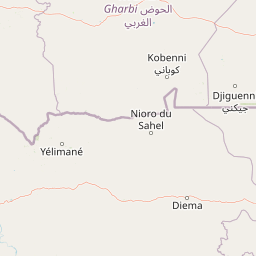
Map view of Boucle du Baoulé National Park

Use this park location map to pinpoint Boucle du Baoulé National Park in Mali, understand its exact geographic position, and read its mapped placement within the surrounding landscape more clearly.

Pigeon | © OpenStreetMap contributors

Location context for Boucle du Baoulé National Park

Kayes RegionKoulikoro Region
Park atlas

Trace the geographic spread of adjacent protected landscapes, comparing their diverse savanna ecosystems and crucial conservation roles across Mali.

Explore National Parks and Protected Areas Around Boucle du Baoulé, Mapping Mali's Sahelian Geography
Browse the network of national parks and protected areas surrounding Boucle du Baoulé National Park, encompassing vital conservation landscapes across Mali. Gain a deeper understanding of regional biodiversity, savanna ecosystems, and the significant archaeological heritage preserved across these interconnected protected zones.
National parkMali

Bafing National Park: Mali National Park Atlas and Protected Woodland Landscape

Explore the unique chimpanzee habitat and bird conservation within this West African savanna.

Bafing National Park is a cornerstone of conservation in Mali, recognized for its exclusive role in protecting chimpanzee populations within the Manding Plateau region. This extensive national park features a predominant woodland ecosystem interspersed with savanna areas, providing critical habitat for numerous bird species as designated by BirdLife International. Understanding Bafing National Park's mapped geography and protected landscape offers insight into vital primate and avian conservation efforts in West Africa.

Area
5,000 km²
Established
2000
IUCN
II
Relief
Upland
National parkMali

Kouroufing National Park: Mali's National Park with Defined Protected Landscape Boundaries

Explore the mapped geography and protected land context of Kouroufing National Park.

Kouroufing National Park is a significant protected area recognized as a national park within Mali. This entry focuses on its distinct geographic identity and mapped boundaries, essential for understanding its role in the regional atlas. Examine the park's protected landscape context and how it contributes to the natural geography of West Africa. This resource is tailored for users seeking detailed information on specific protected areas rather than broad travel advice.

Area
557 km²
Established
2002
Scope
Terrestrial
Water
No major water
National parkFaranah Region

National Park of Upper Niger: Protected Landscape and Geographic Context in Faranah Region

Explore mapped boundaries and regional natural terrain.

National Park of Upper Niger is a key protected area within the Faranah Region of Guinea, providing a focal point for understanding regional geography and conservation landscapes. Its designation as a national park highlights its importance in the mapped atlas of protected territories. This page offers detailed insights into the park's geographic setting and its specific natural terrain, aiding exploration of Guinea's protected lands.

Area
6,000 km²
Established
1997
IUCN
II
Relief
Mixed relief
National parkSenegal

Niokolo-Koba National Park: Exploring Senegal's Protected Landscape Identity

Mapped boundaries and regional geography context.

Niokolo-Koba National Park offers a distinct focus on Senegal's protected landscapes, providing valuable insights for atlas and map-based exploration. This national park serves as a key geographic anchor, highlighting the natural terrain and the extent of its protected boundaries within the country. Users can delve into the specific characteristics of this area to understand its role within Senegal's diverse natural heritage and regional geography.

Area
9,130 km²
Established
1954
IUCN
II
Relief
Upland
National parkGuinea

Badiar National Park: Guinea's Protected Landscape for Atlas Exploration

Explore its mapped geographic boundaries and regional terrain.

Badiar National Park is a key protected area situated in Guinea, contributing significantly to the country's conservation landscape. This page offers detailed geographic context, highlighting the park's mapped boundaries and its place within the regional atlas of West Africa. Discover the natural terrain and protected-area identity that define Badiar National Park, facilitating a comprehensive understanding for any geographic exploration.

Area
1,228 km²
Established
1985
IUCN
II
Climate
Tropical
National parkKarene District

Outamba-Kilimi National Park: Sierra Leone National Park and Protected Landscape Atlas

Mapped natural terrain within Karene District.

Investigate Outamba-Kilimi National Park as a protected area, examining its geographic footprint and significance within Sierra Leone's natural landscapes. This detailed entry provides context on the park's mapped boundaries and its contribution to regional geography, serving as a key point for atlas-based exploration of conservation lands in the Karene District.

Area
1,109 km²
Established
1986
IUCN
II
Relief
Lowland
Watercolor illustration of a river flowing through a landscape with trees, grassy areas, and distant hills under a soft sky
National parkCentral River Division

River Gambia National Park: National Park Geography and Protected Landscape Atlas

Discover mapped boundaries within Central River Division.

River Gambia National Park represents a key protected area within the Central River Division, offering specific geographic insights for atlas exploration. This page details the park's mapped boundaries and its role as a national park, providing a factual basis for understanding its landscape context and regional importance. Explore the geographic features that define this protected natural area.

Area
5.85 km²
Established
1978
IUCN
II
Relief
Lowland
National parkBurkina Faso

Deux Balés National Park: Burkina Faso's Elephant Sanctuary and Savanna Protected Landscape

Explore mapped terrain and key geographic features of this protected area.

Deux Balés National Park serves as a vital protected area within Burkina Faso, acclaimed for harboring the largest elephant population in West Africa. This national park's protected landscape is defined by undulating granitic plains, lateritic plateaux, and distinct gallery forests lining the Black Volta River. The presence of ancient African baobab trees adds a unique visual character to the savanna ecosystem. Investigating this park reveals its significance for regional conservation, its mapped geographic boundaries, and its role within the broader context of protected lands in West Africa.

Area
810 km²
Established
1937
IUCN
II
Relief
Lowland

Common questions about visiting, size, designation, and location context for Boucle du Baoulé National Park

Boucle du Baoulé National Park FAQs for park facts, access, geography, and protected area context
Find quick answers about Boucle du Baoulé National Park, including protected-area facts, park geography, trail and visitor context, and how the park fits into its surrounding country and regional landscape.
MoriAtlas Explorer

Continue Your Protected Areas Search Across the Global Atlas

Deepen your exploration by continuing the structured search for national parks and protected areas worldwide. Utilize the comprehensive filtering capabilities to compare different conservation landscapes and refine your understanding of global park geography. Discover more about the distribution and characteristics of protected natural areas.

Global natural geography