Why Coffin Bay National Park stands out
Coffin Bay National Park is best known for its dramatic limestone cliffs and pristine white sand beaches that line much of its western coastline. The peninsula's coastal dunes and wetland areas support significant bird populations, with the park recognized as an Important Bird Area by BirdLife International. The area is particularly notable for its population of endangered shorebirds including pied and sooty oystercatchers, fairy terns, and hooded plovers. The combination of accessible surf beaches, remote four-wheel-drive tracks leading to wild coastlines, and the opportunity to observe sea eagles and albatrosses soaring along the cliffs makes this park a distinctive coastal wilderness destination.
Coffin Bay National Park history and protected-area timeline
The land that now forms Coffin Bay National Park has been inhabited by Indigenous peoples for thousands of years, though the Wikipedia source does not provide specific cultural details. The park was formally established as a national park on December 2, 1982, giving it protection status under South Australian legislation. A significant historical feature within the park is the Coffin Bay Whaling Site at Point Sir Isaac, which represents the region's earlier maritime economy. This site is now listed on the South Australian Heritage Register, acknowledging its historical importance. The establishment of the park protected the peninsula's unique coastal ecosystems and scenic landscapes from development pressures that had affected other parts of the Eyre Peninsula coastline.
Coffin Bay National Park landscape and geographic character
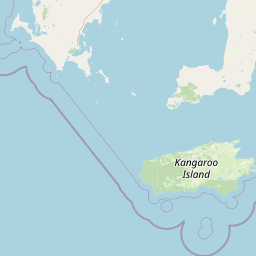
The physical landscape of Coffin Bay National Park presents a diverse array of coastal landforms arranged along the peninsula. The western coastline is dominated by limestone cliffs that rise above white sand beaches, creating an environment reminiscent of more famous coastal parks in southern Australia. Behind the cliffs, extensive coastal dune systems have developed, stabilized by heathy vegetation. The peninsula's northern sections contain freshwater swamps that provide wetland habitat amid the otherwise sandy terrain. The eastern side of the park, particularly around Point Avoid, features more sheltered beaches at Almonta and Gunyah that are popular for surfing. Offshore, reef systems extend from Point Avoid toward Golden Island, with Price Island lying further out in the Southern Ocean. The overall effect is a peninsula landscape where the contrast between sheltered bay waters and exposed ocean coastline creates remarkable visual diversity within a relatively compact area.
Coffin Bay National Park ecosystems, habitats, and plant life
The ecological character of Coffin Bay National Park is defined by its coastal heath, dune, and wetland habitats that together support remarkable biodiversity. The coastal heath that covers much of the peninsula features diverse native plant communities adapted to the sandy, nutrient-poor soils and salty winds. The wetland areas, though not extensive, provide crucial habitat for waterbirds and other species during wet periods. The park's location on a peninsula extending into the Southern Ocean positions it along major seabird migration routes, bringing albatrosses and petrels to the offshore waters. The adjacent Thorny Passage Marine Park extends protection into the marine environment, creating an integrated coastal and marine protected area that recognizes the connections between terrestrial and ocean ecosystems.
Coffin Bay National Park wildlife and species highlights
The wildlife of Coffin Bay National Park is highlighted by its significant seabird populations and shorebird assemblages. White-bellied sea eagles and ospreys are commonly seen hunting along the coastline and cliffs, their large nests visible on the limestone outcrops. Further offshore, various albatross and petrel species frequent the waters surrounding the peninsula. The park has been recognized as an Important Bird Area by BirdLife International because it supports globally significant populations of several shorebird species. The park holds more than one percent of the world populations of pied oystercatchers and sooty oystercatchers, while also supporting significant numbers of fairy terns, hooded plovers, western whipbirds, rock parrots, and blue-breasted fairy-wrens. The volunteer group Friends of Coffin Bay Parks has worked to restore native vegetation and control feral animals and weeds, supporting the park's wildlife populations.
Coffin Bay National Park conservation status and protection priorities
Coffin Bay National Park represents an important conservation outcome for South Australia's coastal environments, protecting a peninsula landscape that might otherwise have been developed for housing or tourism infrastructure. The park's inclusion in the national reserve system ensures the long-term protection of its coastal heath, dune, and wetland habitats along with the species they support. The designation of the adjoining waters as part of Thorny Passage Marine Park creates an integrated coastal-marine protected area that addresses the ecological connections between terrestrial and marine ecosystems. The Important Bird Area recognition highlights the park's international significance for shorebird conservation, particularly for oystercatcher species that breed on the peninsula's beaches. The ongoing work by Friends of Coffin Bay Parks to re-introduce native plants and remove invasive species demonstrates active conservation management beyond passive protection.
Coffin Bay National Park cultural meaning and human context
The human history of the Coffin Bay region includes a whaling operation that operated at Point Sir Isaac within what is now the national park. The Coffin Bay Whaling Site, now listed on the South Australian Heritage Register, represents the region's maritime heritage and the historical relationship between local communities and the ocean. This heritage site provides a tangible connection to the area's past and adds cultural depth to the natural landscape. While the Wikipedia source does not provide details about Aboriginal traditional use of the peninsula, the broader Eyre Peninsula region has been home to Indigenous peoples for many thousands of years.
Top sights and standout views in Coffin Bay National Park
The standout features of Coffin Bay National Park include the spectacular limestone cliffs along the western coastline that provide dramatic ocean views and nesting habitat for sea eagles. The surf beaches at Almonta and Gunyah on the eastern side offer excellent surfing conditions in a relatively accessible location. The opportunity to drive to remote coastal locations via four-wheel-drive tracks, camp at Yangie Bay, and observe albatrosses and other seabirds against a backdrop of white cliffs and turquoise water defines the park's appeal. The Important Bird Area designation underscores the park's significance for shorebird conservation, particularly for the endangered populations of pied and sooty oystercatchers that breed on its beaches.
Best time to visit Coffin Bay National Park
The best time to visit Coffin Bay National Park depends on what visitors hope to experience. Summer months bring warmer conditions ideal for beach activities and surfing at Almonta and Gunyah beaches, though this is also the peak visitor season. Autumn and spring tend to offer more comfortable temperatures for hiking and wildlife observation, with migratory seabirds more commonly seen during these transition seasons. Winter brings quieter conditions to the park and is an excellent time for those seeking solitude, though the weather can be cooler and some facilities may have reduced operating hours. The park can be visited year-round, but the shoulder seasons of autumn and spring often provide the most pleasant conditions for exploring the peninsula's diverse landscapes and observing its wildlife.