
Why Dinokeng Game Reserve stands out
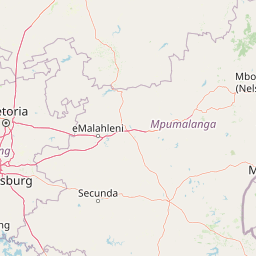
Dinokeng is best known for being one of the few Big Five reserves within easy driving distance of Pretoria and Johannesburg, giving urban South Africans and international visitors a relatively accessible encounter with lions, leopards, elephants, Cape buffalo, and rhinoceros. It is also known for the meaning of its name, which reflects the abundance of rivers running through the landscape, with the Pienaars River being the most prominent. The reserve has gained recognition for its conservation programs as well, particularly its participation in the EWT Cheetah Metapopulation project and its membership in the Lions Management Forum, both of which deal with the challenges of managing predators in smaller, fenced reserves. Birdwatching is another notable attraction, with over three hundred species recorded, including vulnerable martial eagles and the endangered blue crane.
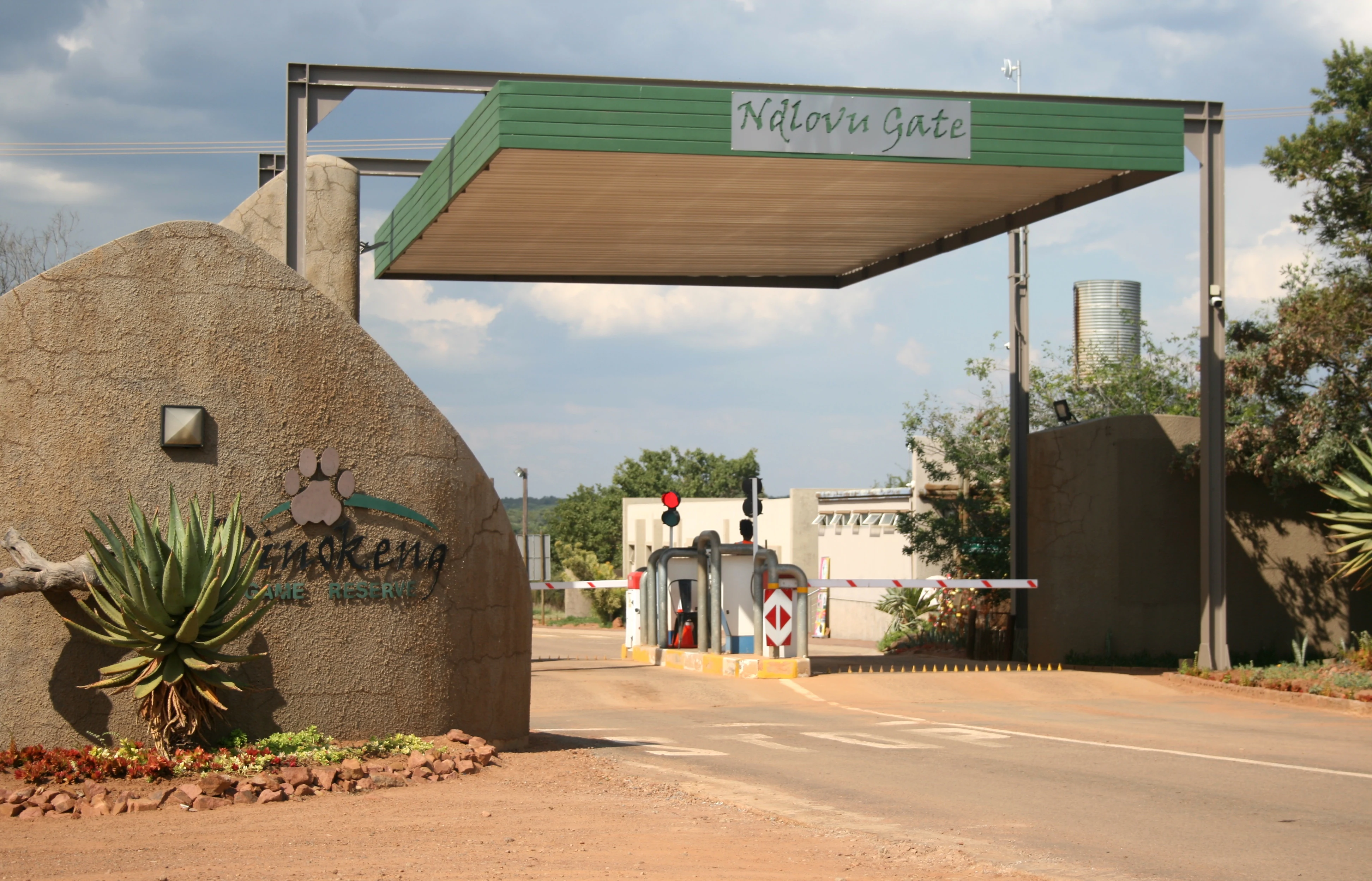
Dinokeng Game Reserve history and protected-area timeline
The Dinokeng Game Reserve has its origins in late-1990s efforts by the Gauteng Provincial Government to develop ecotourism in the province and to expand economic activity in rural and historically disadvantaged areas. The idea surfaced publicly in 1997, when then Gauteng Premier Tokyo Sexwale announced a plan to develop Big Five wild animal sanctuaries in the northeastern part of Pretoria. This announcement became part of the broader "Blue IQ" initiative under the Gauteng Department of Economic Development, which aimed to position Gauteng as a tourism-friendly, investment-ready province.
After the initial announcement, formal planning began in the early 2000s. The provincial government negotiated with more than 170 private landowners in the area, who collectively held the bulk of the land. Rather than expropriating holdings, the government pursued a public-private partnership model in which landowners retained their properties but agreed to operate under a unified reserve framework, with public funding supporting infrastructure and management. This was intended both to protect the regions natural resources and to create sustainable employment for surrounding communities.
The reserve was officially opened on September 22, 2011. In the years that followed, lions, leopards, elephants, and Cape buffalo were gradually reintroduced across the property, and a series of supporting species, from cheetahs and giraffes to zebras and various antelope, were established or expanded through natural movement and additional introductions. In 2018, the reintroduction of a group of black rhinoceros completed the reserves full Big Five complement. Since then, Dinokeng has continued to evolve, expanding its tourism offerings, refining its predator management approach, and developing conservation programs for cheetahs and lions in coordination with national and international partners.
Dinokeng Game Reserve landscape and geographic character
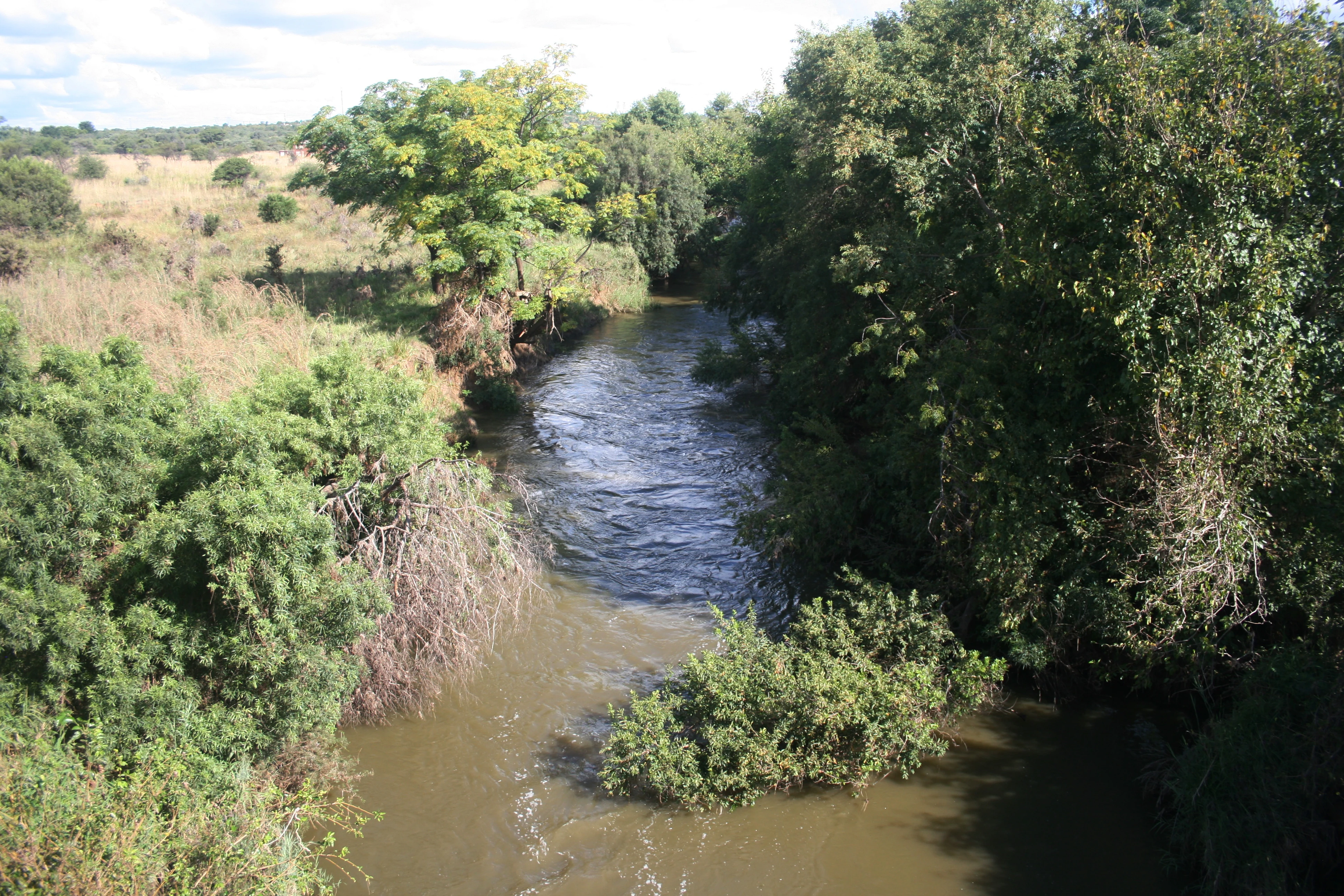
Dinokeng occupies a gently undulating section of South Africas northeastern bushveld, where grasslands, low thornveld, and riverine vegetation alternate across the landscape. The rivers are central to the character of the reserve. The Pienaars River is the main watercourse, and several smaller tributaries and seasonal streams fan out from it, cutting shallow valleys into the surrounding plains and creating corridors of denser vegetation where water is more readily available.
The terrain itself is varied rather than dramatic: there are open grass plains ideal for game viewing, rocky outcrops and low ridges, pockets of denser bush, and seasonally flooded pans and dams. The Rust de Winter tar road bisects the reserve from east to west, dividing it into a northern zone dominated by sweet-veld grasses and a southern zone characterized by sour-veld grasses. These two vegetation types create noticeably different grazing environments, which in turn shape where herbivores concentrate and where predators follow.
The man-made dams and weirs inside the reserve add another layer to the scenery, generating wetland fringes that attract waterbirds and hippos while also functioning as practical water sources for larger mammals during the dry winter months. The overall feel of the landscape is one of mosaic rather than wilderness: stretches of open savanna intercut with cultivated buffer zones, neighboring villages, pockets of private lodges, and the corridors of trees that line each river crossing.
Dinokeng Game Reserve ecosystems, habitats, and plant life
Ecologically, Dinokeng is a savanna reserve, but the mosaic character of its vegetation is unusual even within the South African bushveld. The northern portion is dominated by sweet-veld grasses, which retain nutritional value into the dry season and therefore support higher herbivore densities, while the southern portion is dominated by sour-veld grasses, which lose value during winter and create leaner conditions. Together, the two halves support a richer mix of grazing strategies than many reserves of comparable size.
The vegetation includes open grass plains, low thornveld dominated by acacia-type trees, denser riverine thickets along the Pienaars River and its tributaries, and patches of mixed woodland on slightly higher ground. This layering of grass, shrub, and tree cover is responsible for much of the reserves wildlife appeal, as different habitat types sit very close to one another and allow a wide range of species to make use of relatively small territories. Wetlands created by dams, seasonal pans, and the river itself add a third dimension of habitat that supports amphibians, waterbirds, and aquatic mammals.
Because the reserve sits in a peri-urban setting, surrounded by farmland and communities, ecological management is closely linked to how the land outside the fences is used. Fire regimes, grazing pressure, and human activity in the buffer zone all influence ecological processes inside the reserve, and the parks environmental management framework is designed around this awareness.
Dinokeng Game Reserve wildlife and species highlights
Wildlife is the central selling point of Dinokeng, and the reserve manages to pack a remarkable diversity into a relatively compact area. The Big Five are all present. Lions and leopards patrol the reserve, though lion viewing in particular has highlighted some of the management challenges of smaller, fenced reserves. Elephants move through the area in small family groups, while buffalo herds frequent the sweeter grass areas, especially in the northern part of the reserve. Black rhinoceros, reintroduced in 2018, are a more recent addition and are closely monitored.
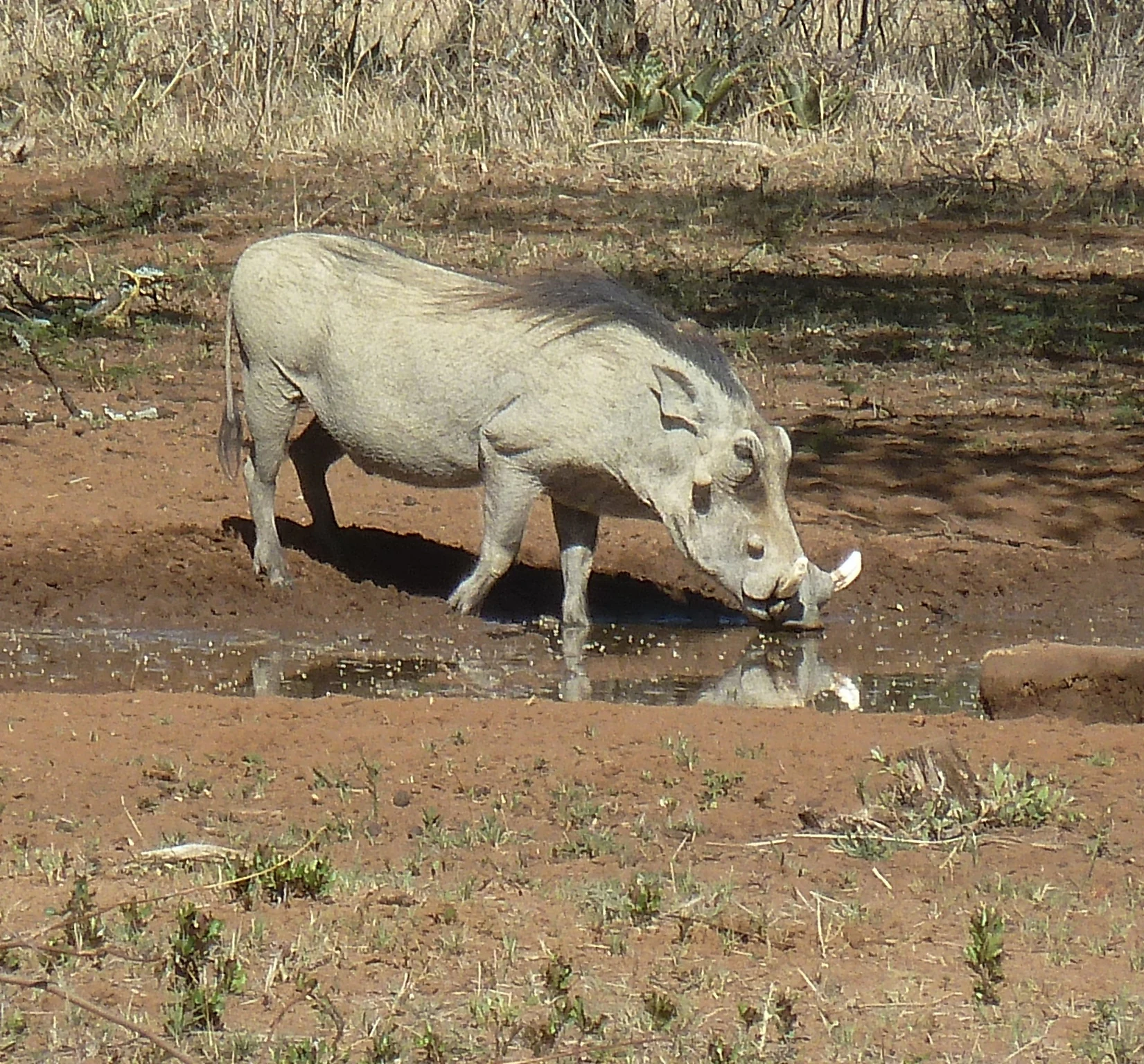
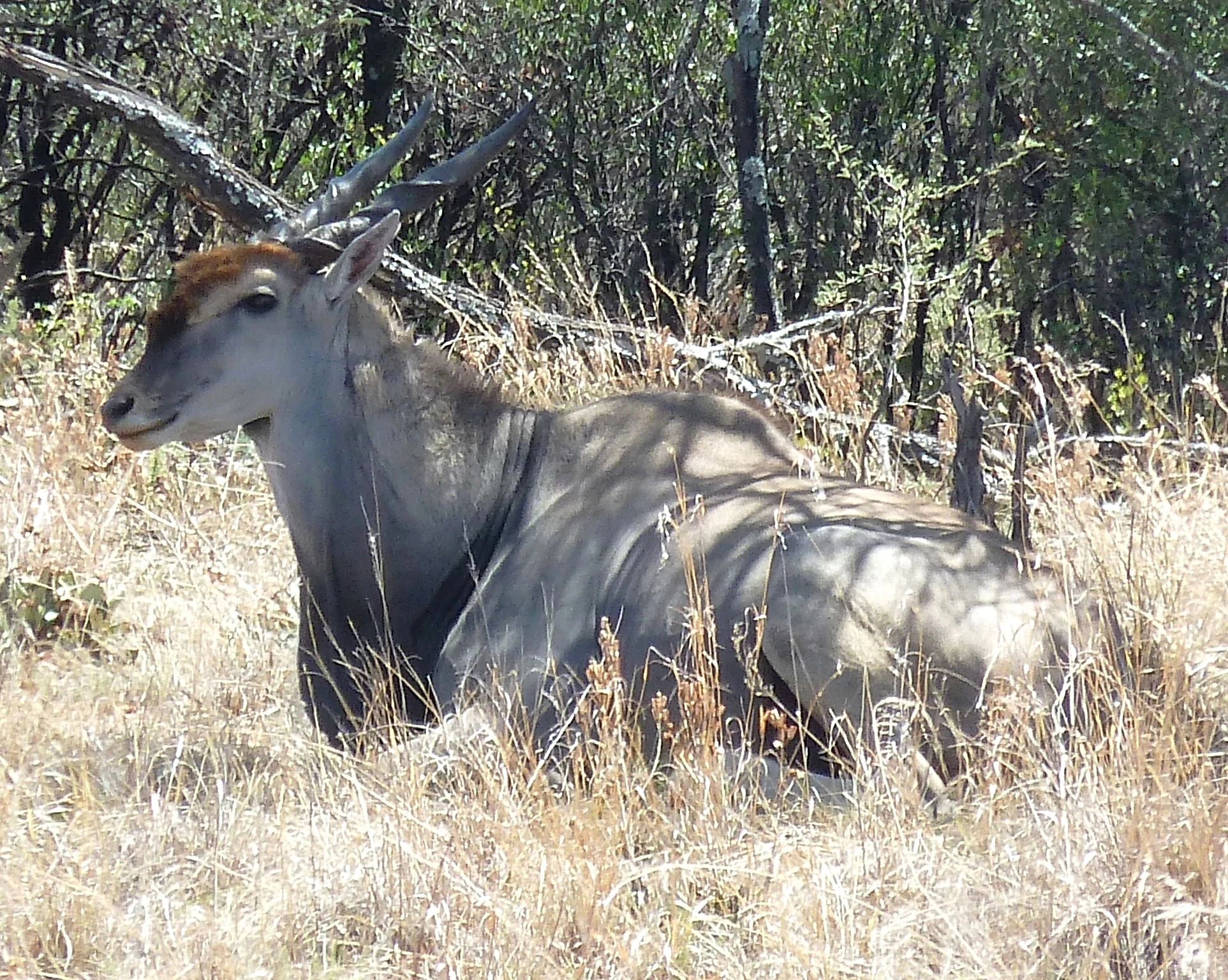
Beyond the Big Five, the reserve supports a full suite of typical bushveld mammals. Cheetahs are present and are part of the EWT Cheetah Metapopulation project aimed at preventing inbreeding between small fenced populations. Giraffes, Burchells zebras, blue wildebeests, red hartebeests, tsessebe, common eland, greater kudu, and impalas are all regular sightings, while brown hyenas, vervet monkeys, hippos, warthogs, and Nile crocodiles add further interest. Predators are distributed unequally across the reserve, with the northern sweet-veld section carrying higher prey densities and therefore more predator activity.
The birdlife at Dinokeng is a major attraction in its own right. Over three hundred species have been recorded, comparable in number to some of South Africas more famous birding destinations such as Ndumo in KwaZulu-Natal. Highlights include ostriches, ospreys, breeding martial eagles (classified as vulnerable by the IUCN), the endangered blue crane, helmeted guineafowl, herons, pied avocets, black-winged stilts, African jacanas, plovers, grey go-away-birds, hornbills, kingfishers, woodpeckers, shrikes, larks, bulbuls, swallows, starlings, thrushes, weavers, and waxbills. The proximity of water, grass, and bush in a small area is what allows such a high concentration of bird species to coexist within the reserve.
Dinokeng Game Reserve conservation status and protection priorities
Conservation is built into the identity of Dinokeng from the very beginning. The reserve was conceived not simply as a fenced wildlife area but as a regional conservation and development program, integrating protection of natural resources with job creation, tourism, and rural upliftment. The use of an environmental management framework for the area is a deliberate attempt to ensure that land use around the reserve does not undermine ecological function inside it.
The conservation challenges that arise here are typical of small to medium-sized fenced reserves in South Africa. Predator-prey balance and genetic diversity are the headline issues. Lions at Dinokeng are managed in collaboration with the Lions Management Forum and through selective contraception to keep numbers sustainable, but the reserve still faces pressure from young males that, in unfenced environments, would disperse naturally and here cannot. Cheetahs, meanwhile, are part of the Endangered Wildlife Trusts Cheetah Metapopulation project, which aims to maintain the long-term genetic and demographic viability of small, isolated cheetah populations by periodically exchanging individuals between fenced reserves.
Beyond predator management, Dinokeng also plays a role in rhino conservation as the reintroduced population there builds up, and the reserves bird populations include vulnerable and endangered species that benefit from carefully managed wetland and grassland habitats. The partnership with surrounding communities and the employment of local residents in the reserves operations are framed as conservation contributions in their own right, since they reduce the pressure on natural resources in the buffer zone.
Dinokeng Game Reserve cultural meaning and human context
The cultural framing of Dinokeng is inseparable from the name itself. Dinokeng is drawn from the languages of the Tswana and Bapedi people, both of whom have strong historical presence in this part of what is now Gauteng and Limpopo. The name translates roughly as "a place of rivers," recognizing the central role of the Pienaars River and other waterways in the regions geography and in the lives of the communities that have lived alongside them.
The reserve was established in part as a response to the historical underdevelopment of the rural areas north of Pretoria. Local communities, many of which were classified as historically disadvantaged under previous South African policy frameworks, were intended to be direct beneficiaries of the project through employment in the reserve and through tourism-related economic activity. Land ownership, however, remained with more than 170 private landowners, including both commercial farmers and members of local communities, which has shaped the cultural politics of the reserve.
Today, cultural elements at Dinokeng include cultural tours offered alongside wildlife tours, traditional gateway names such as Ndlovu, Tsukulu, Tau, Nyati, and Yingwe, and an ongoing emphasis on integrating local heritage into the visitor experience. The reserve also shares a regional identity with neighboring tourist hubs like Roodeplaat Dam and the broader Dinokeng area, all of which are positioned as a mixed natural and cultural landscape.
Top sights and standout views in Dinokeng Game Reserve
Dinokengs strongest features are concentrated around a few core ideas. It is one of the few places in South Africa where visitors can experience the Big Five within a relatively short drive of Pretoria and Johannesburg, and it does so in a malaria-free setting. The phrase "a place of rivers" is more than a name: the Pienaars River and its tributaries structure the landscape and create the wetland edges that make the reserve so productive for birdlife.
Equally distinctive is the reserves governance model. A large protected wildlife area has been built up from privately owned farmland through a public-private partnership involving more than 170 landowners and the Gauteng Provincial Government, with a long-term goal of building a self-sustaining tourism economy. The reserves participation in conservation networks such as the Lions Management Forum and the EWT Cheetah Metapopulation project adds a research and management dimension that goes beyond simple game viewing.
For visitors interested in birdwatching, the proximity of water, grass, and bush produces a bird list of more than three hundred species, including charismatic and threatened species such as martial eagles, blue cranes, and ospreys. Combined with the reserves self-drive accessibility and proximity to urban South Africa, this makes Dinokeng one of the more versatile small-to-medium wildlife reserves in the country.
Best time to visit Dinokeng Game Reserve
Dinokeng is a year-round reserve in a malaria-free part of South Africa, so the best time to visit is shaped more by what kind of experience the visitor wants than by strict seasonal windows. The summer months from December to February are warm, often above 20 degrees Celsius during the day, with afternoon thunderstorms that bring the bushveld to life and produce dense green vegetation. Wildlife viewing in summer is good, but thick bush can occasionally make sightings harder.
The winter months from May to August are cooler and drier, with mornings and evenings sometimes dropping close to freezing, but daytime temperatures are generally mild and sunshine is plentiful. Winter tends to be a popular time for game viewing because animals concentrate around water and vegetation is thinner, while the lower humidity keeps conditions comfortable for longer drives. Birdwatching remains productive year round, although migrant species such as the icterine warbler are present only in the summer months.