
Mori Atlas logo
Nature reserveRezerwat przyrody Dolinka

Mapping the protected wet meadows and rare flora within the Krzywińskie Lakeland geography

Rezerwat przyrody Dolinka: Botanical Protected Landscape and Nature Reserve in Greater Poland

Rezerwat przyrody Dolinka serves as a critical botanical nature reserve situated within the undulating post-glacial terrain of the Greater Poland Voivodeship. Established to safeguard rare wet meadow ecosystems and the largest regional population of the European globeflower, this 1.77-hectare protected area offers a concentrated example of targeted habitat conservation in western Poland. Explore the reserve through its specific ecological boundaries, terrain characteristics, and its wider setting within the Krzywińskie Lakeland mesoregion.

floristic reservenature reservewet meadowmolinia meadowglobeflowerGreater Poland

Rezerwat przyrody Dolinka

Nature reserve

Park overview

Structured park overview, official facts, and landscape profile for Dolinka Nature Reserve

Dolinka Nature Reserve park facts, protected area profile, and essential visitor context

Review the core facts for Dolinka Nature Reserve, including designation, size, terrain, visitor scale, habitats, and operating context in one park-focused overview.

About Dolinka Nature Reserve

Dolinka Nature Reserve is a compact, floristic nature reserve situated in the western part of the Greater Poland Voivodeship, in the Krzywińskie Lakeland mesoregion. Although the reserve covers only 1.77 hectares, its scientific and conservation value is considerable because of the plant community it shelters on its single moist meadow.

The reserve was designated in 1974 by the Minister of Forestry and the Wood Industry, with the explicit purpose of protecting a population of European globeflower recognised at the time as the largest in the Wielkopolska region. Its location between the small villages of Goniembice and Wyciążkowo reflects the type of setting where such meadow habitats have survived: agricultural countryside where traditional land use has unintentionally preserved patches of species-rich wet grassland.

Administratively, Dolinka falls under the authority of the Regional Director of Environmental Protection in Poznań, whose 2012 management order continues to define how the site is protected. Most of the reserve, 1.7 hectares, is under active protection, meaning that habitat management interventions are carried out to maintain the meadow's botanical character, while the remaining 0.07 hectares is managed passively as landscape protection.

The broader significance of Dolinka lies in how it illustrates the role of small Polish nature reserves. Rather than protecting a vast wilderness landscape, the reserve conserves a single botanical treasure and the specific microhabitat, a moist molinia meadow, that allows it to persist. This makes it a meaningful component of the national network of plant-focused reserves and a useful reference point for understanding meadow conservation in lowland Poland.

Quick facts and research context for Dolinka Nature Reserve

Dolinka Nature Reserve is a floristic (plant-focused) nature reserve in Gmina Lipno, within Leszno County of Greater Poland Voivodeship. Created in 1974 under a ministerial order, it covers 1.77 hectares and is managed through a combination of active protection on 1.7 hectares and landscape protection on the remaining 0.07 hectares.

The reserve lies in the Krzywińskie Lakeland, between the settlements of Goniembice and Wyciążkowo, and is positioned on a moist molinia meadow that supports one of the most important European globeflower populations in Wielkopolska.

Protection and recognition

Explore documented protection status and official recognition for Rezerwat przyrody Dolinka.

Rezerwat przyrody Dolinka Protection Status and Terrestrial Conservation Data

Rezerwat przyrody Dolinka maintains a documented terrestrial protection scope within its designated conservation framework. Structured records outline the official management background and recognized conservation status for this protected area.

Protection details

Protection scope
Terrestrial
Transboundary protection
No
Park context

Deeper park guide and search-rich context for Dolinka Nature Reserve

Dolinka Nature Reserve history, landscape, wildlife, and travel context

Explore Dolinka Nature Reserve through its history, landscape character, ecosystems, wildlife, conservation priorities, cultural context, and seasonal travel timing in a structured park guide built for atlas discovery and search intent.

Why Dolinka Nature Reserve stands out

Dolinka is best known for hosting the largest known stand of European globeflower (Trollius europaeus) in Greater Poland, growing on a wet molinia meadow. The reserve's identity is essentially botanical: it was created to safeguard a single rare plant population and the habitat that sustains it. The reliance on a damp meadow community rather than forest makes Dolinka unusual among Polish nature reserves and gives it a clear, focused conservation purpose that visitors and ecologists can easily recognise.

Dolinka Nature Reserve history and protected-area timeline

The reserve was established in 1974 through a regulation of the Minister of Forestry and the Wood Industry, issued on 16 September 1974 and published in the Polish legal monitor. Its creation was motivated by the discovery of a significant population of European globeflower on a small wet meadow, judged to be the largest such population in Greater Poland.

In 2001, the Governor of Greater Poland issued an official notice consolidating the list of nature reserves established before the end of 1998, confirming Dolinka's continuing legal status. The reserve's management framework was later updated in 2012 through an order of the Regional Director of Environmental Protection in Poznań, which defines the present-day protection regime and forms the current basis for active habitat management on the site.

Dolinka Nature Reserve landscape and geographic character

Dolinka lies within the Krzywińskie Lakeland, a gently undulating mesoregion in western Poland shaped by the glacial history of northern European lowlands. The local terrain is typical of post-glacial Wielkopolska: low hills, shallow basins, and waterlogged hollows where small streams and wet meadows have developed.

The reserve itself does not contain dramatic topographic features. Instead, its landscape value is defined by a single open, moist molinia meadow embedded in an agricultural matrix, framed by the surrounding fields and forests of the greater Lipno commune area.

Dolinka Nature Reserve ecosystems, habitats, and plant life

The defining ecosystem of Dolinka is a wet molinia meadow, a plant community associated with base-rich but nutrient-poor soils that remain moist throughout much of the growing season. This habitat type is increasingly rare in lowland Poland because changes in agricultural use, drainage, and fertilisation have caused most such meadows to disappear over recent decades.

The meadow's vegetation includes several characteristic species alongside the European globeflower, such as creeping buttercup, water avens, drooping thistle, reed canary grass, and sweet vernal grass. Together these species define a relatively species-rich, traditional hay-meadow community whose persistence depends on continued seasonal mowing and the absence of intensive fertilisation.

Dolinka Nature Reserve wildlife and species highlights

Because Dolinka is designated as a floristic reserve focused on a single plant species and its meadow habitat, the site is not primarily known for charismatic fauna. Its ecological value for wildlife is closely tied to invertebrates and small meadow species that depend on the same traditional grassland conditions that support the globeflower.

The presence of flowering plants such as globeflower and water avens contributes to pollinator habitat, but no specific fauna list is given in the source material, and any detailed wildlife statement would not be supported.

Dolinka Nature Reserve conservation status and protection priorities

Dolinka is a textbook example of habitat-level conservation in Poland. By protecting a tiny area of wet molinia meadow, the reserve safeguards one of the largest known populations of European globeflower in Greater Poland, along with the suite of associated meadow plants that rely on the same management conditions.

Most of the reserve is managed as active protection, allowing conservation managers to maintain the open meadow character through interventions such as seasonal mowing, while a small buffer is held under passive landscape protection. This combination of active and passive regimes is designed to keep the meadow from being overgrown by shrubs or trees, which would otherwise shade out the globeflower and its companion species.

Dolinka Nature Reserve cultural meaning and human context

The reserve lies in a traditional Wielkopolska agricultural landscape between the villages of Goniembice and Wyciążkowo. Its continued existence reflects the long-standing rural land use of the area, where small fragments of wet meadow have been retained within a working agricultural matrix. The site's small size, modest legal history, and dependence on locally rooted land management make it emblematic of how grassroots conservation operates in lowland Polish countryside, though the source does not provide deeper ethnographic detail.

Top sights and standout views in Dolinka Nature Reserve

The principal highlight of Dolinka is the largest known stand of European globeflower in Greater Poland, set within a characteristic wet molinia meadow.

Equally notable is the reserve's size and focus: just 1.77 hectares of actively managed meadow that demonstrates how a small, well-targeted reserve can deliver disproportionately high botanical value. The 1974 legal foundation and the 2012 management order from the Regional Director of Environmental Protection in Poznań also form part of the reserve's identity as a formally protected element of Poland's nature reserve network.

Best time to visit Dolinka Nature Reserve

Because the meadow's botanical character depends on traditional seasonal mowing and the flowering biology of the protected plants, the most informative period to experience the meadow community is late spring to early summer, when European globeflower and accompanying meadow species are typically in bloom and the habitat's structure is most clearly visible.

Late summer and early autumn reveal different aspects of the meadow's vegetation, including the grasses and late-flowering species, but the reserve's small size and scientific rather than recreational purpose mean it is best approached as a quiet observation site for the natural history of lowland Wielkopolska meadow habitats rather than a conventional visitor destination. No specific visitor logistics are available from the source material.
Monthly climate preview

Long-term average temperature and precipitation rhythm recorded at the representative coordinate

Rezerwat przyrody Dolinka Climate Normals and Monthly Weather Patterns

Historical climate data reveals measured annual temperature variations and monthly precipitation averages across the protected area. Examining the complete twelve-month profile provides deeper context on long-term weather patterns at a representative elevation.
Annual mean9 °C
-2 °C20 °C
Jan-2°
Feb-1°
Mar
Apr
May14°
Jun18°
Jul20°
Aug20°
Sep15°
Oct
Nov
Dec-1°
Warmest month
July

20.3 °C

Coolest month
January

-2 °C

Wettest month
July

2.6 mm/day

Driest month
April

1.1 mm/day

Park location guide

Geography guide, regional context, and park location map for Dolinka Nature Reserve

Dolinka Nature Reserve park geography, regions, and map view in Poland

Understand where Dolinka Nature Reserve sits in Poland through a broader geographic reading of the surrounding landscape, nearby location context, and its mapped position within the national park landscape.

How Dolinka Nature Reserve fits into Poland

Poland, officially the Republic of Poland, is a Central European country spanning from the Baltic Sea in the north to the Carpathian Mountains in the south. It borders Germany, Czech Republic, Slovakia, Ukraine, Belarus, Lithuania, and Kaliningrad Oblast. The country has a temperate climate, diverse landscapes, and is known for its rich history, cultural heritage, and strong economic position within the EU.

Wider geography shaping Dolinka Nature Reserve in Poland

Poland occupies 312,696 km2 in Central Europe, extending from the Baltic Sea coast in the north to the Sudetes and Carpathian Mountains in the south. It borders Germany to the west, Czech Republic and Slovakia to the south, Ukraine and Belarus to the east, and Lithuania and Kaliningrad Oblast to the northeast. The landscape includes lowland plains, uplands, and mountain ranges.

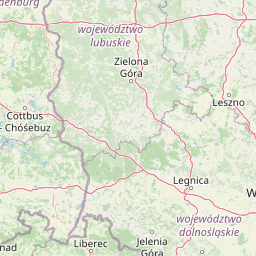
Map view of Dolinka Nature Reserve

Use this park location map to pinpoint Dolinka Nature Reserve in Poland, understand its exact geographic position, and read its mapped placement within the surrounding landscape more clearly.

Pigeon | © OpenStreetMap contributors

Location context for Dolinka Nature Reserve

Greater Poland Voivodeship
Park atlas

Compare regional park geography and adjacent protected landscapes across Wielkopolska

Exploring Other Parks Near Rezerwat przyrody Dolinka and Surrounding Protected Areas

Browse other parks and protected areas near Rezerwat przyrody Dolinka to examine regional geography and adjacent botanical reserves. Comparing these nearby natural landscapes expands regional context beyond a single protected meadow.
Protected areaGreater Poland Voivodeship
About 12 km away#1 closest

Northeast

Wonieść Lake Protected Area: Geography, Wetland Habitats, and Regional Landscape Context

Postglacial water management and bird refuge in Greater Poland

Examine the geographic character of Wonieść Lake, a segmented retention reservoir reflecting the classic postglacial lowlands of western Poland. This protected area provides a significant wetland habitat within the Krzywińskie Lake District, blending historic hydraulic infrastructure with rich bird populations and forest-fringed shorelines that span across the rural Wielkopolska countryside.

Area
7.77 km²
Established
1974
Relief
Lowland
Climate
Temperate
Nature reservePoland
About 18 km away#2 closest

Northwest

Rezerwat przyrody Jezioro Trzebidzkie Nature Reserve: Geographic Map and Protected Habitat Study

Wetland and forest conservation within the Greater Poland moraine landscape

Investigate the protected boundaries of Rezerwat przyrody Jezioro Trzebidzkie. This faunistic reserve illustrates a transition between shallow lake basin, marshy reed beds, and deciduous forest stands, offering a clear view of postglacial terrain dynamics in the Przemęt commune of Poland.

Area
0.907 km²
Established
2000
Relief
Lowland
Scope
Terrestrial
Nature reservePoland
About 29 km away#3 closest

East

Rezerwat przyrody Miranowo: Protected Peatland Ecosystem and Botanical Nature Reserve

A preserved wetland landscape in the Polish lake country

Located near the shores of Lake Dolskie Wielkie, Rezerwat przyrody Miranowo represents a significant protected area focused on the conservation of rare calcareous peatland habitats. The reserve sustains a dense collection of over 230 vascular plant species, offering a unique opportunity to study relict vegetation in a managed wetland environment within Poland.

Area
0.099 km²
Established
1972
Relief
Lowland
Climate
Temperate
Protected areaLower Silesian Voivodeship
About 30 km away#4 closest

South

Łęgi Odrzańskie: Protected Riverine Corridor in Lower Silesian Voivodeship

A 101-kilometer valley mosaic of forest and wetland habitats.

Traversing the Pradolina Wrocławska and beyond, Łęgi Odrzańskie serves as a critical protected landscape preserving remnant floodplain forests and oxbow lakes. The area functions as a premier riverine sanctuary in Central Europe, documented through its unique combination of alder swamps, peatlands, and diverse avian populations maintained along the middle Oder.

Area
21,350.5 km²
Established
2007
Relief
Lowland
Scope
Mixed
Nature reserveWielkopolska Voivodeship
About 32 km away#5 closest

Northeast

Ostoja Rogalińska: Protected Nature Reserve and Glacial Terrain in Wielkopolska Voivodeship

Mapped riparian corridors, moraine ridges, and bird habitats.

Ostoja Rogalińska offers a detailed look at lowland glacial morphology, featuring twelve mapped lakes, wandering inland dunes, and the extensive Warta River floodplain. This protected area within Wielkopolska Voivodeship preserves ancient pedunculate oaks alongside diverse wetland and forest ecosystems, providing a clear geographic view of one of the region's most important Natura 2000 bird sanctuaries.

Area
217.63 km²
Established
2007
Relief
Lowland
Climate
Temperate
Nature reserveGreater Poland Voivodeship
About 35 km away#6 closest

South

Rezerwat przyrody Dębno: A Key Protected Nature Reserve in Greater Poland, Poland

Mapping lowland forest ecosystems and ancient oak habitats

Rezerwat przyrody Dębno provides a look into the lowland ecology of Greater Poland through its protected status and renaturation initiatives. This nature reserve, characterized by its ancient oaks and Magnocaricetum communities, highlights the importance of small-scale forest conservation and provides valuable insight into the regional geography of the Kotlina Żmigrodzka.

Area
0.08 km²
Established
1961
Relief
Lowland
Scope
Terrestrial
National parkWielkopolska Voivodeship
About 37 km away#7 closest

North

Wielkopolski Park Narodowy: Protected Glacial Landscapes and Regional Geography in Poland

Post-glacial moraine systems and lake basins

Wielkopolski Park Narodowy captures a dense collection of post-glacial landforms, from rolling moraine uplands to clear kettle lakes and esker ridges. This protected area offers a deep look into the geomorphological history of the Wielkopolska region through its varied forest habitats and preserved terrain.

Area
75.84 km²
Established
1957
Visitors
1.2M annual
Relief
Lowland
Watercolor painting of a landscape with hills, a lake, and forested areas
National parkPoland
About 41 km away#8 closest

North

Wielkopolska National Park: Poland's Glacial Landscape and Lake District Protected Area

Explore the mapped terrain and protected landscape.

Wielkopolska National Park is a vital protected landscape in western Poland, notable for its characteristic post-glacial terrain. Featuring a landscape defined by numerous kettle lakes nestled within mixed forests and gently rolling hills, this national park offers a representative sample of the Greater Poland lake district's natural heritage. Its mapped boundaries delineate an area of ecological importance, providing valuable context for understanding regional geography and protected area distribution through structured atlas exploration.

IUCN
II

Common questions about visiting, size, designation, and location context for Dolinka Nature Reserve

Dolinka Nature Reserve FAQs for park facts, access, geography, and protected area context

Find quick answers about Dolinka Nature Reserve, including protected-area facts, park geography, trail and visitor context, and how the park fits into its surrounding country and regional landscape.
MoriAtlas Explorer

Continue Your Protected Areas Search Across the Global Atlas

Deepen your exploration by continuing the structured search for national parks and protected areas worldwide. Utilize the comprehensive filtering capabilities to compare different conservation landscapes and refine your understanding of global park geography. Discover more about the distribution and characteristics of protected natural areas.

Global natural geography