Mori Atlas logo
National parkElk Island National Park

Mapping the protected boundaries and natural terrain of this key Alberta national park.

Elk Island National Park: Protected Landscape and Regional Geography in Alberta

Elk Island National Park stands as a significant protected landscape within the province of Alberta, Canada. This page offers an atlas-oriented perspective, detailing the park's mapped boundaries and its place within the broader geographic context of Western Canada. Users can explore the natural terrain and protected area characteristics that define Elk Island National Park, contributing to a structured understanding of Canada's protected lands.

Bison ConservationAspen ParklandPrairie EcosystemsAlberta National ParksWildlife ViewingDark-Sky Preserve

Elk Island National Park

National park

Park overview

Structured park overview, official facts, and landscape profile for Elk Island National Park

Elk Island National Park park facts, protected area profile, and essential visitor context
Review the core facts for Elk Island National Park, including designation, size, terrain, visitor scale, habitats, and operating context in one park-focused overview.

About Elk Island National Park

Elk Island National Park occupies a distinctive position in Canada's national park system as the largest fully enclosed national park in the country. Located in the Beaverhills region of Alberta, approximately 35 kilometers east of Edmonton, the park encompasses 194 square kilometers of varied prairie and forest habitat. The landscape features a characteristic knob and kettle topography with gentle hills and depressions that create diverse microhabitats throughout the park. This ecological diversity supports a remarkable array of plant communities ranging from native fescue grasslands to dense aspen thickets and pockets of boreal forest. The park's proximity to Edmonton makes it unusually accessible for a protected area of its type, drawing visitors seeking wildlife encounters, outdoor recreation, and nature appreciation within an easy drive of a major city. The park serves not only as a protected wilderness area but also as an active conservation engine, having supplied bison, elk, moose, and other species to reintroduction programs across North America and beyond.

Quick facts and research context for Elk Island National Park

Elk Island National Park is located in Alberta, Canada, roughly 35 kilometers east of Edmonton along the Yellowhead Highway. The park covers 194 square kilometers of aspen parkland, boreal forest, and grassland habitat. Established in 1913, it is Canada's largest fully enclosed national park and has served as a critical conservation center for bison recovery programs. The park contains both the largest terrestrial mammal in North America (the wood bison) and the smallest (the pygmy shrew). It hosts the densest population of ungulates in Canada and is home to over 250 bird species.

Park context

Deeper park guide and search-rich context for Elk Island National Park

Elk Island National Park history, landscape, wildlife, and travel context
Explore Elk Island National Park through its history, landscape character, ecosystems, wildlife, conservation priorities, cultural context, and seasonal travel timing in a structured park guide built for atlas discovery and search intent.

Why Elk Island National Park stands out

Elk Island National Park is best known for its foundational role in bison conservation across North America. The park maintains both plains bison and wood bison herds, with the wood bison population representing some of the most genetically pure individuals remaining in the world. Beyond bison, the park is celebrated for its remarkable ungulate density, supporting thriving populations of elk, moose, deer, and coyotes. The park also holds significance as a dark-sky preserve, protecting the nocturnal environment around Astotin Lake. Its Ukrainian Pioneer Home stands as the first museum or historic site in Canada dedicated to Ukrainian immigration history.

Elk Island National Park history and protected-area timeline

The Beaverhills area that now contains Elk Island National Park has provided winter shelter for elk, bison, and moose herds since time immemorial, though no permanent indigenous settlements existed there. Archaeological evidence reveals over 200 campsites and stone tool-making sites left by Blackfoot, Sarcee, and Cree peoples who utilized the area seasonally. Following European contact, commercial hunting nearly eliminated beaver from the area by the 1830s and large ungulates by the 1860s. The region then became valuable for timber until a fire swept through in 1894. In 1899, the federal government designated the area as the Cooking Lake Forest Reserve, though this protected the forest without safeguarding wildlife populations. In 1906, five men from Fort Saskatchewan petitioned the federal government to establish an elk sanctuary, successfully raising $5000 for the initiative. The area received federal park status in 1913 and later achieved official national park designation under the National Parks Act passed in 1930. A replica Ukrainian pioneer cabin was constructed in 1951, becoming Canada's first museum dedicated to Ukrainian immigration and receiving federal heritage building status in 1993. The park also became part of the Beaver Hills dark-sky preserve in 2006.

Elk Island National Park landscape and geographic character

Elk Island National Park features the characteristic knob and kettle topography of the Beaverhills region, a landscape of gently rolling hills interspersed with depressions, marshes, and small lakes. The terrain creates a diverse mosaic of habitats within a relatively compact area. The park sits within the aspen parkland biome, a transition zone between the prairie grasslands to the south and the boreal forest to the north. Native fescue grassland areas have been partially converted to forage land dominated by non-native grasses, while extensive aspen groves cover much of the park's interior. Several lakes, most notably Astotin Lake, punctuate the landscape and provide important wetland habitat. The park's fully enclosed status, surrounded entirely by agricultural land rather than bordering other protected areas, makes it unique among Canadian national parks.

Elk Island National Park ecosystems, habitats, and plant life

The park represents the northern prairies plateau ecosystem and supports a remarkable diversity of habitats within its boundaries. The aspen parkland environment creates an ecological transition zone where prairie and boreal elements intermingle. Wetlands and lakes, particularly Astotin Lake, provide critical habitat for waterfowl and migratory birds. The native fescue grasslands, though partially altered by historical grazing and forage conversion, still support prairie plant communities. The aspen parkland areas contain dense shrub thickets and woodland that shelter numerous species. This habitat diversity supports the highest density of ungulates in Canada, with the park serving as a refuge for both grassland and forest-dwelling species in a landscape that has been largely converted to agriculture throughout surrounding regions.

Elk Island National Park wildlife and species highlights

Elk Island National Park hosts the densest population of ungulates in Canada, with year-round residents including plains bison, wood bison, elk, moose, mule deer, white-tailed deer, coyotes, lynx, beavers, and porcupines. Black bears and timber wolves roam the park but are rarely seen by visitors. The park is notable for containing both the largest terrestrial mammal in North America (the wood bison) and the smallest (the pygmy shrew). Over 250 bird species have been recorded in the park, with particularly notable populations of red-necked grebes, American white pelicans, double-crested cormorants, great blue herons, red-tailed hawks, American bitterns, and trumpeter swans. Astotin Lake supports significant waterfowl populations and provides prime birding opportunities. The park has also been critical for wildlife reintroduction programs, having supplied elk to various North American locations and bison to conservation areas across the continent and even to Russia.

Elk Island National Park conservation status and protection priorities

Elk Island National Park holds exceptional conservation significance as a seed herd source for repopulation efforts throughout North America. The park maintains approximately 400 pure-bred plains bison and 300 wood bison, with the wood bison representing some of the most genetically pure individuals remaining globally. When bison populations exceed management targets, surplus animals are sold to support national park funding. The park's bison conservation program has supplied animals to American Prairie in Montana, Grasslands National Park in Saskatchewan, and even to the Republic of Sakha in Russia as part of efforts to reestablish steppe bison in historic ranges. Elk Island also played a crucial role in wood bison recovery after the subspecies was thought extinct in the mid-20th century, with 23 disease-free individuals relocated to the park in 1965 from a remnant population in Wood Buffalo National Park. The park's designation as part of the Beaver Hills dark-sky preserve in 2006 adds astronomical conservation to its ecological preservation mission.

Elk Island National Park cultural meaning and human context

The area within Elk Island National Park has been influenced historically by Blackfoot, Sarcee, and Cree indigenous groups who utilized the Beaverhills region for seasonal activities over millennia. Though no permanent settlements existed within the current park boundaries, the land holds archaeological significance with over 200 documented campsites and tool-making sites. In 1951, the Ukrainian Pioneer Home was constructed as a replica of a pioneer cabin, honoring the Ukrainian Canadians who settled the surrounding agricultural region. This replica became the first museum or historic site in Canada dedicated to Ukrainian immigration and was designated a Classified Federal Heritage Building in 1993. The park's cultural layer adds a human dimension to its natural significance, connecting contemporary conservation to the longer history of human interaction with this prairie landscape.

Top sights and standout views in Elk Island National Park

Elk Island National Park stands out as a conservation cornerstone in North American wildlife recovery, having successfully preserved both plains and wood bison populations when other herds faced extinction. The park's accessibility from Edmonton makes it a unique nature escape, while its role as a seed source for reintroduction programs has extended its conservation impact far beyond its boundaries. The presence of both the largest and smallest terrestrial mammals in North America within the same protected area demonstrates the remarkable ecological diversity contained in this relatively small park. The dark-sky preserve designation protects nocturnal environments, while the Ukrainian Pioneer Home adds cultural heritage to the visitor experience.

Best time to visit Elk Island National Park

Elk Island National Park is open year-round, offering distinct seasonal experiences. Summer months provide the warmest conditions for hiking, wildlife viewing, kayaking, and camping, with long daylight hours maximizing outdoor opportunities. The warmer season also brings peak bird activity, particularly around Astotin Lake where waterfowl congregate. Fall offers excellent wildlife viewing as animals become more active before winter, and the changing aspen colors create scenic beauty throughout the park. Winter transforms the landscape for snowshoeing and cross-country skiing, with fewer visitors providing a more tranquil experience. Spring brings migratory bird returns and newborn ungulates, though visitor services may be more limited. The park can be explored at any time of year, though summer and fall typically offer the most comfortable conditions for extended outdoor activities.
Park location guide

Geography guide, regional context, and park location map for Elk Island National Park

Elk Island National Park park geography, regions, and map view in Canada
Understand where Elk Island National Park sits in Canada through a broader geographic reading of the surrounding landscape, nearby location context, and its mapped position within the national park landscape.

How Elk Island National Park fits into Canada

Canada is a federal parliamentary constitutional monarchy spanning North America from the Atlantic to the Pacific and Arctic Oceans. With a population of over 41 million, it is officially bilingual in English and French at the federal level. The country gained independence from the United Kingdom through a gradual process culminating in 1982.

Wider geography shaping Elk Island National Park in Canada

Canada occupies the northern portion of North America, sharing its longest international border with the United States. The country extends from the Atlantic Ocean to the Pacific Ocean and northward into the Arctic Ocean, giving it the longest coastline of any nation.

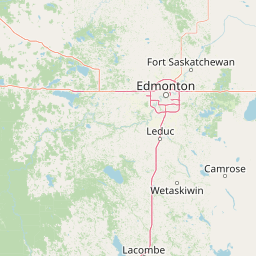
Map view of Elk Island National Park

Use this park location map to pinpoint Elk Island National Park in Canada, understand its exact geographic position, and read its mapped placement within the surrounding landscape more clearly.

Pigeon | © OpenStreetMap contributors

Location context for Elk Island National Park

Alberta
Park atlas

Compare surrounding protected landscapes and explore regional park geography around central Alberta.

Discover Nearby National Parks and Protected Areas Beyond Elk Island National Park
Continue your park discovery from Elk Island National Park by browsing other national parks and protected areas in the surrounding regional geography. This curated selection allows for atlas-style comparison, revealing connected protected landscapes and helping you trace the broader geographic spread of conservation efforts within Canada.
National parkCanada

Banff National Park: Exploring Canada's Iconic National Park Protected Landscape and Geography

Mapped park boundaries and regional geographic context for Banff National Park.

Gain a structured understanding of Banff National Park as a key protected area within Canada. This resource details its identity as a national park, providing insights into its geographic setting and mapped landscape. It serves as a vital point for atlas-based discovery, helping to contextualize Banff National Park's significance within Canada's protected lands and natural terrain.

Area
6,641 km²
Established
1885
IUCN
II
Visitors
4.1M annual
National parkAlberta

Jasper National Park National Park: Mapped Protected Landscape and Alberta Geography

Explore Alberta's regional park context and natural terrain.

Jasper National Park is a key protected national park in Alberta, Canada, offering extensive natural landscapes. This park page details its precise geographic location, outlines its protected boundaries, and provides context within the regional geography of Western Canada. Discover the mapped terrain and the park's significance as a protected area within a broader atlas perspective.

Area
10,878 km²
Established
1907
IUCN
II
Visitors
2.4M annual
National parkBritish Columbia

Kootenay National Park: National Park Protected Landscape and Geographic Context

Explore Kootenay National Park's mapped terrain and regional geography.

Kootenay National Park is a protected national park located in British Columbia, Canada. This dedicated detail page provides an atlas-style exploration of its geographic identity, focusing on its mapped boundaries and the surrounding natural terrain. Understand how Kootenay National Park fits into the larger regional geography, offering rich context for protected landscape discovery and analysis.

Area
1,406 km²
Established
1920
IUCN
II
Visitors
574.1K annual
National parkColumbia-Shuswap Regional District

Glacier National Park: A National Park within Canada's Protected Landscape Atlas

Explore its mapped boundaries and regional geography.

Glacier National Park represents a significant protected area entity within the broader Canadian geography. This page offers an atlas-oriented perspective on its identity as a national park, focusing on its mapped geographic spread and role as a conservation landscape. Users can explore the park's place within the Columbia-Shuswap Regional District and understand its distinct contribution to the national protected area framework.

Area
1,349 km²
Established
1886
IUCN
II
Visitors
4M annual
National parkSaskatchewan

Prince Albert National Park: Saskatchewan National Park and Protected Area Geography

Mapped Landscape Boundaries and Regional Natural Terrain Context

Prince Albert National Park represents a distinct national park entity within Saskatchewan, vital for understanding regional geography and protected landscapes. This page offers detailed insights into its mapped boundaries and the surrounding natural terrain. It is designed to help users comprehend the park's specific protected area identity and its contribution to the broader geographic atlas of Canada's natural spaces.

Area
3,874 km²
Established
1927
IUCN
II
Visitors
287.4K annual
National parkBritish Columbia

Mount Revelstoke National Park: Explore Protected Landscape Geography and Mapped Boundaries

British Columbia's National Park Atlas Entry

Delve into the protected landscape of Mount Revelstoke National Park, a critical national park located in British Columbia. This entry provides a detailed look at its mapped geographic extent and protected area identity, offering valuable context for regional atlas exploration. Understand the park's distinct contribution to the mapped natural landscapes of Canada.

Area
260 km²
Established
1914
IUCN
II
Visitors
775.2K annual
National parkAlberta

Waterton Lakes National Park: Alberta's Protected Landscape and Geographic Atlas

Explore mapped boundaries and regional terrain context.

Waterton Lakes National Park represents a vital protected area situated within the province of Alberta. This atlas view focuses on its mapped boundaries and the characteristic natural terrain, providing essential geographic context for understanding its significance. Discover its role as a national park and its placement within the regional geography of Western Canada, ideal for users seeking structured data on protected lands and landscape features.

Area
505 km²
Established
1895
IUCN
II
Visitors
475.8K annual
National parkMontana

Glacier National Park: A Montana National Park with Distinct Protected Landscape Geography

Explore its mapped boundaries and regional natural terrain.

Glacier National Park represents a significant national park entity within Montana, providing a unique lens for understanding protected landscapes and regional geography. As a key component of the US protected areas network, it offers valuable insights into mapped park boundaries and the surrounding natural terrain. This page serves as a gateway to exploring the specific geographic context and landscape identity of Glacier National Park.

Area
4,100.77 km²
Established
1910
IUCN
II
Visitors
2.9M annual

Common questions about visiting, size, designation, and location context for Elk Island National Park

Elk Island National Park FAQs for park facts, access, geography, and protected area context
Find quick answers about Elk Island National Park, including protected-area facts, park geography, trail and visitor context, and how the park fits into its surrounding country and regional landscape.
MoriAtlas Explorer

Continue Your Protected Areas Search Across the Global Atlas

Deepen your exploration by continuing the structured search for national parks and protected areas worldwide. Utilize the comprehensive filtering capabilities to compare different conservation landscapes and refine your understanding of global park geography. Discover more about the distribution and characteristics of protected natural areas.

Global natural geography