

Mori Atlas logo
National parkElsey National Park

Explore the geographic context and protected landscape character of Elsey National Park in Australia's Northern Territory.

Elsey National Park: A Northern Territory National Park Defined by Thermal Springs and Mapped Landscapes

Elsey National Park, a designated national park in Australia's Northern Territory, offers a unique glimpse into tropical savanna geography. Situated southeast of Darwin and near Mataranka, this protected area encompasses 138.96 square kilometers of diverse landscapes, most notably its famed thermal springs, including the Mataranka Thermal Pools. The park's terrain features riparian environments, extensive paperbark woodlands, and vital riverine systems, providing a rich context for understanding regional protected lands and their unique natural features through atlas-style exploration.

Thermal SpringsTropical SavannaNorthern TerritoryWetlandsRiparian ForestBat Colonies

Elsey National Park

National park

Park overview

Structured park overview, official facts, and landscape profile for Elsey National Park

Elsey National Park park facts, protected area profile, and essential visitor context

Review the core facts for Elsey National Park, including designation, size, terrain, visitor scale, habitats, and operating context in one park-focused overview.

About Elsey National Park

Elsey National Park occupies a significant position in the protected area network of Australia's Northern Territory, preserving a representative sample of tropical savanna and wetland ecosystems. The park's landscape is characterized by a mosaic of habitats including paperbark woodlands, riverine forests, seasonal floodplains, and the distinctive thermal spring environments that define much of its visitor appeal. The Mataranka Thermal Pools represent the park's most famous feature, with geothermally heated water emerging from deep underground to form warm, mineral-rich pools that have attracted visitors for decades. Beyond the thermal features, the park encompasses portions of the Roper River system and associated wetlands that support diverse ecological communities. The establishment of the park in 1991 reflected a growing recognition of the importance of preserving these tropical environments and the cultural and natural values they contain. The park is accessible via the town of Mataranka, which serves as a base for visitors exploring the area and its natural attractions.

Quick facts and research context for Elsey National Park

Elsey National Park is located in the Northern Territory, Australia, approximately 378 kilometers southeast of Darwin near the town of Mataranka. The park covers 138.96 square kilometers and was formally established in 1991. It is managed by the Parks and Wildlife Commission of the Northern Territory. The park receives around 207,700 visitors annually, making it one of the more visited protected areas in the Northern Territory. Key attractions include Mataranka Falls and the famous Mataranka Thermal Pools, which are natural thermal springs. The park sits within a tropical savanna region with distinctive wetland and riparian ecosystems.

Protection and recognition

Analyzing terrestrial management scope and official conservation status within documented regional frameworks

Elsey National Park Protected Area Designation and Terrestrial Status

Evaluating the terrestrial protection status of Elsey National Park provides verified insights into the official boundaries and managed scope of the landscape. Documented records trace the geographic designation history and terrestrial classification to support accurate regional park research and comparative analysis.

Protection details

Protection scope
Terrestrial
Transboundary protection
No
Park context

Deeper park guide and search-rich context for Elsey National Park

Elsey National Park history, landscape, wildlife, and travel context

Explore Elsey National Park through its history, landscape character, ecosystems, wildlife, conservation priorities, cultural context, and seasonal travel timing in a structured park guide built for atlas discovery and search intent.

Why Elsey National Park stands out

Elsey National Park is best known for its thermal springs, particularly the Mataranka Thermal Pools, which are among the most recognized natural attractions in the Northern Territory. The warm, clear waters of these thermal springs emerge from underground aquifers and create a distinctive visitor experience in the tropical landscape. The park is also notable for its population of little red fruit-bats (Pteropus scapulatus), which roost in bamboo stands near the thermal springs during the day and emerge at night to feed on nectar from local trees. These bats have become a recognizable part of the park's wildlife identity, though their presence also contributes to the distinctive atmosphere of the spring areas.

Elsey National Park history and protected-area timeline

Elsey National Park was formally established in 1991 as part of the Northern Territory's expanding network of protected areas during the late twentieth century. The creation of the park followed broader governmental efforts to conserve representative examples of the territory's diverse landscapes and ecosystems. Prior to formal protection, the Mataranka area and its thermal springs had long been known to local communities and had developed as a modest visitor destination. The park was named in reference to the Elsey region, with the naming reflecting historical use patterns and geographical associations of the area. Management of the park falls to the Parks and Wildlife Commission of the Northern Territory, which oversees visitor facilities, conservation programs, and ongoing park operations. The park's establishment coincided with increased attention to tourism development in the Northern Territory, and the thermal pools have remained a central draw for visitors exploring the region.

Elsey National Park landscape and geographic character

The landscape of Elsey National Park reflects the broader characteristics of tropical northern Australia, featuring a combination of riparian environments, woodland formations, and the distinctive thermal spring systems. The terrain is relatively flat, typical of the Barkly Tableland region, with the Roper River and its associated floodplains playing a central hydrological role. Paperbark trees (Melaleuca species) dominate much of the woodland, particularly in areas adjacent to waterways and drainage lines. The thermal springs emerge where geothermal conditions allow heated groundwater to reach the surface, creating pools of warm water that contrast with the surrounding tropical environment. The vegetation patterns reflect the seasonal nature of the rainfall, with distinct wet and dry season cycles influencing the overall appearance and character of the landscape throughout the year. Pandanus palms and various eucalyptus species also occur throughout the park, adding to the diversity of the woody vegetation.

Elsey National Park ecosystems, habitats, and plant life

The nature of Elsey National Park is defined by its tropical savanna setting and the presence of unique thermal spring ecosystems. The park contains a mix of habitats including riparian woodlands, paperbark forests, floodplain areas, and the specialized environments around the thermal springs. The thermal pool system supports distinctive ecological conditions, with warm water creating microhabitats that differ from the surrounding landscape. The surrounding woodlands support various bird species and other wildlife typical of northern Australian savanna environments. The floodplain and wetland areas provide important habitat for various waterbird species and other fauna associated with aquatic environments. The combination of permanent water at the thermal springs and the seasonal patterns of the broader landscape creates a diversity of ecological niches within the park's boundaries.

Elsey National Park wildlife and species highlights

Elsey National Park is home to notable wildlife populations, with the little red fruit-bat (Pteropus scapulatus) being particularly characteristic of the park's ecological identity. These bats form substantial colonies near the Mataranka Thermal Springs, roosting during the day in dense stands of bamboo and emerging at night to feed on nectar from flowering trees. The bats are a prominent feature of the park's wildlife, though their large numbers and roosting habits also contribute to the distinctive atmosphere of the spring areas through their presence and associated sounds. Beyond the bats, the park supports various bird species common to tropical northern Australia, including numerous waterbird species associated with the wetland and floodplain areas. The riparian environments provide habitat for various fish species and other aquatic fauna.

Elsey National Park conservation status and protection priorities

Elsey National Park plays an important role in the conservation of tropical savanna and wetland ecosystems in the Northern Territory. The protected area preserves representative examples of the region's distinctive landscapes and the ecological communities they support. The thermal springs represent a unique geological feature whose preservation is supported by the park's protected status. The management framework operated by the Parks and Wildlife Commission of the Northern Territory addresses ongoing conservation needs while also providing for visitor access and enjoyment. The park's location within the broader Northern Territory protected area network contributes to regional biodiversity conservation objectives, with the variety of habitats within the park supporting ecological diversity.

Elsey National Park cultural meaning and human context

The area around Elsey National Park has historical connections to Aboriginal peoples who have long inhabited the lands of the Northern Territory. The Mataranka area and its thermal springs have cultural significance within the broader regional context, though the available source material provides limited specific detail on the depth and nature of these associations. The town of Mataranka itself has historical significance related to early exploration and settlement patterns in the Northern Territory. The park's establishment and management occurs within the context of Aboriginal land rights and native title considerations that affect much of the Northern Territory.

Top sights and standout views in Elsey National Park

Elsey National Park's highlights center on the Mataranka Thermal Pools, where warm geothermally heated waters emerge to create inviting swimming opportunities in a tropical setting. The Bitter Springs area offers another location for visitors to experience the park's thermal waters. The park provides opportunities to observe the little red fruit-bat colonies that roost near the thermal springs, with these bats being most visible at dusk as they depart their daytime roosts to feed. The surrounding paperbark woodlands and riparian environments offer scenic driving and walking opportunities. The park's location near Mataranka makes it accessible for day visitors and those wishing to explore the broader Roper River region.

Best time to visit Elsey National Park

The best time to visit Elsey National Park corresponds with the cooler, drier months of the Australian winter and spring, roughly from May through October. During this period, temperatures are more moderate and comfortable for outdoor activities, and the park's landscapes tend to be more accessible. The wet season, from roughly November through April, brings higher temperatures and increased rainfall to the Northern Territory, which can affect visitor access and conditions within the park. The thermal springs can be appealing year-round due to the warm water temperatures, though the drier months generally offer more comfortable conditions for extended outdoor exploration. Visitor numbers tend to be higher during the cooler dry season, particularly around school holiday periods.
Monthly climate preview

Long-term temperature ranges and monthly precipitation averages for Elsey National Park

Elsey National Park Climate Normals and Annual Weather Patterns

Elsey National Park exhibits a measured annual temperature rhythm alongside distinct monthly precipitation variations across the sampled representative point. Examining the complete twelve-month climate profile provides deeper insight into long-term averages and temperature extremes.
Annual mean27 °C
22 °C32 °C
Jan28°
Feb28°
Mar27°
Apr26°
May24°
Jun22°
Jul22°
Aug24°
Sep29°
Oct31°
Nov32°
Dec30°
Warmest month
November

32 °C

Coolest month
June

22.4 °C

Wettest month
February

8.1 mm/day

Driest month
July

0 mm/day

Park location guide

Geography guide, regional context, and park location map for Elsey National Park

Elsey National Park park geography, regions, and map view in Australia

Understand where Elsey National Park sits in Australia through a broader geographic reading of the surrounding landscape, nearby location context, and its mapped position within the national park landscape.

How Elsey National Park fits into Australia

Australia is a constitutional monarchy and federal parliamentary democracy comprising six states and ten territories. With a population of nearly 28 million, it is one of the world's most urbanised countries, with most people concentrated on the eastern seaboard. The country has a high Human Development Index and is known for its cultural diversity, ancient Aboriginal heritage, and unique wildlife.

Wider geography shaping Elsey National Park in Australia

Australia occupies the entire Australian continent, the island of Tasmania, and numerous smaller islands. It is the world's flattest and driest inhabited continent, featuring vast deserts in the interior (the Outback), tropical rainforests along the eastern coast, and a coastline bordering the Indian and Pacific Oceans.

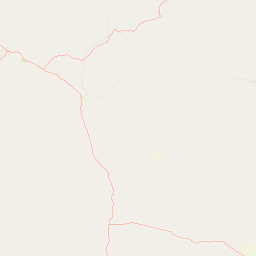
Map view of Elsey National Park

Use this park location map to pinpoint Elsey National Park in Australia, understand its exact geographic position, and read its mapped placement within the surrounding landscape more clearly.

Pigeon | © OpenStreetMap contributors

Location context for Elsey National Park

Northern Territory
Natural feature types

Trace the Natural Landscapes and Geographic Features of Elsey National Park

Examine the diverse environmental markers of Elsey National Park through this structured MoriAtlas collection. Investigate the spatial distribution of thermal pools, riparian zones, and forest tracts that contribute to the unique geographic profile of this Australian protected area.
Park atlas

Discover surrounding protected landscapes, thermal springs, and tropical savanna environments across Australia's Northern Territory.

Explore Other National Parks and Protected Areas Near Elsey National Park

Continue your exploration beyond Elsey National Park to find other protected areas and national parks across the diverse Northern Territory, tracing the geographic spread of thermal springs, riparian forests, and savanna woodlands. This focused view allows for direct comparison of conservation landscapes and unique natural features found within the broader tropical Australian region.
National parkNorthern Territory
65 km away#1 closest

Northwest

Nitmiluk National Park: Detailed Protected Landscape and Geographic Context

Explore mapped park boundaries and regional terrain.

Delve into the specifics of Nitmiluk National Park, a designated national park within the Northern Territory of Australia. This section focuses on its protected-area status and how its geography contributes to the regional landscape. Users can explore the park's mapped extent and understand its placement within the broader geographical atlas, highlighting its importance as a distinct protected natural area.

Area
2,946.64 km²
Established
1977
IUCN
II
Visitors
309.8K annual
Nature reserveNorthern Territory
About 76 km away#2 closest

Northwest

Cutta Cutta Caves Nature Park: A Tropical Karst and Cave Reserve in Northern Territory

Protected tropical limestone karst and subterranean landscape geography.

Cutta Cutta Caves Nature Park is a specialized protected area in Australia, safeguarding a unique tropical limestone karst landscape near Katherine. This reserve manages subterranean cave systems, mineral-rich chambers, and the surrounding woodland terrain. As a significant ecological site, it provides essential habitat for rare wildlife, highlighting the complex intersection of geological formations and tropical biodiversity within the Northern Territory.

Area
14.99 km²
Established
1967
IUCN
III
Visitors
17.2K annual
National parkAustralia
100 km away#3 closest

North

Kakadu National Park: Australia's Protected Landscape and Regional Geography

Explore Kakadu National Park's mapped boundaries and natural terrain.

Kakadu National Park stands as a significant national park entity within Australia, providing rich geographic context for atlas discovery. This page details the park's protected area identity, its mapped natural landscapes, and its place within the broader Australian continent's geography. Understand the unique regional setting and the specific topographic features that define Kakadu National Park for detailed exploration and comparative geographic analysis.

Area
19,804 km²
Established
1979
IUCN
II
Visitors
250K annual
Protected landscapeNorthern Territory
About 113 km away#4 closest

Northwest

Kintore Caves Conservation Reserve: Karst Geography and Protected Landscape Analysis

Mapping subterranean terrain and cultural heritage in Australia's Northern Territory.

Kintore Caves Conservation Reserve in the Northern Territory is a vital protected area defined by its rare limestone karst geology and extensive cave networks. This site provides a concentrated look at subterranean biodiversity and archaeological history within a transitional rural setting near Katherine, showcasing the importance of focused conservation boundaries in safeguarding geological and human-linked landscapes.

Area
4.23 km²
Established
1965
IUCN
V
Access
Access unknown
National parkNorthern Territory
137 km away#5 closest

East

Limmen National Park: Explore Australia's Northern Territory National Park & Protected Landscape

Discover mapped geography and regional context for this protected area.

Limmen National Park stands as a distinct protected area within the Northern Territory, offering valuable insights for geographic exploration. This national park serves as a focal point for understanding the mapped landscape and the broader regional context of protected lands in Northern Australia. Its identity as a national park contributes significantly to the geographic narrative of the territory, making it a crucial point for atlas-based discovery.

Area
9,369.26 km²
Established
2012
IUCN
II
Relief
Upland
Nature reserveNorthern Territory
About 159 km away#6 closest

Northeast

Wongalara Sanctuary: Protected Landscapes and Top End Geography

Nature reserve featuring sandstone escarpments and savannah woodlands

Wongalara Sanctuary acts as a vital nature reserve and ecological refuge within Australia's Northern Territory. Spanning rugged sandstone plateaus, monsoon rainforests, and seasonal wetlands, the protected area maintains a rare, feral herbivore-free environment that supports extensive biodiversity across its mapped river corridors.

Area
1,910 km²
Established
2007
Relief
Upland
Climate
Tropical
Nature reserveNorthern Territory
About 160 km away#7 closest

West

Giwining / Flora River Nature Park: Protected Limestone Landscapes of Northern Territory

Geological spring systems and tropical riverine corridors.

The landscape of Giwining / Flora River Nature Park is defined by a network of calcium-rich springs emerging from Tindall Limestone. These waters have sculpted tufa dams and cascading waterfalls along the Flora River, creating a unique geological environment within the savanna woodlands of the Northern Territory.

Area
78.24 km²
Established
1993
IUCN
V
Relief
Lowland
Watercolor illustration showing rolling green hills, a red rock formation, and scattered trees
National parkNorthern Territory
194 km away#8 closest

Southwest

Judbarra National Park: Northern Territory National Park Protected Landscape and Geography

Discover its mapped terrain and ancient Indigenous rock art.

Judbarra National Park is a major national park in Australia's Northern Territory, recognized for its extensive Indigenous rock art, which constitutes a significant artistic province. Spanning a vast area with two distinct geographic sections, the park showcases a transition between tropical and semi-arid ecosystems. Users can explore its rugged terrain, sandstone escarpments, and mapped park boundaries to understand its unique regional geographic context and rich cultural heritage.

Area
13,004.1 km²
Established
1990
IUCN
II
Relief
Mixed relief

Common questions about visiting, size, designation, and location context for Elsey National Park

Elsey National Park FAQs for park facts, access, geography, and protected area context

Find quick answers about Elsey National Park, including protected-area facts, park geography, trail and visitor context, and how the park fits into its surrounding country and regional landscape.
MoriAtlas Explorer

Continue Your Protected Areas Search Across the Global Atlas

Deepen your exploration by continuing the structured search for national parks and protected areas worldwide. Utilize the comprehensive filtering capabilities to compare different conservation landscapes and refine your understanding of global park geography. Discover more about the distribution and characteristics of protected natural areas.

Global natural geography