

Mori Atlas logo
National parkExuma Cays Land and Sea Park

Discover the mapped boundaries and regional context of this protected marine and island territory.

Exuma Cays Land and Sea Park: Bahamas National Park and Protected Landscape Geography

Exuma Cays Land and Sea Park represents a vital protected landscape within the Bahamas, offering a unique atlas perspective on its geographic spread and natural features. This national park, situated within the archipelago, provides a clear example of conservation efforts mapped against the surrounding marine and island geography. Users can explore the park's defined boundaries and understand its significance as a protected area within the broader context of the Bahamas.

Marine protected areaCaribbean islandsMangrove ecosystemsMarine conservationCoral reefsBahamas protected areas

Exuma Cays Land and Sea Park

National park

Park overview

Structured park overview, official facts, and landscape profile for Exuma Cays Land and Sea Park

Exuma Cays Land and Sea Park park facts, protected area profile, and essential visitor context
Review the core facts for Exuma Cays Land and Sea Park, including designation, size, terrain, visitor scale, habitats, and operating context in one park-focused overview.

About Exuma Cays Land and Sea Park

The Exuma Cays Land and Sea Park represents a unique experiment in conservation, protecting both the terrestrial islands and surrounding marine waters of the Exuma Cays chain. This extensive protected area encompasses dozens of cays stretching along the eastern coast of Great Exuma, creating a continuous sanctuary that bridges land and sea ecosystems. The park was conceived in 1953 when Daniel Beard, superintendent of Everglades National Park, recognized the ecological significance of the Exuma Cays during a visit and proposed setting aside portions as a protected area. His proposal received enthusiastic support and eventually led to the formal establishment of the park in 1958 under the management of the newly formed Bahamas National Trust. The park's headquarters on Warderick Wells Island serve as the administrative center and a popular destination for boaters exploring the Bahamian out islands. The protected status has allowed marine ecosystems to flourish, with the 1985 designation as a replenishment zone creating a no-take area that benefits not only species within the park but also surrounding waters as mature individuals disperse beyond boundaries.

Quick facts and research context for Exuma Cays Land and Sea Park

The Exuma Cays Land and Sea Park covers approximately 112,640 acres spanning both land and sea in the central Bahamas. Established in 1958, it was among the earliest marine protected areas in the Caribbean. The park headquarters are located on Warderick Wells Island, a popular anchorage for cruising sailboats and yachts. Vegetation across the cays consists primarily of mangrove communities with low scrub on eastern shores and taller scrub on western sides. The park is known for its epiphytic orchids and bromeliads, which grow abundantly in the island environments.

Park context

Deeper park guide and search-rich context for Exuma Cays Land and Sea Park

Exuma Cays Land and Sea Park history, landscape, wildlife, and travel context
Explore Exuma Cays Land and Sea Park through its history, landscape character, ecosystems, wildlife, conservation priorities, cultural context, and seasonal travel timing in a structured park guide built for atlas discovery and search intent.

Why Exuma Cays Land and Sea Park stands out

The Exuma Cays Land and Sea Park is best known for its pioneering marine protection model and the dramatic contrast between its terrestrial scrub landscapes and thriving underwater environments. It is renowned for being one of the first marine parks in the Bahamas and the Caribbean, established decades before modern marine protected area concepts became widespread. The park is also famous for the 1985 decision to create a protected replenishment zone where all fishing is prohibited, making it one of the few places in the region where marine life can mature without fishing pressure. The endangered Allen Cays rock iguana and the rare Bahamian hutia are flagship terrestrial species, while the healthy coral reefs and abundant conch, grouper, and lobster populations demonstrate the success of the protection model.

Exuma Cays Land and Sea Park history and protected-area timeline

The establishment of Exuma Cays Land and Sea Park traces back to 1953 when Daniel Beard, then superintendent of Everglades National Park, visited the Exuma Cays and proposed setting aside portions as a protected area. His proposal received immediate enthusiasm and support from Nassau newspapers. In 1955, a formal proposal was submitted to colonial authorities, and on February 13, 1956, the Governor of the Bahamas confirmed that 22 miles of the Exuma Cays had been set aside, contingent on an organization undertaking to provide recommendations and financial support. Carleton Ray, assistant director of the New York Aquarium, and Jack Gabow led a survey expedition and recommended that the Bahamas National Trust be established to oversee the proposed park. This recommendation shaped the future of Bahamian conservation, as the Bahamas National Trust was created specifically to manage protected areas like the Exuma Cays Land and Sea Park. The park was formally established in 1958, making it one of the earliest marine protected areas in the world.

Exuma Cays Land and Sea Park landscape and geographic character

The Exuma Cays Land and Sea Park encompasses a chain of low-lying islands stretching along the eastern edge of the Exuma Sound. The cays feature distinctive vegetation patterns with mangrove communities dominating coastal areas, while the eastern sides are covered in low scrub vegetation and the western sides support taller scrub growth. The islands are characterized by their relatively flat terrain, typical of Bahamian out islands, with scattered coppice vegetation and exposed limestone bedrock. Epiphytic orchids and bromeliads add botanical interest to the landscape, growing on trees and shrubs throughout the cays. The marine component of the park protects the shallow waters, coral reefs, and seagrass beds that surround the islands, creating a seamless transition between terrestrial and marine environments.

Exuma Cays Land and Sea Park ecosystems, habitats, and plant life

The Exuma Cays Land and Sea Park protects a remarkable diversity of habitats spanning both terrestrial and marine domains. The terrestrial environment features mangrove communities along coastlines, transitioning to scrub vegetation inland. The epiphytic orchids and bromeliads that thrive in the island environments represent significant botanical assets, adding color and ecological complexity to the landscape. The marine environment encompasses coral reef systems, seagrass beds, and open water habitats that support extraordinary biodiversity. The park's protection model recognizes the interconnectedness of these systems, with terrestrial runoff and coastal processes directly influencing marine water quality and ecosystem health.

Exuma Cays Land and Sea Park wildlife and species highlights

The Exuma Cays Land and Sea Park supports several notable species that depend on its protected status for survival. The Bahamian hutia, the only terrestrial mammal native to the Bahamas, was introduced into the park in 1973 and has established a population on the protected islands. The endangered Allen Cays rock iguana, a subspecies of Cyclura cychlura, inhabits several islands within the park and represents a significant conservation priority. Seabird populations are abundant, with nesting species including Sargasso shearwater, white-tailed tropicbird, brown noddy, and six species of terns including bridled, least, roseate, royal, sandwich, and sooty terns. The marine environment supports diverse fish populations, conch, grouper, and lobster, with the 1985 protection measures allowing these species to breed successfully and mature without fishing pressure.

Exuma Cays Land and Sea Park conservation status and protection priorities

The Exuma Cays Land and Sea Park represents a pioneering conservation model that was ahead of its time when established in 1958. The decision in 1985 to designate the park as a protected replenishment zone, where all fishing is prohibited, marked a significant conservation milestone for the Bahamas and the wider Caribbean. This no-take policy has proven effective, with evidence showing that more marine species are reaching adulthood within the park and subsequently restocking areas beyond its boundaries. The protection approach recognizes that marine protected areas serve as critical spawning and nursery grounds that benefit fisheries throughout the surrounding region. Ospreys, known locally as fishhawks, remain the only creatures permitted to fish within the park boundaries, symbolizing the comprehensive nature of the protection.

Exuma Cays Land and Sea Park cultural meaning and human context

The Exuma Cays have long been associated with seafaring communities and traditional Bahamian island life. The park headquarters on Warderick Wells Island reflect this maritime heritage, serving as a traditional stopping point for cruising sailboats and yachts navigating the Exuma Sound. A unique cruiser custom involves leaving driftwood signs displaying boat names at the top of Boo Boo Hill, creating a distinctive cultural landscape that visitors contribute to annually. The park exists within a broader context of traditional fishing and subsistence use that shaped the Exuma Cays for generations before protection was established.

Top sights and standout views in Exuma Cays Land and Sea Park

The Exuma Cays Land and Sea Park stands out as one of the earliest and most successful marine protected areas in the Caribbean. Its comprehensive protection of both terrestrial and marine environments within a single park boundaries sets it apart from many other protected areas. The 1985 replenishment zone designation, which prohibits all fishing within park limits, represents a bold conservation stance that has yielded measurable benefits for marine populations. The park provides critical habitat for the endangered Allen Cays rock iguana and the rare Bahamian hutia, both species of significant conservation concern. The warderick Wells headquarters offer a unique entry point for visitors exploring the park by boat, with nature trails and panoramic views from Boo Boo Hill.

Best time to visit Exuma Cays Land and Sea Park

The Exuma Cays Land and Sea Park can be visited year-round, with the Bahamas enjoying a subtropical climate throughout the year. The winter months from December through April typically offer the most comfortable conditions with lower humidity and minimal rainfall, making this period popular for boaters and visitors. Summer months bring higher temperatures and the possibility of tropical storms, though the protected waters of the Exuma Sound generally provide safe anchoring. The park's popularity with cruising sailors means that the winter season sees increased boat traffic at anchorages like Warderick Wells. Wildlife viewing opportunities exist throughout the year, though seabird nesting seasons and marine activity patterns may influence the character of a visit.
Park location guide

Geography guide, regional context, and park location map for Exuma Cays Land and Sea Park

Exuma Cays Land and Sea Park park geography, regions, and map view in Bahamas
Understand where Exuma Cays Land and Sea Park sits in Bahamas through a broader geographic reading of the surrounding landscape, nearby location context, and its mapped position within the national park landscape.

How Exuma Cays Land and Sea Park fits into Bahamas

The Bahamas is an island nation in the Atlantic Ocean, forming part of the Lucayan Archipelago. It consists of more than 3,000 islands, cays and islets located north of Cuba, northwest of Hispaniola, and southeast of Florida. The country gained independence from Britain in 1973 and operates as a constitutional monarchy under King Charles III, with Nassau as its capital and largest city.

Wider geography shaping Exuma Cays Land and Sea Park in Bahamas

The Bahamas occupies the Lucayan Archipelago in the Atlantic Ocean. The island chain is positioned north of Cuba, northwest of Hispaniola (shared by the Dominican Republic and Haiti), southeast of the US state of Florida, and east of the Florida Keys. The territory spans over 3,000 islands, cays and islets, with the total land area being 13,943 km². The Royal Bahamas Defence Force claims approximately 470,000 km² of surrounding ocean space.

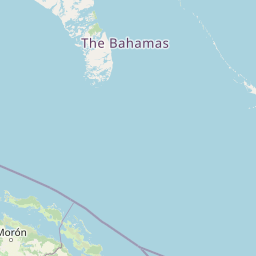
Map view of Exuma Cays Land and Sea Park

Use this park location map to pinpoint Exuma Cays Land and Sea Park in Bahamas, understand its exact geographic position, and read its mapped placement within the surrounding landscape more clearly.

Pigeon | © OpenStreetMap contributors

Location context for Exuma Cays Land and Sea Park

Exuma
Park atlas

Trace the regional park geography and related protected landscapes surrounding Exuma Cays.

Compare Other National Parks and Protected Areas Near Exuma Cays Land and Sea Park
Explore more national parks and marine protected areas in the Bahamas, continuing your discovery beyond Exuma Cays Land and Sea Park into adjacent island chains and vital Caribbean conservation landscapes. Compare diverse terrestrial, mangrove, and coral reef ecosystems across these regional protected areas for deeper geographic context and atlas-style understanding of their conservation models.
National parkBahamas

Bonefish Pond National Park: Essential Bahamas Coastal Wetland & Marine Nursery

Mapped protected area, mangrove ecosystem, and habitat for key marine species.

Bonefish Pond National Park, a protected national park on New Providence island in The Bahamas, is essential for its role as a thriving marine nursery. The park's landscape features extensive red mangrove forests, tidal channels, and shallow lagoons crucial for juvenile bonefish, crawfish, and conch. This area highlights effective wetland restoration and conservation, offering valuable insights into Caribbean coastal protected landscapes and their geographic importance.

Area
5 km²
Established
2002
IUCN
II
Relief
Lowland
National parkBahamas

Primeval Forest National Park: A Protected Landscape within the Bahamas Archipelago

Explore mapped boundaries and regional geography in the Lucayan Archipelago.

Primeval Forest National Park serves as a key protected area within the Bahamas, offering a focused view of island geography and conservation landscapes. This national park is a critical element for understanding the archipelago's natural terrain and mapped protected lands. Its presence provides valuable geographic context, allowing for detailed exploration of its boundaries and its place within the broader Bahamian atlas.

Established
2002
Relief
Mixed relief
Climate
Tropical
Access
Easy access
National parkAndros

Crab Replenishment Reserve National Park: Explore Andros Protected Landscape Boundaries

Mapped geography and regional park context

Investigate Crab Replenishment Reserve National Park, a significant protected landscape located in the Andros region. This page provides detailed atlas-style information, focusing on the park's mapped boundaries and its specific geographic setting. Understand how this national park contributes to the regional protected area network and its overall landscape identity for atlas-driven exploration.

Area
16 km²
Established
2002
IUCN
II
Relief
Lowland
National parkBahamas

West Side National Park National Park: Extensive Protected Landscape in the Bahamas

Mapped marine and mangrove ecosystems, plus pine forest terrain

Delve into the geographical identity of West Side National Park, a protected national park in the Bahamas renowned for its vast scale and diverse ecosystems. This landscape features significant Caribbean pine forests transitioning into extensive, intact mangrove systems along its coastlines, integrating directly with vital marine habitats. As one of the largest protected areas in the Caribbean, its ecological representation from land to sea offers a unique atlas perspective on Bahamian natural heritage and conservation.

Area
6,070 km²
Established
2002
IUCN
II
Relief
Mixed relief
National parkBahamas

North and South Marine Parks National Park: Geographic Atlas and Protected Landscape in the Bahamas

Mapping Bahamian protected marine geography and its national park boundaries.

Delve into the atlas-view of North and South Marine Parks, a key national park in the Bahamas. This page details the park's specific geographic features and its protected landscape identity within the island nation. Understand its placement and significance as a protected marine area contributing to the regional geography.

Area
20 km²
Established
2002
IUCN
II
Climate
Tropical
National parkAndros

Blue Holes National Park: A National Park for Detailed Geographic and Landscape Exploration

Explore mapped boundaries and regional terrain context.

Delve into the specifics of Blue Holes National Park, a designated national park offering rich opportunities for geographic discovery. This entry provides structured information focused on its protected landscape identity, mapped outlines, and its contribution to the regional geography of Andros, Bahamas. Understand the park's unique setting through detailed map context and atlas-driven insights.

Area
162 km²
Established
2002
IUCN
II
Relief
Mixed relief
National parkExuma

Moriah Harbour Cay National Park: Protected Area Atlas and Geographic Context within Exuma

Explore mapped boundaries and landscape identity.

Gain a comprehensive understanding of Moriah Harbour Cay National Park as a protected landscape within the Exuma region. This entry provides essential geographic context, detailing its mapped territory and unique natural characteristics for atlas-based discovery. Understand the park's significance through its protected area designation and its place within the broader Bahamian geography.

Area
68 km²
Established
2002
Relief
Lowland
Scope
Mixed
National parkSouth Abaco

Abaco National Park: Bahamian National Park with Mapped Protected Landscape

Explore its geographic setting and protected area boundaries.

Abaco National Park stands as a designated national park within the Bahamas, contributing to the conservation of its unique protected landscapes. This entry provides detailed insights into its geographic positioning in South Abaco, focusing on the mapped extent of its protected area and its broader regional landscape context for atlas exploration.

Area
83 km²
Established
1994
Climate
Tropical
Scope
Terrestrial

Common questions about visiting, size, designation, and location context for Exuma Cays Land and Sea Park

Exuma Cays Land and Sea Park FAQs for park facts, access, geography, and protected area context
Find quick answers about Exuma Cays Land and Sea Park, including protected-area facts, park geography, trail and visitor context, and how the park fits into its surrounding country and regional landscape.
MoriAtlas Explorer

Continue Your Protected Areas Search Across the Global Atlas

Deepen your exploration by continuing the structured search for national parks and protected areas worldwide. Utilize the comprehensive filtering capabilities to compare different conservation landscapes and refine your understanding of global park geography. Discover more about the distribution and characteristics of protected natural areas.

Global natural geography