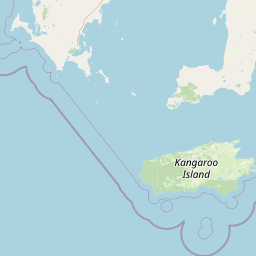
Why Flinders Chase National Park stands out
Flinders Chase National Park is renowned for two spectacular geological monuments: the Remarkable Rocks, naturally sculptured granite formations precariously balanced atop a coastal outcrop, and the dramatic coastal landscapes around Cape du Couedic featuring Admirals Arch, a natural stone archway. The park is also famous as a sanctuary for endangered Australian wildlife, particularly koalas, platypus, and diverse bird species that have thrived in this predator-controlled environment away from the mainland.
Flinders Chase National Park history and protected-area timeline
The establishment of Flinders Chase traces to 1906 when a deputation of scientists lobbied South Australian Premier Tom Price to protect Kangaroo Island's wildlife. The government initially set aside the Cape Borda lighthouse reserve as a nature reserve in 1906, followed by conversion of additional pastoral land to nature reserve in 1909 under the Fauna and Flora Board. The reserve was named Flinders Chase at the suggestion of Samuel Dixon, chosen for its evocative connection to the island's coastal character. The park was formally declared as a flora and fauna reserve on 16 October 1919 under the Fauna and Flora Reserve Act 1919, specifically established to protect and propagate Australasian fauna and flora. By 1922, the reserve expanded to nearly 200 square miles through incorporation of the Rocky River freehold. The area was proclaimed as a national park on 27 April 1972 under the National Parks and Wildlife Act 1972, which repealed the earlier Fauna and Flora Reserve Act. In 1993, significant land was removed and redesignated as the Ravine des Casoars Wilderness Protection Area under the Wilderness Protection Act 1992.
Flinders Chase National Park landscape and geographic character
The landscape of Flinders Chase National Park is characterized by dramatic coastal scenery and inland woodland environments. The Cape du Couedic section features rugged cliffs, rocky shores, and the famous Admirals Arch, a natural rock formation carved by relentless ocean waves. The Remarkable Rocks are perched atop a granite dome in the southern part of the park, creating an otherworldly landscape of balanced boulders and sculptured rock forms. The Gosse Lands portion encompasses more vegetated terrain with woodland and heathland communities. The park also protects several offshore islands including Paisley Islet at West Bay and the Casuarina Islets near Cape du Couedic. The coastline ranges from sandy bays to rocky headlands, while the interior features rolling terrain and river systems including the Rocky River and De Mole River.
Flinders Chase National Park ecosystems, habitats, and plant life
Flinders Chase National Park protects diverse habitats that support significant biodiversity. The park's island setting and protection from mainland predators has allowed native species to flourish. The vegetation communities include coastal heath, woodland, and forest ecosystems adapted to Kangaroo Island's Mediterranean climate. The absence of foxes has been particularly crucial for ground-nesting birds and small mammals. The park's ecosystems support numerous species that have declined or disappeared from the Australian mainland due to predation and habitat loss. Wetland areas associated with the Rocky River and De Mole River provide habitat for aquatic species, while the coastal and island habitats support marine and seabird populations.
Flinders Chase National Park wildlife and species highlights
Flinders Chase functions as an important wildlife sanctuary, with many species introduced from the Australian mainland during the 1920s and 1930s now thriving in the protected environment. Koalas, introduced in 1923, are commonly observed throughout the park, often visible in eucalypt trees along roads and walking tracks. Platypus, introduced in 1928, inhabit the freshwater streams and rivers. Western grey kangaroos are abundant, often seen grazing in open areas, while goannas and echidnas are commonly encountered. The park supports diverse birdlife including species that have declined on the mainland. Historically, little penguins nested in the park during the 1920s through 1950s, though these colonies are believed to have since gone extinct, possibly due to increased long-nosed fur seal populations.
Flinders Chase National Park conservation status and protection priorities
As South Australia's second national park, Flinders Chase represents a landmark in Australian conservation history. The park was specifically established to provide a refuge for wildlife threatened on the Australian mainland, particularly from fox predation. The island's isolation from the mainland has enabled successful conservation of species that cannot survive in continental environments. The park contains geological monuments of national significance recognized by the Geological Society of Australia. Fire management remains a critical challenge, with major events in 2007 and 2019-20 significantly impacting the park's ecosystems. The park's IUCN Category II designation reflects its primary purpose of protecting natural ecosystems while allowing sustainable visitor access.
Flinders Chase National Park cultural meaning and human context
The cultural landscape of Flinders Chase reflects both Aboriginal connection to Kangaroo Island and more recent European settlement history. The park's name was chosen in 1919 by Samuel Dixon, reflecting the area's coastal character and the broader exploration heritage of the region. The former Cape Borda Lightstation reserve represents European maritime heritage, with the lighthouse having played a crucial role in guiding ships along the dangerous southern Australian coast. The park also encompasses land previously used for pastoral purposes before conversion to conservation protection, reflecting the broader historical pattern of land use change on Kangaroo Island.
Top sights and standout views in Flinders Chase National Park
Flinders Chase National Park offers exceptional natural attractions including the iconic Remarkable Rocks with their surreal balanced granite formations, Admirals Arch with its dramatic coastal rock arch, and the historic Cape Borda lighthouse. The park provides excellent wildlife viewing opportunities, particularly for koalas, kangaroos, echidnas, and platypus. The three-section park offers diverse experiences from coastal cliff landscapes to interior woodland environments. The Bunker Hill lookout provides panoramic views across the park's wilderness. Walking trails traverse the various landscapes, and the visitor center, rebuilt after the 2019-20 fires, serves as an interpretive hub for understanding the park's natural and cultural values.
Best time to visit Flinders Chase National Park
The best time to visit Flinders Chase National Park is during the Australian spring and summer months from October through March, when the weather is generally mild and clear. This period offers optimal conditions for exploring the park's outdoor attractions and wildlife viewing. Winter months (June to August) can bring wet and windy conditions, though the park remains accessible. Summer fires remain a risk, as demonstrated by past significant bushfire events. The shoulder seasons of spring and autumn provide pleasant temperatures and good wildlife viewing opportunities, with wildflower displays in spring adding to the park's appeal. Visitors should check current conditions and any fire advisories before planning trips.