

Mori Atlas logo
Wildlife reserveGeorge D. Aiken Wilderness

Mapping the rugged forest terrain and wilderness boundaries in Bennington County, Vermont

George D. Aiken Wilderness: A Protected Wildlife Reserve in the Southern Green Mountains

The George D. Aiken Wilderness represents a vital stretch of federally protected landscape within the southern Green Mountains of Vermont. Managed by the U.S. Forest Service, this wildlife reserve encompasses dense northern hardwood forests, steep ridgelines, and rocky terrain that define the ecological character of Bennington County. Its roadless character provides a high standard of environmental preservation, serving as a key component of the broader Green Mountain National Forest network.

wilderness areaGreen Mountain National ForestUS Forest ServiceVermontBennington Countynorthern hardwood forest

George D. Aiken Wilderness

Wildlife reserve

Park overview

Structured park overview, official facts, and landscape profile for George D. Aiken Wilderness

George D. Aiken Wilderness park facts, protected area profile, and essential visitor context

Review the core facts for George D. Aiken Wilderness, including designation, size, terrain, visitor scale, habitats, and operating context in one park-focused overview.

About George D. Aiken Wilderness

The George D. Aiken Wilderness is a federally protected wilderness area in the southern Green Mountains of Vermont and one of eight such areas within the Green Mountain National Forest. It lies in Bennington County, near the town of Woodford, occupying a rugged, heavily wooded stretch of the range that exemplifies the kind of remote, roadless terrain the National Wilderness Preservation System was designed to safeguard.

Although Vermont is a small state, its landscape includes substantial wilderness-quality land within the Green Mountain National Forest. The George D. Aiken Wilderness contributes to that system with roughly 4,800 acres of forested upland. The terrain is characterized by mixed northern hardwood forests, steep slopes, and narrow ridges typical of the southern Green Mountains. Because the area is protected as wilderness rather than as general national forest land, it is shielded from motor vehicles, mechanical equipment, and most forms of development, preserving a quieter character than surrounding lands.

The wilderness takes its identity in part from its namesake. George Aiken, a Vermont senator who served for decades and was deeply engaged in forest and conservation policy, helped shape the legislative pathway through which Eastern wilderness areas gained federal recognition. Naming this area after him reflects both Vermont's strong tradition of state-level conservation leadership and the role individual lawmakers played in expanding wilderness protection beyond the West.

For visitors and researchers, the George D. Aiken Wilderness serves as a representative example of a small-scale, Eastern wilderness area, where high protection standards meet a relatively compact, trail-based landscape. Its presence anchors Green Mountain National Forest's wilderness system in the southern part of the state, complementing other wilderness units further north along the range.

Quick facts and research context for George D. Aiken Wilderness

The George D. Aiken Wilderness covers approximately 4,800 acres in the southwestern corner of Vermont, within Bennington County. It sits inside the Green Mountain National Forest and is administered by the U.S. Forest Service. Designated in 1984 under the Vermont Wilderness Act, the area is classified as a wilderness area under the higher-protection standards that govern such lands. Its administrative and ecological setting, combined with its connection to Senator George Aiken's legacy, define its identity more than its sheer size.

Protection and recognition

Examine the terrestrial protected area designation and management scope details.

George D. Aiken Wilderness Protection Status and International Recognition

George D. Aiken Wilderness holds a recorded terrestrial protection status outlining its conservation framework and management scope. Review the official protected area designation metrics and international recognition records associated with this wilderness landscape.

Protection details

Protection scope
Terrestrial
Transboundary protection
No
Park context

Deeper park guide and search-rich context for George D. Aiken Wilderness

George D. Aiken Wilderness history, landscape, wildlife, and travel context

Explore George D. Aiken Wilderness through its history, landscape character, ecosystems, wildlife, conservation priorities, cultural context, and seasonal travel timing in a structured park guide built for atlas discovery and search intent.

Why George D. Aiken Wilderness stands out

The George D. Aiken Wilderness is best known as the Green Mountain National Forest wilderness named for Senator George Aiken, one of the architects of the Eastern Wilderness Areas Act. It is recognized for its steep, forested Green Mountain terrain, its role as one of eight wilderness components within the national forest, and its standing as one of the relatively few federally designated wilderness areas in Vermont.

George D. Aiken Wilderness history and protected-area timeline

The George D. Aiken Wilderness was formally designated in 1984 through the Vermont Wilderness Act, signed into law as part of a broader effort to expand the National Wilderness Preservation System into the historically underrepresented forests of the Eastern United States. Its creation followed nearly a decade of momentum that began with the Eastern Wilderness Areas Act of 1975, a piece of legislation that opened the door for New England and Appalachian forests to be considered for wilderness status.

The area is named for George Aiken, who served as a U.S. senator from Vermont from 1941 to 1975 and was a prominent advocate for the Eastern Wilderness Areas Act. Aiken's long career and his role in promoting wilderness policy in a region traditionally overlooked by the early wilderness movement gave the designation both symbolic and practical significance. By the time the Vermont Wilderness Act was passed, Aiken was in his nineties, and the wilderness named in his honor became part of his lasting conservation legacy.

Since 1984, the wilderness has been administered by the U.S. Forest Service as part of the Green Mountain National Forest. Its relatively small size and the surrounding network of wilderness areas to the north and east reflect a deliberate, piece-by-piece strategy of conserving Vermont's most ecologically valuable and least road-affected forest land.

George D. Aiken Wilderness landscape and geographic character

The George D. Aiken Wilderness occupies a section of the southern Green Mountains marked by steep terrain, narrow ridgelines, and densely forested slopes. Elevations vary across the wilderness, creating the kind of localized relief that produces cool hollows, shaded drainages, and exposed upper slopes within a relatively small geographic footprint. The area sits near Woodford, a small town on the eastern side of the southern Green Mountains.

The character of the land is strongly wooded. Mixed northern hardwood species dominate the canopy, with conifers becoming more common at higher elevations and along cooler, moister microhabitats. Rocky outcrops and boulder fields are typical of the region's glacial and bedrock geology, and small streams and seeps feed into the broader Green Mountain watershed system. Because the area has remained roadless and unmanaged under wilderness standards, the terrain retains a more natural and less altered feel than many nearby national forest lands.

George D. Aiken Wilderness ecosystems, habitats, and plant life

Ecologically, the George D. Aiken Wilderness represents a classic example of southern Green Mountain forest ecosystems. The wilderness is dominated by northern hardwood forest communities, often with sugar maple, American beech, yellow birch, and white ash contributing to the canopy. At higher, cooler sites, conifers such as red spruce and eastern hemlock become more prominent, giving the landscape a layered, multi-aged character typical of mature Northeastern forests.

Because the area is protected as wilderness, natural processes such as wind disturbance, ice damage, and succession unfold with comparatively minimal human intervention. This allows the forest to develop standing dead wood, downed logs, and canopy gaps that are critical for understory diversity, soil health, and a wide range of forest-interior species. The wilderness also contributes to watershed protection in the region, helping to maintain water quality in nearby streams that flow into Vermont's broader river systems.

Although the wilderness is small, its protected status amplifies its ecological value by placing strict limits on resource extraction, road-building, and other forms of development adjacent forests may face.

George D. Aiken Wilderness wildlife and species highlights

The wildlife of the George D. Aiken Wilderness reflects the mosaic of habitats found across the southern Green Mountains. Black bears are among the larger mammals that use the area, and white-tailed deer are common throughout the surrounding forest mosaic. Smaller forest mammals, including red and gray foxes, porcupines, raccoons, and various squirrel and chipmunk species, occupy different niches across the wilderness.

Songbirds associated with mature northern hardwood and mixed conifer-hardwood forests make up much of the area's seasonal and breeding birdlife. Species typical of interior New England forests thrive in the dense, multi-layered canopy and in the more open, regenerating patches created by natural disturbance. Raptors such as broad-winged hawks and red-tailed hawks are also part of the broader ecological community, using the ridgelines and open sky above the forest.

Because the wilderness is small and surrounded by other forested lands, its wildlife populations are not isolated but connected to the larger Green Mountain ecosystem. This connectivity is one of the reasons the wilderness contributes meaningfully to regional biodiversity conservation despite its compact area.

George D. Aiken Wilderness conservation status and protection priorities

As a federally designated wilderness area, the George D. Aiken Wilderness carries the highest level of land protection afforded to U.S. Forest Service lands. Motorized vehicle use, mechanized equipment, logging, and most forms of development are prohibited, allowing the forest to function primarily under natural ecological processes rather than active management.

The wilderness is part of the Green Mountain National Forest's broader wilderness system, which includes seven other designated areas. Together, these wilderness units form a network of protected forest reserves spread across Vermont's central spine, ensuring that even in a heavily forested, heavily used state, large blocks of roadless land remain. The George D. Aiken Wilderness reinforces this system in the southern portion of the state.

Its conservation significance is also tied to its cultural and political lineage. By being named for George Aiken and designated under the Vermont Wilderness Act of 1984, the wilderness represents a tangible outcome of the Eastern wilderness movement, demonstrating how advocacy at the federal and state levels translated into permanent on-the-ground protection of New England forest landscapes.

George D. Aiken Wilderness cultural meaning and human context

The cultural identity of the George D. Aiken Wilderness is closely tied to Vermont's tradition of state-level conservation leadership and to the long political career of George Aiken. Aiken was one of the most prominent Vermont politicians of the twentieth century and a respected voice on rural and environmental issues. Naming a wilderness area after him linked the region's natural heritage with the state's political and civic history.

Vermonters have long placed a strong cultural value on forested landscapes, rural character, and traditional land uses such as sugaring, small-scale farming, and backcountry recreation. The presence of a designated wilderness within this cultural setting represents a balancing of those traditional uses with the more restrictive standards of wilderness preservation. The George D. Aiken Wilderness reflects this balance, sitting within a state where both working forests and protected landscapes coexist.

Top sights and standout views in George D. Aiken Wilderness

The George D. Aiken Wilderness stands out for its combination of strict federal protection, Green Mountain Forest setting, and historic connection to Senator George Aiken. Its forested ridgelines, roadless interior, and wilderness-grade ecological standards make it a notable part of the Green Mountain National Forest's wilderness network. Though modest in scale, the area delivers a genuine wilderness experience in a part of the country where such designations are relatively rare. Its 1984 establishment also marks a key milestone in the expansion of federally protected wilderness into the Eastern United States.

Best time to visit George D. Aiken Wilderness

Summer and early autumn are generally the most rewarding periods to experience the George D. Aiken Wilderness. Warm months offer accessible trails, active wildlife, and lush forest conditions, while early fall brings the region's famous hardwood color, with maples, birches, and beeches turning the ridgelines into a vivid display. Late fall and winter bring snow and freezing temperatures that can make travel more difficult and require specialized gear, while spring offers wet, muddy conditions and the slow greening of the forest. Visitors should consider seasonal conditions and the wilderness area's non-motorized, roadless character when planning a trip.
Monthly climate preview

Long-term representative point measurements for monthly temperature and precipitation variation

George D. Aiken Wilderness Climate Normals and Annual Temperature Rhythm

Representative coordinate records show measured shifts in average temperature and daily precipitation across a twelve month period at George D. Aiken Wilderness. Opening the complete climate profile reveals full monthly variations and detailed long-term meteorological data.
Annual mean6 °C
-8 °C19 °C
Jan-8°
Feb-7°
Mar-2°
Apr
May12°
Jun17°
Jul19°
Aug19°
Sep15°
Oct
Nov
Dec-4°
Warmest month
July

19.5 °C

Coolest month
January

-7.6 °C

Wettest month
June

3.7 mm/day

Driest month
February

2.4 mm/day

Park location guide

Geography guide, regional context, and park location map for George D. Aiken Wilderness

George D. Aiken Wilderness park geography, regions, and map view in United States of America

Understand where George D. Aiken Wilderness sits in United States of America through a broader geographic reading of the surrounding landscape, nearby location context, and its mapped position within the national park landscape.

How George D. Aiken Wilderness fits into United States of America

The United States of America is a federal presidential republic and one of the world's largest countries by area and population. It consists of 50 states across a vast territory spanning multiple time zones, with its capital in Washington, D.C. and largest city in New York City. The nation has a diverse economy, influential political system, and significant cultural and military presence globally.

Wider geography shaping George D. Aiken Wilderness in United States of America

The United States occupies a vast territory in North America, bordered by Canada to the north and Mexico to the south. The 48 contiguous states stretch from the Atlantic to the Pacific Ocean, while Alaska occupies the northwestern region and Hawaii is an archipelago in the Pacific. The country encompasses diverse terrain including the Rocky Mountains, Appalachian Mountains, Great Plains, and extensive river systems.

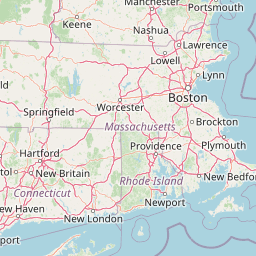
Map view of George D. Aiken Wilderness

Use this park location map to pinpoint George D. Aiken Wilderness in United States of America, understand its exact geographic position, and read its mapped placement within the surrounding landscape more clearly.

Pigeon | © OpenStreetMap contributors

Location context for George D. Aiken Wilderness

Bennington CountyVermont
Park atlas

Compare adjacent Green Mountain wilderness areas and regional forest reserves

Exploring Parks Near George D. Aiken Wilderness and Surrounding Protected Landscapes

Visitors exploring George D. Aiken Wilderness can continue comparing nearby protected areas and forested ridgelines across the southern Green Mountains. Broadening the geographic scope reveals connected conservation networks and similar wilderness tracts throughout Vermont.
Protected landscapeVermont
Park boundaries overlap#1 closest

North

Green Mountain National Forest: Mapped Geography and Protected Landscape Analysis

Examining the wilderness backbone of Vermont's mountainous terrain

Gain insight into the expansive boundaries of Green Mountain National Forest, an essential protected area spanning the Green Mountains of Vermont. This profile details the forest's composition, ranging from high-elevation spruce-fir zones to mixed hardwood slopes and extensive federal wilderness corridors, providing a foundational geographic understanding of this vital northeastern landscape.

Area
1,615.31 km²
Established
1932
Relief
Mountain
Climate
Temperate
Wildlife reserveVermont
18 km away#2 closest

North

Lye Brook Wilderness: Protected High Plateau and Forest Geography in Southern Vermont

Mapped wilderness boundaries within the Green Mountain National Forest

Spanning nearly 18,000 acres, Lye Brook Wilderness offers a deep dive into southern Vermont's natural geography. The area features a high forested plateau, complex brook valleys, and elevated ridgelines that characterize this established wilderness reserve. Ideal for those studying the regional landscape and its protected ecosystem, this record provides essential context on the forest cover, glacial terrain, and the geographic significance of this Vermont backcountry unit.

Area
73.34 km²
Established
1975
IUCN
Ib
Protected landscapeVermont
About 55 km away#3 closest

North

Robert T. Stafford White Rocks National Recreation Area: Protected Landscape and Regional Geography

Southern Vermont wilderness, quartzite formations, and Appalachian Trail corridors.

Robert T. Stafford White Rocks National Recreation Area represents a unique fusion of protected forest and rugged geological character in southern Vermont. Known for the quartzite rockslides of Chaos Canyon and its inclusion of two distinct wilderness areas, this territory offers a complex terrain profile. Spanning over 36,000 acres, it serves as a central hub for regional backcountry exploration, blending dense hardwood ecosystems with the prominent rocky outcrops that define its distinct mountainous identity.

Area
147 km²
Established
1984
Water
Major water bodies
Protected areaAddison County
About 112 km away#4 closest

North

Joseph Battell Wilderness: Mapping Protected Ridges in the Green Mountain National Forest

A high-elevation Appalachian landscape in Addison County, Vermont.

Spanning over twelve thousand acres, the Joseph Battell Wilderness preserves a critical core of the Green Mountains. This protected area features dramatic cliff faces like Mount Horrid and a continuous sequence of summits exceeding three thousand feet. The region provides a deep look at northern hardwood habitats and the geographic influence of the Long Trail within the broader Vermont mountain landscape.

Area
49.92 km²
Established
2006
Relief
Mountain
Climate
Temperate
Protected landscapeNew Hampshire
124 km away#5 closest

Northeast

White Mountain National Forest: Protected Landscape Atlas and Geographic Boundary Context

Mapping the alpine ridges and river valleys of New Hampshire

Delve into the geography of White Mountain National Forest, a primary federal protected landscape in the eastern United States. This overview details the mountainous terrain, including the Presidential Range and Pemigewasset Wilderness, providing a clear window into its spatial scale, watershed boundaries, and regional prominence within the New England landscape.

Area
3,038.59 km²
Established
1918
Relief
Mountain
Climate
Temperate
Nature reserveNew Hampshire
About 174 km away#6 closest

East

Great Bay National Estuarine Research Reserve: Protected Coastal and Estuarine Geography

Regional tidal habitat and protected watershed in New Hampshire

Great Bay National Estuarine Research Reserve protects a vital coastal landscape characterized by broad tidal basins, fringing salt marshes, and inland woodlands. Located in southeastern New Hampshire, this nature reserve serves as an essential site for studying the intersection of freshwater and saltwater ecosystems, preserving a mosaic of land and water that illustrates the complex geography of the Atlantic coast.

Area
41.42 km²
Established
1989
Relief
Lowland
Climate
Temperate
Protected landscapeMassachusetts
About 179 km away#7 closest

East

Boston Harbor Islands National and State Park: Mapping Coastal Protected Landscapes

A diverse archipelago of islands and tidal harbors in Massachusetts

Boston Harbor Islands National and State Park offers an expansive look at coastal geography within the Massachusetts Bay. Spanning dozens of islands and peninsulas, this protected landscape captures a blend of drumlin terrain, tidal salt marshes, and historic maritime structures set directly against the urban skyline of Boston.

Area
6 km²
Established
1996
Visitors
28.2K annual
Relief
Lowland
Marine protected areaRhode Island
About 193 km away#8 closest

Southeast

Narragansett Bay National Estuarine Research Reserve: Island and Marine Protected Area Overview

A coastal research landscape in Rhode Island

Discover the geographic composition of the Narragansett Bay National Estuarine Research Reserve. This marine protected area spans the terrestrial and aquatic zones of three major islands within the Narragansett Bay system, providing a deep look at estuarine habitat conservation and regional island geography.

Area
15.9 km²
Established
1980
Relief
Lowland
Climate
Temperate

Common questions about visiting, size, designation, and location context for George D. Aiken Wilderness

George D. Aiken Wilderness FAQs for park facts, access, geography, and protected area context

Find quick answers about George D. Aiken Wilderness, including protected-area facts, park geography, trail and visitor context, and how the park fits into its surrounding country and regional landscape.
MoriAtlas Explorer

Continue Your Protected Areas Search Across the Global Atlas

Deepen your exploration by continuing the structured search for national parks and protected areas worldwide. Utilize the comprehensive filtering capabilities to compare different conservation landscapes and refine your understanding of global park geography. Discover more about the distribution and characteristics of protected natural areas.

Global natural geography