Why Korazim National Park stands out
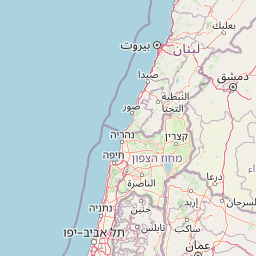
Korazim National Park is best known for preserving the ruins of ancient Chorazin, one of the three Galilean towns traditionally linked with sites of early Christian teaching alongside Capernaum and Bethsaida. The park combines an archaeological landscape with the elevated, volcanic character of the Korazim plateau overlooking the Sea of Galilee.
Korazim National Park history and protected-area timeline
The archaeological site now protected within Korazim National Park preserves the ancient town of Chorazin, which is referenced in the New Testament and is among the Galilean localities long associated with early Christian tradition. Archaeological study of the area has revealed a Jewish settlement dating to the Roman and Byzantine periods, including evidence of domestic buildings, ritual baths, and a synagogue zone, suggesting a community of meaningful regional standing in antiquity.
In the modern era, the nearby community settlement of Korazim was founded in 1983, initially as a moshav and later reorganized as a community settlement after merging with the nearby settlement of Ma'of. The village was established on land of the former Palestinian village of Al-Samakiyya, a settlement depopulated during the Arab-Israeli conflict. The modern community takes its name from the ancient Chorazin and stands roughly one kilometer east of the archaeological park that bears the same historical identity.
Korazim National Park landscape and geographic character
The landscape of Korazim National Park is defined by the Korazim plateau, an elevated basaltic landform in northern Israel positioned just north of the Sea of Galilee. Basalt outcrops, rocky fields, and shallow agricultural soils give the area a distinctly volcanic character, consistent with the broader geology of the eastern Galilee and its transition toward the Golan Heights.
The open plateau offers wide views across the Sea of Galilee and toward the surrounding hills of the Galilee and the Hula Valley region to the north. Traditional agricultural features, including stone terraces, field boundaries, and scattered fruit trees, contribute to the rural Galilean character of the setting. The combination of elevated open ground, basalt geology, and proximity to the lake creates a landscape that contrasts with the more densely wooded parts of the Galilee further west.
Korazim National Park ecosystems, habitats, and plant life
The natural environment of the Korazim plateau is shaped by its basaltic geology and its position on the northern rim of the Sea of Galilee. Thin soils over volcanic rock support a semi-arid vegetation pattern typical of the eastern Galilee, with open herbaceous cover, scattered shrubs, and cultivated plots interspersed with patches of wild grasses and seasonal wildflowers during the cooler months.
Agriculture has long shaped the ecological character of the plateau, with traditional field crops, olive groves, and fig trees integrated into the working landscape. The transition from the plateau to the lake basin produces noticeable shifts in vegetation, reflecting changes in elevation, soil depth, and moisture availability.
Korazim National Park wildlife and species highlights
The Korazim plateau and its surroundings host the wildlife typical of the eastern Galilean basaltic uplands, including small mammals, reptiles, and a range of bird species associated with open agricultural landscapes and the nearby wetlands and shoreline of the Sea of Galilee. Raptors, songbirds, and migratory species can be observed in the broader area, particularly where open plateau fields meet rocky edges and wadis.
Korazim National Park conservation status and protection priorities
The national park protects the archaeological remains of ancient Chorazin within a wider landscape of cultural and natural significance. By safeguarding the site's ancient structures and its rural Galilean setting, the park contributes to the preservation of a tangible link between the biblical-era communities of the Galilee and the physical landscape in which they were established. The area's geological features and its position above the Sea of Galilee add natural value beyond the archaeological core.
Korazim National Park cultural meaning and human context
The cultural significance of Korazim National Park is rooted primarily in its association with ancient Chorazin, a town mentioned in the New Testament alongside Capernaum and Bethsaida. This biblical reference has shaped centuries of religious attention to the site and continues to draw visitors interested in early Christian and Second Temple period history.
The surrounding region is also shaped by modern Israeli settlement history. The community settlement of Korazim, established in 1983, was founded on land of the depopulated Palestinian village of Al-Samakiyya, placing the park within a landscape that carries layered modern as well as ancient historical significance.
Top sights and standout views in Korazim National Park
Korazim National Park stands out for the combination of a well-preserved ancient Galilean town with the open, elevated scenery of the basaltic Korazim plateau. Its proximity to the Sea of Galilee, its biblical-era references, and the visible traces of traditional Galilean land use together make it a distinctive destination within the northern Israel park system.
Best time to visit Korazim National Park
The cooler months from autumn through spring are generally the most comfortable period for exploring the Korazim plateau, when temperatures are milder and the surrounding agricultural landscape is at its greenest. Summer in this part of the Galilee can be hot and dry, producing a more arid appearance across the plateau, though the open scenery and elevated breezes above the lake continue to make the site accessible year-round.