Mori Atlas logo
National parkLake Lanoto'o National Park

Discover the mapped boundaries and natural terrain of this vital national park.

Lake Lanoto'o National Park: Samoa's Protected Landscape and Regional Geography on Upolu

Lake Lanoto'o National Park stands as a significant protected area within the island of Upolu, Samoa. This page offers an in-depth look at its geographic identity, mapped boundaries, and role as a conservation landscape. Explore how this national park fits into the regional geography of Upolu, providing essential context for understanding Samoa's protected lands.

Crater LakesRamsar SiteWetland ConservationPacific IslandsTropical ForestEndangered Birds

Lake Lanoto'o National Park

National park

Park overview

Structured park overview, official facts, and landscape profile for Lake Lanoto'o National Park

Lake Lanoto'o National Park park facts, protected area profile, and essential visitor context
Review the core facts for Lake Lanoto'o National Park, including designation, size, terrain, visitor scale, habitats, and operating context in one park-focused overview.

About Lake Lanoto'o National Park

Lake Lanoto'o National Park protects a distinctive highland landscape on the island of Upolu, representing one of Samoa's few designated national parks and a key component of the nation's protected area network. The park's core feature consists of three volcanic crater-lakes formed within the island's central mountainous terrain, creating a landscape unlike typical Pacific island protected areas which more commonly feature coastal or marine environments. Lake Lanoto'o, the largest of the three lakes, anchors the protected area and provides the primary habitat for several bird species and introduced fish populations. The surrounding terrain includes marshland and tropical forest, creating a mosaic of wetland and upland habitats that support biodiversity uncommon in Samoa's generally narrower coastal plain. The park's establishment in 2003 reflected Samoa's commitment to preserving its terrestrial biodiversity, particularly within the context of limited protected area coverage on the nation's islands. The Ramsar designation four years later elevated the site's profile internationally, recognizing the importance of freshwater crater-lake ecosystems in the Pacific region.

Quick facts and research context for Lake Lanoto'o National Park

Lake Lanoto'o National Park occupies the central Tuamasaga district of Upolu, Samoa, approximately 25 kilometers from the capital Apia. The park was established on 29 May 2003 under the National Parks and Reserves Act 1974 and covers 4.7 square kilometers of volcanic crater terrain. Three crater-lakes dominate the landscape, with Lake Lanoto'o being the largest and most prominent. The protected area was recognized as a Ramsar site in 2004, joining an international network of significant wetlands.

Park context

Deeper park guide and search-rich context for Lake Lanoto'o National Park

Lake Lanoto'o National Park history, landscape, wildlife, and travel context
Explore Lake Lanoto'o National Park through its history, landscape character, ecosystems, wildlife, conservation priorities, cultural context, and seasonal travel timing in a structured park guide built for atlas discovery and search intent.

Why Lake Lanoto'o National Park stands out

Lake Lanoto'o National Park is best known for its trio of volcanic crater-lakes set within the Samoan highlands, a rare lacustrine landscape in the Pacific island context. The park is particularly significant for its population of the Manumea, or Tooth-billed pigeon, one of Samoa's most endangered native birds. The Mao, Samoan starling, Samoan whistler, Samoan flycatcher, and Samoan triller all inhabit the forest and wetland edges. The Ramsar designation in 2004 cemented the park's international importance as a wetland conservation site.

Lake Lanoto'o National Park history and protected-area timeline

Lake Lanoto'o National Park was established on 29 May 2003 under the authority of the National Parks and Reserves Act 1974, representing a formalization of protection for the crater-lake area that had gained recognition for its ecological significance. The park's creation came after a period of environmental challenge, as the area had suffered substantial damage from a series of cyclones that struck Samoa in the early 1990s. Cyclone Ofa in 1990 and Cyclone Val in 1991 caused significant vegetation loss and habitat degradation throughout the island, affecting the park's forest and wetland systems. Further damage occurred with Cyclone Heta in 2004, shortly after the park's establishment, underscoring the vulnerability of Samoan ecosystems to tropical cyclones and reinforcing the importance of protected area status for ecological resilience. The designation as a Ramsar Wetland of International Importance in 2004 marked a significant milestone, recognizing the park's wetlands under the international convention that protects significant aquatic habitats worldwide.

Lake Lanoto'o National Park landscape and geographic character

The landscape of Lake Lanoto'o National Park is defined by its volcanic origins, with the three crater-lakes occupying ancient volcanic calderas within Upolu's central highlands. The terrain rises from the lake margins into forested slopes, creating a contained basin environment that contrasts with the more common coastal and lowland landscapes of Samoan protected areas. Lake Lanoto'o itself sits at elevation within the island's interior, its waters reflecting the surrounding forest and volcanic slopes. The marsh areas around the lake margins add wetland character to the landscape, while the forest cover on higher ground provides terrestrial habitat. This combination of lake, marsh, and forest creates a vertically stratified landscape that supports diverse ecological communities within a relatively compact area.

Lake Lanoto'o National Park ecosystems, habitats, and plant life

The nature of Lake Lanoto'o National Park centers on its freshwater crater-lake ecosystem, a habitat type of particular rarity in the Samoan context. The three lakes and their surrounding marshland form a wetland complex that supports birdlife, aquatic species, and forest-dwelling fauna. The forest surrounding the lakes provides crucial nesting and foraging habitat for the park's bird species, while the marsh edges offer different ecological conditions supporting additional wildlife. The introduction of goldfish to Lake Lanoto'o represents a non-native element within the aquatic ecosystem, though the species has become established in the lake's waters. The combination of native forest, wetland, and lake environments creates a mosaic of habitats that supports biodiversity across multiple trophic levels.

Lake Lanoto'o National Park wildlife and species highlights

Lake Lanoto'o National Park supports a noteworthy bird community, with several species of conservation significance occurring within its boundaries. The Manumea, or Tooth-billed pigeon, represents the most notable species, as this bird is among Samoa's most threatened native species. The Mao, a native honeyeater, also inhabits the park's forest areas. The Samoan starling, Samoan whistler, Samoan flycatcher, and Samoan triller are additional passerine species present in the park, representing the endemic bird fauna of the Samoan archipelago. Waterfowl including the Pacific black duck utilize the lake and marsh habitats, while the Spotless crake inhabits the wetland margins. The Red-headed parrotfinch, Crimson-crowned fruit dove, and Flat-billed kingfisher round out the bird community, making the park an important site for Samoan avifauna.

Lake Lanoto'o National Park conservation status and protection priorities

The designation of Lake Lanoto'o National Park as a Ramsar Wetland of International Importance in 2004 established the site's international conservation significance, recognizing its value as a freshwater habitat within the Pacific region. The park provides critical protection for habitat supporting endangered bird species including the Manumea, whose survival depends on secure forest environments within Samoa. The crater-lake ecosystem represents a limited habitat type in the island nation, making its protection particularly important for maintaining the diversity of Samoan freshwater and wetland environments. The park's protected status under national legislation provides the framework for ongoing conservation management, though the area's vulnerability to cyclone damage demonstrates the challenges facing conservation in the Pacific island context.

Lake Lanoto'o National Park cultural meaning and human context

Lake Lanoto'o National Park occupies the Tuamasaga district of Upolu, a region with historical significance in Samoan culture and governance. The park's lakes have been features of the local landscape throughout Samoan history, though detailed cultural associations with the crater-lakes are not extensively documented in the available source material. The establishment of the park represents a modern approach to land conservation within Samoa, balancing traditional land use patterns with the need to protect significant natural areas.

Top sights and standout views in Lake Lanoto'o National Park

The three volcanic crater-lakes of Lake Lanoto'o National Park form the park's most distinctive feature, a rare highland lacustrine landscape within Samoa. The Ramsar designation in 2004 recognized the site's international importance as a wetland of significance. The park provides crucial habitat for the endangered Manumea, or Tooth-billed pigeon, one of Samoa's most threatened bird species. The combination of lake, marsh, and forest habitats within a compact volcanic crater landscape creates a distinctive protected area within the Pacific island context.

Best time to visit Lake Lanoto'o National Park

The best time to visit Lake Lanoto'o National Park falls within Samoa's dry season, typically from May to October, when rainfall is reduced and trail conditions are more favorable for exploring the highland terrain. The park's mountain setting means that temperatures are slightly cooler than coastal areas, though tropical humidity remains a feature of any visit. Visitors should be aware that Samoa's tropical cyclone season runs from November to April, with the park having experienced significant damage from past storms including Cyclone Heta in 2004.

Park location guide

Geography guide, regional context, and park location map for Lake Lanoto'o National Park

Lake Lanoto'o National Park park geography, regions, and map view in Samoa
Understand where Lake Lanoto'o National Park sits in Samoa through a broader geographic reading of the surrounding landscape, nearby location context, and its mapped position within the national park landscape.

How Lake Lanoto'o National Park fits into Samoa

Samoa, officially the Independent State of Samoa, is a Pacific island nation located in Polynesia. It gained independence from New Zealand on January 1, 1962. The country is known for its Polynesian culture, volcanic landscapes, and traditional village governance system.

Wider geography shaping Lake Lanoto'o National Park in Samoa

Samoa is located in the South Pacific Ocean, approximately 64 km west of American Samoa. The country consists of two main islands (Savai'i and Upolu), two smaller inhabited islands (Manono and Apolima), and several smaller uninhabited islands. The islands are volcanic in origin.

Map view of Lake Lanoto'o National Park

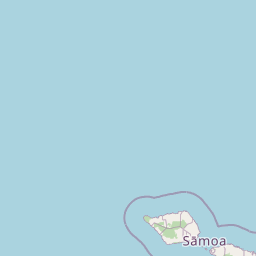
Use this park location map to pinpoint Lake Lanoto'o National Park in Samoa, understand its exact geographic position, and read its mapped placement within the surrounding landscape more clearly.

Pigeon | © OpenStreetMap contributors

Location context for Lake Lanoto'o National Park

TuamasagaUpolu
Park atlas

Compare protected areas, volcanic crater-lakes, and wetland conservation sites in Samoa's Upolu highlands.

Discover More National Parks and Protected Areas Near Lake Lanoto'o National Park
Explore additional national parks and protected areas across Samoa's Upolu island, tracing diverse conservation landscapes beyond Lake Lanoto'o National Park. Compare their unique volcanic terrain, wetland ecosystems, and critical habitats to understand regional protected area geography and conservation efforts.
National parkSamoa

O Le Pupu-Puʿe National Park: Explore Samoa's Protected National Park Geography and Boundaries

Mapped terrain and protected landscape context for this Samoan national park.

Understand O Le Pupu-Puʿe National Park as a significant protected area within Samoa's archipelago. This detail entry provides essential geographic context, mapping its boundaries and situating it within the nation's protected lands. Explore the park's role as a national park and its contribution to the mapped natural landscape of Samoa.

Area
50.2 km²
Established
1978
IUCN
II
Relief
Mixed relief
Marine protected areaAmerican Samoa

National Marine Sanctuary of American Samoa: Mapped Marine Protected Area Geography

Discover protected marine landscapes across American Samoa's region.

Investigate the National Marine Sanctuary of American Samoa, a protected marine area with distinct geographic relevance. This detailed view focuses on its mapped boundaries and its role as a protected landscape within the broader atlas of American Samoa. Understand the unique environmental context and protected-area significance that shapes this marine sanctuary.

Area
35,170 km²
Established
1986
Climate
Tropical
Access
Easy access
National parkUnited States of America

National Park of American Samoa: A Mapped Protected Landscape within the USA

Discover its island geography and protected area context.

National Park of American Samoa stands as a significant protected natural area, offering unique insights into island geography and conservation landscapes. Explore its detailed mapped boundaries and understand its placement within the broader atlas of United States of America protected lands. This entity provides a focal point for understanding distinct geographic features and the territorial spread of protected natural resources.

Area
33.414 km²
Established
1988
IUCN
V
Visitors
12.1K annual
National parkAustralia

Norfolk Island National Park: Australian National Park Protected Landscape and Geography

Mapped Boundaries and Natural Terrain Exploration

Delve into the specifics of Norfolk Island National Park, a key protected area contributing to Australia's national park geography. This resource focuses on its mapped boundaries and the distinct natural landscape it encompasses, offering valuable context for understanding its place within a broader geographic atlas. Investigate the terrain and conservation context of this unique Australian national park.

Area
6.5 km²
Established
1984
IUCN
II
Relief
Mountain
National parkNew Zealand

Tongariro National Park: New Zealand's Premier Volcanic National Park Atlas

Explore mapped terrain, active volcanoes, and unique dual World Heritage values.

Tongariro National Park, situated in New Zealand's North Island, is a globally significant protected area celebrated for its dramatic volcanic landscapes and profound cultural heritage. As the nation's oldest national park, it features three active volcanoes: Mount Ruapehu, Mount Ngauruhoe, and Mount Tongariro, set within a diverse terrain that includes forests, alpine zones, and the Rangipo Desert. Its dual World Heritage status underscores its importance for both natural attributes and its sacred cultural landscape, offering rich opportunities for geographic and atlas exploration.

Area
795.96 km²
Established
1887
IUCN
II
Relief
Mountain
National park

Whanganui National Park: Protected Wilderness Landscape and Geographic Context

Explore the mapped boundaries and natural terrain of this national park.

Whanganui National Park offers a unique blend of natural wilderness and significant cultural history, centered on the Whanganui River valley. This protected area safeguards one of New Zealand's most extensive lowland forest ecosystems, providing vital habitat and showcasing a landscape deeply intertwined with Māori traditions and historical settlement. Understanding its geographical setting and mapped protected boundaries reveals its importance as a distinct national park.

Area
742 km²
Established
1986
IUCN
II
Relief
Lowland
National parkNew Zealand

Egmont National Park: New Zealand's Distinctive Volcanic National Park

Explore the mapped volcanic terrain and protected landscape of Mount Taranaki.

Egmont National Park represents a significant protected area within New Zealand's North Island, dominated by the iconic stratovolcano, Mount Taranaki. This national park is celebrated for its distinct circular protected boundary, a unique feature against the surrounding pastoral farmlands, and its dramatic volcanic landscape. Visitors can explore a range of natural habitats from dense temperate rainforests to alpine environments, all mapped within this significant conservation landmark.

Area
341.7 km²
Established
1900
IUCN
II
Visitors
400K annual
National parkTasman District

Abel Tasman National Park: Coastal Protected Landscape and Mapped Geography in Tasman District

New Zealand's smallest national park offering iconic coastal hiking and wildlife.

Delve into the mapped boundaries and unique geography of Abel Tasman National Park, New Zealand's smallest national park located in the Tasman District. This protected landscape features renowned golden beaches, forested hills, and vital island ecosystems. Explore its coastal trails, understand its ecological restoration context, and appreciate its historical significance as a site of early European and Māori interaction, making it a key destination for atlas-driven geographic discovery.

Area
237.1 km²
Established
1942
IUCN
II
Relief
Upland

Common questions about visiting, size, designation, and location context for Lake Lanoto'o National Park

Lake Lanoto'o National Park FAQs for park facts, access, geography, and protected area context
Find quick answers about Lake Lanoto'o National Park, including protected-area facts, park geography, trail and visitor context, and how the park fits into its surrounding country and regional landscape.
MoriAtlas Explorer

Continue Your Protected Areas Search Across the Global Atlas

Deepen your exploration by continuing the structured search for national parks and protected areas worldwide. Utilize the comprehensive filtering capabilities to compare different conservation landscapes and refine your understanding of global park geography. Discover more about the distribution and characteristics of protected natural areas.

Global natural geography