Mori Atlas logo
Wildlife reserveMikhaylovsky Zakaznik

A mosaic of birch and pine forest steppe serving as a crucial sanctuary for boreal wildlife.

Mikhaylovsky Zakaznik: Exploring the Wildlife Reserve Landscapes of Kostanay Region, Kazakhstan

Mikhaylovsky Zakaznik functions as a vital zoological reserve situated within the northern forest steppe belt of the Kostanay Region. This protected territory preserves a complex mosaic of birch, aspen, and pine woodlands that shelter diverse populations of game animals and rare species. Its unique geographic position along the Kazakh-Russian border creates an important transition zone where closed forest fragments meet expansive steppe, providing a structured habitat refuge for boreal wildlife and avian species.

zoological reservezakaznikforest-steppebirch forestpine forestboreal game birds

Mikhaylovsky Zakaznik

Wildlife reserve

Park overview

Structured park overview, official facts, and landscape profile for Mikhaylovsky Zakaznik

Mikhaylovsky Zakaznik park facts, protected area profile, and essential visitor context

Review the core facts for Mikhaylovsky Zakaznik, including designation, size, terrain, visitor scale, habitats, and operating context in one park-focused overview.

About Mikhaylovsky Zakaznik

Mikhaylovsky Zakaznik, sometimes rendered as Mikhaylovka, is one of Kazakhstan's older dedicated zoological sanctuaries, with roots in the late Soviet period of wildlife conservation planning. It lies in Karabalyk District of Kostanay Oblast, a region dominated by agricultural landscapes but historically rich in patches of birch-pine forest, riparian corridors, and wetland edges that supported a diverse community of ungulates and game birds.

The reserve's defining characteristic is its explicit orientation toward fauna. Unlike a strictly botanical or landscape reserve, Mikhaylovsky was set up to safeguard hunted and commercial species of regional importance, with a particular emphasis on boreal game birds known locally as 'borovaya dich'. That focus has shaped its management and continues to define its identity, even as modern ecological thinking recognises the broader biodiversity value of its habitat mosaic.

Ecologically, the sanctuary sits at a transition zone where the northern Eurasian forest belt meets the open Kazakh steppe. This produces a patchwork of plant communities: downy and silver birch, balsam poplar, five-stamen willow, Tatarian and ash-leaved maple, Siberian pine and Scots pine, mixed with shrubs such as caragana, sea buckthorn, and steppe cherry. Beneath this canopy and along the edges, herbaceous plants typical of both woodland and dry steppe coexist, including cinquefoil, bedstraw, and common yarrow.

The result is a landscape that supports a wide spectrum of large mammals, medium-sized carnivores, and birds, including several species of conservation concern. Mikhaylovsky's continued existence as a republican-level reserve underlines Kazakhstan's commitment to maintaining working wildlife refuges within the heavily used agricultural belt of the country's northwest.

Quick facts and research context for Mikhaylovsky Zakaznik

Mikhaylovsky Zakaznik is a state zoological reserve situated in Karabalyk District, Kostanay Oblast, northern Kazakhstan, near both the Russian border and several local rural municipalities. The protected area was established in 1967 originally for a ten-year term, then extended in 1977, and finally reclassified in 1986 as a republican-level reserve of indefinite duration; in 2001 it formally received the status of a republican state natural zoological reserve.

The territory spans roughly 76,800 hectares and is administered across six state forest-ranch units within the broader Mikhaylovsk forestry estate. Its climate is sharply continental, and its habitat mosaic combines deciduous and coniferous forest patches with shrub-steppe and waterfowl-supporting wetland edges.

Protection and recognition

Documented terrestrial protection scope, 1986 designation year, and transboundary status

Mikhaylovsky Zakaznik Protection Status and Designation History

Mikhaylovsky Zakaznik holds a documented terrestrial protection status established in 1986 with verified transboundary characteristics. Structured protection records detail the operational scope and formal designation history associated with this protected area.

Protection details

Protection scope
Terrestrial
Designated year
1986
Transboundary protection
Yes
Park context

Deeper park guide and search-rich context for Mikhaylovsky Zakaznik

Mikhaylovsky Zakaznik history, landscape, wildlife, and travel context

Explore Mikhaylovsky Zakaznik through its history, landscape character, ecosystems, wildlife, conservation priorities, cultural context, and seasonal travel timing in a structured park guide built for atlas discovery and search intent.

Why Mikhaylovsky Zakaznik stands out

Mikhaylovsky Zakaznik is best known as a dedicated wildlife sanctuary protecting the boreal forest-steppe fauna of northern Kazakhstan, particularly game animals like Siberian roe deer and elk alongside typical woodland game birds such as black grouse and partridges. Its long-standing zoological focus, combined with a mosaic of birch, aspen, pine, and mixed shrub-steppe vegetation, makes it a recognised refuge for species that have declined across much of the surrounding agricultural land.

Mikhaylovsky Zakaznik history and protected-area timeline

Mikhaylovsky Zakaznik was created in 1967 as a state-level natural reserve of oblast significance with an initial ten-year mandate, covering roughly 76,800 hectares of forest and adjacent habitats in Karabalyk District. Its establishment reflected the Soviet-era tradition of designating dedicated zoological refuges to maintain stocks of commercially valuable and hunted wildlife across the republics.

In 1977, the reserve's lifespan was extended for another decade, signalling that conservation authorities still regarded its role as essential. A more decisive administrative change came in 1986, when Mikhaylovsky was elevated from oblast status to republican significance and made a permanent, open-ended state natural zoological reserve. This removed the previous time-bound limits and placed its management at the national level.

A further formal confirmation followed in 2001, when the reserve was officially granted the status of a republican state natural zoological reserve. Across these stages, the core purpose remained the same: protect the region's game species, with particular attention to boreal woodland birds, while maintaining the habitat mosaic on which those species depend.

Mikhaylovsky Zakaznik landscape and geographic character

The physical landscape of Mikhaylovsky Zakaznik reflects the transitional character of northern Kazakhstan, where the southern fringe of the Eurasian forest belt meets the open steppe. The terrain is a mosaic rather than a uniform landform, combining patches of deciduous and mixed forest with shrubby edges and drier grassy openings.

The forest component is dominated by birch, both downy birch and silver birch, accompanied by balsam poplar, five-stamen willow, Tatarian and ash-leaved maple, and ash. Conifers such as Siberian pine and Scots pine add a boreal element, anchored on the state forest-ranch lands that define the reserve's administrative boundaries. Shrub layers include steppe cherry, Tatarian honeysuckle, caragana, and sea buckthorn, giving the understorey a dense, berry-rich structure useful for wildlife.

The herbaceous layer ranges from typical woodland species like bedstraw and common yarrow to drier steppe plants such as wormwood, feather grass, and various sedges. The combination produces an environment of considerable structural variety: closed-canopy groves, open glades, shrubby thickets, and meadow-steppe openings that visually read as a patchwork of forest islands within a sea of agricultural land.

The climate is sharply continental, with cold winters and warm, sometimes dry summers, which shapes both the vegetation composition and the seasonal rhythms of wildlife activity across the reserve.

Mikhaylovsky Zakaznik ecosystems, habitats, and plant life

Mikhaylovsky Zakaznik exemplifies the ecological interface between forest and steppe that characterises much of northern Kazakhstan's protected areas. Its ecological identity cannot be described as a single habitat type; instead it is defined by the interweaving of boreal forest patches with shrub-steppe and meadow-edge communities, each contributing different species to the overall biodiversity.

The forest communities, dominated by birches, balsam poplar, and pines, create shaded, relatively humid microhabitats that support woodland specialists, while the open steppe and meadow zones favour dry-grassland flora and ground-nesting birds. The presence of Tatarian maple, ash, and various willows along edges and watercourses adds structural diversity and seasonal mast resources for wildlife.

Aquatic and wetland edges appear less prominent in the written record but are evidently significant for the reserve's bird fauna, which includes geese, swans, ducks, cranes, and herons. The combination of forest, shrub, herbaceous, and wet-edge environments within a single protected complex gives Mikhaylovsky an unusually layered ecological character for a reserve of its size and zoological remit.

Mikhaylovsky Zakaznik wildlife and species highlights

The wildlife profile of Mikhaylovsky Zakaznik centres on the ungulates and game species that originally motivated its creation, but also extends to a wider community of mammals, birds, and smaller animals typical of forest-steppe mosaic habitats.

Among large mammals, the reserve supports Siberian roe deer, elk (moose), and wild boar, while its carnivore community includes wolves, red foxes, corsac foxes, badgers, pine martens, polecats, raccoon dogs, and ermines. Smaller mammals range from white hares to various mouse-like rodents and hedgehogs, providing the prey base for many of the larger predators.

Birds are a particular strength of the reserve. Game birds include black grouse, grey partridge, and white partridge, while the wetland edges attract geese, swans, several duck species, cranes including the demoiselle crane, herons like the yellow heron, and numerous smaller passerines. Several of these species, including pine marten and various raptors and cranes, are noted in Kazakhstan's Red Data Book, giving the reserve additional conservation relevance beyond its original game-management remit.

Mikhaylovsky Zakaznik conservation status and protection priorities

Mikhaylovsky Zakaznik has functioned as a dedicated wildlife conservation instrument in northern Kazakhstan for more than half a century, evolving through successive administrative upgrades to reflect its enduring importance. Its original goal, preserving regional game species and especially boreal game birds, was rooted in the practical conservation logic of the Soviet period, but the habitat mosaic it protects has relevance far beyond game management.

The reserve's status as a republican-level state zoological reserve of indefinite duration, formally confirmed in the early 2000s, places it within Kazakhstan's higher tier of wildlife protections. This status is reinforced by the presence within its territory of species listed in Kazakhstan's Red Data Book, including pine marten, golden eagle, black vulture, common crane, demoiselle crane, whooper and tundra swans, yellow heron, and white-tailed sea eagle. Their occurrence gives Mikhaylovsky a clear role in safeguarding rare and nationally protected fauna alongside its more common game species.

In a regional context dominated by extensive agriculture, the reserve's forested and shrub-steppe patches function as refugia where natural vegetation structure and animal populations can persist with reduced human pressure. Its long institutional history and stable status suggest it will continue to serve that conservation role into the future.

Top sights and standout views in Mikhaylovsky Zakaznik

Mikhaylovsky Zakaznik stands out as one of northern Kazakhstan's enduring zoological refuges, set within a forest-meets-steppe habitat mosaic that supports both classic game species and rare, nationally protected wildlife. Its long history, evolving from a 1967 oblast reserve with a ten-year mandate to a permanent republican-level sanctuary, gives it a depth of conservation experience unusual among regional reserves. The presence of Red Data Book species such as pine marten, several cranes and swans, and large raptors elevates its profile beyond a purely game-management function.

Best time to visit Mikhaylovsky Zakaznik

The sharply continental climate of the region implies cold, snowy winters and warm, drier summers, with the most comfortable conditions for outdoor activity generally occurring in late spring through early autumn. Late spring and early summer are typically the most visually rewarding periods, when birch, poplar, and other deciduous trees are in full leaf and the steppe edges begin to flower.

Late summer and early autumn can also be appealing for visitors interested in the reserve's character as a forest-wildlife refuge, as boreal game birds and ungulates are typically more active before winter and seasonal migrations reshape the bird community. Winter brings heavy cold and snow cover, which can limit access but also concentrates wildlife movements and creates a starkly beautiful forest-steppe landscape. Visitors should regard these patterns as general seasonal context rather than precise operational guidance.

Monthly climate preview

Long-term monthly temperature averages and precipitation patterns for Mikhaylovsky Zakaznik

Mikhaylovsky Zakaznik Climate Normals, Annual Temperature and Precipitation Rhythm

Mikhaylovsky Zakaznik records long-term monthly climate normals spanning severe winter lows and warm summer maximums alongside measured daily precipitation rates. Reviewing the complete twelve-month dataset clarifies the full annual temperature range and precipitation cycle across the representative coordinate.
Annual mean3 °C
-16 °C21 °C
Jan-16°
Feb-14°
Mar-7°
Apr
May13°
Jun19°
Jul21°
Aug19°
Sep12°
Oct
Nov-6°
Dec-14°
Warmest month
July

21 °C

Coolest month
January

-16.4 °C

Wettest month
July

1.7 mm/day

Driest month
January

0.7 mm/day

Park location guide

Geography guide, regional context, and park location map for Mikhaylovsky Zakaznik

Mikhaylovsky Zakaznik park geography, regions, and map view in Kazakhstan

Understand where Mikhaylovsky Zakaznik sits in Kazakhstan through a broader geographic reading of the surrounding landscape, nearby location context, and its mapped position within the national park landscape.

How Mikhaylovsky Zakaznik fits into Kazakhstan

Kazakhstan is a Central Asian country spanning vast steppes and plains, bordered by Russia, China, Kyrgyzstan, Uzbekistan, and Turkmenistan, with a coastline along the Caspian Sea. It gained independence from the Soviet Union in 1991 and has a population of approximately 20.5 million people. The country is officially secular but predominantly Muslim, with Kazakh and Russian as official languages.

Wider geography shaping Mikhaylovsky Zakaznik in Kazakhstan

Kazakhstan occupies a vast territory in Central Asia, extending into Eastern Europe. Its terrain consists largely of hilly plateaus and plains, with lowlands covering about a third of the area. The southern and eastern regions are mountainous. The country borders Russia to the north and west, China to the east, Kyrgyzstan to the southeast, Uzbekistan to the south, and Turkmenistan to the southwest. It has a coastline along the Caspian Sea.

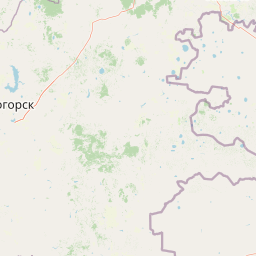
Map view of Mikhaylovsky Zakaznik

Use this park location map to pinpoint Mikhaylovsky Zakaznik in Kazakhstan, understand its exact geographic position, and read its mapped placement within the surrounding landscape more clearly.

Pigeon | © OpenStreetMap contributors

Location context for Mikhaylovsky Zakaznik

Kostanay Region
Park atlas

Compare adjacent forest-steppe sanctuaries and connected wildlife reserves across northern Kazakhstan.

Explore Other Parks Near Mikhaylovsky Zakaznik and Regional Protected Areas

Browsing other parks near Mikhaylovsky Zakaznik reveals shared forest-steppe terrain, birch woodlands, and boreal wildlife habitats across the surrounding regional landscape. Expanding the protected-area search provides deeper geographic context for comparing northern Kazakhstan conservation zones.
Watercolor illustration of rolling hills, green forests, and distant mountains under a pale sky
National parkRussia
About 229 km away#1 closest

Northwest

Taganay National Park: Protected Landscape and Regional Geography Explorer

Explore mapped protected areas and natural landscapes.

Taganay National Park stands as a key protected area within Russia, offering unique geographic features and a distinct regional landscape identity. This entry serves as a gateway to understanding the park's role as a national park, providing context for its mapped boundaries and environmental setting. Utilize this resource for structured discovery of protected lands and their place within the broader atlas of natural geographies.

IUCN
II
Scope
Terrestrial
Protected areaKostanay Region
About 232 km away#2 closest

South

Taldykol Protected Area: Geographic Atlas and Wetland Landscape Analysis

A vital Ramsar-listed freshwater steppe habitat in Kostanay Region

Taldykol acts as a critical freshwater sanctuary within the dry climate of northern Kazakhstan. This protected area, defined by its central island and willow-fringed margins, forms an essential part of the Kulykol-Taldykol lake system. The basin provides a necessary stopover and breeding site for waterbirds, demonstrating how local water features define the ecological character of the surrounding Kostanay Region steppe terrain.

Area
10.5 km²
Relief
Lowland
Scope
Terrestrial
Water
Water-dominated
Watercolor illustration depicting rolling hills, green forests, and distant mountains under a pale sky
National parkChelyabinsk Oblast
About 233 km away#3 closest

Northwest

Zyuratkul National Park: Geography, Alpine Lakes, and Mountain Range Maps

Protected mountain wilderness in Chelyabinsk Oblast, Russia

Analyze the protected geography of Zyuratkul National Park, home to the highest point in Chelyabinsk Oblast and a distinctive alpine lake basin. Explore the park boundaries and the vertical transition from dense forest to the craggy summits of the Nurgush and Zyuratkul mountain ranges.

Area
882.49 km²
Established
1993
IUCN
II
Relief
Mountain
National parkChelyabinsk Oblast
About 234 km away#4 closest

Northwest

Zyuratkul National Park: Mapped Geography and Protected Landscapes of the Southern Urals

High-mountain lake terrain and diverse taiga forest ecosystems.

Zyuratkul National Park serves as a critical protected area in the Chelyabinsk Oblast, showcasing the meeting of Siberian and European ecosystems. The territory features a dramatic range of landforms including the high-mountain Lake Zyuratkul, alpine tundra on Nurgush ridge, and deep valleys containing ancient archaeological sites. This atlas entry provides a foundational view of the park's natural terrain, geographic features, and protected boundary structure.

Area
882.49 km²
Established
1993
IUCN
II
Relief
Mountain
Protected areaKostanay Region
About 234 km away#5 closest

South

Kulykol Protected Area: Mapping the Shallow Steppe Wetlands of Northern Kazakhstan

Geography of the Kostanay Region saline lake systems

Trace the landscape of Kulykol, a sprawling shallow-water ecosystem situated in the Kamysty District. This protected wetland, defined by its saline chemistry and expansive reed-lined margins, represents a core element of the Kulykol-Taldykol lake system. The data provides a detailed look at the lake's basin topography, its intermittent connection to surrounding water bodies, and its status as a managed habitat within the open grasslands of the Tobil basin.

Area
33 km²
Established
2009
Relief
Lowland
Water
Water-dominated
National parkChelyabinsk Oblast
About 235 km away#6 closest

Northwest

Zigalga National Park: Mapped Geography and Protected Areas of the Southern Urals

Mountain forest and tundra ecosystems in Chelyabinsk Oblast

Spanning the rugged ridges of the Southern Urals, Zigalga National Park protects a distinct mosaic of dark coniferous forests and alpine-like golets tundra. This protected area plays a crucial role in regional hydrology and biodiversity, encompassing the headwaters of the Yuryuzan and Kutkurka rivers across a diverse elevational landscape.

Area
456.616 km²
Established
2019
IUCN
II
Relief
Mountain
Watercolor illustration of a mountain range with purple peaks, green hills, a single tall pine tree, and pinkish foreground vegetation
National parkChelyabinsk Oblast
About 239 km away#7 closest

Northwest

Zigalga National Park: Geography, Alpine Terrain, and Protected Wilderness Areas

A vital ecological corridor within the Chelyabinsk Oblast of Russia

Zigalga National Park serves as a pristine natural sanctuary at the crossroads of Europe and Siberia. The territory features steep mountainous ridges, expansive peat bogs, and vertical floral zonation that defines the Southern Ural landscape. This protected area provides a stable environment for rare boreal plant species and remains largely untouched by development, offering a valuable record of subarctic ecosystem health.

Area
457 km²
Established
2019
IUCN
II
Relief
Mountain
Protected areaKostanay Region
About 287 km away#8 closest

East

Koibagar-Tyntyugur Lakes: Protected Wetland Geography in Northern Kazakhstan

Steppe-wetland mosaic and Ramsar-recognized migratory habitat

Located in the Kostanay Region, the Koibagar-Tyntyugur Lakes represent a complex system of shallow, interconnected basins. These protected landscapes illustrate the dramatic hydrological cycles of the Saryarka edge, shifting from open water to reed-filled marshes. The region remains a benchmark for conservation, featuring essential waterbird habitats and rare fragments of pristine feather-grass steppe.

Area
623.45 km²
Established
2005
Relief
Lowland
Scope
Terrestrial

Common questions about visiting, size, designation, and location context for Mikhaylovsky Zakaznik

Mikhaylovsky Zakaznik FAQs for park facts, access, geography, and protected area context

Find quick answers about Mikhaylovsky Zakaznik, including protected-area facts, park geography, trail and visitor context, and how the park fits into its surrounding country and regional landscape.
MoriAtlas Explorer

Continue Your Protected Areas Search Across the Global Atlas

Deepen your exploration by continuing the structured search for national parks and protected areas worldwide. Utilize the comprehensive filtering capabilities to compare different conservation landscapes and refine your understanding of global park geography. Discover more about the distribution and characteristics of protected natural areas.

Global natural geography