Why Mount Barney National Park stands out
Mount Barney National Park is best known for its dramatic volcanic mountain landscape featuring the iconic twin peaks of Mount Barney, which rise majestically above the surrounding farmlands of the Scenic Rim region. The park is renowned for its exceptional biodiversity, protecting some of the most varied vegetation communities in eastern Australia, from open eucalyptus forests through subtropical rainforests to montane heath and cool temperate rainforest communities. The mountain serves as a significant hiking destination with over 30 established routes to its summits, including challenging ridges like Logan's Ridge and Short Leaning Ridge. The park's inclusion in the Gondwana Rainforests of Australia World Heritage Site underscores its global significance as a repository of ancient evolutionary lineages and rare species, including the vulnerable marbled frogmouth and the endangered Maroon wattle.
Mount Barney National Park history and protected-area timeline
Mount Barney National Park has a protection history dating back to the mid-twentieth century. The original Mount Barney National Park and the adjacent Mount Lindesay National Park were both gazetted in 1947, establishing the earliest formal protection for this mountainous landscape. In 1950, Mount Barney National Park was significantly expanded to incorporate the additional peaks of Mount May and Mount Maroon, further protecting the geological and ecological diversity of the area. The most substantial expansion occurred in 1980 when Mount Barney National Park was enlarged to include the former Mount Lindesay National Park, creating the unified protected area that exists today. A landmark moment in the park's history came in 1994 when Mount Barney National Park became part of the Gondwana Rainforests of Australia, formerly known as the Central Eastern Rainforest Reserves. This inscription on the UNESCO World Heritage List recognized the park's outstanding universal value as a repository of ancient rainforests that represent remnants of the prehistoric supercontinent Gondwana. The park's human history extends much further back, with the first recorded European ascent of Mount Barney completed in 1828 by Captain Patrick Logan, who reached the summit via one of the mountain's most spectacular and challenging ridges, subsequently named Logan's Ridge in his honor.
Mount Barney National Park landscape and geographic character
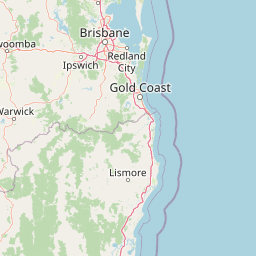
The landscape of Mount Barney National Park is defined by its dramatic volcanic peaks rising abruptly from the surrounding pastoral lands of the Scenic Rim. The park is dominated by the grand twin peaks of Mount Barney, which create an iconic silhouette visible across the Queensland interior. Surrounding these central peaks are numerous other mountainous features including Mount Ballow, Mount Ernest, Mount Maroon, and Mount May, each contributing to the park's rugged character. The terrain is characterized by steep, heavily timbered valleys, dramatic cliff faces, and rocky outcrops that reflect the volcanic origins of these mountains. The ancient Focal Peak Shield Volcano, which erupted approximately 24 million years ago, left behind a complex landscape of hard volcanic rock that has been subsequently eroded into the dramatic ridges, gullies, and rock pools that define the park today. Deep caves and natural rock formations punctuate the mountain slopes, while permanent water sources in the form of deep rock pools provide important habitat and recreational interest. The visual contrast between the cleared farmlands surrounding the park and the forested mountain peaks emphasizes the wild and unmodified character of this protected area.
Mount Barney National Park ecosystems, habitats, and plant life
Mount Barney National Park supports an extraordinary diversity of vegetation communities that change dramatically with elevation, making it one of the most botanically significant protected areas in eastern Australia. The lower slopes feature open eucalyptus woodlands that transition into subtropical rainforests above approximately 600 meters elevation, where the park receives higher rainfall and cooler temperatures. Montane heath shrublands dominate the upper reaches of the major peaks, while the summit of Mount Ballow supports a rare cool temperate rainforest community. Mount Maroon features distinctive mallee eucalypt shrublands, representing yet another ecological niche within the park's boundaries. This remarkable vegetation gradient supports numerous rare and unusual plant species, including the endangered Maroon wattle (Acacia saxicola), which is found nowhere else in the world. The park also protects the rare mallee eucalypt Eucalyptus codonocarpa, the Mount Barney bush pea, and the Hillgrove spotted gum, each contributing to the park's significance as a center of plant endemism and biodiversity.
Mount Barney National Park wildlife and species highlights
The wildlife of Mount Barney National Park reflects the diversity of its vegetation communities and its position within the Gondwana Rainforest ecosystem. Birdlife is particularly abundant, with visitors frequently encountering numerous species drawn to the park's varied habitats. The endangered marbled frogmouth (plumiferus subspecies) relies on the rainforest environments of Mount Barney for its critical habitat, and this vulnerable bird is among the park's most notable faunal residents. Platypus populations inhabit the park's streams and rock pools, representing one of Australia's most iconic and unusual native mammals. The Gondwana Rainforests support ancient evolutionary lineages, and the park's inclusion in this World Heritage Site reflects its importance in protecting evolutionary processes and species that have survived largely unchanged for millions of years.
Mount Barney National Park conservation status and protection priorities
Mount Barney National Park holds significant conservation value as part of the Gondwana Rainforests of Australia World Heritage Site, which preserves some of the most ancient and biologically diverse rainforests on Earth. The park is also recognized as part of the Scenic Rim Important Bird Area by BirdLife International, acknowledging its importance in protecting several threatened bird species. The vegetation communities within the park represent multiple endangered ecosystems, from subtropical rainforests to cool temperate rainforests and montane heathlands. Several plant species within the park are of conservation concern, including the endangered Maroon wattle, which has very restricted populations within the park boundaries. The protected area serves as a critical habitat corridor connecting fragmented rainforest remnants and providing refuge for species vulnerable to habitat loss and climate change. The park's protected status ensures the preservation of both the geological heritage of the ancient volcanic landscape and the evolutionary legacy represented by Gondwana-era species.
Mount Barney National Park cultural meaning and human context
Mount Barney National Park sits within the traditional Country of the Aboriginal people of the Scenic Rim region, though the Wikipedia source provides limited detail about indigenous connections to this landscape. The park's European discovery history dates to the early colonial period, with Captain Patrick Logan completing the first recorded European ascent of Mount Barney in 1828 via the spectacular ridge that now bears his name. The accompanying expedition included botanist Allan Cunningham and botanist Charles Fraser, though historical accounts indicate they did not reach the summit. This early scientific exploration reflects the broader colonial interest in understanding and documenting the natural resources of the Queensland interior. The park's naming reflects both the British colonial tradition and the enduring indigenous place names of the region, with Mount Barney representing one of several prominent peaks that have guided travelers and defined the character of the Scenic Rim for generations.
Top sights and standout views in Mount Barney National Park
Mount Barney National Park offers several standout features that distinguish it within Queensland's protected area network. The twin peaks of Mount Barney, rising to 1,359 meters, provide one of the most iconic mountain silhouettes in southeast Queensland and a challenging objective for bushwalkers and climbers. The park's inclusion in the Gondwana Rainforests of Australia World Heritage Site recognizes its global significance as a repository of ancient rainforests and evolutionary heritage. The exceptional vegetation diversity, ranging from open woodlands through subtropical and cool temperate rainforests to montane heath, supports numerous rare and endemic species found nowhere else on Earth. Over 30 hiking routes traverse the mountain, offering experiences ranging from achievable day walks to technically demanding multi-day expeditions requiring navigation skills. The presence of the vulnerable marbled frogmouth and endangered Maroon wattle underscores the park's importance for species conservation.
Best time to visit Mount Barney National Park
The cooler months from late autumn through early spring, typically April to October, generally offer the most comfortable conditions for hiking and exploring Mount Barney National Park. Summer months in southeast Queensland can bring high temperatures and humidity, particularly problematic for the steep climbs required to reach the mountain summits. Winter temperatures can be significantly cooler at higher elevations, requiring appropriate gear for cold and potentially wet conditions. The park's rainforests receive consistent moisture throughout the year, creating lush conditions but also requiring caution on wet trails. Bush camping at Mount May and Mount Barney allows visitors to experience the park's nocturnal character and dawnsummit options, though holiday periods may see restrictions due to high visitor numbers. Those attempting the more challenging routes to the summits should plan for the substantial time required, typically eight to ten hours for the ascent and descent, and ensure they have appropriate navigation equipment and fitness levels.