Mori Atlas logo
National parkMwangné National Park

Explore the mapped boundaries and regional landscape context of this national park.

Mwangné National Park: A Protected Landscape in the Equatorial Geography of Gabon

Mwangné National Park stands as a significant protected area within Gabon, a Central African nation located on the equator. As a designated national park, it represents a key component of the country's natural heritage, offering users a focused exploration of its specific geographic setting and protected landscape identity. This page serves as an atlas-style entry point, detailing Mwangné National Park's unique position within Gabon's regional geography and its mapped natural terrain.

tropical forestCentral AfricaCongo Basinprotected areanational parkrainforest conservation

Mwangné National Park

National park

Park overview

Structured park overview, official facts, and landscape profile for Mwangné National Park

Mwangné National Park park facts, protected area profile, and essential visitor context
Review the core facts for Mwangné National Park, including designation, size, terrain, visitor scale, habitats, and operating context in one park-focused overview.

About Mwangné National Park

Mwangné National Park is a protected natural area in Gabon, a nation that has made substantial investments in forest conservation. The park forms part of Gabon's national park network, which covers over 10% of the country's territory. Gabon's approach to protected areas reflects the country's recognition that its extensive rainforest resources represent both a national heritage and a global environmental asset. The national park system was substantially expanded beginning in the early 2000s, with the creation of several new protected areas designed to safeguard key ecological zones.

Quick facts and research context for Mwangné National Park

Mwangné National Park is located in Gabon, a country in Central Africa. The park is part of Gabon's national park system, which was significantly expanded in the early 2000s as part of the country's commitment to biodiversity conservation. The park's territory falls within the Congo Basin, one of the world's most important rainforest regions.

Park context

Deeper park guide and search-rich context for Mwangné National Park

Mwangné National Park history, landscape, wildlife, and travel context
Explore Mwangné National Park through its history, landscape character, ecosystems, wildlife, conservation priorities, cultural context, and seasonal travel timing in a structured park guide built for atlas discovery and search intent.

Why Mwangné National Park stands out

Mwangné National Park protects portions of Gabon's tropical forest landscape, contributing to the conservation of Central Africa's biodiversity-rich ecosystems.

Mwangné National Park history and protected-area timeline

Mwangné National Park was established as part of Gabon's broader expansion of its protected area network. The modern Gabonese national park system was significantly developed in the early 2000s, with the creation of 13 new national parks between 2002 and 2004. This initiative represented a major commitment to biodiversity conservation and sustainable resource management.

Mwangné National Park landscape and geographic character

The park encompasses tropical forest terrain typical of Central Africa's Congo Basin region. This landscape features dense humid rainforest, with varying canopy heights and diverse vegetation types typical of equatorial forest ecosystems.

Mwangné National Park ecosystems, habitats, and plant life

The park protects tropical forest ecosystems characteristic of the Congo Basin, one of the world's largest and most biodiverse rainforest regions. These forests play crucial roles in carbon storage, regional climate regulation, and habitat preservation for numerous species.

Mwangné National Park wildlife and species highlights

The Congo Basin forests provide habitat for diverse wildlife communities including various primate species, forest elephants, and numerous bird and insect species. Gabon's protected areas collectively support significant populations of these and other forest-dependent species.

Mwangné National Park conservation status and protection priorities

Mwangné National Park contributes to Gabon's ambitious conservation agenda, which aims to preserve approximately 10% of the country's land area within protected zones. The park supports the broader goal of maintaining forest cover across the nation, which remains one of the highest in Africa.

Mwangné National Park cultural meaning and human context

Gabon has a relatively low population density outside urban areas, with forest communities maintaining traditional relationships with the land. The country's protected area management often considers the rights and livelihoods of local communities who depend on forest resources.

Top sights and standout views in Mwangné National Park

The park protects important tropical forest habitat within the Congo Basin, contributing to regional biodiversity conservation and climate regulation through carbon sequestration in old-growth forest.

Best time to visit Mwangné National Park

Gabon's tropical climate features wet and dry seasons. The best conditions for forest visits typically occur during the drier months from June to September, when rainfall is reduced and wildlife becomes more observable.
Park location guide

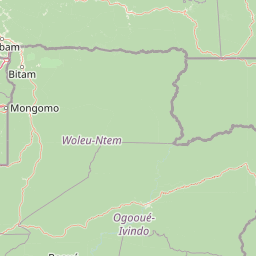
Geography guide, regional context, and park location map for Mwangné National Park

Mwangné National Park park geography, regions, and map view in Gabon
Understand where Mwangné National Park sits in Gabon through a broader geographic reading of the surrounding landscape, nearby location context, and its mapped position within the national park landscape.

How Mwangné National Park fits into Gabon

Gabon is a Central African country on the Atlantic coast, positioned on the equator. It gained independence from France in 1960 and is governed as a unitary presidential republic. The country has significant oil wealth and one of the highest Human Development Index rankings in Africa, though wealth distribution remains uneven.

Wider geography shaping Mwangné National Park in Gabon

Gabon is situated on the Atlantic coast of Central Africa, positioned along the equator. It borders Equatorial Guinea to the northwest, Cameroon to the north, and the Republic of the Congo to the east and south. The terrain includes coastal plains along the Atlantic, mountain ranges in the center (the Cristal Mountains and Chaillu Massif), and savanna zones in the east.

Common questions about visiting, size, designation, and location context for Mwangné National Park

Mwangné National Park FAQs for park facts, access, geography, and protected area context
Find quick answers about Mwangné National Park, including protected-area facts, park geography, trail and visitor context, and how the park fits into its surrounding country and regional landscape.
MoriAtlas Explorer

Continue Your Protected Areas Search Across the Global Atlas

Deepen your exploration by continuing the structured search for national parks and protected areas worldwide. Utilize the comprehensive filtering capabilities to compare different conservation landscapes and refine your understanding of global park geography. Discover more about the distribution and characteristics of protected natural areas.

Global natural geography